All You Need to Know About Oiling Your Baby's Hair
As a parent, caring for your baby’s delicate skin and scalp is always a top priority. Oiling your baby’s hair is a time-honoured practice followed across generations, known for nourishing the scalp, strengthening hair roots, and promoting overall scalp health.
But new parents often have questions: Is it necessary to put oil on a baby’s head? Which oil is best for baby hair growth and thickness? Can we apply oil to a newborn baby’s head?
This guide answers all of those questions and helps you understand the right way, right time, and right products for oiling baby hair safely.
Why Is Oiling Your Baby’s Hair Important?
Here are the key benefits of oiling baby hair regularly:
1. Deep Moisturisation
A baby’s scalp is extremely sensitive and prone to dryness. Gentle oiling helps lock in moisture, prevents flakiness, and supports a healthy scalp barrier.
2. Nourishment & Strength
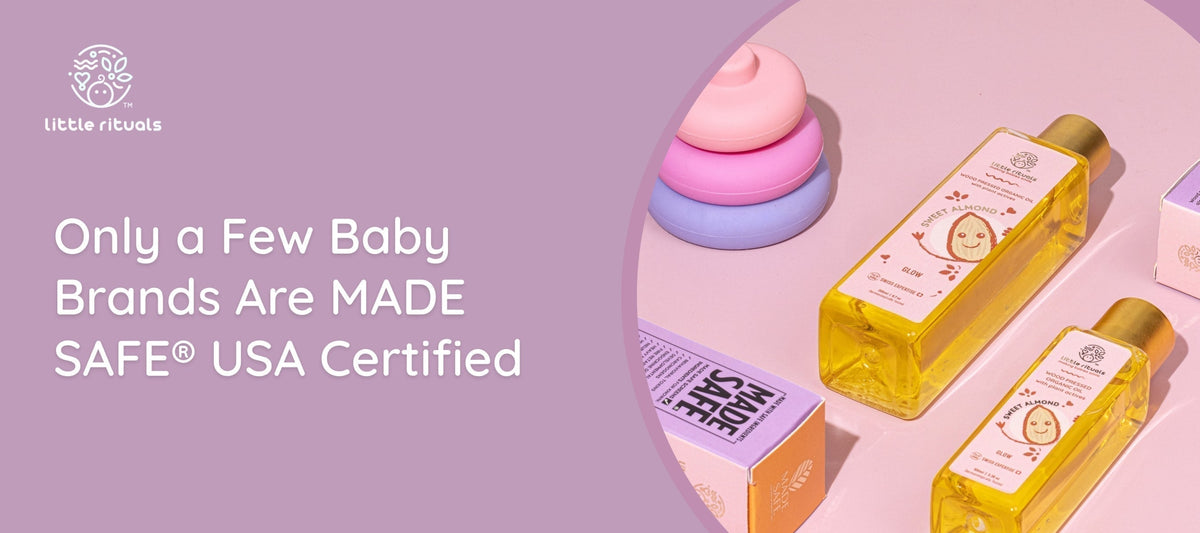
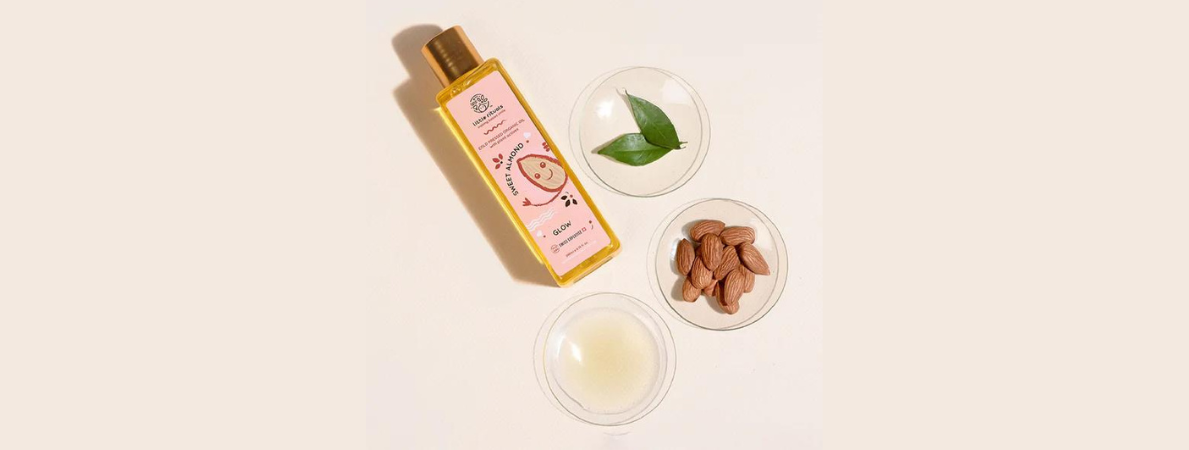
Natural oils contain essential nutrients that nourish hair follicles. This supports healthier strands and improves hair strength over time, making oiling helpful for parents wondering which oil is best for baby hair growth and thickness. Using a pure almond oil for baby massage in summer is a popular choice among parents because of its rich Vitamin E content and gentle, non-greasy texture that suits delicate scalps across seasons.
3. Relaxation & Comfort
A gentle oil massage has a calming effect on babies. It promotes relaxation, improves blood circulation, and may even help babies sleep better. Parents exploring traditional wellness routines can also learn more about what is Abhyanga massage and its soothing benefits for babies.
4. Scalp Protection
Regular oiling creates a protective layer on the scalp, shielding it from dryness and environmental irritation.
When to Use Baby Oil on Newborn Hair
Many parents ask when to start oil massage for newborn baby. You can start oiling once your baby’s scalp looks healthy and free from rashes or infections, usually after the first few weeks.
Oiling is best done:
- Before a bath
- During the daytime or early evening
- 2–3 times a week
This answers a common concern: is it good to apply oil on a baby’s head? Yes, when done correctly and in moderation.
Choosing the Right Oil for Your Baby
Selecting the right oil is essential for newborn skin and hair care.
Which Oil Is Best for Baby Hair?
- Coconut oil (light, nourishing, widely trusted)
- Almond oil (rich in vitamin E)
- Olive oil (mild and moisturising)
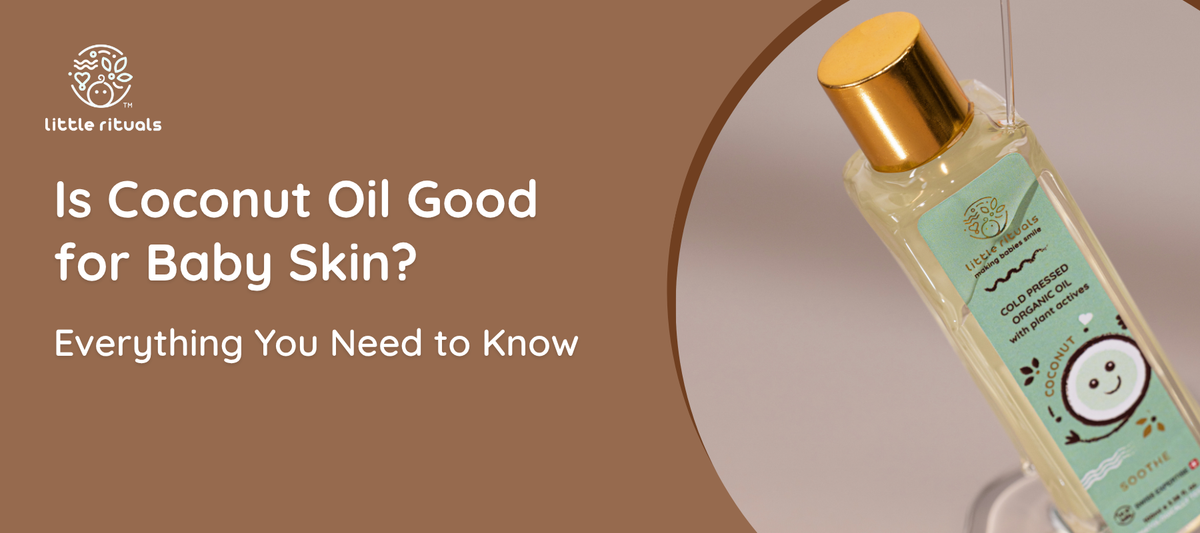
Always choose natural, chemical-free oils designed specifically for babies. Avoid heavily fragranced or mineral-based oils unless recommended by a paediatrician. A trusted baby body massage oil made with cold-pressed coconut oil is one of the most widely recommended options for newborn hair and scalp care because of its lightweight texture and naturally nourishing properties. You can also explore the benefits of coconut oil for baby and understand additional virgin coconut oil benefits for delicate baby skin and scalp.
While some baby oils may be gentle, it’s always safer to use products formulated specifically for baby scalp health and tested for newborn skin. To understand more about selecting a suitable option, you can learn which oil is best for baby head massage.
The Right Technique for Oiling Your Baby’s Hair
Follow this gentle method to ensure safe and effective oiling:
1. Warm the Oil Slightly
Place a small amount of oil in a bowl and warm it using hot water. Always test it on your wrist before applying.
2. Create a Calm Space
Choose a quiet, comfortable area where your baby feels relaxed and secure.
3. Massage Gently
Apply a few drops of oil on your fingertips and massage your baby’s scalp in slow, circular motions. Never apply pressure or rub harshly. After the massage, following up with a mild body and hair wash helps gently cleanse the scalp and remove excess oil without stripping the natural moisture balance.
4. Leave It On for the Right Time
You can leave oil on for 30–60 minutes before washing. Some parents ask, can I leave coconut oil on baby's scalp overnight? Yes, occasionally, but only if your baby’s scalp suits it and there is no irritation or excessive dirt exposure. As your child grows, their needs may change, so it is helpful to check the best hair oil for kids by age for continued care.
Do’s and Don’ts of Oiling Your Baby’s Hair
Do’s
✔ Do a patch test before using any new oil
✔ Do oil regularly but moderately (2–3 times a week)
✔ Do use baby-safe, dermatologically tested products
Don’ts
✘ Don’t over-oil the scalp
✘ Don’t massage aggressively
✘ Don’t leave oil on for too long every day
This helps answer questions like, is it necessary to put oil on baby's head, it’s beneficial, but only when done correctly.
Little Rituals: Gentle Care for Your Baby’s Skin & Hair
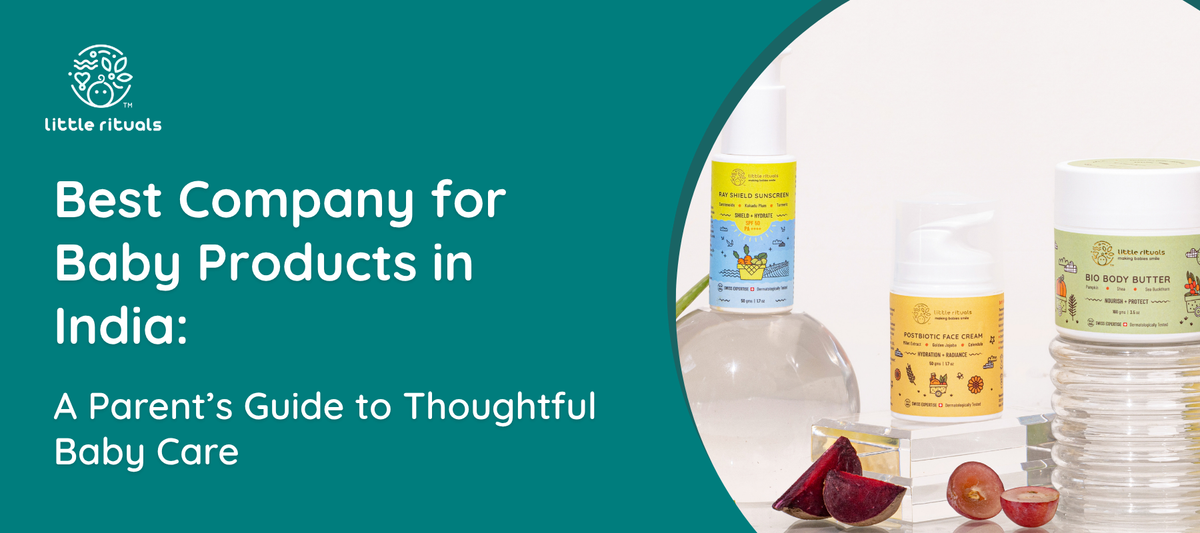
Oiling your baby’s hair is more than a routine; it’s a bonding ritual filled with love and care. Little Rituals new born baby products are thoughtfully crafted using gentle, natural ingredients to support healthy baby skin and hair without harsh chemicals. In addition to skincare essentials, you can also explore curated baby products designed to support your parenting journey with safe and mindful formulations.
If your baby experiences scalp dryness or flakes, understanding how to choose the right dandruff shampoo for your infant’s sensitive scalp can also be helpful for maintaining scalp hygiene.
For babies with sensitive or dry skin, a soothing baby lotion for dry skin applied after bathing helps seal in moisture and keep the skin comfortable and nourished throughout the day. If you're looking for thoughtful gifting options for new parents, a baby gift box or a baby gift hamper makes a meaningful choice for celebrations. For welcoming a little one, a new born baby gift hamper is a beautiful way to share love and care.
When you choose mindful care and safe products, you’re not just nourishing your baby’s scalp; you’re creating moments of comfort, trust, and lifelong memories.
Read Our Latest Blogs
Unique Baby Shower Gifts for Mom-to-Be | What Causes Colic in Babies | Is Bottle Feeding Safe for Newborn Baby | What Is Abhyanga Massage | What Is Mineral Sunscreen
Frequently Asked Questions
Q1. Is it necessary to put oil on a baby’s head?
Yes, oiling helps moisturise the scalp and support healthy hair when done in moderation.
Q2. When to use baby oil on newborn hair?
You can start after the first few weeks, once the scalp is healthy and irritation-free.
Q3. Can we apply oil on a newborn baby’s head daily?
No, 2–3 times a week is sufficient. Daily oiling may clog pores.
Q4. Which oil is best for baby hair growth and thickness?
Natural oils like coconut or almond oil are commonly preferred.
Q5. Can I leave coconut oil on baby scalp overnight?
Yes, occasionally, but only if your baby’s scalp tolerates it well.
Q6. Is it good to apply oil on baby’s head before bath?
Yes, oiling before a bath helps nourish the scalp and makes cleansing easier.
Q7. Can I use baby oil on my hair every day?
Baby oils are gentle, but adult hair may need oils designed for adult scalp needs.