Annaprashan for Baby Girl: A Complete Guide to Your Baby’s First Rice Ceremony
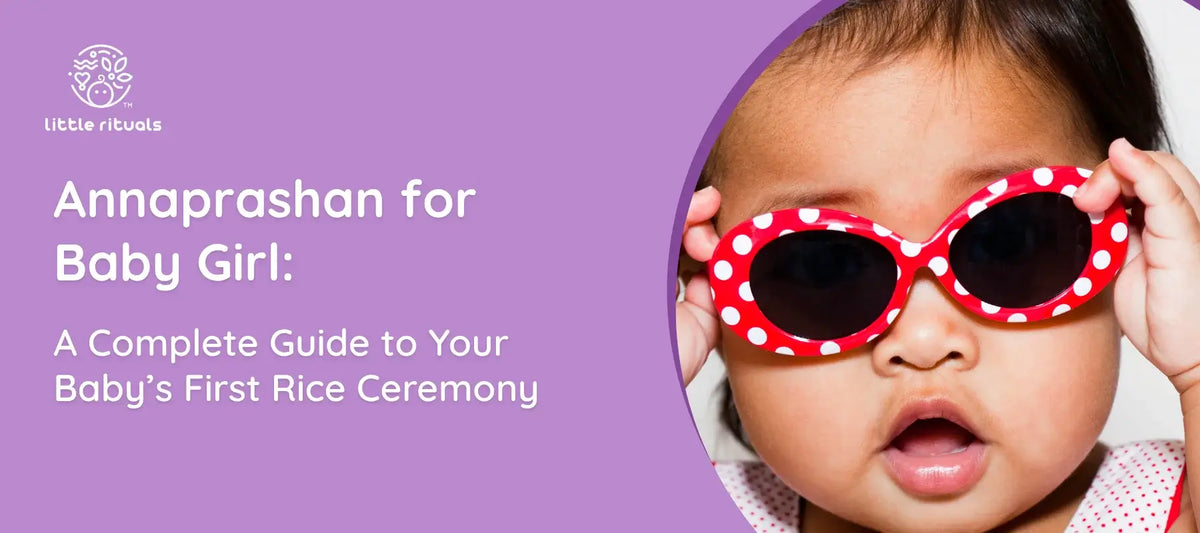
Annaprashan for baby girls is a traditional ceremony that marks her first intake of solid food, usually performed in the 5th or 7th month. The ritual involves feeding a small amount of rice or kheer in a family gathering, symbolizing nourishment, growth, and the beginning of a new stage in her development.
Annaprashan for baby girls is a meaningful milestone that celebrates her transition from milk to solid food. Many modern parents today also focus on using gentle, safe, and natural care routines during such occasions, often choosing thoughtful baby care solutions like those offered by Little Rituals to ensure their baby’s comfort throughout the celebration. Traditionally performed in early infancy, this ceremony brings together cultural values, family blessings, and the joy of watching your child grow. While customs may differ across regions, the heart of the ritual remains the same, welcoming your baby into a new phase of nourishment.
What is Annaprashan Ceremony
Annaprashan, also known as the first rice ceremony, is one of the earliest and most cherished rituals in a baby’s life. It marks the moment when a baby is introduced to solid food for the first time. For a baby girl, this ceremony carries both cultural and emotional significance, symbolizing her growth, well-being, and future prosperity.
This ritual is not just about feeding food. It represents a transition in the baby’s development. Until this point, the baby depends entirely on milk. Annaprashan for baby boy introduces her to new tastes and textures, preparing her for the next stage of nourishment.
Families often see this as an opportunity to gather, celebrate, and offer blessings. Elders pray for the child’s health and happiness, making the ceremony deeply rooted in tradition and love.
When is Annaprashan Done for a Baby Girl
The timing of annaprashan for baby girls is usually based on both tradition and the baby’s readiness. In many households, the ceremony is performed in the 5th or 7th month.
Below are common considerations for choosing the right time
- Age is typically between the 5th and 7th month
- Odd months are traditionally preferred for girls
- Families often choose an auspicious date or muhurat
- Weather conditions are considered to ensure the baby’s comfort
While traditions provide guidance, parents today also pay close attention to developmental signs. A baby who can sit with support, shows interest in food, or can swallow semi-solid textures may be ready for the ceremony.
Annaprashan Ritual for Baby Girl (Step-by-Step)
The ritual can be simple or elaborate, depending on family preferences. However, the core steps remain similar across most traditions.
Preparation
The ceremony begins with cleaning and decorating the space. A small area is arranged for the puja, often with flowers, lamps, and traditional items. The focus is on creating a peaceful and positive environment.
Dressing the Baby
The baby girl is dressed in traditional attire. Comfort is extremely important, so soft fabrics are preferred over heavy clothing.
Puja and Blessings
A short prayer is performed to seek blessings for the child’s health and prosperity. Some families invite a priest, while others perform the ritual themselves.
First Feeding
A small portion of rice or kheer is gently fed to the baby. This is the most important part of the ceremony and is usually done by a close family member.
Family Participation
After the feeding, family members bless the baby. In some traditions, a playful activity is included where objects are placed in front of the baby to predict future interests.
Who Feeds the Baby First
Traditionally, the first feeding is done by
- The father
- The maternal uncle
However, this can vary depending on family customs. The idea is to involve someone who plays an important role in the child’s life.
What Happens After Feeding
Once the baby is fed, the ceremony continues with blessings and celebrations. Guests may offer gifts and good wishes. Many families also use the occasion to discuss future milestones, including selecting meaningful names from collections of Hindu baby girl names with meanings that reflect their values and traditions.
Annaprashan Food Ideas for Baby Girls
The choice of food is very important, as the baby is being introduced to solids for the first time. The food should be soft, simple, and easy to digest.
Common food options include
- Rice kheer prepared with minimal ingredients
- Plain mashed rice
- Light rice porridge
- Soft mashed fruits, if preferred
Foods that should be avoided
- Spicy or heavily seasoned food
- Processed items
- Foods with added sugar or salt
- Potential allergens, unless approved by a doctor
The focus should always be on safety and simplicity rather than variety.
Annaprashan Decoration Ideas for Baby Girls
Decorations add warmth and joy to the celebration. Whether the ceremony is small or large, the setup can reflect your personal style.
Popular decoration ideas include
- Soft pink and gold themed decor
- Fresh floral arrangements
- Traditional elements like diyas and rangoli
- Minimal home setups for an intimate feel
Some families prefer modern-themed celebrations, while others stick to traditional aesthetics. Both approaches can be equally meaningful when centered around the baby’s comfort.
Annaprashan Dress Ideas for Baby Girls
Choosing the right outfit is important for both comfort and appearance. Babies have sensitive skin, so the fabric and fit must be carefully selected.
Suitable outfit options include
- Lightweight silk or cotton lehenga
- Soft traditional frock
- Comfortable festive wear suitable for the season
Parents should avoid heavy embroidery or tight clothing that may cause discomfort. A happy and relaxed baby makes the ceremony more enjoyable for everyone.
Annaprashan Gift Ideas for Baby Girls
Gifts are an important part of the celebration and often carry sentimental value.
Common gift ideas include
- Gold or silver jewelry
- Practical new born baby essentials
- Personalized keepsakes
- Clothing suitable for daily use
- Little Rituals Custom Gift Boxes
Guests usually prefer gifts that are both meaningful and useful for the baby’s daily life.
Explore more in : Unique Newborn Baby Gift Ideas
Important Things to Keep in Mind
A successful ceremony depends on the baby’s well being. Parents should plan the event keeping the baby’s needs at the center.
Important tips include
- Ensure the baby is well rested before the ceremony
- Maintain proper hygiene during feeding
- Do not force the baby to eat
- Keep the event short and calm
- Be prepared for unexpected reactions, as babies may feel overwhelmed
The goal is to create a positive and stress free experience for the child.
Regional Variations of Annaprashan
Annaprashan is celebrated differently across regions, adding diversity to the tradition.
- In Bengal, it is known as Mukhe Bhaat and is often a grand celebration
- In South India, it may be performed in temples or at home with simple rituals
- In Nepal, the ceremony is called Pasni and includes elaborate cultural elements
These variations reflect the richness of cultural traditions while maintaining the same core meaning.
Creating a Gentle Ritual Beyond the Ceremony
After the ceremony, the baby may feel tired or overstimulated. A gentle routine helps her feel calm and comfortable.
Parents can focus on
- Cleaning the baby gently after feeding
- Moisturizing the skin to prevent dryness
- Allowing proper rest
- Maintaining a soothing environment
Using gentle baby care products can make a noticeable difference. Products like wood cold pressed organic sweet almond oil for massage, multi vitamin hair and body wash for gentle cleansing, and barrier boost body lotion for hydration help maintain the baby’s skin health.
For deeper nourishment, options like bio body butter and postbiotic face cream help keep the baby’s skin soft and protected.
These baby skincare products are formulated with plant based ingredients and are designed to be safe for delicate baby skin.
Final Thoughts
Annaprashan for baby girls is a beautiful blend of tradition, emotion, and celebration. It is not about perfection but about creating a meaningful moment filled with love and care. Every family may celebrate it differently, but the essence remains the same, welcoming your baby into a new stage of life with warmth and blessings.
A Gentle Beginning with Thoughtful Care
Your baby girl’s Annaprashan is only the start of many important milestones. Each moment deserves care that is safe, gentle, and thoughtfully chosen. With a growing awareness among parents about clean and mindful baby care, brands like Little Rituals offer solutions that align with these values.
Choosing the right care ensures that every ritual feels comforting for your baby, allowing you to focus on what truly matters, celebrating her journey with love and peace.
Frequently Asked Questions
Q1. How is Annaprashan for baby girls performed at home?
It can be performed with a simple setup that includes a small prayer, feeding of rice or kheer, and blessings from family members. The focus should be on simplicity and the baby’s comfort.
Q2. Can Annaprashan be done without a priest?
Yes, many families perform the ceremony themselves. A priest is optional and depends on personal beliefs and traditions.
Q3. Is the 5th month necessary for Annaprashan?
No, it is a traditional guideline. The baby’s readiness for solid food is more important than strictly following a specific month.
Q4. Will my baby eat during the ceremony?
Not always. Some babies may refuse food, and this is completely normal. The ritual is symbolic and should not cause stress.
Q5. What is the best food for Annaprashan for baby girls?
Soft rice or kheer is considered the safest and most traditional option because it is easy to digest.
Q6. What should my baby girls wear for annaprashan?
She should wear soft, comfortable clothing that allows free movement and does not irritate her skin.
Q7. Why is annaprashan important?
It marks a key milestone in a baby’s growth and holds cultural significance as a symbol of nourishment and well being.
Q8. Why are odd months preferred for baby girls?
This belief comes from traditional customs followed in many families. However, it is not mandatory and varies across regions.