Annaprashan Ceremony: Meaning, Rituals, Food Ideas and Complete Guide for Your Baby’s First Rice Ceremony
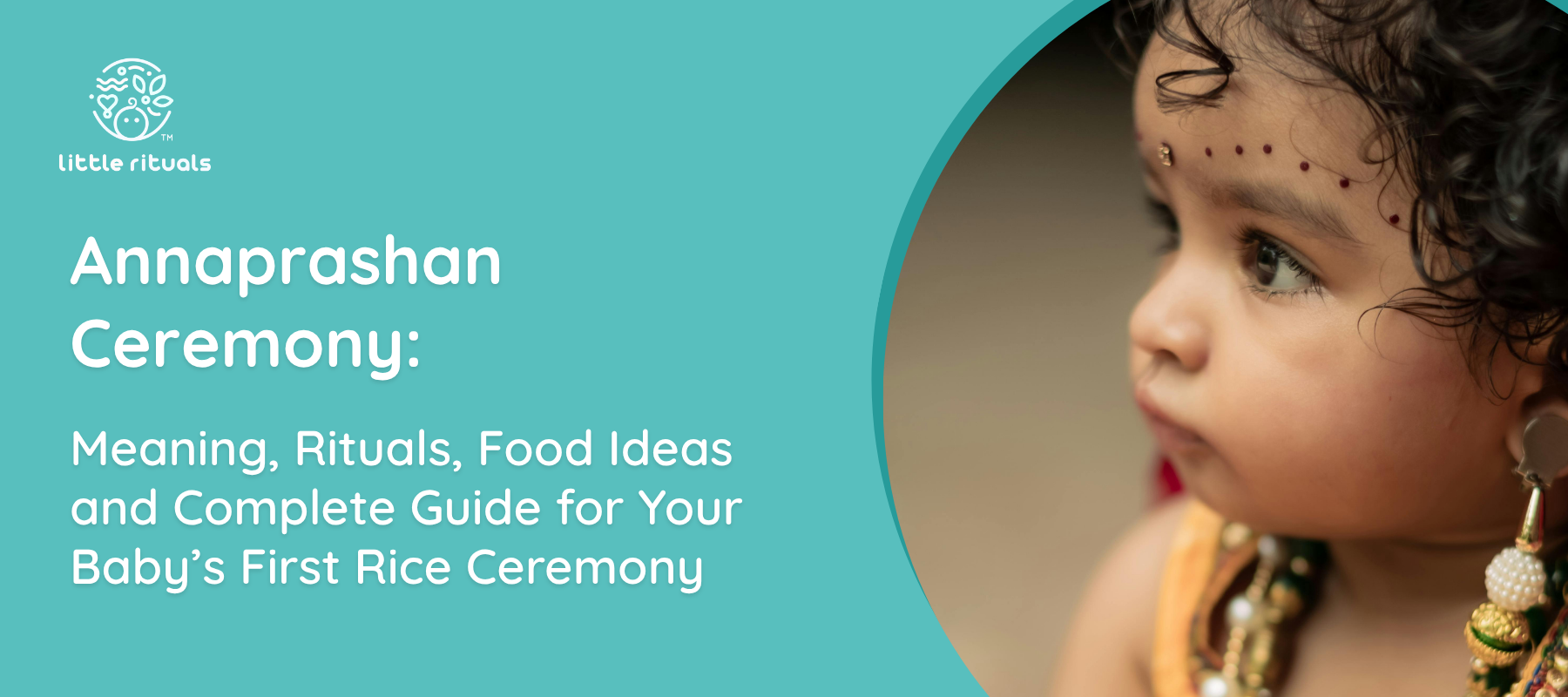
Annaprashan is a traditional Hindu ceremony in which a baby is introduced to solid food for the first time, usually rice or kheer, around 6 months of age. The ritual symbolizes nourishment, growth, and blessings for a healthy future and is celebrated with simple customs, prayers, and family participation.
The annaprashan ceremony marks a deeply meaningful milestone in a baby’s early life, when they are introduced to solid food for the first time. Along with tradition and celebration, modern parents also focus on safe and gentle baby care, often choosing trusted, toxin free products from brands like Little Rituals to ensure their child’s comfort throughout such occasions. Also known as the rice ceremony or annaprasana ceremony, this ritual beautifully combines cultural values with a baby’s developmental needs, making it both emotional and practical for families.
What is Annaprashan Ceremony
Annaprashan is derived from Sanskrit where Anna means food and Prashan means feeding. The annaprashan ceremony represents the baby’s first experience with solid food, typically rice or a rice based preparation like kheer.
It is commonly referred to as
- Annaprashan ceremony
- Rice ceremony
- Annaprasana ceremony
- Baby annaprashan
This ritual is deeply rooted in tradition and is seen as a blessing for the child’s health, prosperity, and future. It signifies that the baby is now ready to receive nourishment beyond mother’s milk and begin a new stage of development.
When is Annaprashan Performed
The annaprashan ceremony is generally performed when a baby is around 6 months old. This timing is important because it aligns with medical recommendations for introducing solid food. At this stage, most babies develop the ability to digest simple foods and show readiness signs such as sitting with support and showing interest in food.
Traditionally, some families follow specific customs regarding timing. For example, boys may have the ceremony in the 6th, 8th, or 10th month, while girls may have it in the 5th or 7th month. In many households, an auspicious date is selected based on religious or astrological beliefs.
Significance of Annaprashan
The annaprashan ceremony carries deep emotional and cultural importance.
- It marks the beginning of the baby’s journey into solid nutrition
- It symbolizes physical growth and developmental progress
- It invites blessings for a healthy and prosperous life
- It strengthens family bonds as loved ones gather to celebrate
Beyond tradition, it is a moment that parents remember as the first step toward independence in their child’s life.
Annaprashan Ceremony Rituals
Preparation
Preparation begins with selecting a suitable date and organizing the required items. The baby is dressed in traditional attire, and a small prayer setup is arranged at home or in a temple. The environment is kept clean and calm to ensure the baby’s comfort.
Ceremony Process
The ceremony usually starts with a simple prayer or puja performed by a priest or a family elder. After seeking blessings, the baby is seated comfortably, and a small portion of rice or kheer is fed to them. Traditionally, the first feeding is done by the father or maternal uncle, though this may vary by family.
Post Ritual Traditions
After the feeding, elders bless the baby for a healthy and prosperous life. In some traditions, an interesting ritual follows where the baby is encouraged to pick an object placed in front of them. The chosen object is believed to symbolically represent their future interests or career path. The ceremony often concludes with a family meal or small celebration.
Essential Items Required for Annaprashan
|
Category |
Items Needed |
|
Food |
Rice, kheer, mashed food |
|
Puja Essentials |
Diya, flowers, incense, plate |
|
Baby Items |
Traditional clothes, bib, towel |
|
Decoration |
Flowers, rangoli, backdrop |
|
Gifts |
Clothes, toys, silver items |
Annaprashan Food Ideas
Annaprashan Decoration and Celebration Ideas
The ceremony can be celebrated in a way that suits the family’s comfort and style.
- A simple home setup with flowers and traditional elements creates a warm atmosphere
- A themed decoration can make the event more memorable
- Keeping the environment calm helps the baby stay comfortable
- A small photoshoot can help preserve beautiful memories
Whether simple or elaborate, the focus should remain on the baby’s comfort.
Annaprashan Gift Ideas
Gifting is an important part of the annaprashan ceremony. Some thoughtful options include
- Baby clothing sets
- Silver utensils or small jewelry
- Soft toys or educational toys
- Memory keepsakes such as photo frames
Baby care essentials from Little Rituals
- Custom baby gift boxes that include a selection of new born baby essentials
- Travel kits with compact baby products for convenience during outings
Gifts often carry emotional value and are cherished for years.
Regional Variations of Annaprashan Ceremony
The annaprashan ceremony is celebrated differently across regions, each adding its unique touch.
- In West Bengal it is known as Mukhe Bhaat
- In Kerala it is called Choroonu
- In Tamil Nadu it is referred to as Annaprasanam
- In North India it is performed with simple puja rituals
Despite these variations, the essence of the ceremony remains the same.
Important Tips for Parents
- Ensure your baby is ready for solid food before the ceremony
- Maintain hygiene while preparing and feeding food
- Keep the ceremony short to avoid tiring the baby
- Avoid loud environments that may overwhelm the baby
- Introduce food in small quantities and observe reactions
Practical preparation helps make the experience smooth and enjoyable.
How to Care for Your Baby After Annaprashan
After the ceremony, babies may need gentle care as they adjust to new food.
- Clean the baby gently after feeding to avoid irritation
- Observe for any signs of allergies or discomfort
- Keep the baby’s skin moisturized and protected with a baby face moisturizer.
- Maintain a simple and gradual feeding routine
This stage is important as the baby’s body begins adapting to new nutrition.
Make Every Baby Ritual Safe and Special with Little Rituals
Every milestone in your baby’s life deserves thoughtful care and attention. From the first bath to the first feeding ceremony, ensuring safety and comfort is essential. Little Rituals offers gentle, toxin free baby care products designed to protect delicate skin and support your baby’s well being. Choosing safe and nurturing care during important moments like annaprashan helps create a positive and memorable experience for both the baby and the family.
Frequently Asked Questions
Q1. What is an Annaprashan ceremony?
It is a traditional ritual where a baby is fed solid food for the first time, usually rice or kheer, marking an important developmental milestone.
Q2. Why is Annaprashan important?
It symbolizes the baby’s transition to solid food and is believed to bring blessings for health, growth, and prosperity.
Q3. When should Annaprashan be performed?
It is usually performed around 6 months of age, depending on the baby’s readiness and family traditions.
Q4. How is the Annaprashan ceremony conducted?
The ceremony involves a small prayer followed by the ceremonial feeding of rice or kheer to the baby by a family member.
Q5. Who feeds the baby first during Annaprashan?
Traditionally, the father or maternal uncle feeds the baby first, though this can vary among families.
Q6. Can Annaprashan be celebrated at home?
Yes, many families prefer a simple and intimate ceremony at home with close relatives.
Q7. Is Annaprashan necessary for every baby?
It is not compulsory but is widely practiced due to its cultural and emotional significance.
Q8. Will my baby like solid food immediately?
Not necessarily. Some babies take time to adjust to new textures and flavors, so patience is important.