9 Signs Your Baby Has Sensitive Skin (And What to Use Instead)
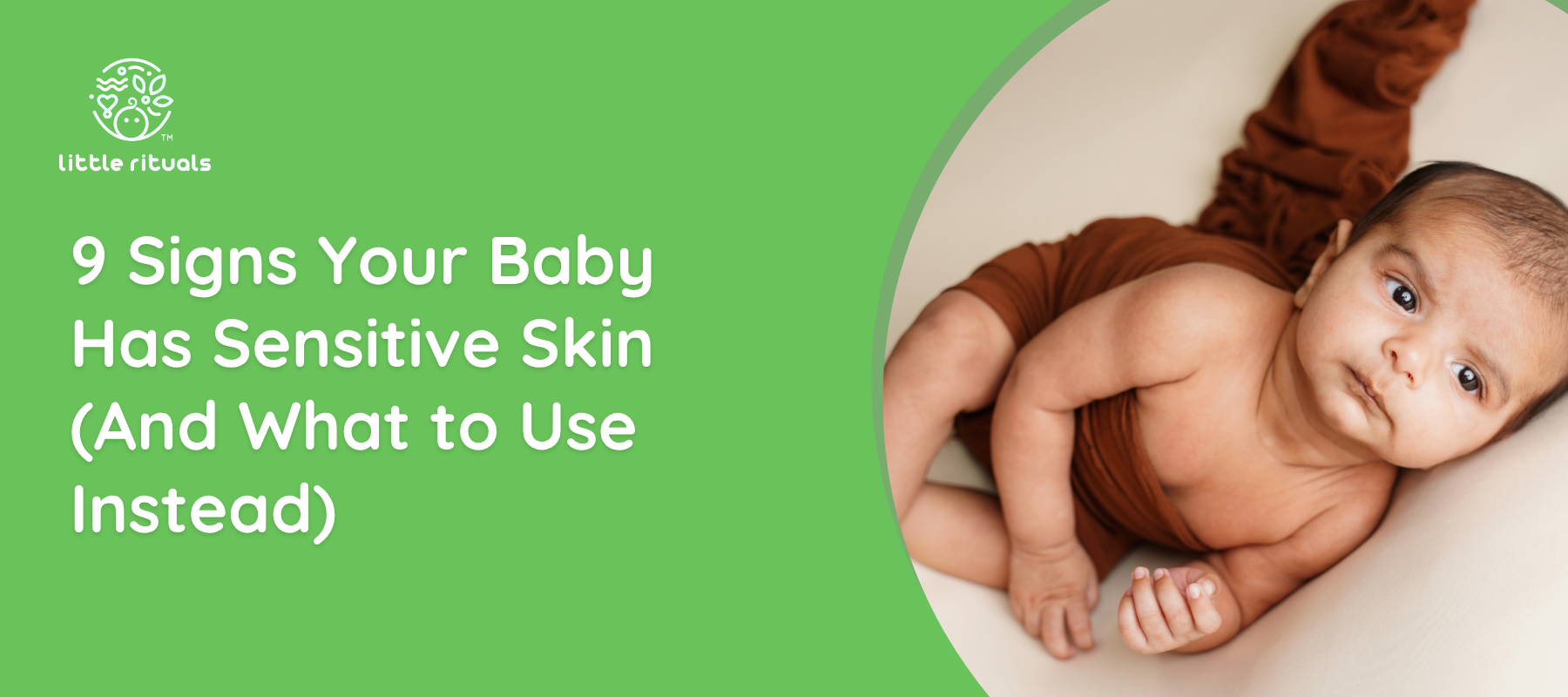
Baby sensitive skin signs often include persistent redness, dry patches, frequent rashes, itching, and skin that reacts quickly to new products or weather changes. Choosing gentle, skin-barrier-friendly skincare and following a simple daily routine can help keep your baby's delicate skin comfortable, healthy, and well-protected as it develops.
As a parent, noticing redness, dryness, or irritation on your baby's skin can be worrying. Baby sensitive skin signs are often easy to spot when you know what to look for. Early recognition and a gentle skincare routine can make a meaningful difference. Little Rituals offers thoughtfully formulated baby care essentials designed to support delicate skin from the very beginning. Read on to discover the signs and learn how to care for sensitive baby skin with confidence.
Why Is Baby Skin More Sensitive Than Adult Skin?
A baby's skin is naturally thinner and more delicate than an adult's. During the first few years of life, the skin barrier is still developing, making it more vulnerable to moisture loss and environmental irritants.
Because of this, babies are more likely to experience temporary dryness, redness, or irritation from everyday factors such as weather changes, friction from clothing, saliva, frequent bathing, or baby care products that contain harsh ingredients.
Understanding these natural differences helps parents recognize baby sensitive skin signs early and choose skincare that protects rather than disrupts the skin barrier.
9 Baby Sensitive Skin Signs Every Parent Should Know
Not every rash or dry patch means your baby has sensitive skin, but recurring symptoms may indicate that your little one's skin needs extra care.
1. Persistent Redness
One of the most noticeable baby sensitive skin signs is redness that doesn't disappear quickly. It may appear on the cheeks, neck folds, chin, or around the diaper area, especially after bathing or exposure to heat.
2. Dry, Rough, or Flaky Skin
Some newborn dryness is completely normal. However, if your baby's skin continues to feel rough or develops flaky patches despite regular moisturising, it may be more sensitive than usual.
Keeping the skin well-hydrated helps support its natural protective barrier.
3. Skin Reacts Quickly to New Products
If your baby's skin becomes red or irritated soon after using a new cleanser, baby body lotion, or detergent, it could be a sign of sensitivity.
Introducing one new baby skincare products at a time makes it easier to identify what suits your baby's skin.
4. Frequent Small Rashes
Heat rash, mild irritation, or tiny red bumps that appear often may indicate that your baby's skin is reacting to friction, sweat, or environmental triggers.
Although many baby rashes are harmless, recurring episodes deserve closer attention.
5. Itching or Constant Rubbing
Babies cannot tell us when their skin feels uncomfortable. Instead, they may rub their cheeks, scratch their arms, or seem unusually fussy.
These behaviors are common baby sensitive skin signs, particularly when accompanied by visible dryness or redness.
6. Rough Patches Around Elbows and Knees
Dry patches on elbows, knees, or behind the legs may develop when the skin barrier struggles to retain moisture.
While these patches don't always indicate a skin condition, they do suggest that gentle skincare and regular moisturization are important.
7. Skin Feels Tight After Bath Time
Bathing should leave your baby's skin feeling fresh, not dry.
If the skin feels tight or appears dull immediately after a bath, the cleanser may be removing too much natural moisture.
Choosing a mild, soap-free cleanser can help maintain the skin's natural balance.
8. Skin Becomes Irritated During Weather Changes
Cold winds, dry indoor heating, hot weather, and humidity can all affect delicate baby skin.
If your baby's skin becomes noticeably red or dry whenever the seasons change, it could be another of the common baby sensitive skin signs.
9. Skin Takes Longer to Calm Down
Healthy skin usually recovers quickly after minor irritation.
When redness or dryness lingers for several hours or even days, it may indicate that the skin barrier needs additional protection and hydration.
When Are These Signs Normal?
Many newborns experience temporary peeling, mild dryness, or occasional heat rash during their first weeks of life. These changes are often harmless and improve as the skin matures.
However, you should consult your pediatrician if your baby develops:
- Blisters or open sores
- Oozing or infected-looking skin
- Persistent swelling
- Fever with a rash
- Severe or widespread irritation
- Symptoms that continue despite gentle skincare
A healthcare professional can determine whether additional evaluation or treatment is needed.
What to Use Instead for Sensitive Baby Skin
When caring for delicate skin, less is often more. Choosing baby products that support the skin barrier instead of stripping it helps reduce irritation while keeping skin soft and hydrated.
Cleanse Gently Every Day
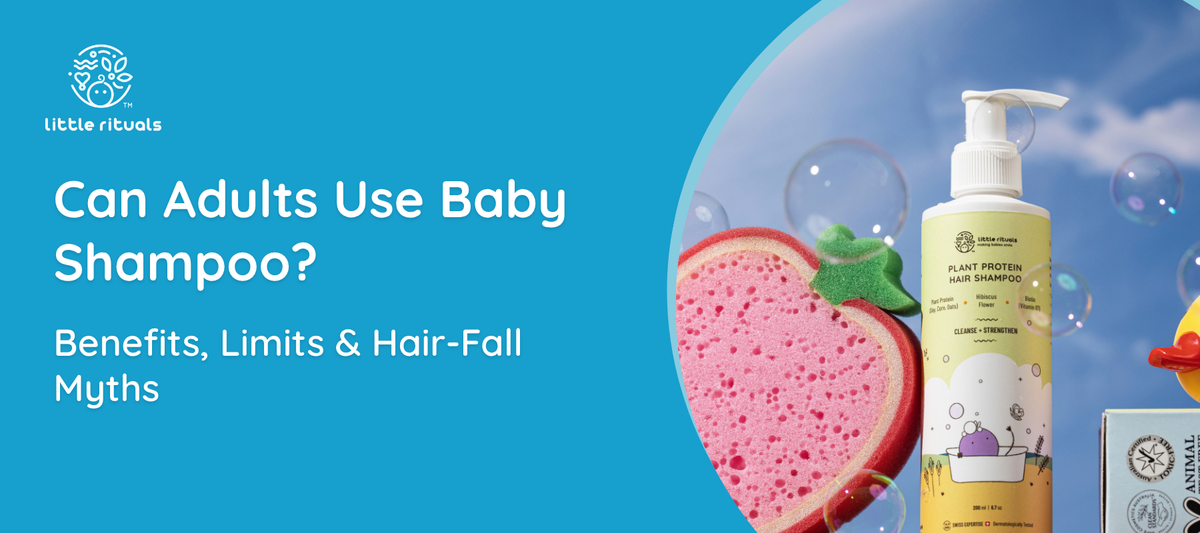
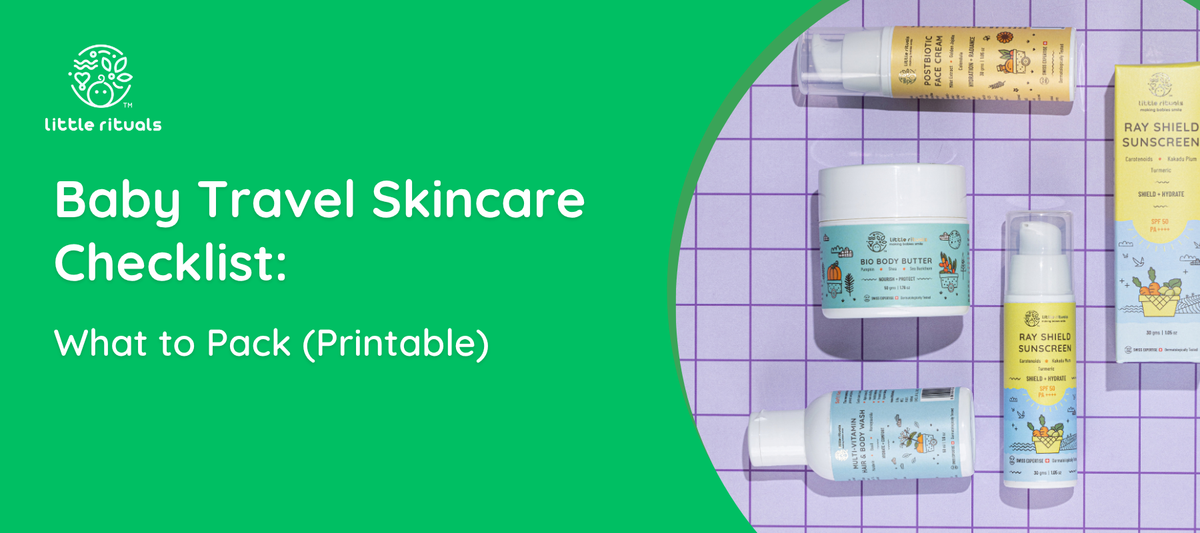
Little Rituals Multi-Vitamin Hair & Body Wash gently cleanses delicate skin and hair without leaving the skin feeling dry. Its carefully selected ingredients help maintain moisture while making bath time a soothing daily ritual.
Lock In Moisture After Bathing
Moisturising immediately after a bath helps reduce water loss from the skin.
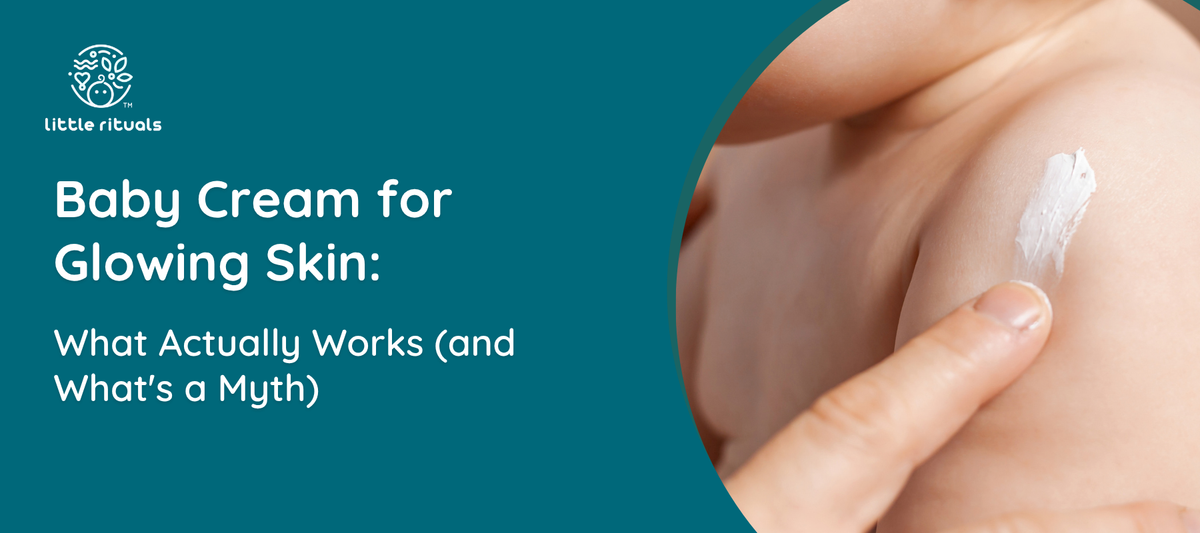
Little Rituals Bio Body Butter provides rich hydration that helps keep delicate skin feeling soft, smooth, and comfortable throughout the day.
Keep Delicate Facial Skin Nourished
The face is often exposed to drool, milk, weather changes, and friction.
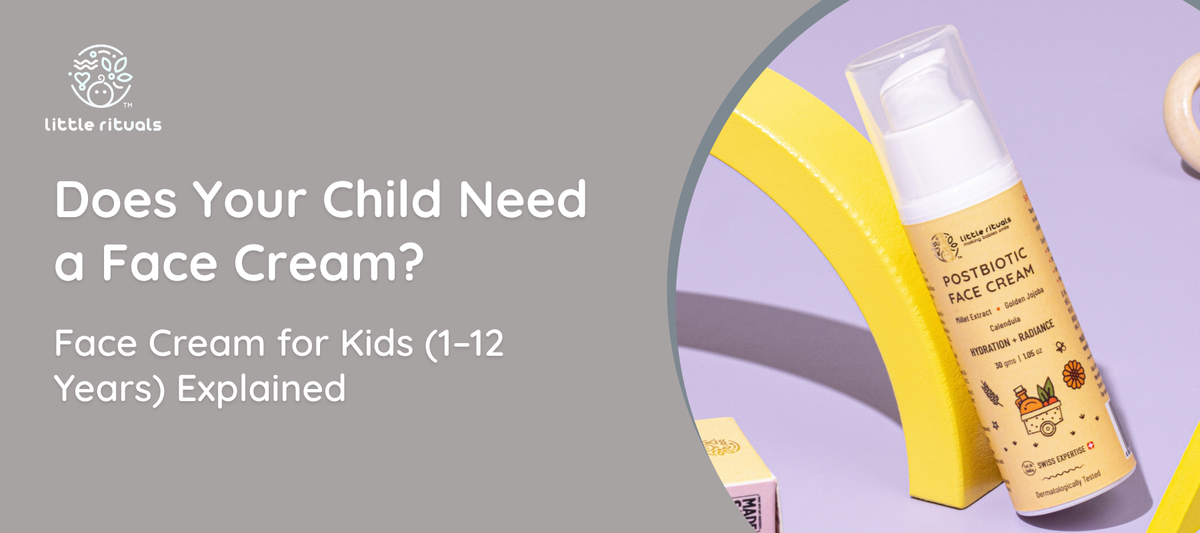
Little Rituals Postbiotic Face Cream helps hydrate delicate facial skin while supporting a healthy-looking skin barrier, making it suitable for everyday use.
Choose Gentle Massage Oils
Baby massage is a cherished tradition that also supports bonding.
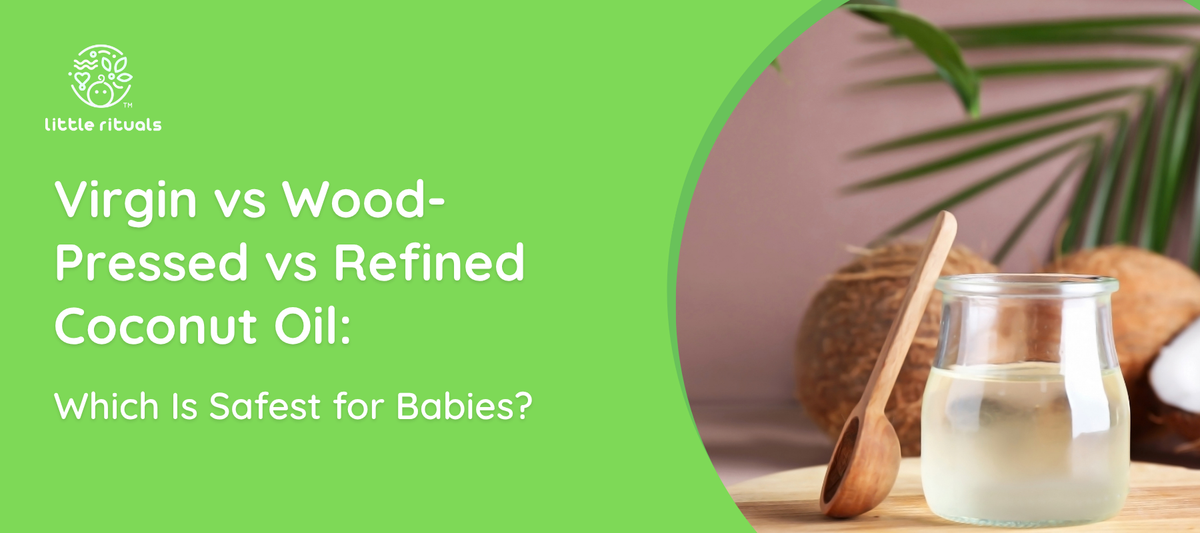
Little Rituals offers Wood-Pressed Organic Sweet Almond Oil, Wood-Pressed Organic Coconut Oil, and Wood-Pressed Organic Black Sesame Oil, giving parents naturally nourishing options for a relaxing massage routine.
Freshen Up with Gentle Wet Wipes
For quick clean-ups throughout the day, Little Rituals Bio Soothe Wet Wipes provide gentle cleansing while being kind to delicate skin.
Daily Skincare Routine for Babies With Sensitive Skin
A simple routine is often the most effective.
Morning
- Wipe the face gently if needed.
- Moisturise dry areas.
- Dress your baby in breathable cotton clothing.
Bath Time
- Use lukewarm water.
- Cleanse with a gentle hair and sulphate free body wash for babies.
- Pat the skin dry instead of rubbing.
- Apply moisturizer immediately afterward.
Massage Time
- Use a nourishing organic baby massage oil.
- Massage gently using slow, comforting strokes.
Throughout the Day
- Change wet clothing promptly.
- Avoid overheating.
- Keep skin clean and moisturised.
Following a consistent routine can help reduce many baby sensitive skin signs while keeping your baby's skin healthy and comfortable.
Tips to Help Protect Your Baby's Skin Barrier
Healthy skin starts with healthy daily habits.
- Keep bath time short.
- Avoid very hot water.
- Choose fragrance-free, gentle skincare.
- Moisturise after every bath.
- Wash new clothes before your baby wears them.
- Use soft cotton fabrics.
- Introduce new baby skincare products one at a time.
- Watch for recurring baby sensitive skin signs and adjust your routine when needed.
Small changes in everyday care often have the biggest impact over time.
Give Your Baby's Delicate Skin the Gentle Care It Deserves
Every cuddle, bath, and massage is an opportunity to nurture your baby's developing skin. At Little Rituals, every product is thoughtfully created to care for delicate skin with gentle, skin-loving formulations inspired by nature and backed by modern expertise. From the Multi-Vitamin Hair & Body Wash and Bio Body Butter to the Postbiotic Face Cream, Wood-Pressed Organic Massage Oils, and Bio Soothe Wet Wipes, each essential is designed to help parents build comforting daily rituals that protect, nourish, and celebrate every precious moment. Explore the Little Rituals collection and give your little one the gentle care they deserve.
Frequently Asked Questions
Q1. How can I tell if my baby has sensitive skin?
Common baby sensitive skin signs include frequent redness, dry patches, irritation after new products, recurring rashes, and skin that reacts easily to heat, cold, or friction.
Q2. How often should I moisturise sensitive baby skin?
Moisturising at least once daily and immediately after bathing helps lock in moisture and supports your baby's developing skin barrier.
Q3. Can babies outgrow sensitive skin?
Yes. Many babies become less sensitive as their skin barrier matures. Gentle skincare and consistent hydration can support healthy skin during this stage.
Q4. Can weather affect sensitive baby skin?
Yes. Cold air, dry indoor heating, hot weather, and humidity can all contribute to dryness, redness, and irritation in babies with delicate skin.
Q5. Is sensitive skin common in newborns?
Yes. Newborn skin is naturally thinner and more delicate than adult skin, making temporary sensitivity quite common during the early months.
Q6. Will using gentle skincare help reduce irritation?
Using mild, skin-friendly products that support the skin barrier may help reduce dryness and irritation while keeping delicate skin comfortable.
Q7. What ingredients should I avoid for sensitive baby skin?
Many parents choose products that avoid harsh cleansers, strong fragrances, and unnecessary additives, as these may increase the risk of irritation in delicate skin.
Q8. Why does my baby's skin become red so easily?
A baby's developing skin barrier loses moisture more quickly and reacts more easily to friction, temperature changes, and environmental irritants, making redness more common.