How to Soothe a Baby's Sunburn
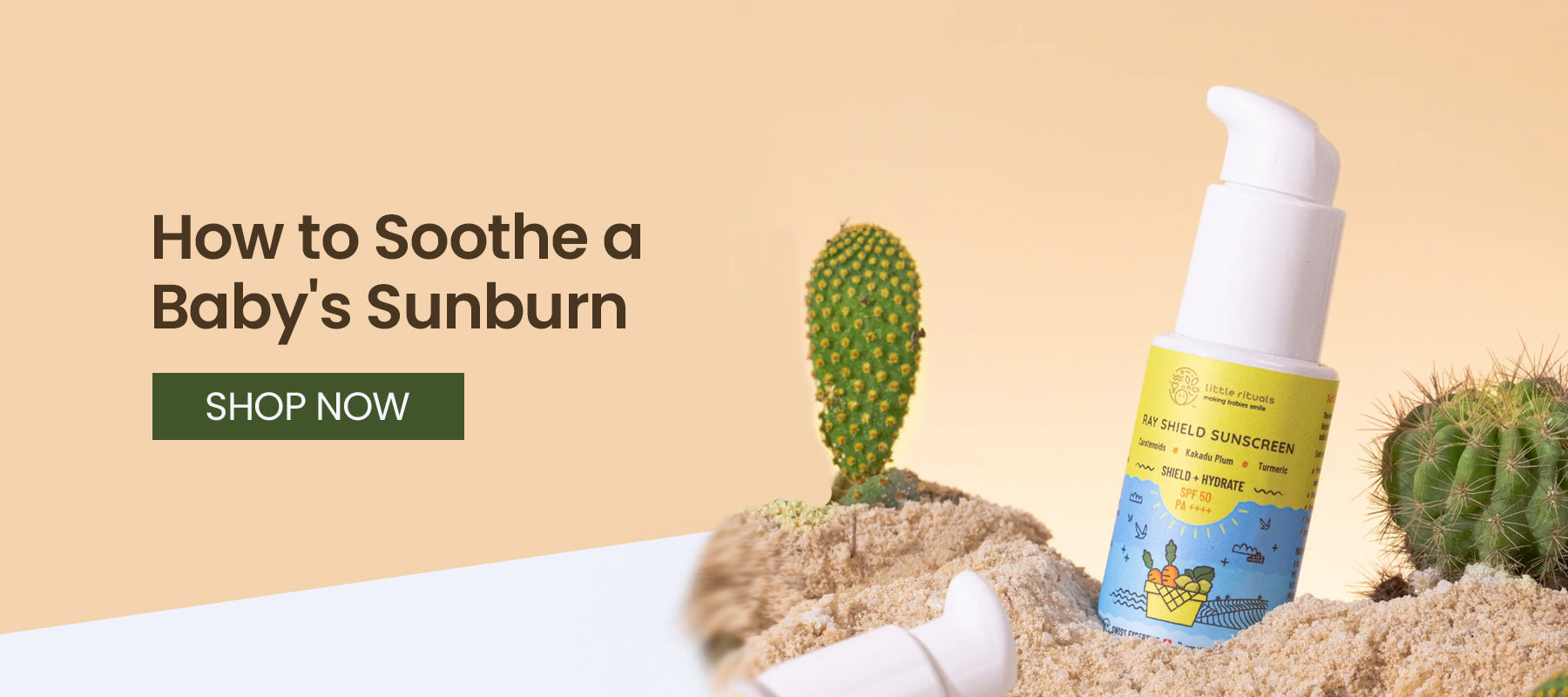
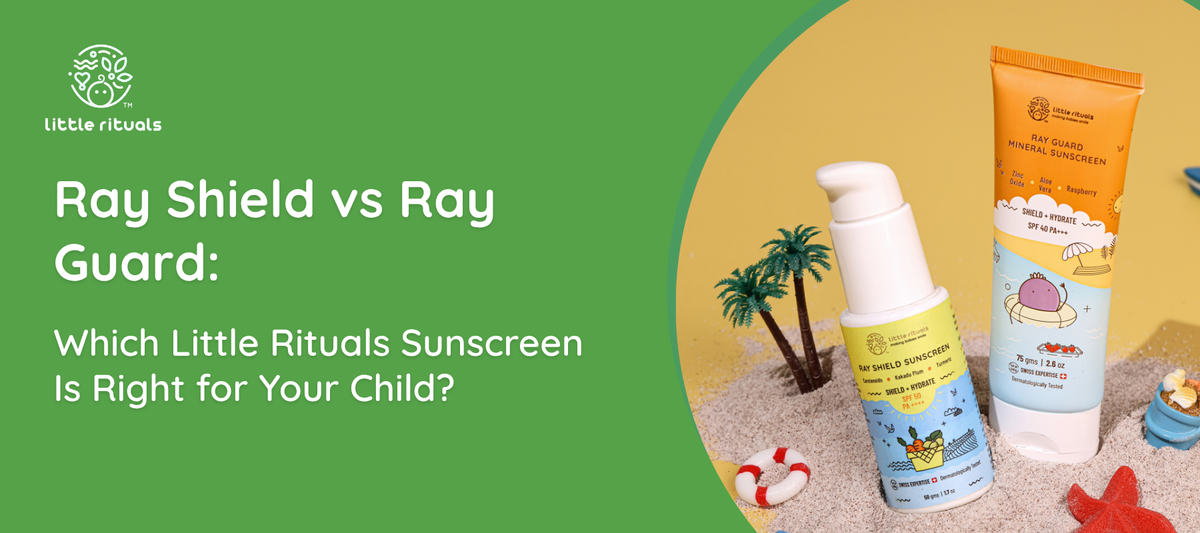
We all know sun safety is important for both kids and adults. However, your baby still might get a sunburn, despite taking precautions like applying sunscreen for kids like Little Rituals Ray Shield Sunscreen. Babies are specifically vulnerable to damage from ultraviolet rays due to their delicate and sensitive skin. If your baby gets a sunburn, don't panic. We have brought some tips on how to soothe your baby’s sunburn.
How Can You Treat Your Baby’s Sunburn at Home?
The range of sunburns varies from slight discomfort and redness to pain and skin peeling. But the good thing is that it can be treated. Here are some effective ways to treat your baby’s sunburn at home:
1. Cool Them Off
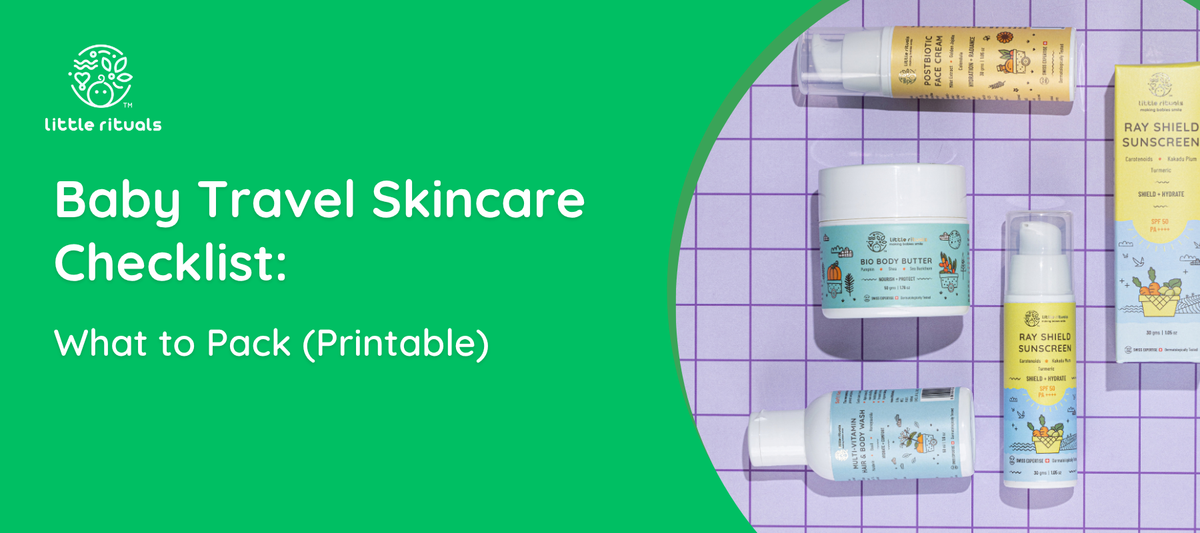
You can treat your baby’s sunburn by gently cooling the skin with a tepid bath with Little Rituals Multi-Vitamin Hair & Body Wash or cool compress. For better results you can add some oatmeal bath powder or soothing baking soda. The damage may worsen as long as the skin is hot.
2. Moisturize Their Skin
Once you have cooled off your baby’ skin, you need to moisturize it with a dermatologically approved moisturizer like Little Rituals Baby Bio Body Butter. The dryness in the skin may worsen the damage. Apply the creams a couple of times a day to lock the moisture, specifically after a bath and before bedtime.
3. Give Medication, If Required
If your baby has a significantly bad sunburn followed by skin inflammation, you need to consult a pediatrician about giving them pain medicine. For babies above 6 months, ibuprofen can help reduce swelling and ease pain. Since it takes time to actually see the baby’s sunburn after sun exposure, it is advised to start ibuprofen as soon as you realize that your baby has been exposed too much in the sun. It is better than actually waiting for redness to appear.
4. Make Them comfortable
Until the sunburn gets better, you should keep your baby out of the sun. During the healing process hydration is very important. You should dress them in light layers of soft fabrics that don't irritate their skin. If there is a blister on their skin, avoid popping it. It could damage their delicate skin and leave scars.
When to Call the Doctor for Baby’s Sunburn?
If your baby is less than 1 year old, you should watch for the symptoms and contact their pediatrician as soon a s possible:
- Blisters
- Fever
- Weakness or fainting
- Chills
- Signs of dehydration
- Nausea or vomiting
- Signs of infection in the burned skin (pus or red streaks)
How to Prevent Your Baby’s Sunburn?
You can do the following to prevent your baby’s sunburn:
- Staying in the shade
- Applying sunscreen for kids
- Wearing a hat
- Wearing long sleeves and pants
- Wearing sunglasses
When the sun is the strongest between 10am and 4pm you should keep your baby indoors. You can apply a dermatologically recommended kids sunscreen like Little Rituals Ray Shield Sunscreen to babies over 6 months old.
Little Rituals: Best Sunscreen for Kids
To keep your baby’s skin healthy during summer it is better to avoid sun heat. You can do it by applying kids sunscreen like Little Rituals Ray Shield Sunscreen and staying in the shade. But if your baby gets sunburn despite all your efforts you can soothe their tender skin by cooling them off and applying a good hydrating moisturizer.