2 Year Old Baby Food Chart: Balanced Meals, Nutrition Tips, and Healthy Habits for Your Growing Toddler
Disclaimer: This guide is for general information only and should not replace professional medical advice. Every child’s needs are different. Please speak to your paediatrician or a registered dietitian before making changes to your toddler’s diet, especially if your child has allergies, growth concerns, or any medical conditions.
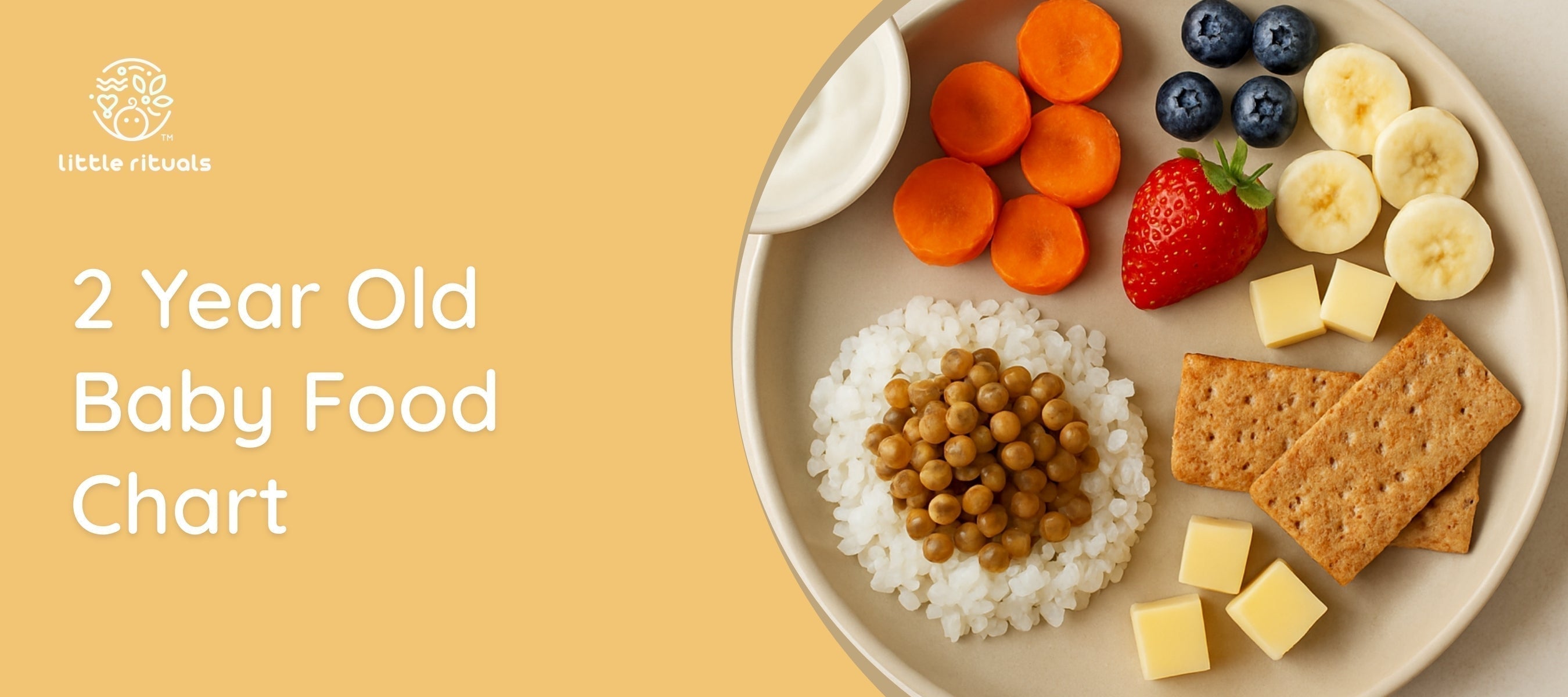
Feeding a 2-year-old is one of the most exciting phases of parenthood, but it can also be a source of questions and concerns. Many parents wonder if their child is getting enough nutrients, whether the meals are varied enough, or how to introduce new foods without stress. A well-planned 2 year old baby food chart is a simple yet powerful tool that ensures your toddler receives the essential nutrition needed for healthy growth and development while encouraging positive eating habits.
At this age, toddlers are learning to express their preferences, explore new flavors, and enjoy mealtime independence. A thoughtfully designed 2 year old baby food chart can help parents offer balanced meals that support energy levels, brain development, and bone strength. In this article, we will explore daily meal ideas, nutrition tips, gentle feeding strategies, and practical advice to create a joyful, stress-free eating experience for your toddler.
Understanding Your 2-Year-Old’s Nutritional Needs
A 2-year-old is in a period of rapid growth, with changing energy requirements and developing taste preferences. At this stage, their body and brain require a well-balanced combination of macronutrients and micronutrients. Designing a 2 year old baby food chart requires an understanding of these needs to ensure each meal contributes to healthy growth.
Toddlers need:
-
Carbohydrates for sustained energy to explore, play, and learn new skills
-
Proteins for building muscles, repairing tissues, and supporting cognitive development
-
Healthy fats for brain development, skin health, and absorption of fat-soluble vitamins
-
Vitamins and minerals such as calcium for strong bones, iron for blood health, zinc for immunity, and vitamin D for overall growth
Natural sources include lentils, eggs, yogurt, paneer, fruits, vegetables, and whole grains. Including variety in a 2 year old baby food chart helps build long-term healthy eating habits.
Parents of younger infants may also find guidance in understanding how to increase newborn baby weight, especially during early growth phases when nutrition is critical. Similarly, ensuring the right newborn baby essentials are in place during infancy helps support smooth transitions into toddlerhood.
The Ultimate 2 Year Old Baby Food Chart (Daily Meal Plan)
Creating a 2 year old baby food chart helps structure your toddler’s meals throughout the day, ensuring they receive essential nutrients without overwhelming them. Here is a sample daily meal plan in a detailed, easy-to-follow format:
Breakfast at 7:30 AM
- Vegetable upma or poha with a small glass of milk and a banana
- Oatmeal with fruit and yogurt for a Western variation
Mid-morning snack at 10:00 AM
- Seasonal fruit slices or a small serving of yogurt
- Smoothie or soft fruit slices for a Western option
Lunch at 12:30 PM
- Dal khichdi or rice with mixed vegetables and a side of curd
- Brown rice with steamed vegetables and a small portion of chicken or tofu
Evening snack at 3:30 PM
- Homemade muffins or roasted makhana
- Nut butter on wholegrain toast or cheese cubes
Dinner at 6:30 PM
- Chapati with paneer bhurji and steamed spinach
- Pasta with lightly sautéed vegetables and olive oil for a Western option
Before bed at 8:00 PM
- Warm milk with a pinch of turmeric
-
A small banana smoothie for variation
A 2 year old baby food chart like this ensures that every meal includes balanced nutrients, natural ingredients, and options that are both comforting and fun for your toddler.
Tips for Feeding a 2-Year-Old
Feeding a 2-year-old can be challenging, especially when toddlers are exploring their independence. Implementing simple strategies alongside a 2 year old baby food chart can make mealtimes smoother and more enjoyable.
- Encourage self-feeding: Allow your toddler to use child-friendly utensils. Self-feeding builds independence, improves fine motor skills, and allows children to develop a healthy relationship with food.
- Offer variety: Serve meals with different colors, textures, and flavors. A varied 2 year old baby food chart increases nutrient intake and helps toddlers accept new foods.
- Avoid food battles: Never force your child to eat. Respecting their appetite and letting them decide how much to eat fosters positive eating behaviors.
- Keep meals tech-free: Encourage mindful eating by avoiding screens during meals. Mealtimes should be an opportunity to connect and enjoy food.
- Hydration matters: Offer water and milk throughout the day, limiting sugary drinks. Proper hydration is essential for digestion and energy.
By integrating these strategies, your 2 year old baby food chart becomes not just a plan for nutrition but also a framework for teaching healthy eating habits that last a lifetime. Parents who extend this same mindfulness to daily care often choose a mild body and hair wash that is gentle enough for a toddler's sensitive skin and scalp, making bath time both safe and soothing.
Common Feeding Challenges and How to Overcome Them
Toddlers often present feeding challenges, but with the right strategies, these can be managed effectively while sticking to a 2 year old baby food chart.
- Picky eating: Toddlers may refuse certain foods or colors. Introduce new vegetables and fruits gradually. Combine them with familiar favorites or make fun shapes and presentations.
- Texture aversion: Some toddlers are sensitive to textures. Incorporate vegetables in soups, parathas, pancakes, or muffins to make them more acceptable.
- Food refusal during illness or teething: Offer soft, soothing foods such as mashed fruits, porridge, or yogurt when your child is unwell or teething.
- Constipation or digestive issues: Include fiber-rich foods like oats, fruits, and vegetables. Hydration is equally important to maintain smooth digestion.
- When to consult a pediatrician: Persistent poor appetite, unexplained weight changes, or digestive discomfort should prompt professional advice.
A well-structured 2 year old baby food chart combined with gentle, practical strategies ensures toddlers meet their nutritional needs while keeping mealtimes joyful and stress-free.
Natural Nutrition Boosters for Toddlers
Adding natural nutrition boosters to your toddler’s diet enhances their overall health and complements a 2 year old baby food chart.
- Wholesome fats: Include sources like avocado, nut butters, olive oil, and coconut oil. Healthy fats support brain development, skin health, and the absorption of essential vitamins.
- Omega-3 rich foods: Flaxseeds, chia seeds, and fish (if non-vegetarian) provide essential fatty acids that aid cognitive growth and visual development.
- Calcium sources: Milk, paneer, yogurt, and green leafy vegetables strengthen bones and teeth.
- Iron-rich foods: Lentils, beans, fortified cereals, and leafy greens prevent anemia and support energy levels.
Using organic oils such as almond oil for baby massage in summer, coconut, or sesame aligns with gentle nutrition principles and the Little Rituals philosophy, providing nourishment from within while being safe for sensitive toddlers.
Sample Weekly Meal Planner for 2-Year-Olds
A weekly meal planner ensures variety, balance, and consistency. This flexible 2 year old baby food chart includes simple and wholesome meals that toddlers enjoy:
Sunday
- Breakfast: Poha with banana
- Lunch: Khichdi with curd and seasonal vegetables
- Dinner: Chapati with paneer bhurji and spinach
Monday
- Breakfast: Oatmeal with fruit
- Lunch: Rice with dal and steamed vegetables
- Dinner: Pasta with sautéed vegetables
Tuesday
- Breakfast: Idli with coconut chutney
- Lunch: Lentil soup with vegetables
- Dinner: Chapati with vegetable curry
Wednesday
- Breakfast: Vegetable upma
- Lunch: Rice with mixed dal and curd
- Dinner: Vegetable omelette with wholegrain toast
Thursday
- Breakfast: Fruit smoothie with toast
- Lunch: Khichdi with spinach
- Dinner: Chapati with paneer and carrots
Friday
- Breakfast: Pancakes with fruit puree
- Lunch: Rice with moong dal and cucumber
- Dinner: Pasta with tomato sauce and vegetables
Saturday
- Breakfast: Semolina porridge with fruit
- Lunch: Vegetable pulao with raita
- Dinner: Chapati with mixed vegetable stir fry
This weekly 2 year old baby food chart ensures toddlers receive balanced nutrients, exposure to different flavors, and an enjoyable variety of meals every day. Parents who are consistent with their toddler's nutrition often bring the same care to skin routines, choosing a trusted baby body massage oil made with cold-pressed coconut oil to support their growing child's skin health through every season.
Gentle Reminders for Parents
Every child is unique. Keep these gentle reminders in mind when following a 2 year old baby food chart:
-
Avoid comparisons; each toddler’s appetite and pace of growth differ
-
Keep mealtimes relaxed, joyful, and playful
-
Involve toddlers in simple meal preparation to encourage curiosity and interest in food
-
Emphasize small, consistent rituals of care and mindfulness around mealtimes
Even small efforts in creating a thoughtful 2 year old baby food chart help instill lifelong healthy eating habits. Parents who extend this same gentleness to skin care often choose the best face cream for baby that is formulated with safe, postbiotic ingredients to keep their toddler's delicate facial skin nourished and protected through every active day.
Conclusion: Nurture Their Growth Naturally
A carefully designed 2 year old baby food chart, combined with love, patience, and mindful feeding practices, ensures your toddler grows strong, healthy, and happy. Balanced nutrition, variety, and positive mealtime experiences shape both physical and cognitive development. Celebrate each meal as an opportunity to teach, nurture, and connect with your little one, creating habits that last a lifetime. You may also explore thoughtful gifting options such as a baby gift box, a baby gift hamper, or a new born baby gift hamper to celebrate special milestones. For everyday essentials, discover a curated range of baby products and new born baby products designed to support your parenting journey. For additional guidance, explore nutritional snack ideas for toddlers and moms.
Read Our Latest Blogs
How to Stop Newborn Hiccups | Unique Baby Shower Gifts for Mom-to-Be | What Causes Colic in Babies | Is Bottle Feeding Safe for Newborn Baby | What Is Abhyanga Massage | 2 Month Baby Milestones| How To Feed A Newborn Baby
Frequently Asked Questions
Q1. How many meals should a 2-year-old eat daily?
A toddler should have three main meals and two to three snacks daily. A 2 year old baby food chart helps structure these meals to ensure balanced nutrition and steady energy throughout the day.
Q2. Can I give my toddler occasional treats?
Yes, small treats are fine, but most meals should follow a 2 year old baby food chart with wholesome, nutrient-rich foods to support growth and development.
Q3. What if my toddler refuses vegetables?
Incorporate vegetables in soups, parathas, pancakes, muffins, or purees. Gradual exposure alongside familiar favorites helps toddlers accept new flavors.
Q4. Are dairy products necessary for a 2-year-old?
Dairy products like milk, yogurt, and paneer provide essential calcium and protein. Including them in your 2 year old baby food chart strengthens bones and teeth.
Q5. How much water should a 2-year-old drink?
Toddlers need approximately 1 to 1.2 liters of water per day, spread across meals and snacks. Proper hydration supports digestion, energy, and overall health.
Q6. Can my toddler follow a vegetarian diet?
Yes. Lentils, beans, dairy, paneer, fortified cereals, and vegetables provide adequate protein, iron, and other nutrients essential for growth.
Q7. How do I manage picky eating?
Offer a variety of foods, maintain consistent meal routines, make food fun, and avoid forcing your toddler. Following a 2 year old baby food chart encourages positive habits.
Q8. When should I consult a pediatrician about my toddler’s diet?
Persistent poor appetite, unexplained weight changes, or digestive issues should prompt consultation. A pediatrician can help adjust a 2 year old baby food chart to meet individual needs.