The Best Superfoods for Kids: Boosting Brain Power and Growth
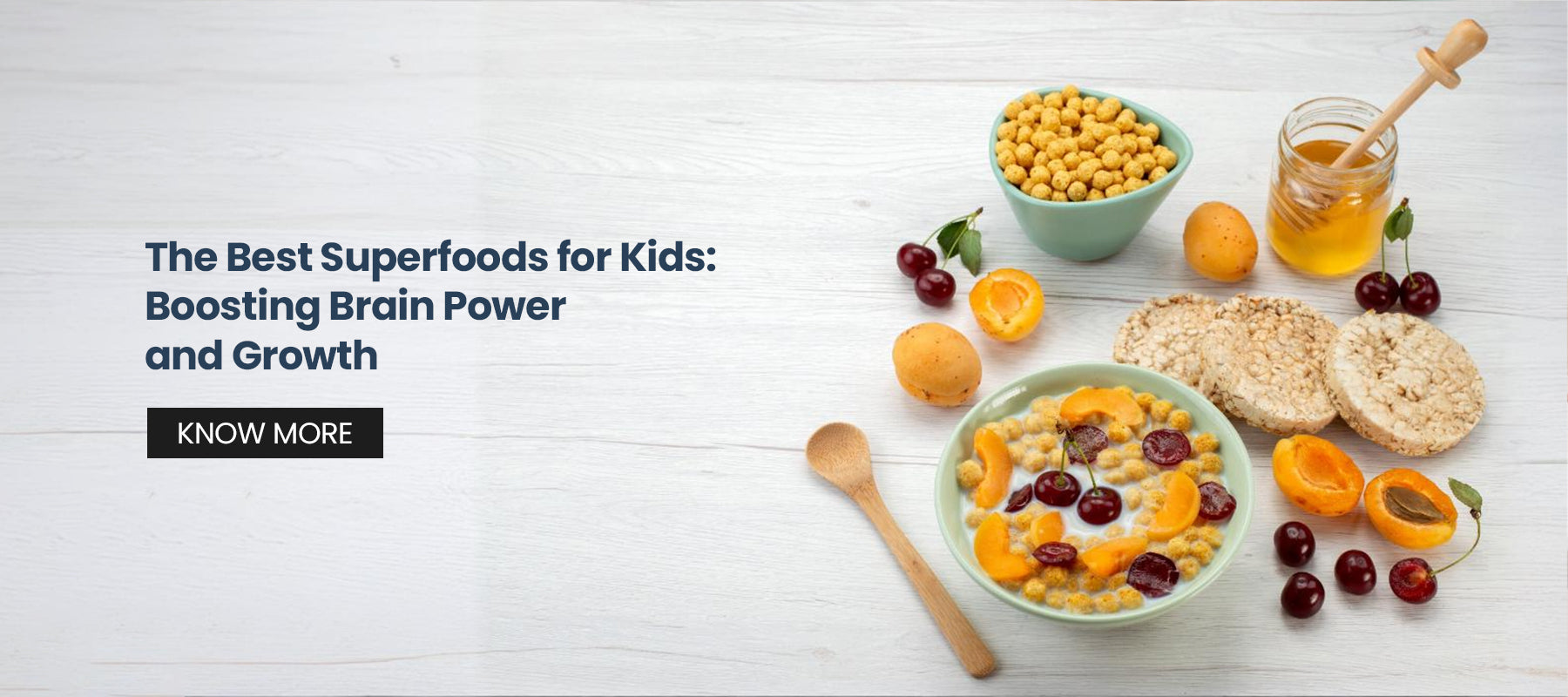
Nutrition is vital in healthy brain growth and function, especially for younger children. Pediatricians believe the brain develops more quickly in the first 1,000 days than at any other time in a person’s life. Food provides the fuel that drives healthy brain development.
If you have children, knowing what baby brain food you can feed them is crucial to ensure they’re well-nourished. As your child continues to grow and reach adolescence, their brain continues to develop, particularly in the brain's prefrontal cortex. This part of the brain is associated with memory, decision-making, and other executive functions.
In this article, we have listed the 10 best superfoods for kids that can help boost their brain and memory power.
1. Seafood
Nutrients: Protein, omega-3 fatty acids, zinc, iodine, and minerals
Benefits: It supports normal brain development. This food source promotes cognitive ability, enhancing mental sharpness.
Fish and seafood are excellent brain foods for children. They are rich in nutrients that ensure healthy functioning of the brain and, therefore, proper development. Iodine is used in the production of thyroid hormones, which also controls the healthy functioning of the brain. Consuming fish enhances mental acuity and brain health due to the high levels of omega-3 fatty acids.

2. Wholegrains
Nutrients: Vitamin B.
Benefits: It decreases the inflammation in the brain, supports sensory retention, and also aids learning ability.
Wholegrains, like oats, barley, and quinoa, contain vitamin B, which decreases inflammation in the brain. It also provides a steady flow of energy, keeping your child mentally alert throughout the day without sudden spikes in blood sugar levels.
Related Blog: Feeding Time for Newborns: Understanding Your Baby's Hunger Signals
3. Eggs
Nutrients: Choline, vitamin B12, protein, and selenium.
Benefits: It supports the development of the brain, improves memory, and enhances cognitive functions.
Eggs are rich in nutrients that have a significant role in brain development and cognitive functions. Choline, for example, is vital in the production of acetylcholine, which is a neurotransmitter responsible for memory, mood, and intelligence. Intake of choline has been associated with better memory, processing, and holding capacity for attention.
4. Cocoa
Nutrients: Flavonoids, magnesium, calcium, potassium, iron, copper, and zinc.
Benefits: It enhances blood flow to the brain, improves mental state and focus, and has antioxidant effects.
Raw cocoa is a baby brain food rich in flavonoids that improve blood flow to the brain and increase oxygen intake. It leads to great improvements in mental state and focus. Cocoa also contains minerals necessary for optimizing brain function and preserving memory. Serotonin, a hormone that regulates mood, is also found in cocoa.
5. Beans
Nutrients: Zinc, fiber, protein, and ALA omega-3 fatty acids.
Benefits: Supports brain development, gives sustained energy, and fuels brain functions.
Beans are rich in zinc, which is critical for the development and growth of a child's brain. They are great brain foods for children that also provide sustained energy and help keep you satiated for longer. Navy and kidney beans are rich in ALA omega-3 fatty acids, which promote brain growth and function.

6. Lentils
Nutrients: B vitamin folate and zinc.
Benefits: Improves cognitive function, supports healthy brain activity, and encourages normal development in children.
Lentils are rich in B vitamin folate, which has been proven to enhance cognitive performance. They contain high levels of zinc, which is crucial for the healthy development of the brain and normal growth in children. In addition, they have low-calorie content but are rich in minerals and vitamins, making them a great nutritional powerhouse.
Must Read: Common Baby-Related Concerns of the New Mother
7. Nuts and Seeds
Nutrients: Protein, essential fatty acids, vitamin E, B group vitamins, iron, and zinc.
Benefits: Improves cognitive function, supports healthy brain function, and lowers stress levels.
Nuts and seeds contain many nutrients linked to improved cognitive function. They also contain unsaturated fats, which may improve blood cholesterol levels and relax blood vessels, leading to better heart and mental health. High alpha-linolenic acid (ALA) walnuts have been associated with better brain health and lower blood pressure.
8. Turmeric
Nutrients: Curcumin.
Benefits: Anti-inflammatory properties, boosts brain function, and enhances learning ability.
Turmeric is widely known as one of the best superfoods for kids for its anti-inflammatory properties. Many cultures dating back to history have reported that turmeric is an essential food ingredient because of its healing properties. It is also considered an excellent spice for its positive effects on the brain. Turmeric may help children develop their brains and improve their learning ability in class.
9. Leafy Greens
Nutrients: Folate, flavonoids, carotenoids, and vitamins E and K1.
Benefits: This helps to protect brain cells, improve healthy brain functioning, and slow cognitive decline.
It is quite tough to make your child take his or her leafy greens. Still, most pediatricians always advise parents to introduce these green vegetables into children's diets since they are good for the brain. Green leafy vegetables such as spinach, kale, and lettuce have compounds that protect the cells of the brain. They are the recommended food for child's brain development to help boost healthy brain function in young children and adolescents.
10. Berries
Nutrients: Includes antioxidants, flavonoids, and anthocyanins.
Benefits: Improve the immune system, build new nerve cells, and protect healthy cells from damage.
The berries have antioxidant properties that promote your natural immune system and brain health. They also help increase blood flow in the brain, which induces the production of new nerve cells and helps in learning and memory retention. Moreover, they have anti-inflammatory effects and help in the expression of proteins such as brain-derived neurotrophic factor (BDNF), which is associated with learning and memory retention.

Little Rituals: The Best Care for Your Baby's Skin
As you attempt to introduce the best food for child's brain development into their diet, you might also find some recipes to make them really delicious. This will prompt your child to eat more of those foods that are good for keeping their brain healthy, making the experience more fun.
In addition to providing your child with the best nutrition, it's also important to take care of their skin. Little Rituals offers MADE SAFE USA-certified products perfect for your baby’s skincare needs. These products are safe, gentle, and effective, ensuring your child’s skin remains healthy and protected.
Remember, healthy food for child's brain development and proper skin care are essential for ensuring your child's overall well-being.