Do Babies Need Sunscreen in Winter? The Truth About Year-Round Sun Protection
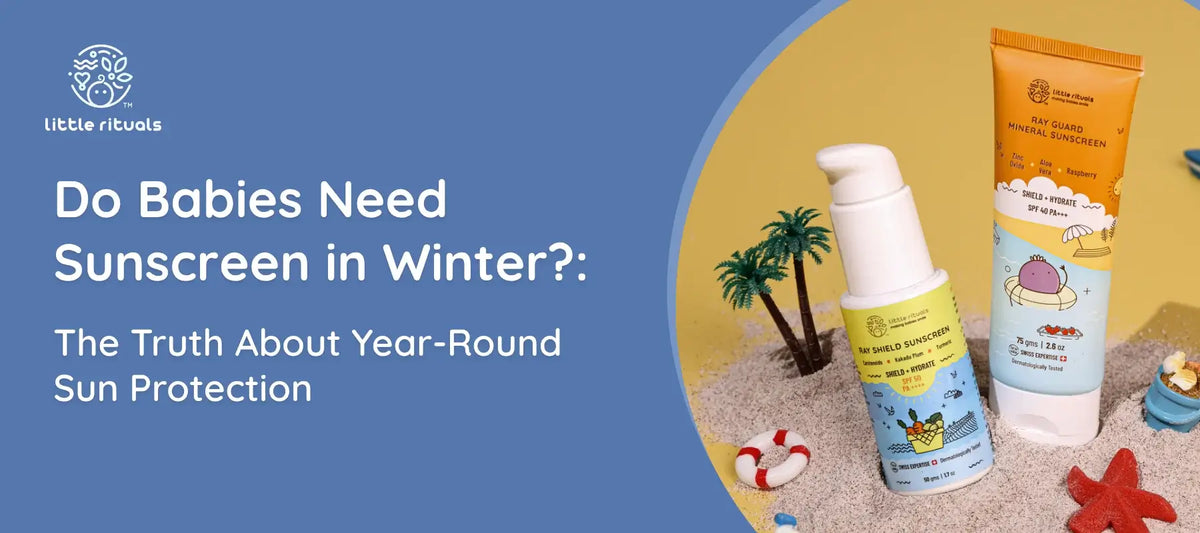
Yes, babies need sunscreen in winter. UV rays are present year-round and can penetrate clouds, haze, and pollution, putting delicate baby skin at risk of sunburn, dryness, and long-term damage. Using a gentle, mineral-based sunscreen, along with protective clothing and shade, ensures safe, effective year-round protection for children.
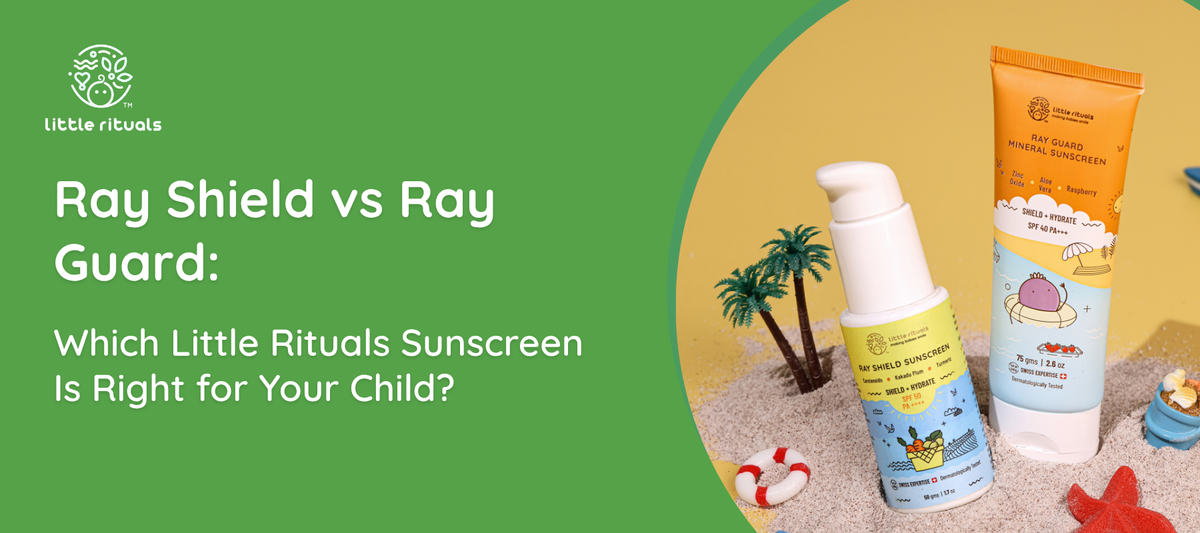
Many parents believe sunscreen is only necessary during the summer months, but this is a common misconception. Do babies need sunscreen in winter? The answer is a resounding yes. Winter sunlight, though cooler, still emits harmful UVA and UVB rays that can affect thin and sensitive baby skin. Babies’ skin is naturally more delicate than adults', making it highly vulnerable to UV-related damage and dryness. Incorporating a reliable product like Little Rituals Ray Shield Baby Sunscreen into your daily routine ensures your baby’s skin stays protected while maintaining hydration. In India, where sun exposure can remain significant even in winter, building a year-round sunscreen children routine is vital for long-term skin health.
Do Babies Need Sunscreen in Winter?
The first question every parent asks is: Do babies need sunscreen in winter? The answer is yes. Many believe that cold weather and shorter daylight hours reduce the need for sun protection, but UV radiation does not follow seasonal trends. Babies’ skin has less melanin, making it more sensitive to UV rays. Even on cloudy or foggy days, up to 80 percent of UV rays pass through the clouds and can damage delicate skin. Babies playing outdoors, even for a short period, can experience redness, irritation, and in some cases, sunburn.
Winter sunlight, combined with dry air, can compromise the skin barrier, causing irritation and increasing long-term vulnerability. Using a gentle, broad-spectrum sunscreen such as Ray Shield Baby Sunscreen provides a protective layer on the skin, reflecting harmful rays while keeping skin hydrated. By asking if babies need sunscreen in winter, parents take the first step toward building a year-round sunscreen children habit that ensures lasting protection.
Winter Sun Can Still Damage Baby Skin
UV rays are not blocked by clouds, mist, or pollution. This means that babies are at risk even on overcast or cold days. Factors that increase winter sun damage include:
- Clouds do not block harmful UVA and UVB rays
- Reflections from surfaces such as snow, concrete, or water amplify exposure
- Winter outdoor activities, like park walks or strolls, increase time spent under UV rays
- Babies’ skin contains less melanin, providing little natural protection
Parents often underestimate winter sun, but the risks are real. Consistent use of sunscreen designed for sensitive skin protects the skin barrier, reduces irritation, and prevents long-term damage. For further care, following baby skin care tips can help maintain health during these months.

Why Baby Skin Is More Sensitive Than Adult Skin
Babies’ skin is structurally different from adult skin. Key differences include:
- The skin barrier is thinner, allowing UV rays and irritants to penetrate more easily
- Babies have higher moisture loss, making their skin dry and prone to irritation
- Their skin is more reactive to UV radiation, increasing the risk of burns and long-term damage
By recognizing these differences, parents can understand why the question of whether babies need sunscreen in winter is more than theoretical, it is essential for daily skin care and protection.
Why Sunscreen for Kids in Winter Is Important in India
India’s Winter Sun Still Has Strong UV Levels
Even in winter, several regions in India experience moderate to high UV exposure. Factors include:
- Many areas maintain a UV index of 4 to 6, sufficient to cause damage
- UV rays penetrate haze, fog, and air pollution commonly present in urban and northern regions
- Outdoor activities like morning walks or playtime in parks can expose children to harmful rays, Using high-quality baby products during this time is essential for protection.
Parents often overlook these risks during colder months, but consistent sunscreen application is necessary to reduce potential damage.
Winter Dryness Makes Baby Skin More Vulnerable
In winter, cold air reduces skin moisture, weakening the natural barrier. When combined with UV exposure, babies’ skin is more likely to become dry, irritated, or red. Using sunscreen protects the skin barrier while blocking harmful rays, and products enriched with antioxidants and soothing botanicals can help maintain skin health during harsh winter months.
When Should Babies Start Using Sunscreen?
Sunscreen Safety for Infants
For infants under six months, direct sun exposure should be avoided. Protective measures like shade, hats, long sleeves, and soft blankets are recommended instead of sunscreen. This helps reduce the risk of skin irritation while keeping the baby comfortable.
After 6 Months: Sunscreen Becomes Essential
After six months, daily exposure outdoors makes sunscreen critical. Pediatricians recommend gentle, broad-spectrum mineral sunscreens for babies at this age. Using sunscreen consistently helps establish a year-round sunscreen children routine that protects from UVA and UVB rays while supporting overall skin health.
What Type of Sunscreen Is Best for Babies?
Mineral vs Chemical Sunscreen
When choosing sunscreen for babies, it is important to understand the difference:
- Mineral sunscreen reflects UV rays and stays on the skin surface
- Chemical sunscreen absorbs UV rays and may penetrate the skin
- Mineral formulas are preferred for babies due to a lower risk of irritation
Why Gentle Mineral-Based Protection Works Best
Mineral-based sunscreens are ideal for infants because they:
- Sit on the skin’s surface without absorption
- Cause minimal irritation
- Protect the skin barrier effectively
- Allow parents to safely maintain a year-round sunscreen routine for children
This safety and efficacy are what parents look for in new born baby products as their child grows.
Ingredients Parents Should Look for in Baby Sunscreen
Skin-Protecting Antioxidants
- Carotenoids
- Green tea extract
- Vitamin E
These ingredients help neutralize free radicals caused by UV exposure, reducing oxidative stress and long-term skin damage.
Soothing Natural Ingredients
- Aloe vera
- Chamomile
- Cucumber extract
These botanicals help calm sensitive skin, reduce redness, and maintain hydration.
Ingredients to Avoid
- Oxybenzone
- Octinoxate
- Harsh chemical filters
Avoiding harmful chemicals ensures safe, irritation-free daily use for infants and young children.
Building a Year-Round Sunscreen Routine for Children
Daily Winter Protection Tips
- Apply sunscreen 15–20 minutes before heading outdoors
- Cover all exposed areas, including face, ears, neck, arms, and legs
- Reapply every 2–3 hours when outside
- Use hats, shade, and protective clothing in combination with sunscreen
Make Sunscreen a Daily Ritual
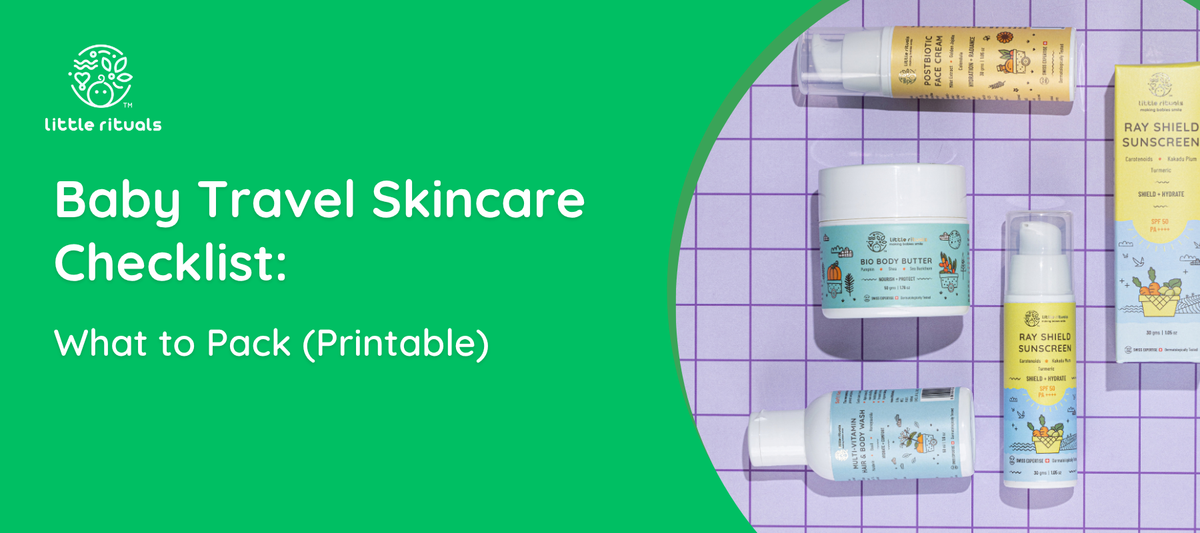
Incorporating sunscreen into the morning routine ensures consistency. Pair sunscreen application with other daily baby care steps such as moisturizing or dressing, so it becomes a habit. A gentle product like Ray Shield Baby Sunscreen is perfect for this daily routine, providing effective protection without leaving a white cast or causing discomfort. Such essentials are often found in a baby gift box, baby gift hamper, or new born baby gift hamper.
Why Parents Love the Little Rituals Ray Shield Baby Sunscreen
Ray Shield Baby Sunscreen is specially formulated for babies with delicate skin. Its benefits include:
- Broad-spectrum protection (SPF 50 PA++++) against UVA, UVB, and environmental blue light
- Suitable for babies (3+ months)
- Toxin-free, gentle formula without harmful chemical filters
- Enriched with plant-based actives like Kakadu Plum, Carotenoids, and Turmeric
- Clinically tested and fast-absorbing for daily use
- Protects the skin barrier, fights oxidative stress, and soothes sensitive skin
This makes it an excellent choice for parents asking if babies need sunscreen in winter and looking for a product suitable for year-round sunscreen children routines. It even supports overall scalp health, which is important for baby hair growth.
How to Apply Sunscreen on Babies Properly
- Apply sunscreen 15–20 minutes before sun exposure
- Cover the face, ears, neck, arms, and legs thoroughly
- Reapply every 2–3 hours during outdoor activity
- Combine with hats, shade, and protective clothing for maximum protection
Final Thoughts: Winter Sun Protection Matters
Do babies need sunscreen in winter? Absolutely. Winter UV rays are often underestimated, but consistent protection helps prevent irritation, sunburn, and long-term damage. Once your baby is protected and ready for the day, you can add final touches with cute baby girl hair accessories. A gentle, mineral-based sunscreen combined with protective clothing forms the foundation of a year-round sunscreen children routine. Using products like Ray Shield Baby Sunscreen ensures your child’s delicate skin remains safe, hydrated, and healthy, no matter the season.
Frequently Asked Questions
Q1. How often should I apply sunscreen on my baby in winter?
Apply sunscreen 15–20 minutes before sun exposure. Reapply every 2–3 hours outdoors and immediately after swimming or heavy sweating to ensure continuous protection.
Q2. Can babies get sunburned in winter?
Yes, babies can get sunburned in winter. Up to 80 percent of harmful UV rays pass through clouds and haze, making winter sun capable of damaging sensitive skin.
Q3. Is mineral sunscreen safe for infants?
Yes, mineral sunscreens containing zinc oxide or titanium dioxide are safe for infants. They sit on the skin surface, reflect UV rays, and are less likely to cause irritation than chemical sunscreens.
Q4. Will sunscreen prevent skin dryness in winter?
Sunscreen protects the skin barrier from UV-induced damage, which can worsen winter dryness. Using it alongside moisturizers ensures optimal hydration and protection.
Q5. What is the best sunscreen for kids in winter India?
A gentle, mineral-based sunscreen enriched with antioxidants and soothing botanical ingredients is ideal. It offers broad-spectrum protection, maintains skin hydration, and is safe for daily use.
Q6. Why do babies need sunscreen in winter?
Even in winter, UV rays penetrate clouds and haze. Babies’ thin, sensitive skin is more susceptible to burns, dryness, and long-term damage, making year-round protection essential.
Q7. How can I make sunscreen a daily habit for my child?
Incorporate sunscreen into the morning routine after bathing. Apply before dressing the baby, making it a consistent part of daily care for long-term skin health.
Q8. Can winter sun cause long-term skin damage in babies?
Yes. UV exposure, even in winter, can contribute to early skin aging, pigmentation issues, and increased sensitivity over time. Consistent use of sunscreen prevents these risks.