Infant Microbiome: What Is It And Why Does It Matter?
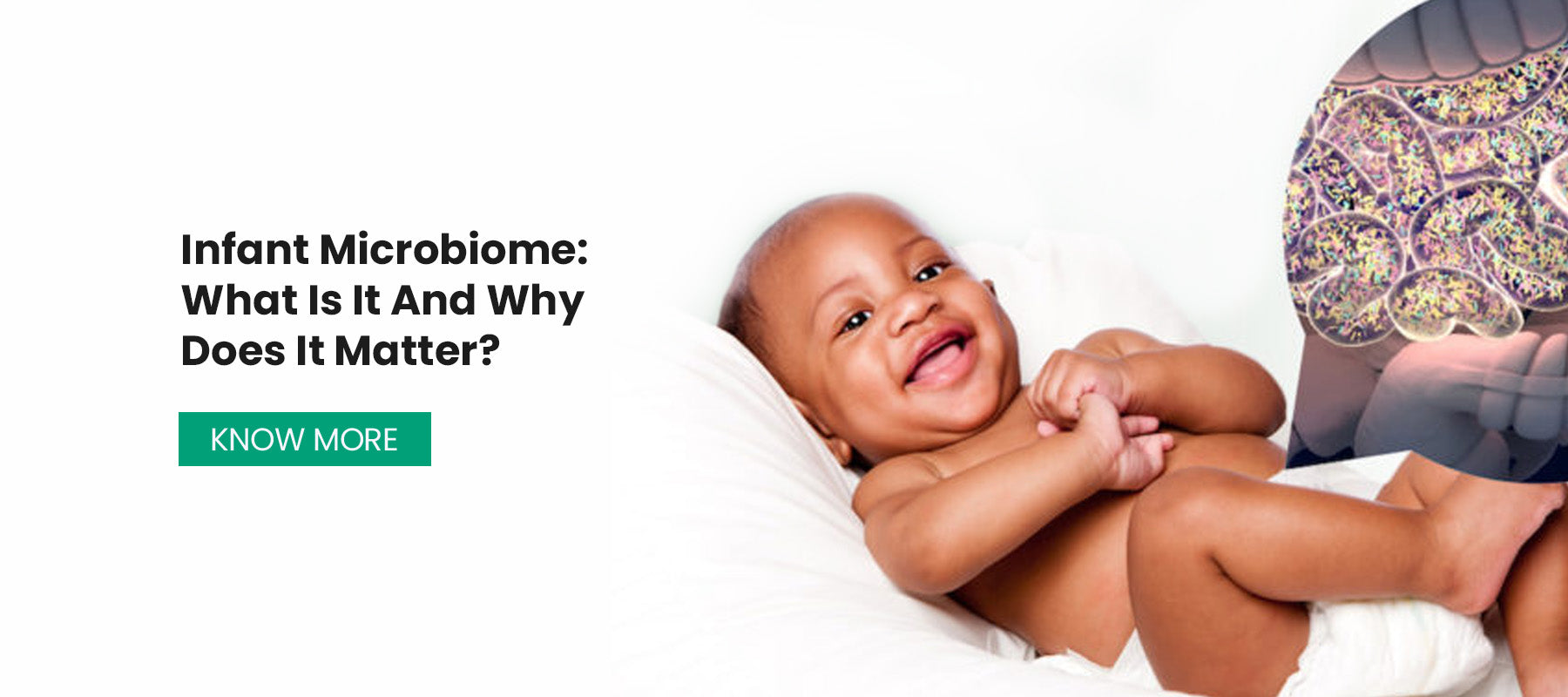
Trillions of microorganisms inhabit the human body in a community called the microbiome. While much attention has gone to the adult microbiome, the infant microbiome is equally, if not more, important in the view of early development going hand in glove with long-term health outcomes.
Here, we are going to look at what the infant microbiome is, what is the role of the microbiome in infant health, and how parents can support its healthy development.

What Is the Infant Microbiome?
The infant microbiome consists of the population of microorganisms colonizing the body of a baby, most highly concentrated in the gut, skin, and oral cavity. Other than immediacy, babies are born into a somewhat sterile environment and start their developmental process associated with their microbiome after birth.
Many factors will influence early colonization, including:
- Mode of Delivery: Babies born through the vagina during delivery are exposed to the mother's vaginal and intestinal microbiota, which is advantageous in the formation of a more diverse and beneficial microbiome. Conversely, cesarean-delivered babies are usually colonized by skin-associated microbes. The microbial diversity and composition differ regarding the mode of delivery.
- Breastfeeding: Through breast milk, the infant is exposed to useful bacteria and prebiotics to help grow a healthy gut microbiome. Infants fed with breast milk have a higher diversity and stability in their microbiome compared to other types of feeding.
- Environmental Exposures: Antibiotic use, the presence of pets in the home, and even the cleanliness of the home can be influential in developing the infant microbiome. Early exposure to a variety of microbes can aid the immune system in defending against allergies and autoimmune diseases.
Must Read: Common Health Issues In Newborns and Infants with Solutions
What Is the Role of Microbiome in Infant Health?
The infant microbiome matters for several important features of health and development. Here is the role of microbiome in infant health:
- Immune System Development: A diverse and balanced microbiome trains the immune system in the distinction between harmless and injurious components, consequently reducing the risk of allergies, asthma, and several other conditions related to immunity.
- Digestive Health: The gut microbiome in newborns aids in the digestion and absorption of nutrition for growth and development. The gut microbiota provides a barrier against gastrointestinal infections through the principle of outcompeting pathogens.
- Mental Health: Accumulating evidence suggests that the gut microbiome influences brain development and function. A healthy microbiome is associated with superior mood regulation and cognitive function.
- Long-term Health: Early microbial colonization can have lifelong consequences for health. Diversity of the microbiome during infancy may reduce the risk of chronic diseases in later life, including obesity, diabetes, and inflammatory bowel disease.
Supporting a Healthy Infant Microbiome
As a parent, there are several steps one can take to support a healthy microbiome for one's baby. These include:
- Breastfeeding: When possible, breastfeed your baby to provide them with valuable bacteria and prebiotics that fuel gut microbiome health.
- Vaginal Delivery: When medically possible, provide a vaginal birth for your baby as the initial introduction of healthy microbes at birth.
- Limit Antibiotics: Limit the use of antibiotics, as this can offset the microbial balance. When one needs to use antibiotics, restoring microbial diversity with the help of probiotics may be considered.
- Wholesome diet: The baby starts with solid foods; therefore, exposure to a variety of fruits, vegetables, and whole grains will help increase the gut microbiome.
- Skin-to-Skin Contact: Provide skin-to-skin contact to transfer good microbes from the parents to the baby, which will help establish a healthy skin microbiome.
Bathing and Skincare
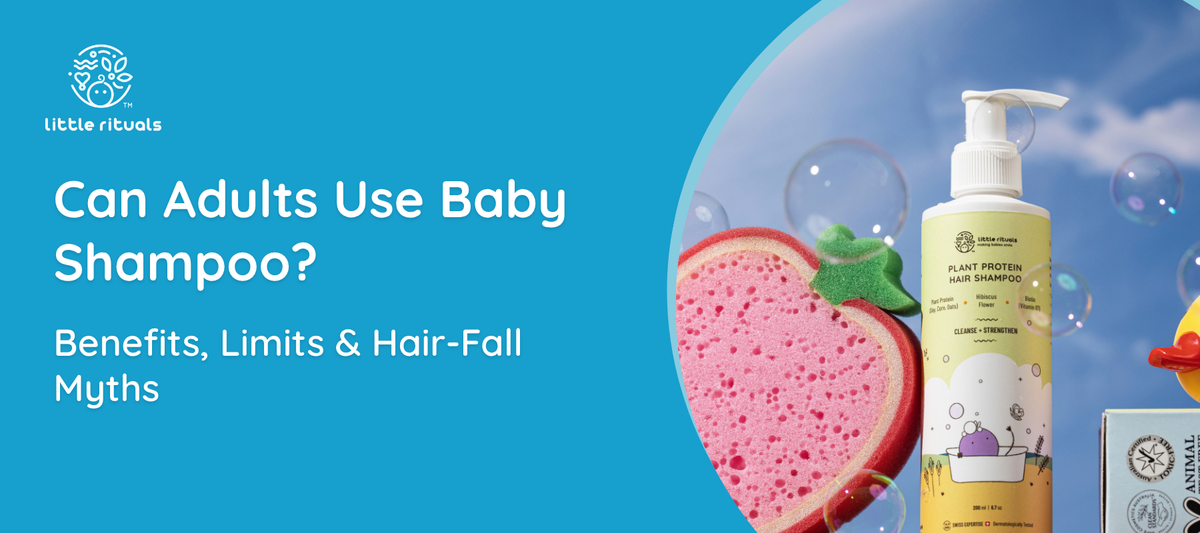
Bathing falls under the broad category of infant care; however, it is best done using gentle, microbiome-friendly products. Harsh soaps and shampoos strip away good microbes along with natural oils in the skin. Products should be specifically formulated for babies' delicate skin.
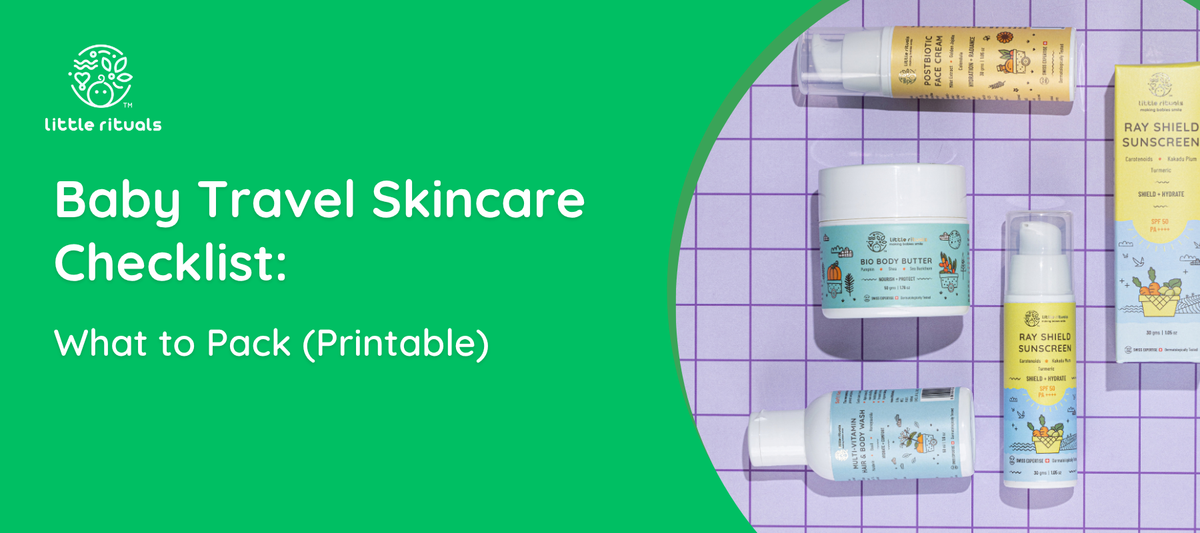
Little Rituals Multi-Vitamin Hair & Body Wash is one of the finest ranges during bath time for your baby. This tear-free, pH-balanced formula is designed with quality plant-based ingredients that ensure effective cleaning without stripping off natural oils. It is dermatologically tested and suitable for newborns to keep your baby's skin moisturized and healthy.
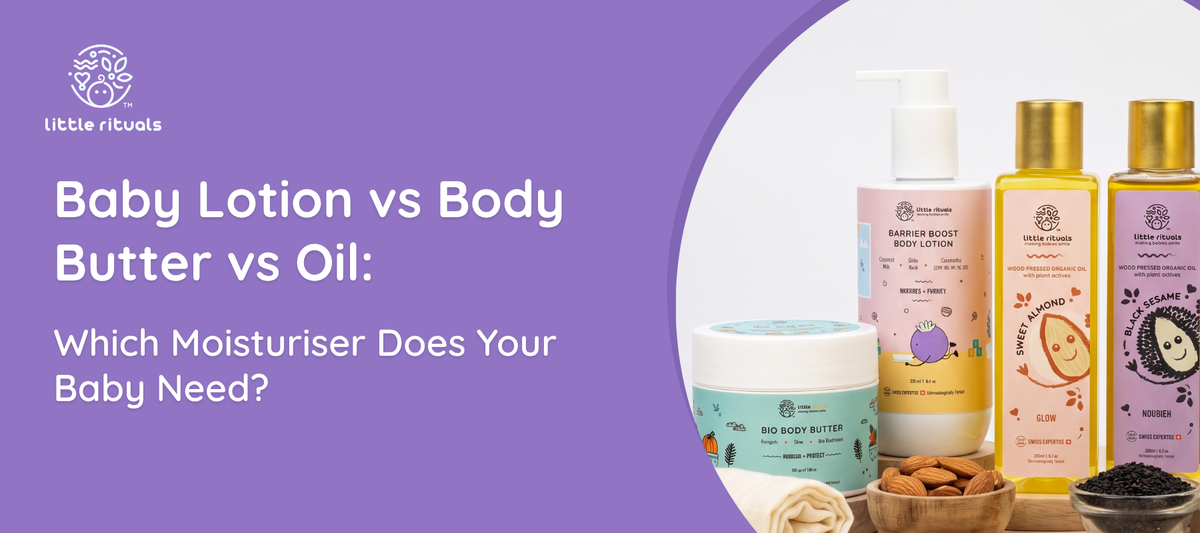
Complementing the Multi-Vitamin Hair & Body Wash, Little Rituals designs a product line nurturing your baby's general well-being. Little Rituals Barrier Boost Baby Body Lotion locks in moisture for 72 hours, ensuring long-lasting hydration. It is specially designed to offer instant relief from dryness and discomfort with just a single application. Its gentle, hypoallergenic formula is dermatologist-tested and safe for even the most sensitive skin, providing all-day hydration and protection without irritation.
Additionally, Little Rituals Wood Cold Pressed Organic Sweet Almond Oil is rich in vitamins for healthy skin development. The oil is sourced from the finest California almonds. It has vitamins A, E, B1, and B6 that give unparalleled nourishment and care to your baby's delicate skin. It is used to support overall skin and hair health.
Related Read: Nurturing tender skin: Winter care for a baby's skin
The Bottom Line
The microbiome has a very major role in the early development of an infant, right from immune function to mental health. You must understand the relationship between childhood development and the microbiome. Doing so will help take supportive actions toward its healthy development. It is the best thing parents can do to set up your baby for long-term health and well-being.
And remember, keep your baby's skin healthy with dermatologically tested products like Little Rituals Multi-Vitamin Hair & Body Wash and Little Rituals Barrier Boost Baby Body Lotion. These products are very gentle and effective on your baby’s sensitive skin. For better results, you can consult your pediatrician. Contact Us now to get the best deals.