Is Your Baby Suffering from a Dry Scalp? – Causes & Treatment

The baby's skin is susceptible, and it becomes more in winter. As the skin of a newborn is very delicate, they need special & gentle care all the time. External factors affect your baby with the blink of an eye, and they tend to get red rashes, dryness, and dry scalp where they have excessive white & yellow scalp layer.
But what are the causes, symptoms, and best ways to treat dry scalp in babies at once?
Causes of Dry Scalp in Babies
Well, the root cause behind dry scalp in babies isn't stated. Several reasons might cause the problem, such as,
- Harsh weather (hot, cold temperatures, powerful winds, etc.)
- Sunburn on Baby's head
- Long baths or cleaning head with too hot water
- Strong shampoos & soaps
- Failing to rinse the baby shampoo out of the child's hair
There are many theories about cradle caps, one of which results from a problem with sebaceous glands on the child's head. These glands release sebum (natural oil in the human body to protect & moisturize skin).
Excessive sebum can harden & form into small clusters. Moreover, if the sebaceous glands become clogged, the oil can solidify in the pores of the head of your little ones.
Another common cause is hygiene issues or inadequate bathing. This can also be the possible cause of cradle cap, known as a strain of yeast called Malassezia.
Symptoms of Dry Scalp
Babies can develop dry scalps from 2 weeks to 12 months of age. Here are common symptoms that indicate your baby has a dry scalp:
- Dry skin flakes on the scalp
- Little redness
- A white or yellow thick layer
- Scaly or rough skin
Best Ways to Treat Dry Scalp
A baby's dry scalp can be treated within a few days or weeks. However, these simple home solutions will help you soon get rid of a dry scalp.
Coconut Oil Massage – Coconut oil has antifungal & antibacterial properties that help eliminate the risk of scalp infection. The flaky skin will start to vanish when you massage the scalp with coconut or sweet almond oil.
Use Anti-Dandruff Shampoos – Using anti-dandruff baby shampoo can help remove extra oil from the scalp and reduce dandruff. Eliminating dandruff can help your baby overcome the problem of a dry scalp. However, make sure to get pediatrician-recommended shampoo only.
Bathe your baby Regularly – Daily baths are beneficial to treat the baby's sensitive scalp area. Remember not to use too hot water to wash your baby's head.
Keep Baths Short – Long baths can remove all the sebum from the skin & scalp of your baby, leaving them vulnerable to dryness. Limit the bath time to 10 minutes or shorter.
Use Gentle Products – Several products are too harsh on the skin. Make sure to use only those products that are safe for babies or recommended by the pediatrician.
Time to Say Goodbye to your Baby's Dry Scalp with Little Rituals
Your child is more precious than anything else in the world. By taking some special care, you can treat & prevent the scalp of your baby from becoming dry.
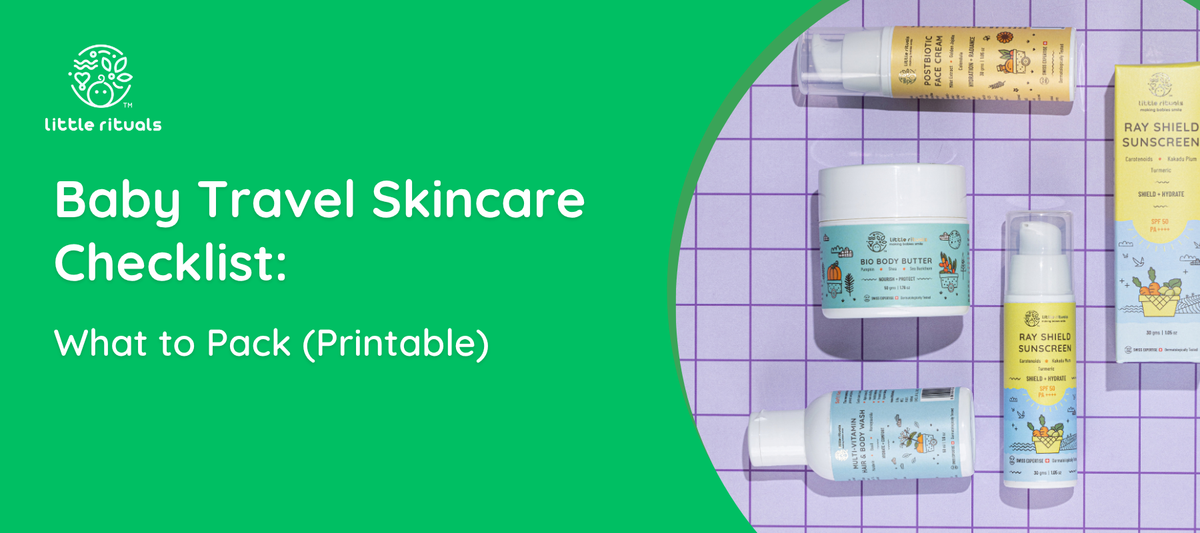
You can use our multivitamin hair wash for Baby that is clinically tested and claims to improve scalp & hair condition and visible improvement in flaky skin. The best thing is that body wash is infused with plant actives, certified organic, and dermatologically tested.