Why Are Perfume Fragrances Bad for Baby Skin?
Many products include artificial fragrances, including detergents, bathing soaps, candles, shampoo, body lotions, perfumes, and oils. But have you ever thought about whether these are safe for your infants or not? In this post, we'll discuss why artificial fragrances are not suitable for your baby's skin and what you should use instead.
Let's read on.
Concerns with Artificial Scented Products
Chemically fragranced cosmetic and skin care products may cause many problems for a child's developing body. The items with "fragrance" written on the label may contain hundreds of chemical substances, such as phthalates, alkylphenols, ethanol, acetone, and other substances.
A baby's skin is sensitive and soft and has enough time to mature. These chemicals harm the baby's skin by getting absorbed in it.
The following health problems may arise in a newborn as a result of these dangerous chemicals by fragranced products:
- Chest allergies
- Skin allergies
- Headaches
- Irritation in the eyes, nose, or throat
- Nausea
- Behavioral symptoms
Adverse Health Effects of Different Artificial Fragranced Elements on Babies
According to recent research, kids under 10 are at high risk of the following health issues.
- The increasing likelihood of allergic reactions to airborne particles. Children inhale a more significant concentration of fragranced products than adults breathing for one minute. Additionally, fragranced soaps, powders, and shampoos that cause the body to metabolize these chemicals expose babies to phthalates.
- Phthalates harm a child's developing nervous system because they raise the likelihood of allergies and chest infections. This also impacts the baby's reproductive system.
- Children can't detoxify the chemical the same way adults can.
- Even many years later, exposure to fragrances during pregnancy has several adverse effects on a child's health. Numerous behavioral symptoms, including anger, anxiety, and mood swings, may be brought on by such chemicals.
How to Reduce the Effect of Fragrances on Babies?
There are several ways to reduce the exposure of these fragranced products from babies.
- Ensure to buy only the natural products that are artificial fragrances by checking the label
- Never use air-freshener or other fragranced products nearby your babies.
- Always use wax & unscented candles around the baby.
- If you want to use perfumes & colognes, try to apply them away from your baby.
The Bottom Line
With a limited number of newborn skin care products, never use perfumes or artificial fragranced products on or around your babies. It's always good to use only natural products that are phthalate-free. To better understand related ingredients, you can also explore are parabens as harmful as fragrances. To play it safe, you can use our natural & organic plant-based oil for a baby free from harmful chemicals.
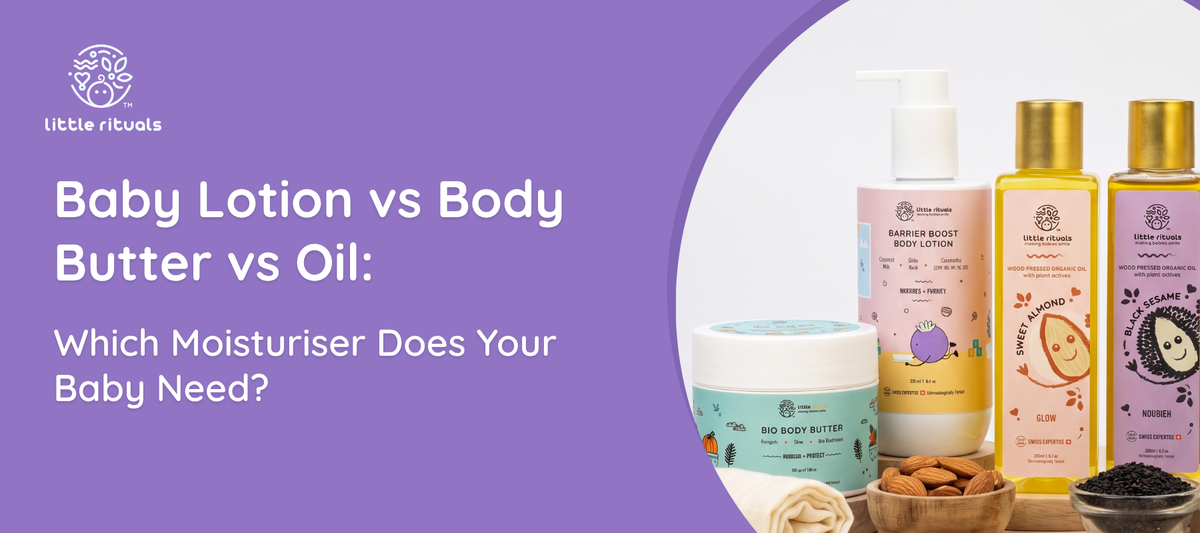
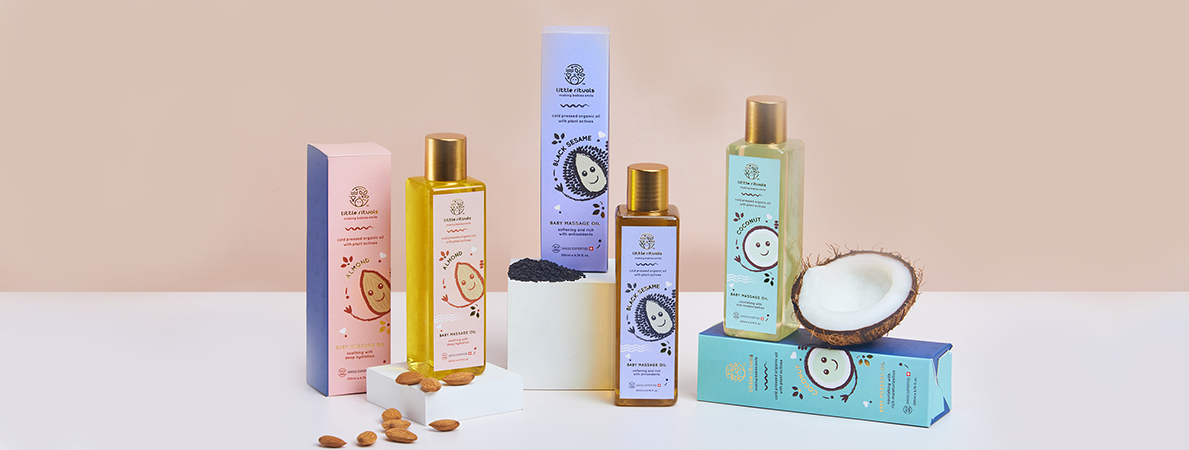
We at Little Rituals deal in cold-pressed organic massage oil for babies, such as sweet almond oil, natural coconut oil, and black sesame oil. So, you can use our natural massage oil free from any chemicals for maximum benefit to your baby.