Lotion on Newborn: Safe Application Tips and Recommendations
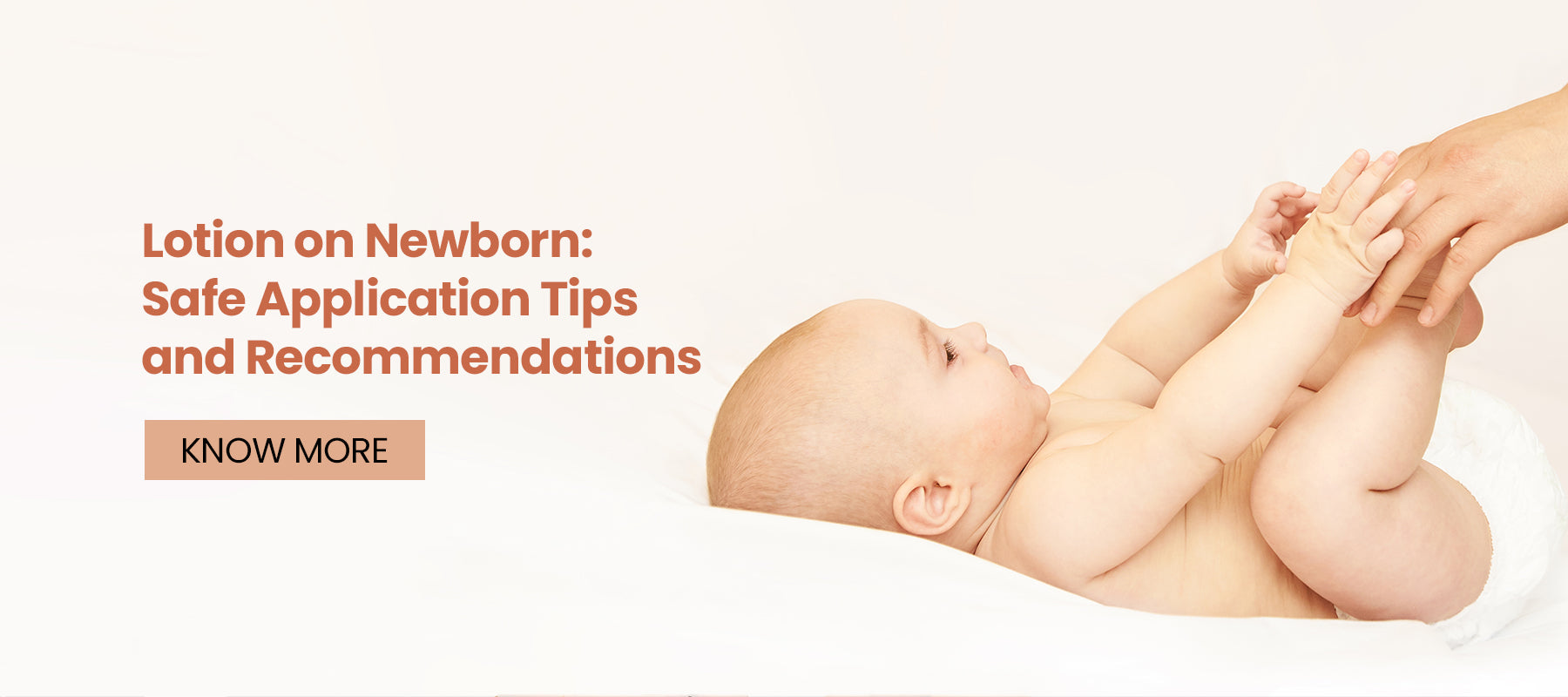
Welcoming a newborn is a joyous occasion, but caring for their delicate skin requires special attention. A newborn's skin is sensitive to dryness, irritation, and rashes. That’s why using lotion as part of a newborn baby skin care routine can be essential in keeping their skin soft, moisturized, and healthy. However, many new parents wonder how to choose suitable lotion and the best practices for application to ensure their baby’s skin remains nourished and protected. This article will walk you through helpful tips to apply baby lotion on newborns, choosing the safest baby skin care products, and selecting the perfect lotion for your newborn.

Why Moisturizing is Important for Newborns
Newborns often experience dry, flaky skin after birth due to their transition from the watery environment of the womb to the dry air outside. Additionally, a baby’s skin is much thinner than an adult’s, making it prone to dryness and irritation. Applying a gentle lotion as part of their newborn baby skin care routine can help retain moisture and soothe the skin, ensuring it remains soft and comfortable.
Must Read Blog: Winter Baby Care: Why pH 5.5 is Critical for Your Baby's Skin
Tips to Apply Baby Lotion on Newborns
Before discussing the best baby skin care products and how to choose a body lotion, let's go over essential tips to apply baby lotion on newborns to make sure the process is safe and effective:
-
Choose a Mild, Fragrance-Free Lotion
When selecting a lotion, ensure it’s mild, fragrance-free, and free from harsh chemicals. Newborns are susceptible to strong scents and chemicals, which can cause skin irritation or allergies. Look for lotions specifically labeled for newborns or sensitive skin. -
Test for Allergies First
Before applying any lotion to your baby’s skin, perform a small patch test on a small area of the skin, such as the inner wrist. Wait 24 hours to check for any reaction, like redness or itching. If your baby’s skin shows no signs of irritation, it should be safe to use the lotion. -
Apply After a Bath
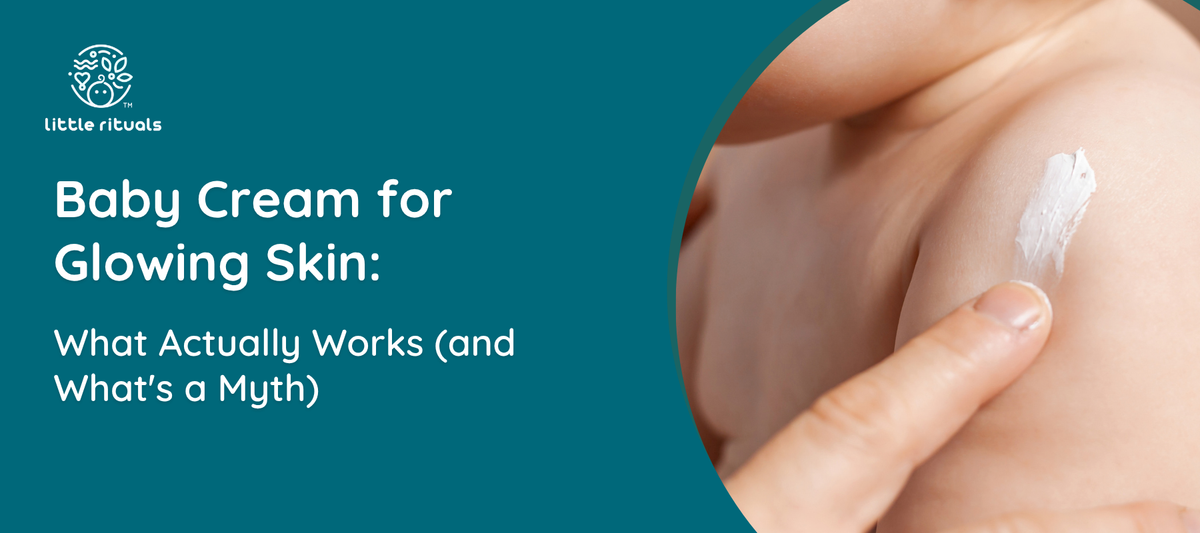
The best time to apply lotion is after a bath when your baby’s skin is slightly damp. This helps the lotion absorb more effectively and locks in the moisture. Use a soft, absorbent towel to gently pat dry your baby’s skin, leaving it moist. -
Use Gentle, Circular Motions
When applying lotion, use gentle, circular motions. Babies often enjoy gentle massages, which can be soothing for them. Avoid pressing too hard, as their skin is delicate, and always be gentle around sensitive areas, especially the face. -
Avoid Applying on Face and Hands
It’s best to avoid applying lotion directly to your baby’s face and hands, as babies tend to rub their faces and put their hands in their mouths. Instead, apply lotion on their body, arms, and legs.

Choosing a Body Lotion for Newborns
When choosing a body lotion for your newborn, there are a few factors to keep in mind to ensure safety and effectiveness. Here are some helpful pointers:
-
Read the Ingredients
Always check the ingredient list on baby lotions to ensure they don’t contain harsh chemicals like parabens, sulfates, or synthetic dyes. Opt for natural ingredients like aloe vera, shea butter, and chamomile, which are gentle on newborn skin. -
pH-Balanced and Hypoallergenic Products
Look for lotions labeled as “pH-balanced” and “hypoallergenic.” A pH-balanced lotion is designed to match the natural pH of the skin, which helps maintain the skin’s protective barrier. Hypoallergenic lotions are less likely to cause skin reactions, making them ideal for sensitive newborn skin. -
Stick to Baby-Specific Products
Avoid using lotions meant for adults, as they may contain strong fragrances or chemicals that can irritate a newborn’s skin. Choosing baby skin care products for infants ensures they are gentle and safe for delicate skin. -
Consider Your Baby’s Skin Type
Every baby’s skin is unique; some may have particularly dry or sensitive skin. Choose a lotion tailored to your baby’s skin type. For dehydrated skin, look for a creamier, more moisturizing formula, while lighter lotions are ideal for normal skin.

Baby Skin Care Products for a Newborn Baby Skin Care Routine
A consistent newborn baby skin care routine helps to protect and maintain the skin’s natural barrier. Beyond just lotion, it’s essential to use products like mild cleansers, baby oils, and moisturizers specially designed for baby skin. Here are some key steps to incorporate into your routine:
-
Gentle Bathing
Use lukewarm water and a mild, fragrance-free baby wash for your baby’s bath. Avoid harsh soaps, as they can strip the skin of its natural oils, leading to dryness. -
Moisturizing
As mentioned, apply a gentle baby lotion after each bath to lock in moisture and protect the skin. Make moisturizing a part of your daily newborn baby skin care routine to keep their skin soft and nourished. -
Avoid Over-Bathing
Newborns don’t need to be bathed every day. Bathing them two to three times a week is sufficient, as over-bathing can lead to skin dryness. On non-bath days, gently wipe their skin with a damp, soft cloth and follow up with lotion if needed. -
Keep an Eye on Skin Changes
Observe your baby’s skin regularly to catch any signs of dryness, rashes, or irritation early on. This can help you adjust your skincare routine or switch to different products.
Related Read Blog: Nurturing Your Baby’s Gut Microbiome: Ways to Support the Foundation of Vitality
Choosing Safe Baby Skin Care Products
When buying baby skin care products, prioritize safety and simplicity. Look for dermatologically tested products approved by pediatricians and specifically designed for babies. High-quality lotions and creams for babies are usually free of potential allergens and irritants, providing a safer skincare experience for your newborn.

Safe Lotions for Sensitive Skin
Newborns with susceptible skin may require special care. Choose lotions that focus on hydrating and soothing the skin without introducing irritants. Brands that emphasize hypoallergenic and natural formulations are often the best for sensitive skin.
Little Rituals: A Trusted Partner in Baby Skin Care
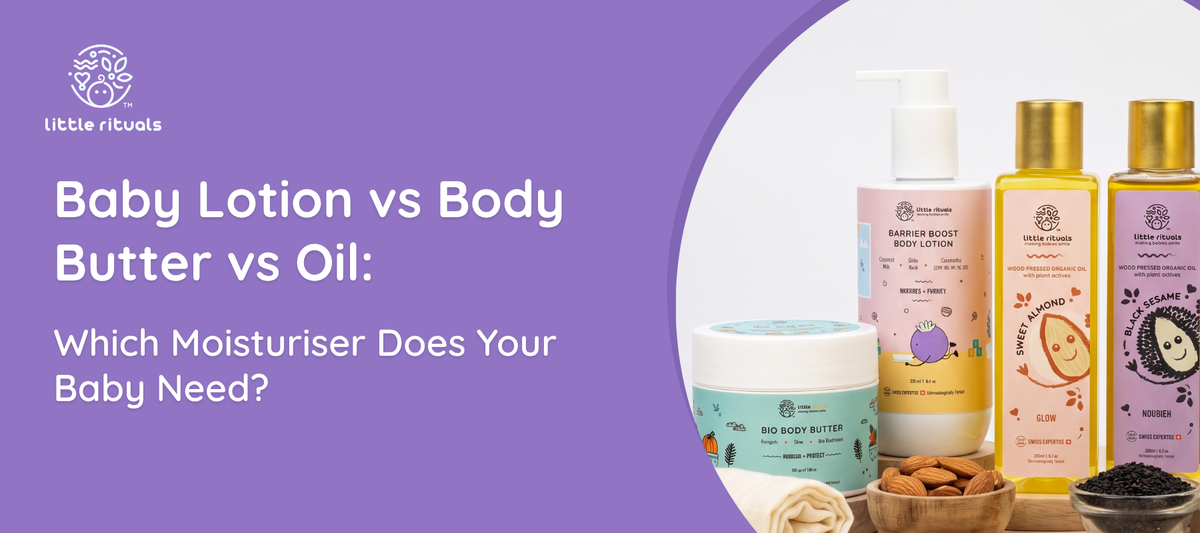
For parents looking for a reliable, gentle skincare option for their newborns, Little Rituals provides a range of thoughtfully crafted baby products that are safe, hypoallergenic, and nourishing. Their products are made with high-quality, natural ingredients that respect the delicate nature of a newborn’s skin. From body lotions to gentle bath products, Little Rituals offers everything you need to build a newborn baby skin care routine that prioritizes safety and comfort.
Little Rituals' commitment to creating baby-friendly formulas ensures your baby’s skin is in good hands. Their baby lotion, enriched with natural oils and free from harsh chemicals, is perfect for everyday use, providing gentle, lasting moisture. For parents seeking peace of mind and effective skincare for their little ones, Little Rituals is a trusted choice to keep your newborn’s skin healthy and soft.