Modern Parenting: Hair Wash Routine for Your Delicate Baby Scalp
Parenting is always about knowing what's best for your baby. Babies and their delicate skin and scalp require all the love and care we can give them. When considering baby care, hair care does not necessarily need to pop into your head. Still, when considering the grooming and hygiene of your baby, a proper hair wash routine for the baby's scalp must also come into play. Baby hair is soft, delicate, and tender to the touch; hence, gentle products and techniques must be used to maintain healthy and clean hair. In this blog, we shall discuss the importance of a hair wash routine with a baby's scalp, some tips on what type of baby shampoo to go for, and the best tips about baby hair care.

Why Baby Hair Care Shouldn't be Snickered at
A baby's scalp is considered very sensitive compared to an adult's, so use mild products and techniques to avoid irritating the scalp, causing dryness, or causing any other condition. Babies sometimes get cradle caps, dandruff, or an overly dry scalp; this will be painful if one does not use the correct treatment method. This is why a proper hair wash routine should be provided to keep the baby's scalp healthy from the early days.
The Ultimate Washing Hair Routine for Your Baby to Top it All
First, knowing when and how often to wash is the first step in learning how to care for your baby's hair. For most babies, it is enough to wash their hair 2-3 times a week. The scalp will be stripped of its natural oils if it gets too frequent. Here's a simple, easy step-by-step guide on creating a soothing and effective hair wash routine for baby scalp:
Prepare the Environment and Stuff Available
First, the environment must be calm and warm. Before you begin washing, gather a soft cloth to use on the baby's hair, a towel, and some mild baby shampoo. Make sure everything is within reach so that your baby feels comfortable and you do not feel drawn away from it.

Gently Wash the Hair
Lukewarm water is always used so as not to cause any discomfort for your baby. Run it over the scalp with a small cup or your hand, avoiding the eyes and ears. Keep the water cool and calm.
Apply Mild Baby Shampoo
Use an appropriate mild baby shampoo that is formulated for sensitive skin. Avoid using regular shampoo because it will be pretty intense, and there are chemicals and fragrances in regular shampoos that may not be gentle enough to be used on the sensitive scalp of a baby. Soft, mild shampoo for babies would clean the hair without pulling out its natural moisture balance. Take a small quantity of the shampoo, lather it with your hand, and gently massage your baby's scalp with your fingertips. Do not scrub very hard because the scalp skin is susceptible in babies.
Rinse Thoroughly
The second step is to rinse your hair thoroughly after lathering the shampoo. Make sure no residue is left on the scalp, as this can irritate it. Use lukewarm water while holding your baby's head straight with your hand and the neck.
Dry Gently
Once you have rinsed off the shampoo, gently pat the scalp and hair of your baby with a soft towel. Do not rub this, as it may irritate the scalp. For longer baby hair, you can detangle it gently using your fingers. Never have baby hair brushed with harsh brushes or combs since baby hair is very tender and may break easily.

Choosing the Finest Baby Hair Care Products
You need baby hair products when caring for your baby's hair since baby skin is sensitive and porous; any harsh chemical in adult products can cause rashes, dryness, and hair loss. That's why mild baby shampoo is a must-have in your baby care arsenal.
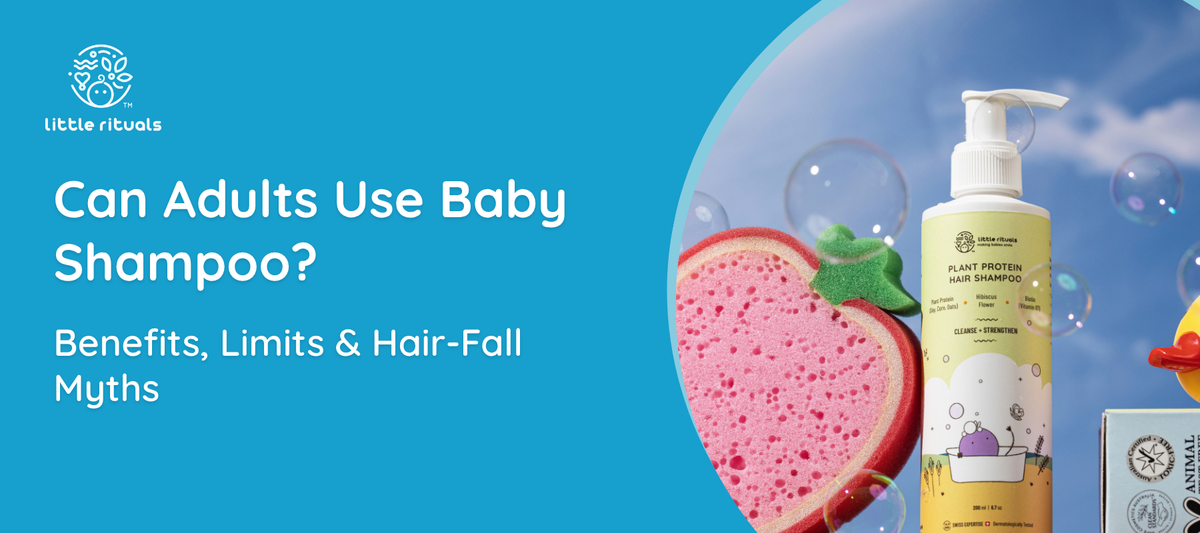
Infants will have their scalp's natural oils not stripped away by mild composition baby shampoo, and their hair will be kept soft and healthy. It is safe for babies with sensitive skin because it is mild and plant-based, without sulfates, parabens, and artificial fragrances. Don't forget to look for hypoallergenic and dermatologically tested to minimize the possibility of allergic reactions or irritation.
Aside from mild baby shampoo, you could add other items to the hair wash routine for baby scalp. For example, you could apply some baby oil lightly immediately after washing to soften the scalp and your baby's hair when your baby has dry skin. However, always consult with your pediatrician or dermatologist before introducing other products in your baby's scalp.
Baby Hair Care: Common Worries
While caring for baby hair appears to be common sense enough, many parents encounter a few common issues early in their baby's life. These include cradle caps, dandruff, or simply keeping their baby's hair from getting knotted or greasy.
- Cradle Cap:This is another prevalent condition in newborns and infants, with flaky, yellowish patches on the scalp. The cradle cap is harmless and usually disappears on its own. If you need to interfere with it, gentle washing with a mild baby shampoo can control it. If the condition persists, consult your pediatrician for further guidance.
- Dandruff: Although it is not very common in babies, it may occasionally appear. If your baby has the characteristic flaky scalp, keep the scalp clean and moisturized. Use a baby-friendly shampoo, and be sure to rinse thoroughly so that no residue is left behind.
- Tangles and Dryness: Some babies have longer hair that tangles easily. You can gently detangle your baby's hair after a bath using a soft, wide-tooth comb. Babies with dry scalps often benefit from moisturizing baby oil or cream to keep the region well hydrated.

Baby Hair Care Guide: Tips and Best Practices
Follow these further tips on how to care for your baby hair:
- Avoid Over-Washing: Too much shampooing of the baby's scalp will strip off its natural oils. According to your baby's requirements, washing should be done only 2-3 times a week.
- Dry With Patting and Not Rubbing: Pat your baby's hair dry with a soft towel after washing, instead of rubbing against the scalp, which may irritate it.
- Keep Baby's Hair Natural: Baby hair is naturally very soft and weak. Avoid using toxic styling products or brushes, and try to keep your baby's hair as natural as possible throughout their first year.
- Watch out for Skin Reactions: Always monitor your baby for any signs of irritation from a new product. If you notice redness, dryness, or a rash, stop the product immediately and consult your pediatrician.
The Right Products for Your Baby's Hair
Choosing baby hair care products requires a very gentle and chemical-free formulation. Baby hair care products from Little Rituals are the best for your baby's delicate scalp. Their gentle, mild baby shampoo does not contain sulfates and parabens and incorporates only natural soothing ingredients to make cleansing gentle for the hair. Little Rituals is designed to ensure the safety of your baby. Moreover, Little Rituals presents a practical, nurturing baby hair care approach.
Through its well-established baby hair care guide and commitment to quality, Little Rituals guarantees a peaceful, nurturing hair care routine for you and your baby. Choose Little Rituals for the gentle touch that your baby's hair deserves!