Organic vs Natural vs Regular Baby Products: What Indian Parents Should Know Guide
Choosing between organic, natural, and regular baby products starts with understanding what these labels actually mean. Organic products contain certified organic ingredients, natural products use ingredients derived from nature but may not be certified, while regular products can include both natural and synthetic ingredients. Reading ingredient lists and choosing transparent brands helps Indian parents make informed decisions for their baby's daily skincare routine.
As more parents look for gentle baby care, understanding the difference between Organic vs Natural Baby Products has become increasingly important. While these labels often appear similar, they don't always mean the same thing. This guide explains the differences, helps you read product labels with confidence, and shows how thoughtfully formulated products from Little Rituals can support your baby's everyday skincare routine.
Why Choosing the Right Baby Products Matters
A baby's skin is much thinner and more delicate than an adult's. During the first few years of life, the skin barrier is still developing, making it more prone to dryness and environmental stress. This is why choosing skincare products thoughtfully is an important part of everyday baby care.
Parents today are also more conscious about ingredient transparency. Labels such as "organic," "natural," and "chemical-free" have become common on baby care products, but these marketing terms can sometimes create confusion. Instead of relying only on the front of the packaging, it helps to understand what each term actually represents.
Making informed choices isn't about finding the "perfect" label. It's about selecting products from brands that clearly communicate their ingredients, formulation philosophy, and quality standards.
What Are Organic Baby Products?
Organic baby products are formulated using ingredients that are grown according to certified organic farming practices. Depending on the product, these ingredients may include organically cultivated plant oils, botanical extracts, and naturally derived moisturisers.
Unlike general marketing claims, the word "organic" is often supported by recognised certifications that verify how the ingredients were grown and processed.
Common organic ingredients used in baby care include:
- Organic Sweet Almond Oil
- Organic Coconut Oil
- Organic Black Sesame Oil
- Plant-based botanical extracts
Little Rituals embraces this philosophy through its Wood-Pressed Organic Sweet Almond Oil, Wood-Pressed Organic Coconut Oil, and Wood-Pressed Organic Black Sesame Oil, offering parents nourishing options for daily baby massage and skin care.
When comparing Organic vs Natural Baby Products, organic formulations generally place greater emphasis on certified sourcing and ingredient traceability.
What Are Natural Baby Products?
Natural baby products are typically made using ingredients derived from plants, minerals, or other naturally occurring sources. However, unlike organic products, the word "natural" does not have a universal certification standard in skincare.
Some natural ingredients may undergo processing before being included in formulations, and products labelled as natural can still contain selected synthetic ingredients for stability, preservation, or performance.
This doesn't automatically make a product less suitable. Instead, parents should focus on the complete ingredient list rather than relying solely on the word "natural."
Understanding Organic vs Natural Baby Products helps parents recognise that natural products may contain nature-derived ingredients without necessarily meeting organic certification requirements.
What Are Regular Baby Products?
Regular or conventional baby products are formulated using a combination of naturally derived and synthetic ingredients. Modern cosmetic science uses carefully selected ingredients to improve texture, shelf life, cleansing performance, and product stability.
It's important not to assume that every regular newborn baby products is unsafe. Many conventional baby care products undergo safety testing and comply with cosmetic regulations.
Rather than judging a product based only on whether it is labelled organic, natural, or regular, consider:
- Ingredient transparency
- Suitability for your baby's skin
- Brand credibility
- Product testing
- Clear usage instructions
The discussion around Organic vs Natural Baby Products should always focus on formulation quality instead of marketing language alone.
Organic vs Natural vs Regular Baby Products
|
Feature |
Organic |
Natural |
Regular |
|
Ingredient Source |
Certified organic ingredients |
Naturally derived ingredients |
Natural and synthetic ingredients |
|
Certification |
Often certified |
Usually not certified |
Not required |
|
Processing |
Minimal processing where possible |
May undergo processing |
Conventional formulation methods |
|
Synthetic Ingredients |
Limited depending on formulation |
May be included |
Commonly included |
|
Transparency |
Often emphasised |
Varies by brand |
Varies by brand |
|
Sustainability |
Often prioritised |
Depends on sourcing |
Depends on manufacturer |
|
Suitable for Sensitive Skin |
Depends on formulation |
Depends on formulation |
Depends on formulation |
|
Price |
Usually premium |
Mid to premium |
Wide price range |
When evaluating Organic vs Natural Baby Products, remember that no single category is automatically better. The right choice depends on ingredient quality, product formulation, and your baby's individual skincare needs.
How Indian Parents Can Read Baby Product Labels Like Experts
Check the Ingredient List First
The ingredient list tells you much more than the marketing claims displayed on the front of the packaging. Ingredients are generally listed in descending order of concentration, giving parents a clearer understanding of what the product contains.
Look Beyond Buzzwords
Words like "natural," "pure," and "gentle" can be helpful descriptors, but they don't always explain how a product is formulated. Reading the ingredient panel provides far more valuable information than relying on promotional language.
Understand Certifications
If a product claims to be organic, look for recognised certifications or detailed sourcing information provided by the brand. Transparency builds confidence and helps parents make informed purchasing decisions.
Choose Brands That Prioritise Transparency
Parents increasingly appreciate brands that clearly explain their ingredients, manufacturing approach, and product purpose. Little Rituals follows this approach by highlighting thoughtfully selected ingredients across its baby care collection, allowing families to better understand what they are using on delicate skin.
Consider Your Baby's Individual Needs
Every baby's skin is unique. Some babies may have naturally dry skin, while others may require extra moisturisation during changing seasons. Instead of following trends, choose products that suit your baby's daily routine and skin condition.
Learning about Organic vs Natural Baby Products empowers parents to move beyond attractive packaging and make choices based on ingredients, quality, and transparency rather than assumptions.
Ingredients Worth Looking For in Baby Care Products
When comparing Organic vs Natural Baby Products, it helps to focus on the ingredients rather than the label alone. Gentle, nourishing ingredients can support your baby's delicate skin and fit comfortably into an everyday skincare routine.
Organic Sweet Almond Oil
Rich in essential fatty acids and vitamin E, organic sweet almond oil helps moisturise and soften the skin during baby massage.
Little Rituals Wood-Pressed Organic Sweet Almond Oil is specially crafted for gentle massage and daily nourishment.
Organic Coconut Oil
Organic coconut oil is known for its lightweight texture and moisturising properties. It spreads easily on the skin and leaves it feeling soft without feeling heavy.
Little Rituals Wood-Pressed Organic Coconut Oil is a versatile option for daily baby massage and skin care.
Organic Black Sesame Oil
Black sesame oil has been traditionally used for massage in many Indian households. It helps keep the skin feeling nourished while making massage a calming bonding ritual between parent and baby.
Little Rituals Wood-Pressed Organic Black Sesame Oil offers another thoughtful choice for parents who prefer traditional baby massage oils.
Postbiotics
Postbiotics are becoming increasingly popular in modern skincare. They help support the skin's natural barrier and are especially suitable for delicate baby skin.
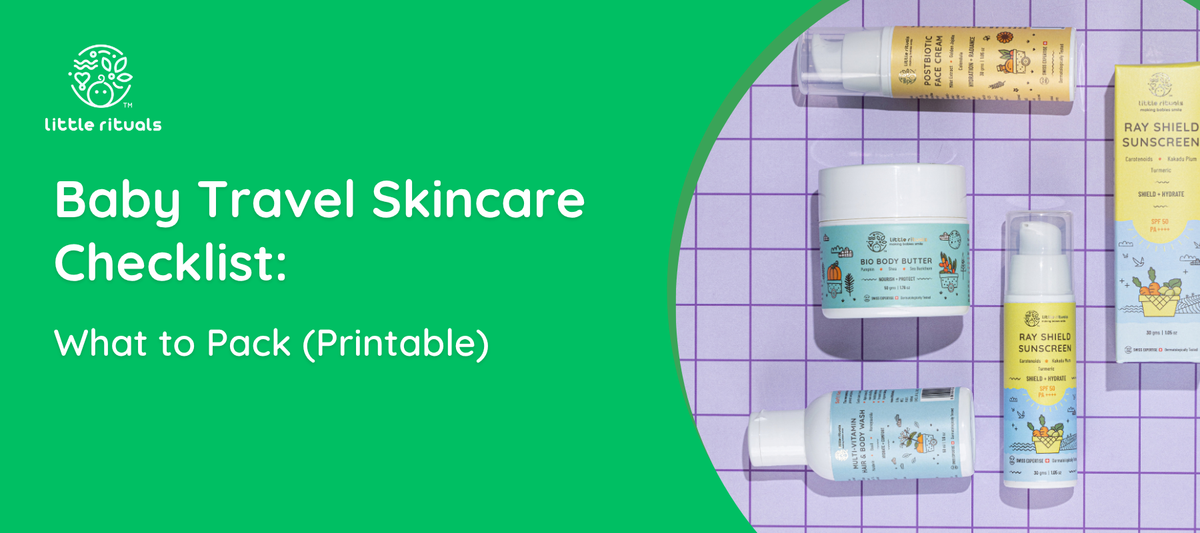
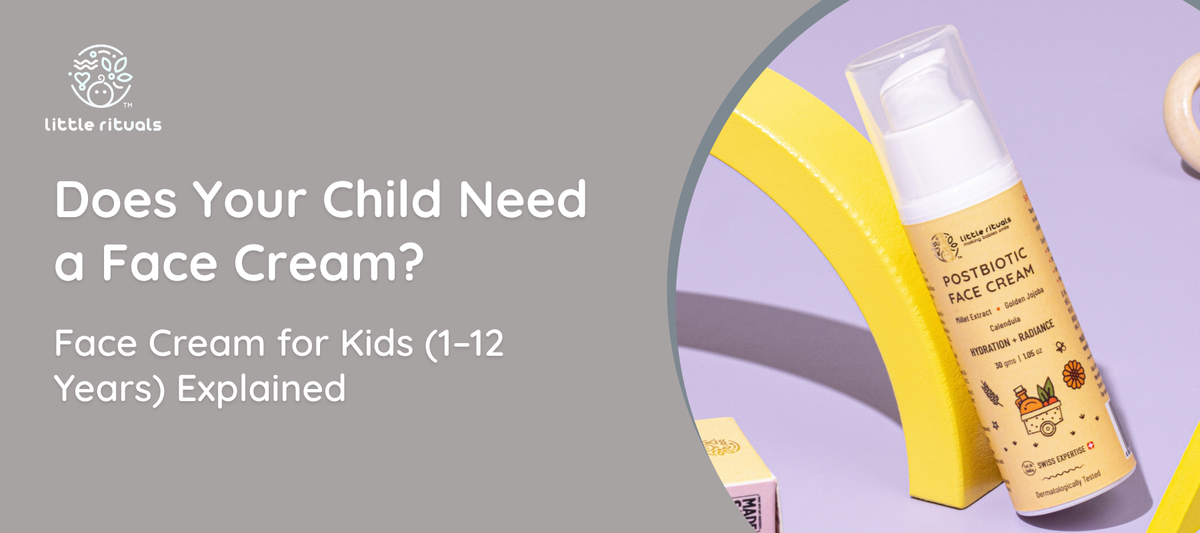
Little Rituals includes postbiotic technology in products like its Postbiotic Face Cream, designed for everyday facial care.
Plant-Based Cleansing Ingredients
A gentle cleanser should remove dirt and sweat without leaving the skin feeling dry.
The Multi-Vitamin Hair & Body Wash from Little Rituals is formulated to cleanse both hair and body in one simple step, making bath time easy for parents.
Ingredients Many Parents Prefer to Limit
Parents today are becoming more aware of ingredient labels. Instead of avoiding products based solely on marketing claims, it helps to understand why certain ingredients may not suit every baby.
Some parents choose products with fewer:
- Artificial fragrances
- Artificial colours
- Harsh cleansing agents
- Unnecessary additives
This doesn't mean every product containing these ingredients is unsuitable. Babies have different skin needs, so choosing products with transparent ingredient lists is often the best approach.
Whether you're comparing Organic vs Natural Baby Products or conventional formulations, always prioritise products that clearly explain what goes into them.
How to Build a Gentle Baby Care Routine
A simple skincare routine is often all your baby needs. Choosing fewer, well-formulated products can help keep daily care easy and consistent.
Step 1: Gentle Cleansing
Begin bath time with a mild cleanser that removes sweat, milk residue, and everyday impurities without over-cleansing the skin.
The Little Rituals Multi-Vitamin Hair & Body Wash gently cleanses both hair and skin, making bath time quick and convenient.
Step 2: Moisturise After Bath
Applying moisturiser after bathing helps lock in hydration.
The Bio Body Butter from Little Rituals provides rich moisturisation for the body, while the Postbiotic Face Cream helps care for delicate facial skin.
Step 3: Daily Baby Massage
Massage is an important bonding ritual in many Indian families.
Parents can choose from:
- Wood-Pressed Organic Sweet Almond Oil
- Wood-Pressed Organic Coconut Oil
- Wood-Pressed Organic Black Sesame Oil
Each oil offers a different texture while supporting a relaxing massage routine.
Step 4: Sun Protection
If your baby spends time outdoors, appropriate sun protection becomes an important part of baby skincare.
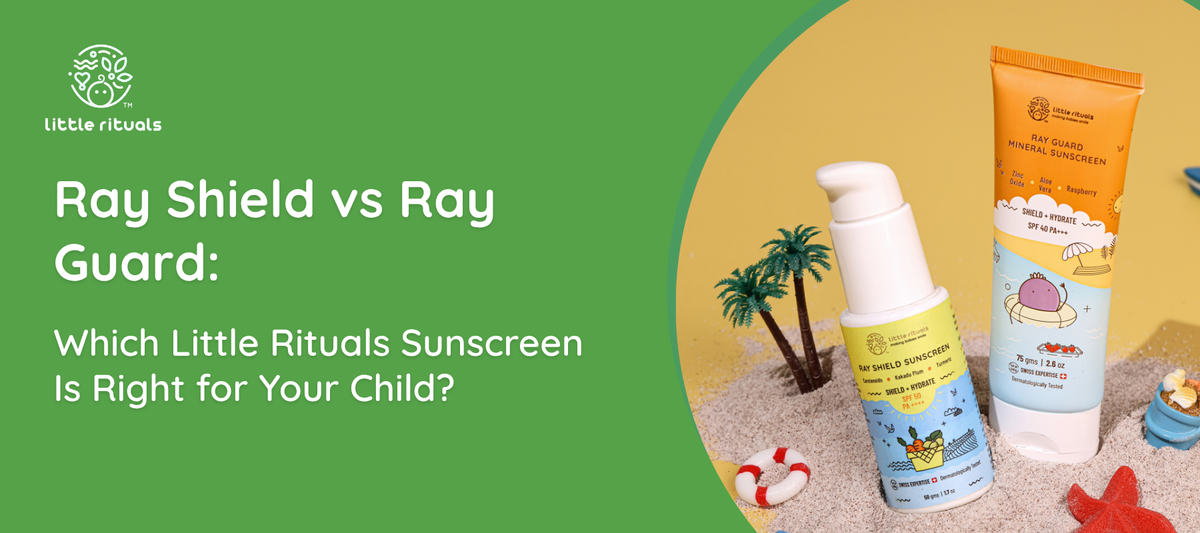
Little Rituals offers Ray Shield Sunscreen and Ray Guard Mineral Sunscreen, designed to complement everyday outdoor care.
Step 5: Everyday Hygiene
Messes are part of every parent's day.
Bio Soothe Wet Wipes help make quick clean-ups easy while remaining gentle on delicate skin.
A thoughtful routine built around quality products often matters more than whether the label says organic or natural. That's another reason why understanding Organic vs Natural Baby Products is so valuable for parents.
Common Myths About Organic and Natural Baby Products
Myth 1: Organic Means Completely Chemical-Free
Everything, including water and plant oils, is made up of chemicals. Organic skincare refers to ingredient sourcing, not the absence of chemistry.
Myth 2: Natural Always Means Better
Natural ingredients can be beneficial, but formulation quality is equally important.
Myth 3: Expensive Products Are Always Superior
Price alone doesn't determine quality. Ingredient transparency and thoughtful formulation matter much more.
Myth 4: Every Baby Needs Organic Products
Every baby's skin is unique. Some babies do well with organic formulations, while others may be equally comfortable using carefully formulated conventional products.
Myth 5: The Front Label Tells the Whole Story
Always read the complete ingredient list before purchasing. It provides a much clearer picture than marketing claims.
Conclusion
Choosing between Organic vs Natural Baby Products doesn't have to feel overwhelming. Understanding what these terms mean allows parents to make informed decisions based on ingredient quality, transparency, and their baby's individual needs rather than marketing language.
Reading ingredient labels, choosing trusted brands, and following a gentle skincare routine can go a long way in supporting your baby's everyday skin health.
Give Your Baby Gentle Care with Little Rituals
At Little Rituals, every product is thoughtfully created with babies and parents in mind. From Wood-Pressed Organic Massage Oils and the Multi-Vitamin Hair & Body Wash to the Bio Body Butter, Postbiotic Face Cream, Bio Soothe Wet Wipes, and mineral-based sun care, the collection is designed to make everyday baby care simple, gentle, and reassuring. Explore the Little Rituals range and build a skincare routine that grows with your little one.
Frequently Asked Questions
Q1. How do I choose between organic, natural, and regular baby products?
Start by reading the ingredient list rather than relying only on the product label. Choose products from transparent brands that clearly explain their ingredients and intended use.
Q2. Can regular baby products still be safe for babies?
Yes. Many regular baby products are carefully formulated and tested for safety. The overall formulation and ingredient quality matter more than the category alone.
Q3. Is there a real difference between organic and natural baby products?
Yes. Organic products generally use certified organic ingredients, while natural products contain ingredients derived from nature but may not be organically certified.
Q4. Is organic baby skincare always better for sensitive skin?
Not necessarily. Babies have different skin needs. A well-formulated product, regardless of category, is often the better choice for your baby's individual skin.
Q5. Will choosing organic baby products completely prevent skin irritation?
No skincare product can guarantee this. Selecting products suitable for your baby's skin type and following a consistent skincare routine is more important.
Q6. What should I check before buying baby skincare products?
Review the ingredient list, understand the product's purpose, check for transparent ingredient information, and purchase from trusted brands that prioritise quality.
Q7. What are the best ingredients to look for in baby care products?
Ingredients such as organic sweet almond oil, organic coconut oil, black sesame oil, postbiotics, and gentle plant-based cleansers are commonly chosen for everyday baby care.
Q8. Why is reading ingredient labels more important than marketing claims?
Marketing terms like "natural" or "gentle" don't always explain how a product is formulated. The ingredient list provides a more accurate understanding of what you're applying to your baby's skin.