Toxin-Free Baby Products: 10 Things to Check on the Label
Toxin-free baby products are best chosen by carefully reading the label rather than relying on marketing claims. Check for a complete ingredient list, gentle formulations, dermatological testing, age suitability, and clear manufacturing details. Understanding these 10 label checkpoints can help you make informed choices for your baby's everyday care. Ready to become a smarter label reader?
Choosing toxin-free baby products starts with understanding what's written on the label. Every cleanser, lotion, oil, or wipe you use becomes part of your baby's daily care routine, making ingredient transparency more important than attractive packaging. At Little Rituals, we believe informed parents make confident choices, and this guide will help you understand exactly what to look for before adding any baby product to your routine.
Why Choosing Toxin-Free Baby Products Matters
A baby's skin is naturally softer, thinner, and still developing during the early years. Because of this, parents often pay closer attention to the products they use every day—from bath essentials and moisturisers to massage oils and wet wipes.
Reading labels helps you understand what goes into a product and whether it aligns with your family's preferences. Rather than depending on words like "natural" or "gentle" on the front of the packaging, looking at the ingredient list and product information provides a clearer picture of what you're buying.
Making label reading a habit also helps you compare products more confidently and choose formulations designed specifically for delicate baby skin.
What Does "Toxin-Free" Really Mean?
The phrase toxin-free baby products has become increasingly popular, but it isn't a regulated certification. Different brands may use the term differently, which is why reading the full label is far more valuable than relying on front-pack claims alone.
Instead of focusing solely on marketing language, look for:
- Complete ingredient transparency
- Dermatologically tested formulations
- Baby-specific products
- Clear usage instructions
- Reputable manufacturing practices
These details provide far more meaningful information than buzzwords alone.
10 Things to Check on Every Baby Product Label
1. Read the Complete Ingredient List
A trustworthy product should clearly disclose all its ingredients.
Avoid buying products that don't provide complete ingredient information. A transparent ingredient list allows parents to understand what they're applying to their baby's skin and compare products more effectively.
If the ingredient list is difficult to find or incomplete, it's worth taking a closer look before making a purchase.
2. Look for Dermatologically Tested Formulations
Dermatological testing indicates that a product has been evaluated for skin compatibility under controlled conditions.
For everyday cleansing, choosing products that mention dermatological testing can provide added reassurance when selecting baby skincare.
For example, Little Rituals Multi-Vitamin Hair & Body Wash is thoughtfully formulated for gentle everyday cleansing and is designed specifically for delicate baby skin.
3. Choose Gentle Cleansers Instead of Harsh Sulfates
Bath time should cleanse without leaving the skin feeling stripped or dry.
Many parents prefer cleansers formulated without harsh sulfates such as SLS and SLES, especially for regular use.
A mild cleanser like Little Rituals Multi-Vitamin Hair & Body Wash helps create a comfortable cleansing routine while supporting healthy-looking skin.
4. Pay Attention to Added Fragrance
Fragrance is one of the most overlooked parts of a product label.
Some products simply list "fragrance" without explaining what it contains. Parents who prefer simpler formulations often look for products made without artificial fragrances, particularly when shopping for babies with delicate skin.
Checking the label allows you to understand exactly what the product contains instead of relying on attractive packaging claims.
5. Check Whether the Product Is Free from Parabens
Parabens are preservatives commonly used in cosmetic formulations.
Today, many parents actively look for products formulated without parabens as part of their everyday baby care routine.
Little Rituals follows a clean formulation philosophy by creating products free from parabens, sulfates, silicones, and artificial fragrances, making label reading easier for parents who prioritise ingredient transparency.
6. Understand the Difference Between Plant Oils and Petroleum-Based Ingredients
Baby massage oils remain an important part of many families' daily rituals.
When comparing products, many parents choose naturally derived plant oils instead of petroleum-based ingredients.
Little Rituals offers thoughtfully crafted massage oils including:
- Wood-Pressed Organic Coconut Oil
- Wood-Pressed Organic Sweet Almond Oil
- Wood-Pressed Organic Black Sesame Oil
Each is designed to become part of a nurturing daily massage routine while celebrating traditional care practices.
7. Look for Ingredients That Nourish the Skin
Reading a label isn't only about avoiding certain ingredients, it is also about understanding the beneficial ones.
Many modern baby skincare products include carefully selected ingredients such as:
- Botanical oils
- Plant-derived moisturisers
- Vitamins
- Postbiotics
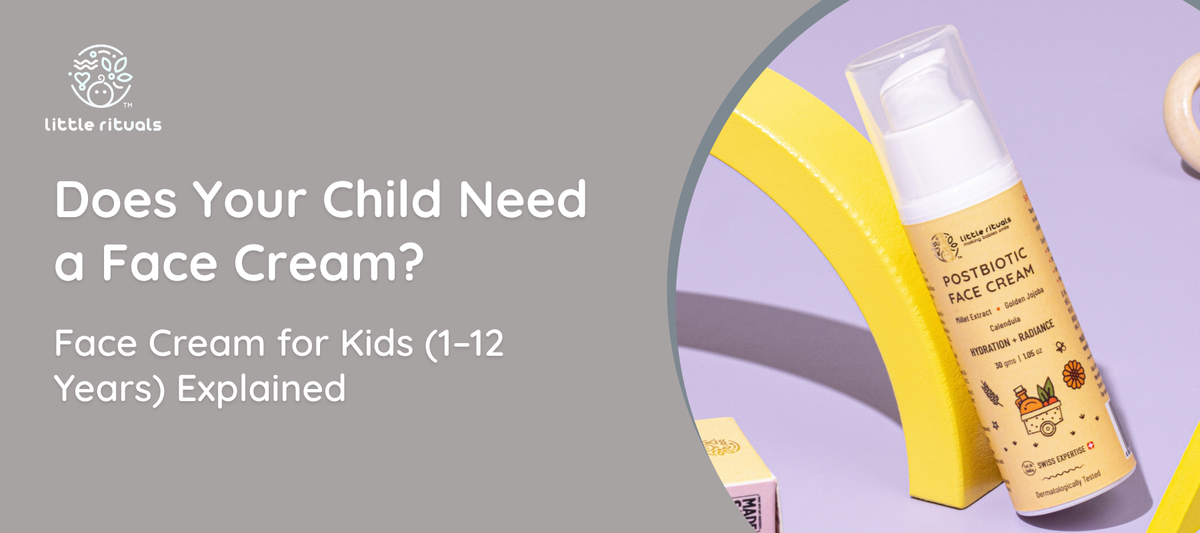
For daily moisturising, Little Rituals Bio Body Butter helps nourish delicate skin, while the Postbiotic Face Cream is designed to support everyday facial care with thoughtfully selected ingredients.
8. Check Whether the Product Is Suitable for Your Baby's Age
Not every skincare product is intended for every stage of infancy.
Age recommendations help parents choose products developed with babies' needs in mind.
Before purchasing any baby care item, always read:
- Age guidance
- Directions for use
- Storage instructions
These simple details help ensure the product is used as intended.
9. Review the Packaging Information Carefully
Good labels provide more than ingredients.
Take a moment to check:
- Manufacturing date
- Expiry date
- Batch number
- Storage instructions
- Manufacturer details
These details reflect good manufacturing practices and help you use products safely throughout their shelf life.
10. Don't Be Influenced by Buzzwords Alone
Words such as:
- Natural
- Pure
- Herbal
- Gentle
- Chemical-free
may sound reassuring, but they don't tell the whole story.
Instead, let the ingredient list, product testing information, and transparent formulation guide your decision. Understanding labels is the most reliable way to choose toxin-free baby products that match your expectations and your baby's daily care routine.
A Quick Label Reading Checklist
Before buying baby skincare, ask yourself:
✔ Is the ingredient list complete?
✔ Is it dermatologically tested?
✔ Is it free from parabens?
✔ Is it free from harsh sulfates?
✔ Does it avoid artificial fragrances?
✔ Is it formulated specifically for babies?
✔ Does it include clear usage instructions?
✔ Are manufacturing and expiry details visible?
Keeping this checklist in mind makes shopping for toxin-free baby products simpler and more informed.
Building a Gentle Everyday Baby Care Routine
Reading labels is only the first step. Creating a consistent care routine with thoughtfully formulated products can make everyday moments feel even more special.
A simple routine may include:
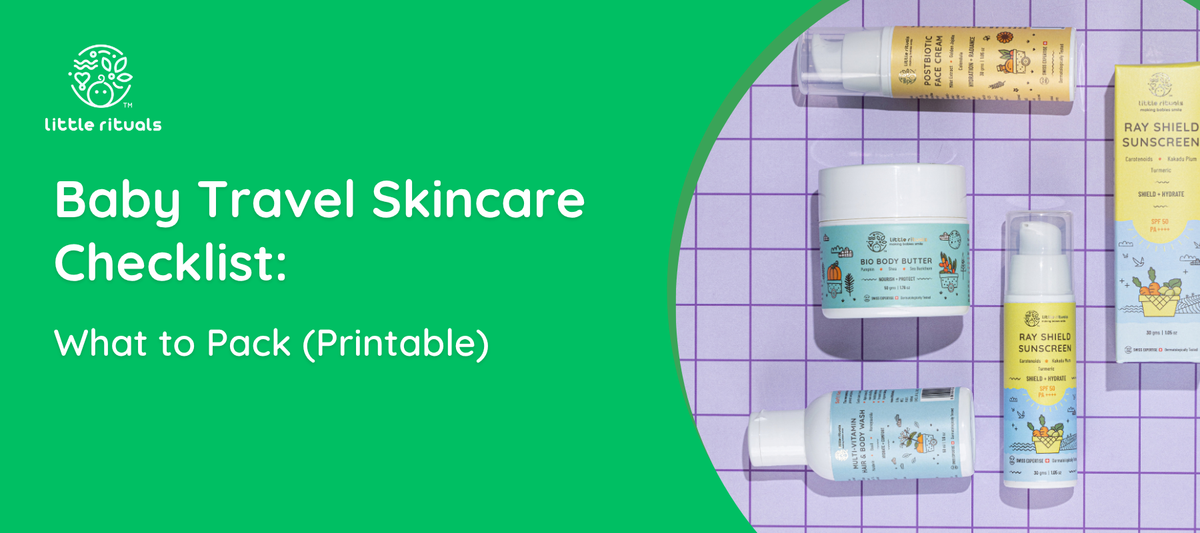
- Gentle cleansing with Little Rituals Multi-Vitamin Hair & Body Wash
- Daily massage using Wood-Pressed Organic Coconut Oil or Wood-Pressed Organic Sweet Almond Oil
- Moisturising with Bio Body Butter
- Gentle facial care using Postbiotic Face Cream
- Freshening up throughout the day with Bio Soothe Wet Wipes
Choosing toxin-free newborn baby products that provide ingredient transparency allows parents to build a routine based on confidence rather than guesswork.
Choose Thoughtfully with Little Rituals
Every label tells a story, and understanding it is one of the simplest ways to make informed choices for your baby's daily care. At Little Rituals, we create thoughtfully formulated baby care products with ingredient transparency, gentle formulations, and everyday comfort in mind. Whether you're looking for the Multi-Vitamin Hair & Body Wash, Bio Body Butter, Postbiotic Face Cream, Bio Soothe Wet Wipes, or our Wood-Pressed Organic Oils, you'll find products designed to support gentle routines from bath time to bedtime. Explore the Little Rituals collection and build a baby care ritual that's rooted in care, trust, and thoughtful choices.
Frequently Asked Questions
Q1. What should I look for on baby product labels?
Look for a complete ingredient list, dermatological testing, age recommendations, clear usage instructions, manufacturing details, and transparent formulation information.
Q2. Why is reading baby product labels important?
Reading labels helps you understand exactly what a product contains, making it easier to choose products that align with your preferences and your baby's daily skincare routine.
Q3. How can I identify toxin-free baby products?
Start by checking the ingredient list, looking for transparent formulations, dermatological testing, and products designed specifically for babies instead of relying on marketing claims.
Q4. How often should I check labels when buying baby skincare?
It's a good habit to read the label every time you purchase a product, even if you've bought it before, as formulations and packaging may change over time.
Q5. Can natural baby products still contain synthetic ingredients?
Yes. A product labelled "natural" may still contain synthetic ingredients, which is why reading the complete ingredient list is always recommended.
Q6. Can I use the same products throughout my baby's routine?
Different products are formulated for different purposes, such as cleansing, moisturising, massage, or facial care. Using products according to their intended use helps create a balanced routine.
Q7. Is dermatological testing important for baby skincare?
Dermatological testing indicates that a product has been evaluated for skin compatibility, providing parents with additional information when selecting skincare products.
Q8. Will choosing better labels make shopping easier?
Yes. Once you know what to look for, comparing products becomes much simpler, helping you choose toxin-free baby products with greater confidence.