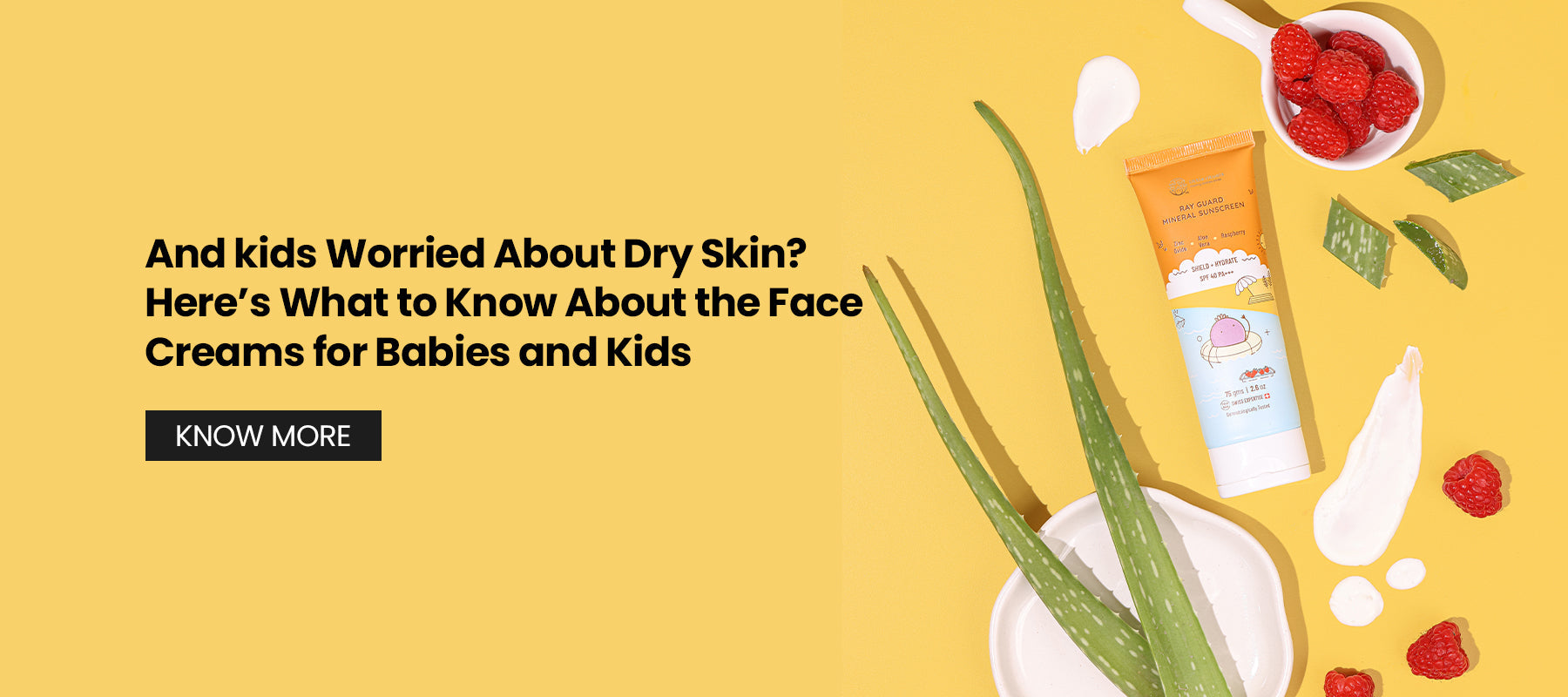
And kids Worried About Dry Skin? Here’s What to Know About the Face Creams for Babies and Kids
Dry skin in little ones isn’t just a seasonal concern; it can affect your babies and kids’ comfort all year round. From harsh weather to frequent wiping, their delicate skin needs extra attention. But that raises an important question: is face cream safe for babies and kids?
The short answer is yes, with the right ingredients, routine, and product.
In this comprehensive guide, we’ll explore the benefits of moisturising, safety tips, ingredients to look for, and expert skincare tips for babies and kids, so you can make informed decisions and keep your child’s skin soft, healthy, and hydrated.
Understanding the Sensitivity of Babies and Kids Skin
The skin of babies and young children is thinner and more sensitive than adult skin. It loses moisture faster, making it more prone to dryness, irritation, and in some cases, conditions like eczema. Babies under 12 months often experience dry patches on their cheeks, chin, or forehead due to teething drool, cold air, or frequent face wiping.
Unlike adult skincare needs, which often focus on issues like ageing or sun damage, baby face creams are all about hydration, skin barrier protection, and soothing delicate skin.
Is Face Cream Safe for Babies and Kids?
Yes, face cream is safe for babies and kids but only if it’s specifically formulated for their age and skin type. Many adult creams contain ingredients like fragrances, parabens, sulphates or alcohol that can be too harsh for a child’s sensitive skin. That’s why it’s important to choose products made especially for babies and children.
Look for:
-
Hypoallergenic and dermatologist-tested labels
-
Fragrance-free or naturally scented
-
Non-comedogenic (won’t clog pores)
-
Free from sulphates, parabens, silicones, mineral oil, and synthetic dyes
Creams that meet these criteria are not only safe but also effective in maintaining moisture and preventing irritation.
Must Read : The pH Balance Secret: Ensuring Optimal Skin Health for Your Baby & Kids
Why You Should use Moisturising Cream for Babies and Kids Sensitive Skin
Regular use of a babies and kids’ moisturising cream provides several benefits:
1. Prevents Dryness and Flakiness
Daily moisturising helps prevent common dryness from weather, bathing, or even heating indoors. It keeps the skin soft and smooth.
2. Strengthens Skin Barrier
Good-quality creams support the development of a healthy skin barrier, which protects from pollutants, allergens, and germs.
3. Soothes Irritation
Natural ingredients like aloe vera, calendula, and shea butter can soothe redness and calm minor skin irritations.
4. Helps Manage Skin Conditions
Children prone to eczema or extreme dryness can benefit from a consistent moisturising routine that supports skin healing.
5. Encourages Healthy Skincare Habits Early
Starting a gentle skincare routine helps kids learn about self-care and personal hygiene from a young age.

Choosing the Best Face Cream
With so many options available, how should you select the best babies and kids’ face cream? Here are the key ingredients to look for:
-
Coconut oil or almond oil: Natural moisturisers that are safe and effective
-
Shea butter: Deep hydration and skin barrier repair
-
Glycerin: A humectant that draws moisture into the skin
-
Calendula or chamomile: Calming and anti-inflammatory botanicals
-
Vitamin E: An antioxidant that supports skin healing and softness
Avoid anything with artificial fragrances, alcohol, or harsh preservatives, even if the product is labelled “gentle.”
Expert Skincare Tips for Babies and Kids
To get the most out of your moisturising routine, follow these expert skincare tips for babies and kids:
1. Apply Right After Bathing
Moisturise within five minutes of bath time to lock in hydration. Gently pat the face dry before applying (don’t rub).
2. Use a Small Amount
A little goes a long way, especially for the face. A pea-sized amount is usually enough for infants and toddlers.
3. Avoid Overwashing the Face
Washing the face too often can strip natural oils. Once a day (usually during bath time) is sufficient unless there’s visible dirt.
4. Layer Protection in Winter
In colder months, consider layering a light moisturiser with a balm or ointment on dry areas for extra protection.
5. Always Do a Patch Test
Try any new product on the inner forearm before applying it to your baby’s face. Wait 24 hours to check for any reaction.
Related Blog : Baby Skincare Tips: Things to Avoid
Why Choosing the Right Brand Matters
When it comes to your child’s skincare, choosing the right face cream is more than a luxury; it’s a necessity. The best babies and kids’ face cream is one that hydrates, protects, and soothes without exposing your child to unnecessary chemicals or harsh ingredients.
Many brands make bold claims, but few match the quality and care offered by thoughtfully formulated, dermatologist-approved skincare ranges.
Little Rituals: Gentle Skincare You Can Trust
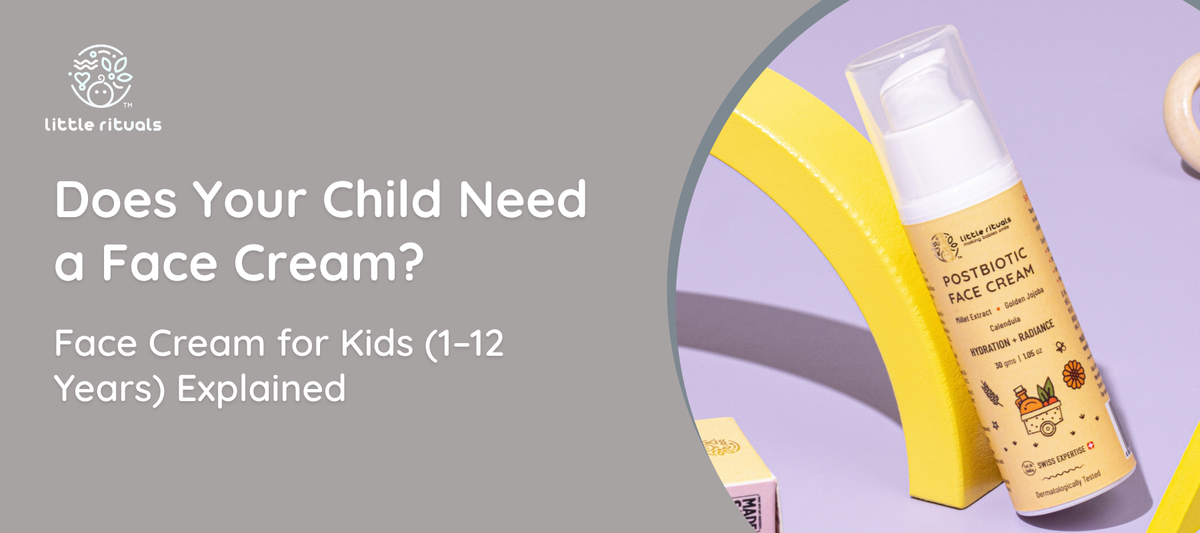
If you're looking for a skincare brand that combines nature, science, and safety for your little one, Little Rituals is a name to trust. Our moisturising cream is especially developed for sensitive young skin, using clean, plant-based ingredients free from nasties. Backed by dermatologists and loved by parents, Little Rituals prioritises skin health without compromising on softness or purity.
We are a MADE SAFE USA-certified babies and kids’ skincare brand. From newborns to toddlers, Little Rituals is the gentle choice face cream you can feel confident about using daily. To explore more, check out the baby face and body care range.
Frequently Asked Questions
Q1: Is face cream really necessary for babies and kids?
A: While not always essential, face cream is highly recommended for babies and kids with dry or sensitive skin, especially during colder months or after baths.
Q2: Can I use adult moisturiser on my child?
A: No. Adult creams may contain strong fragrances, alcohol, or actives that are not suitable for children’s delicate skin. Always choose products made for children.
Q3: How often should I apply moisturiser to my kids?
A: Once or twice daily is ideal, typically after a bath and again before bed if the skin seems dry.
Q4: Can moisturising prevent baby eczema?
A: Moisturising helps manage and may prevent mild eczema by supporting the skin barrier, though genetics and allergens also play a role.
Q5: What age can I start using face cream on my baby?
A: From birth onwards, as long as you choose a gentle, baby-safe cream. However, always check labels and consult your paediatrician if unsure.