Is Bottle Feeding Safe for Newborn Babies? A Complete Guide for Parents
Disclaimer: This article is for educational purposes only and does not replace professional medical advice. Always consult your paediatrician or lactation consultant for feeding guidance specific to your baby's health and nutritional needs.
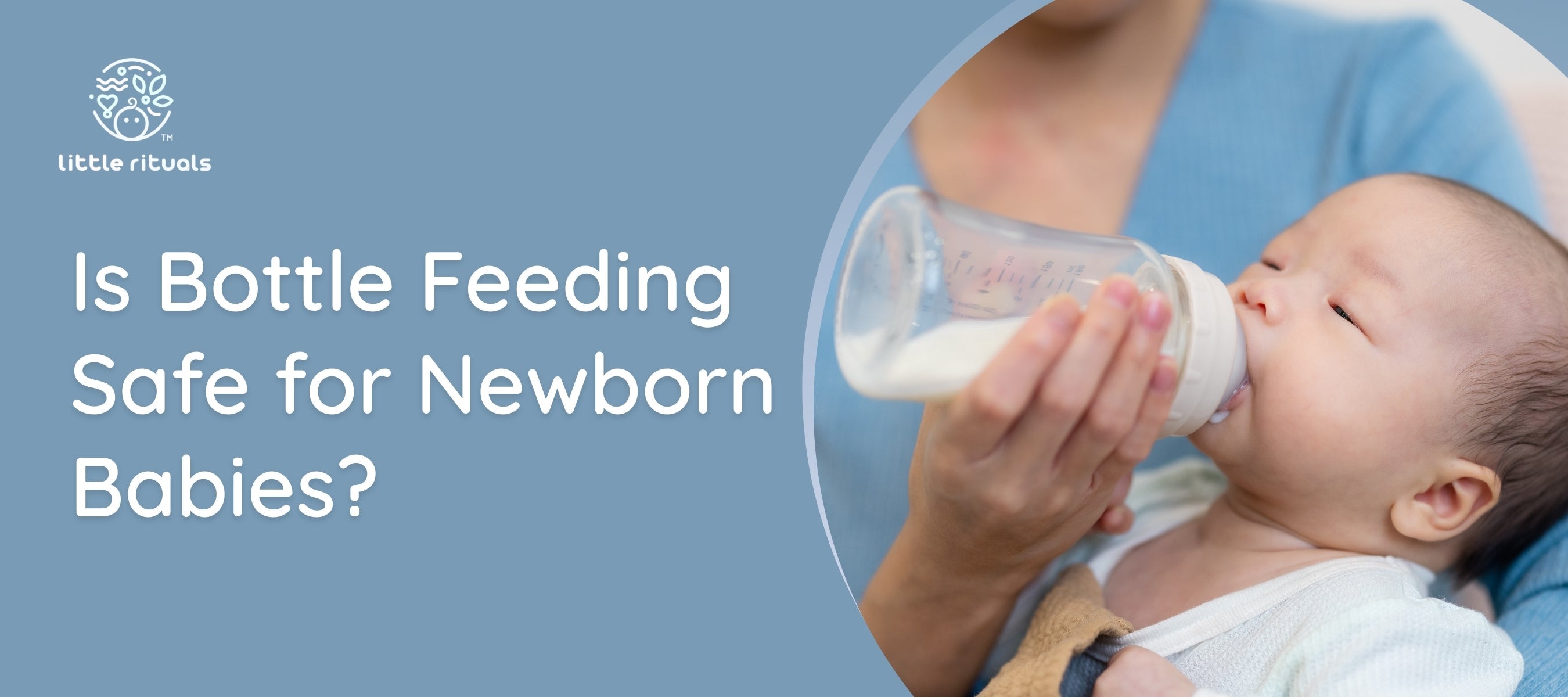
Is bottle feeding safe for newborn babies? Yes, bottle feeding can be safe for newborns when bottles and nipples are properly sterilized, formula or expressed milk is prepared correctly, and babies are fed in an upright position. Following good hygiene practices, using appropriate feeding equipment, and responding to your baby's hunger and fullness cues helps ensure safe and healthy feeding.
If you are wondering is bottle feeding safe for newborn baby, the good news is that it absolutely can be, provided proper care and hygiene are followed. Many modern parents also explore different feeding approaches such as how to breastfeed newborn baby or combination feeding, depending on their situation. Understanding both breastfeeding and bottle feeding helps parents make confident, informed decisions.
Bottle feeding, whether with expressed breast milk or formula, offers flexibility and measurable nutrition, but its safety depends on the right techniques, sterilization, and attentiveness. Every parent’s journey is unique, and at Little Rituals, we believe feeding should be a nurturing, loving, and safe experience. In this guide, we will answer your most pressing questions and provide practical tips to ensure bottle feeding is safe for newborn baby.
Understanding Bottle Feeding: What It Really Means
Bottle feeding is a method where babies are fed either expressed breast milk or specially prepared formula through a bottle and nipple. Many parents choose bottle feeding for medical reasons, difficulties with latching, work commitments, or simply personal preference. For a step-by-step overview of early feeding methods, you can also read how to feed a newborn baby.
The important thing to remember is that asking is bottle feeding safe for newborn baby is not about the milk itself but about how it is prepared, handled, and administered. Hygiene, sterilization, proper bottle choice, and attentive feeding habits are what truly make the process safe and beneficial for your baby. With the right approach, bottle feeding can provide complete nutrition and a nurturing experience similar to breastfeeding.
Is Bottle Feeding Safe for Newborns?
When considering is bottle feeding safe for newborn baby, it is essential to look at both the benefits and the potential risks. Understanding both helps parents make informed decisions and implement the safest practices.
The Safe Side
Properly done, bottle feeding can be very safe for newborns. Sterilization of bottles and nipples is crucial to prevent bacterial contamination. Modern bottles are designed to mimic the natural flow of breastfeeding, reducing nipple confusion and helping babies adapt smoothly to feeding. Bottles also allow parents to measure the exact intake of milk or formula, ensuring babies receive adequate nutrition for healthy growth.
The Risk Side
Despite its advantages, bottle feeding does carry some potential risks if not managed properly. Using bottles or nipples that are not cleaned or sterilized can lead to infections. Incorrectly preparing formula or feeding too quickly can cause overfeeding, underfeeding, or digestive discomfort. Additionally, formula lacks the natural antibodies found in breast milk, which means babies may not receive certain immune benefits when exclusively bottle-fed.
In fact, digestive concerns like fussiness or gas are sometimes linked to feeding habits and may be explained further in resources such as what causes colic in babies.
Making Bottle Feeding Safe
The reassuring fact is that bottle feeding is safe for newborn baby when approached with mindfulness, attention to hygiene, and careful preparation. By following recommended safety measures, parents can reduce risks, provide proper nutrition, and create a loving feeding experience that strengthens bonding between parent and child.
How to Ensure Safe Bottle Feeding for Newborns
To make sure bottle feeding is safe for newborn baby, parents can follow these simple but essential practices:
- Always sterilize bottles and nipples before each use to prevent infections.
- Choose BPA-free, anti-colic bottles to reduce discomfort and exposure to toxins.
- Make sure milk or formula is at the right temperature before feeding to avoid burns or digestive upset.
- Hold your baby upright during feeding to prevent ear infections and choking.
- Never prop the bottle unattended, as babies should actively feed.
- Regularly clean bottles and replace worn-out nipples to ensure proper milk flow and hygiene.
By incorporating these steps, parents can feel confident that bottle feeding is safe for newborn baby and enjoy feeding time as a nurturing ritual rather than a stressful task.
Bottle Feeding Versus Breastfeeding
When asking is bottle feeding safe for newborn baby, it is natural to compare it to breastfeeding. Both methods have advantages, and choosing the right one depends on individual circumstances.
Breastfeeding provides natural antibodies, helps strengthen immunity, and creates skin-to-skin bonding moments. It is cost-effective and provides the perfect natural balance of nutrients. Bottle feeding offers flexibility, allows parents and caregivers to share responsibilities, and provides measurable intake, which can be particularly helpful for tracking nutrition.
Many parents successfully combine both methods. With careful planning, slow-flow nipples, and pediatric guidance, bottle feeding can coexist with breastfeeding, ensuring babies receive optimal nutrition without compromising safety or bonding.
Emotional and Bonding Aspects
A common concern among parents is that bottle feeding might reduce emotional connection. In reality, bonding depends on presence, touch, and attention rather than the feeding method itself.
During bottle feeding, parents can create nurturing rituals by holding the baby close, maintaining eye contact, speaking softly, and practicing skin-to-skin contact whenever possible. These practices reinforce emotional security and ensure that your baby feels loved and connected, even if not exclusively breastfed.
When you focus on creating calm, attentive feeding moments, you can rest assured that bottle feeding is safe for newborn baby both physically and emotionally.
Common Mistakes Parents Should Avoid
To ensure bottle feeding is safe for newborn baby, parents should be aware of frequent mistakes:
- Skipping sterilization or not cleaning bottles properly can lead to infections
- Preparing formula inconsistently can result in underfeeding or overfeeding
- Using the wrong nipple size may cause choking or frustration
- Feeding babies in a lying-down position increases the risk of ear infections and aspiration
- Ignoring baby’s cues for fullness or hunger can interfere with healthy growth
Avoiding these mistakes is key to creating a safe, comfortable feeding experience for your newborn.
Expert Tips for Transitioning Between Feeding Methods
-
Gradually introduce bottles after breastfeeding is established
-
Choose slow-flow nipples to mimic breastfeeding rhythm
- Consult a pediatrician for formula choice, schedule, and portion sizes
With these strategies, parents can confidently answer is bottle feeding safe for newborn baby without compromising nutrition or bonding.
When to Consult a Pediatrician
Even when bottle feeding is safe for newborn baby, some situations require professional advice. Consult a pediatrician if your baby frequently spits up, shows digestive discomfort, is not gaining weight adequately, has difficulty latching or sucking, or shows signs of allergies or intolerance. Early guidance ensures that feeding remains safe, comfortable, and nourishing for your baby.
Conclusion
Bottle feeding is safe for newborns when done with care, hygiene, and attention. Parents should focus on preparation, cleanliness, and responsive feeding cues to ensure proper nutrition and comfort. Whether you choose breastfeeding, bottle feeding, or a combination, your baby thrives on love, attention, and a nurturing environment. Remember that feeding is not just about nutrition; it is a moment of bonding, comfort, and trust. With the right approach, bottle feeding is safe for newborn baby and can be a joyful and reassuring part of early parenting.
Explore Little Rituals Products
At Little Rituals, we believe every baby deserves a gentle and safe start in life. Our products are designed with plant-powered, toxin-free ingredients, caring for your baby’s delicate skin just as carefully as you nourish them from within.
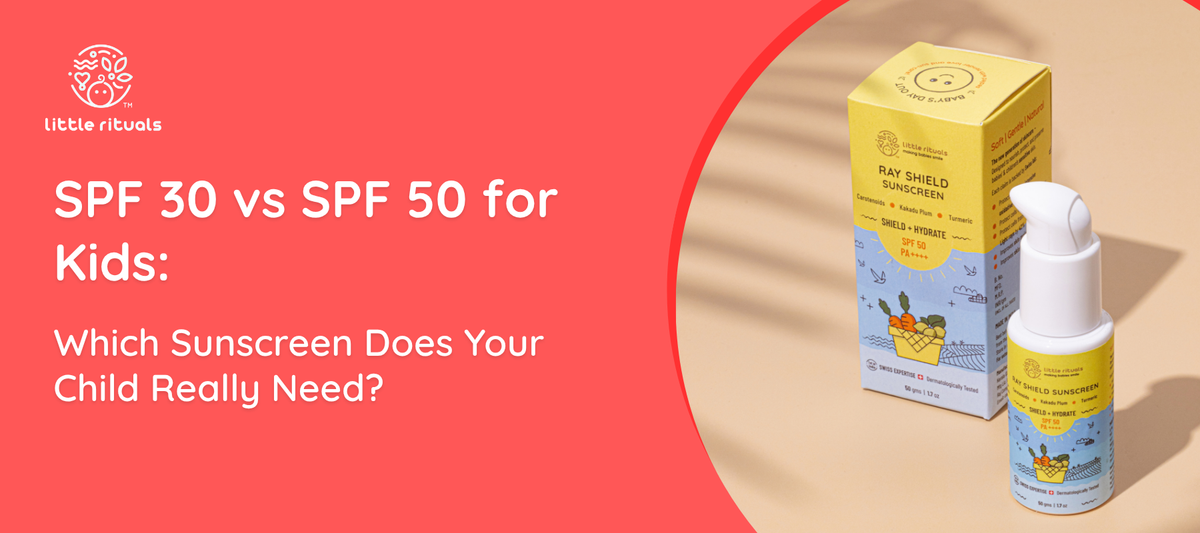
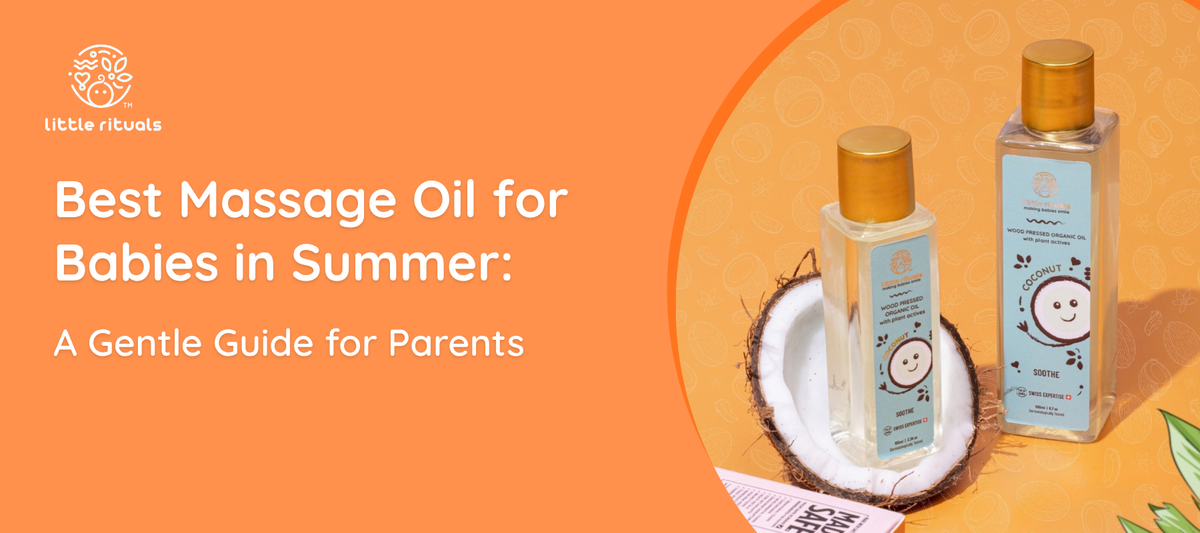
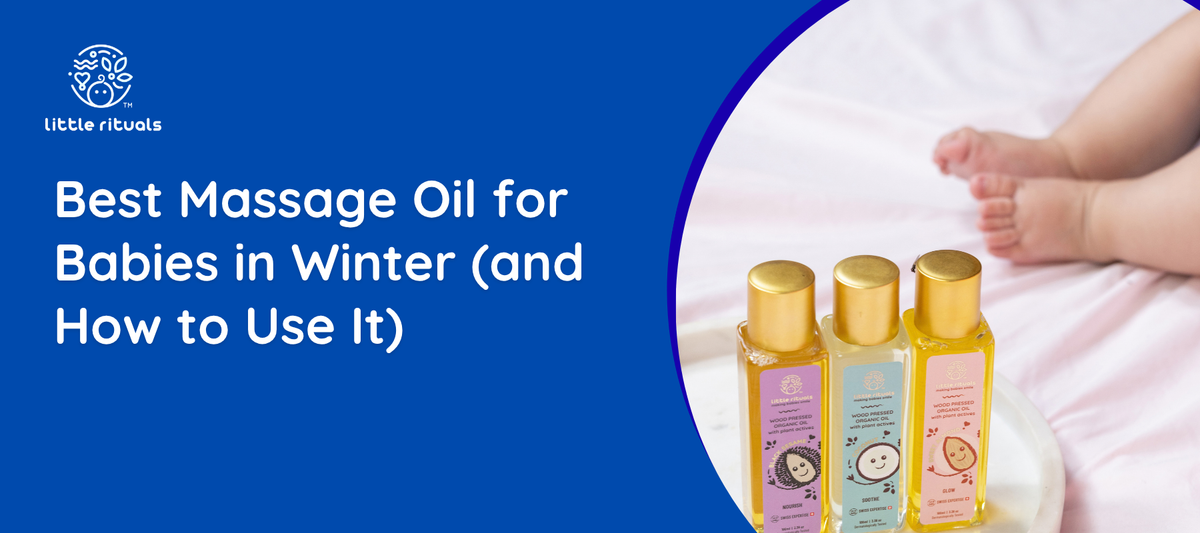
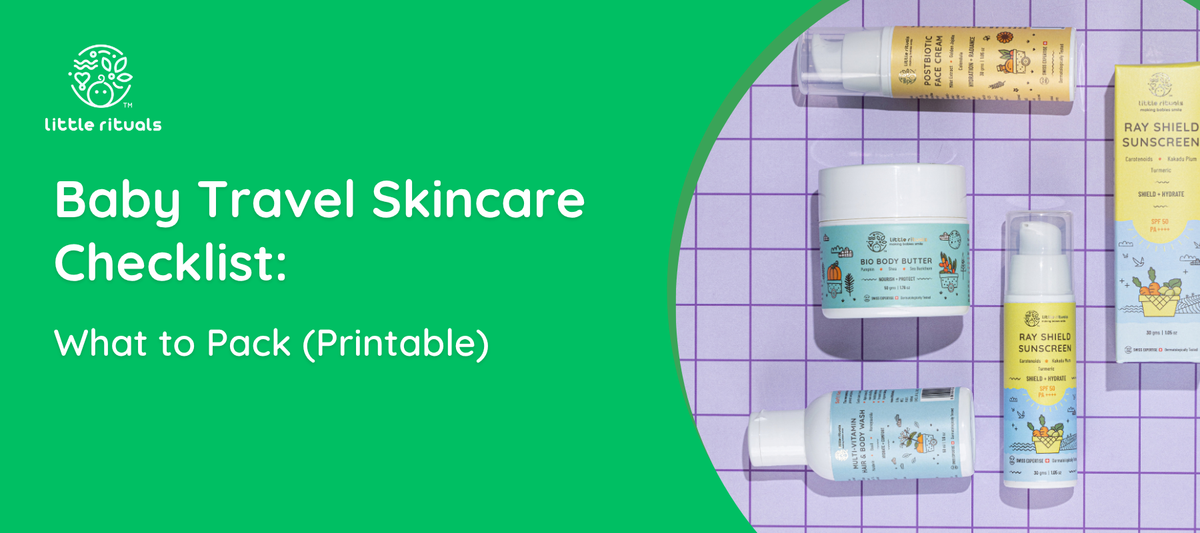
Explore our natural baby essentials including the Wood Pressed Organic Sweet Almond Oil, Multi-Vitamin Hair & Body Wash, and Ray Shield Sunscreen to make every feeding moment a loving ritual. Care isn’t just a routine, it is a language of love.
Read Our Latest Blogs
Coconut Oil for Baby | How to Swaddle a Baby | Is Coconut Oil Good for Dandruff | Natural Ingredients for Glowing Skin | Best Baby Body Lotion | Hair Oil for Kids | Premature Baby Care | Water Wipes for Babies | Difference Between Gas Bubbles and Baby Moving | Is Paraben Good for Skin | Unique Baby Shower Gifts for Mom to Be | What Causes Colic in Babies | What Is Abhyanga Massage
Frequently Asked Questions
Q1. Is bottle feeding safe for newborn baby from the first day?
Yes, with proper sterilization and attentive preparation, newborns can safely bottle-feed from birth.
Q2. Can bottle feeding replace breastfeeding completely?
It can, but it is important to ensure nutritional adequacy and consult a pediatrician for guidance.
Q3. How often should a newborn be bottle-fed?
Newborns typically feed every 2 to 3 hours, adjusting based on hunger cues and pediatric recommendations.
Q4. Do anti-colic bottles make bottle feeding safer?
Anti-colic bottles can reduce gas, discomfort, and reflux, contributing to a smoother feeding experience.
Q5. Can breast and bottle feeding be combined safely?
Yes, combination feeding is safe and common, but requires careful timing, slow-flow nipples, and pediatric guidance.
Q6. How do I know if formula is safe for my newborn?
Use age-appropriate, pediatrician-approved formulas and prepare them according to instructions to ensure safety.
Q7. What is the safest position for bottle feeding?
Hold your baby upright or semi-upright, supporting the head and neck for safe swallowing and digestion.
Q8. Is warming bottles in the microwave safe?
No, microwaves can create hot spots. Use warm water to heat bottles evenly and safely.