What is Abhyanga Massage: The Complete Guide To The Ancient Ayurvedic Ritual
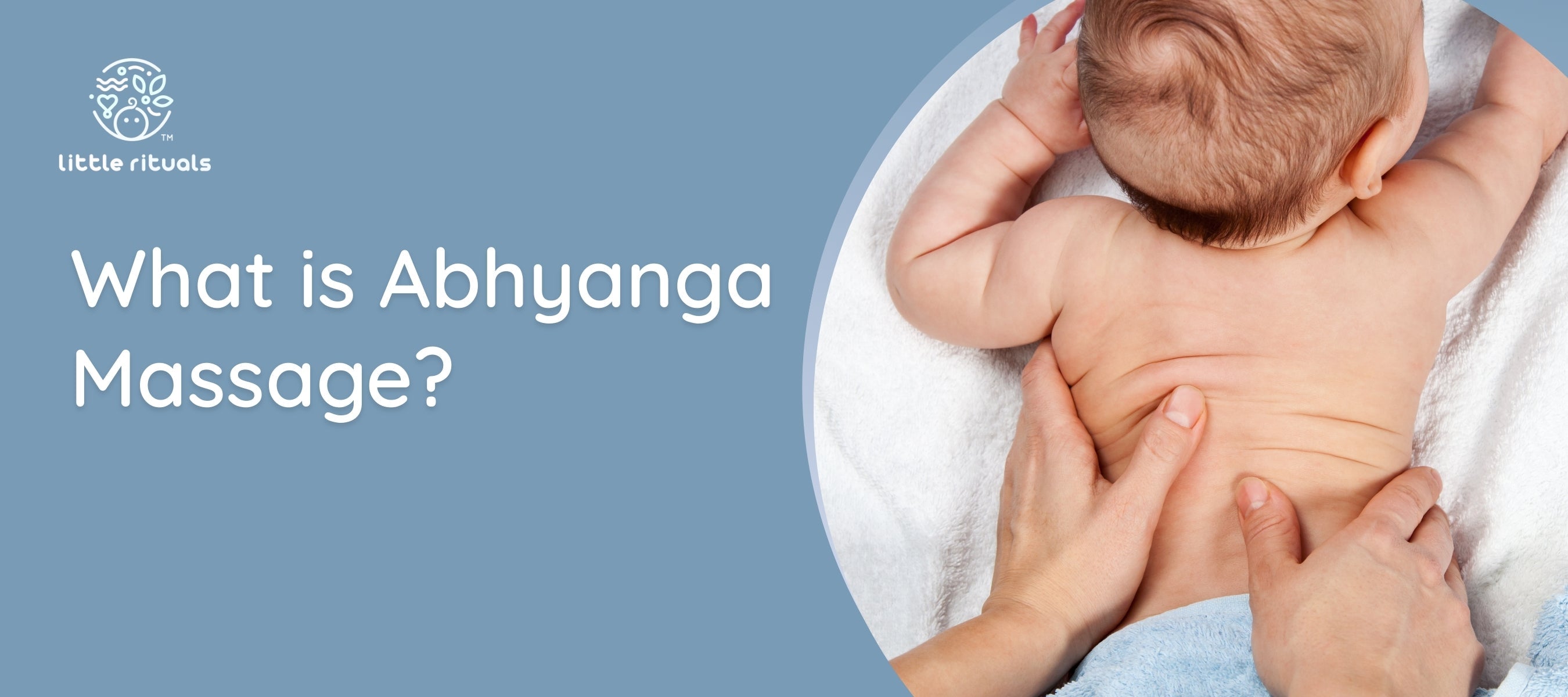
Abhyanga massage is a traditional Ayurvedic full-body massage that uses warm oil and gentle, rhythmic strokes to nourish the skin, support circulation, calm the nervous system, and promote overall balance. Practised for thousands of years, it is considered a daily self-care ritual that benefits physical, mental, and emotional well-being.
Many people search for clarity on what Abhyanga massage is, and the simplest answer is that it is an ancient Ayurvedic full body massage using warm oil to nourish the skin, calm the mind, and restore internal balance. Within the first few moments of practicing it, you understand that Abhyanga is not only a massage but a deeply therapeutic ritual rooted in self-love and daily care.
This timeless massage technique has been practised in India for thousands of years and remains one of the most cherished rituals in Ayurveda. When warm oil is gently worked into the body with slow, mindful strokes, the nervous system softens, the skin begins to glow, and the body naturally enters a state of calm and balance. The true essence of Abhyanga massage lies in how it connects you back to your body in a world that often feels rushed and disconnected. For parents interested in extending these traditional wellness practices to infants, understanding Indian newborn care rituals can offer valuable cultural and Ayurvedic insights.
What is Abhyanga Massage
To understand what is Abhyanga massage, it helps to explore the meaning of the word itself. Abhyanga is derived from two Sanskrit terms: Abhi, which means toward, and Anga, which refers to the limbs or body. Together, they represent the act of lovingly applying warm oil to the entire body to encourage nourishment and vitality.
Abhyanga is mentioned extensively in classical Ayurvedic texts such as the Charaka Samhita and Sushruta Samhita. These texts describe it as part of Dinacharya, the daily routine that supports long term health and emotional harmony. Unlike modern spa massages, Abhyanga is meant to be practiced regularly, even daily, as an essential part of maintaining balance in body and mind.
When someone asks what is Abhyanga massage, the answer is more than just a technique. It is a ritual that honors your physical and emotional well-being through mindful touch, warm oils, and gentle attention.
The Science Behind Abhyanga Massage
Modern wellness research helps explain why Abhyanga massage is still relevant today. The combination of warm oil, intentional movement, and nervous system regulation creates a powerful therapeutic effect.
How Warm Oil Nourishes The Body
Warm oil has a natural affinity for the skin. When applied slowly, it seeps into the superficial tissues, supporting flexibility, joint mobility, and cellular nourishment. This is known as Snehana in Ayurveda, a technique that brings softness and strength to the body.
Nervous System Regulation
Gentle rhythmic massage activates the parasympathetic nervous system. This response slows the heart rate, reduces cortisol, relaxes the breath, and encourages a sense of emotional grounding. This is one of the main reasons people who learn Abhyanga massage continue the ritual regularly.
Improved Circulation
Soft, continuous strokes naturally stimulate healthy blood flow. With improved circulation comes better oxygen delivery, reduced stiffness, and renewed energy levels.
Lymphatic Support
Abhyanga encourages natural detoxification by guiding lymphatic movement. This helps remove stagnant waste from the tissues while boosting immunity and vitality.
Emotional Balance
The repetitive nature of Abhyanga offers a feeling of safety and calm, supporting emotional clarity and reducing long term stress.
Choosing The Right Oil For Abhyanga
A significant part of understanding what is Abhyanga massage is knowing that the choice of oil matters as much as the technique. Ayurveda emphasizes selecting oils that match your body type, climate, and intention.
Best Oils Based On Dosha
Vata Dosha
- Recommended oils: Sesame oil, Almond oil
- Qualities: Warming, grounding, nourishing
Pitta Dosha
- Recommended oils: Coconut oil, Sunflower oil
- Qualities: Cooling, soothing, calming
Kapha Dosha
- Recommended oils: Mustard oil, Grapeseed oil
- Qualities: Stimulating, light, invigorating
Other Factors To Consider
- Season of the year
- Body temperature and sensitivity
- Purpose of the massage: relaxation, skin nourishment, or muscle relief
- Preference for fragrance-free or natural botanical oils
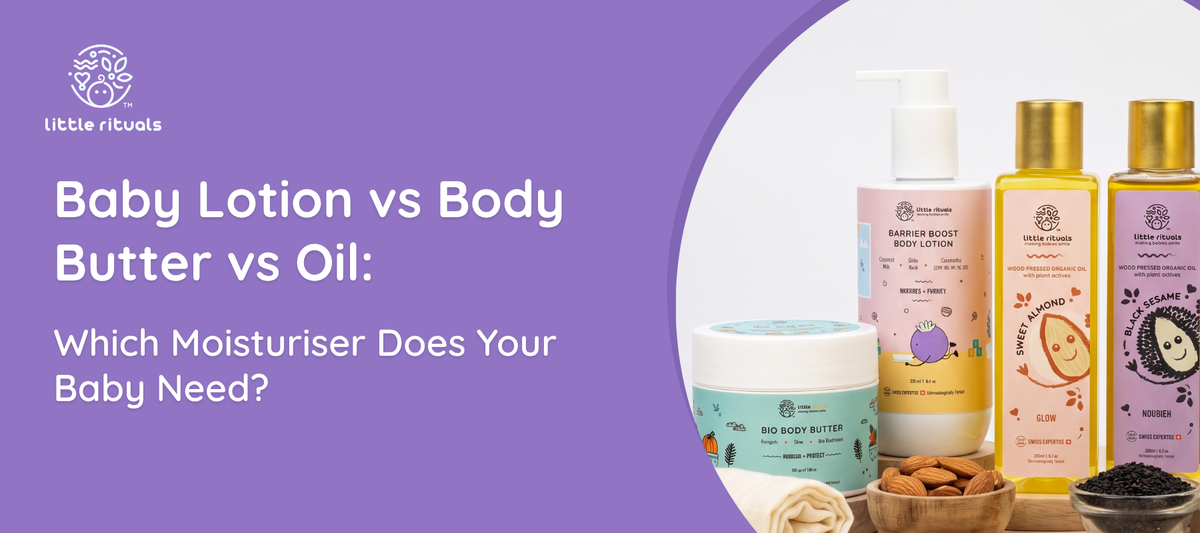
To elevate your understanding of Abhyanga massage, choose pure, cold-pressed oils that respect the authenticity of this Ayurvedic ritual. You can explore a collection of organic baby massage oils and traditional Ayurvedic formulations that embody purity, simplicity, and gentle nourishment.
How To Do Abhyanga Massage At Home
If you wish to practise and truly feel what is Abhyanga massage, follow these steps carefully and calmly.
1. Warm The Oil
Place your oil bottle in warm water until the oil becomes comfortably warm to the touch. Warm oil helps soften the tissues and relax the muscles.
2. Begin With The Scalp
Start by applying a small amount of oil to your scalp. Use slow circular movements that release tension and awaken the senses.
3. Massage The Face And Neck
Use upward strokes on the face and long gentle strokes along the neck. Allow the warmth of the oil to soften any stiffness.
4. Arms And Hands
Move from shoulders to fingertips using long strokes. Spend time massaging each finger to support circulation.
5. Chest And Abdomen
Massage the chest gently. Move in slow circular motions on the abdomen following the natural direction of digestion.
6. Legs And Feet
Massage the legs with long strokes. Spend extra time on the feet, as they hold the weight of the entire body and respond deeply to touch.
7. Allow The Oil To Absorb
Let the oil rest for at least ten to fifteen minutes before taking a warm shower.
This experience will help you understand on a personal level what Abhyanga massage is and why it is considered a daily gift to the body.
Benefits of Abhyanga Massage
To fully comprehend what is Abhyanga massage, it is essential to look at its many physical, mental, and emotional benefits.
Physical Benefits
- Supports healthy blood circulation
- Strengthens muscles and joints
- Enhances mobility
- Softens dry skin
- Slows the appearance of aging
- Nourishes deeper tissues
Mental And Emotional Benefits
- Reduces stress and anxiety
- Creates grounding and emotional calm
- Supports a stable mood
- Promotes a sense of comfort, safety, and relaxation
Beauty And Skin Benefits
- Improves skin tone and texture
- Brightens natural radiance
- Helps maintain a youthful glow
- Reduces dryness and roughness
These benefits show why many people seek to understand what is Abhyanga massage and continue practicing it regularly.
Before, During, And After The Ritual
Before The Ritual
- Choose a warm, quiet space
- Prepare your oil
- Remove distractions
- Take a moment to breathe
During The Ritual
- Use slow and mindful strokes
- Maintain gentle pressure
- Let your breath move naturally
- Stay present with the sensations
After The Ritual
- Take a warm shower
- Drink water
- Move slowly and remain relaxed
Understanding Abhyanga massage means embracing it as a full ritual, not only a technique.
Abhyanga For Families And Children
Parents often ask what is Abhyanga massage for children and whether it is safe. When practiced with gentle pressure and pure oils, Abhyanga becomes a nurturing ritual for infants and toddlers. It helps support muscular development, improves sleep, and strengthens emotional bonding.
Always choose pure, chemical-free oils that respect the delicate nature of baby skin. Little Rituals baby safe oils are crafted with this intention in mind.
If you're introducing massage to your baby, it's helpful to understand when to start oil massage for a newborn baby so you can follow age-appropriate practices and techniques.
The Modern Way to Experience Abhyanga
Now that you have a deeper and more detailed understanding of what is Abhyanga massage, you can bring this ancient wisdom into your everyday routine. In a world filled with constant movement, Abhyanga offers a rare moment of quiet, warmth, and self connection. The quality of oil directly shapes the experience, making it essential to choose pure, cold-pressed, botanically rich oils.
Little Rituals brings this philosophy to life with oils crafted from high quality ingredients that respect the integrity of traditional Ayurvedic care. Whether you choose Almond, Sesame, Coconut, or a baby safe blend, each drop is created with intention, purity, and nourishment.
If you would like a step-by-step approach to Ayurvedic oil massage traditions, this comprehensive Abhyanga massage guide explores techniques, benefits, and best practices for creating a meaningful daily ritual.
Read Our Latest Blogs
Coconut Oil for Baby | How to Swaddle a Baby | Is Coconut Oil Good for Dandruff | Natural Ingredients for Glowing Skin | Best Baby Body Lotion | Hair Oil for Kids | Premature Baby Care | Water Wipes for Babies | Difference Between Gas Bubbles and Baby Moving | Is Paraben Good for Skin | Unique Baby Shower Gifts for Mom to Be | What Causes Colic in Babies | Is Bottle Feeding Safe for Newborn Baby
Frequently Asked Questions
Q1. What is Abhyanga massage in simple terms?
It is a traditional Ayurvedic full body massage using warm oil to nourish the body, calm the mind, and support overall balance.
Q2. How often should I do Abhyanga?
Daily practice is ideal, but even a few times a week can bring noticeable benefits.
Q3. Can Abhyanga be done at night?
Yes. Evening Abhyanga helps relax the mind and improve sleep quality.
Q4. Is Abhyanga safe during pregnancy?
It can be beneficial, but it should be done under the guidance of a qualified practitioner or after consulting a doctor.
Q5. What oil should beginners use?
Coconut or almond oil are excellent for beginners due to their gentle texture and universal suitability.
Q6. Does Abhyanga help with stress?
Yes. The slow rhythmic strokes and warm oil naturally calm the nervous system and reduce stress.
Q7. Can Abhyanga replace a professional spa massage?
It offers unique benefits and can complement professional treatments but does not replace all therapeutic massages.
Q8. How long should the oil stay on the body?
Allow the oil to absorb for ten to fifteen minutes before bathing.