Difference Between Mineral and Chemical Sunscreen: The Safest Choice for Your Baby’s Skin
As a parent, understanding the difference between mineral and chemical sunscreen is essential for protecting your baby’s delicate and sensitive skin. Babies and toddlers have thinner skin compared to adults, which makes them more vulnerable to sunburn, UV damage, and long-term skin issues. Choosing the right sunscreen can prevent discomfort, skin irritation, and long-term damage.
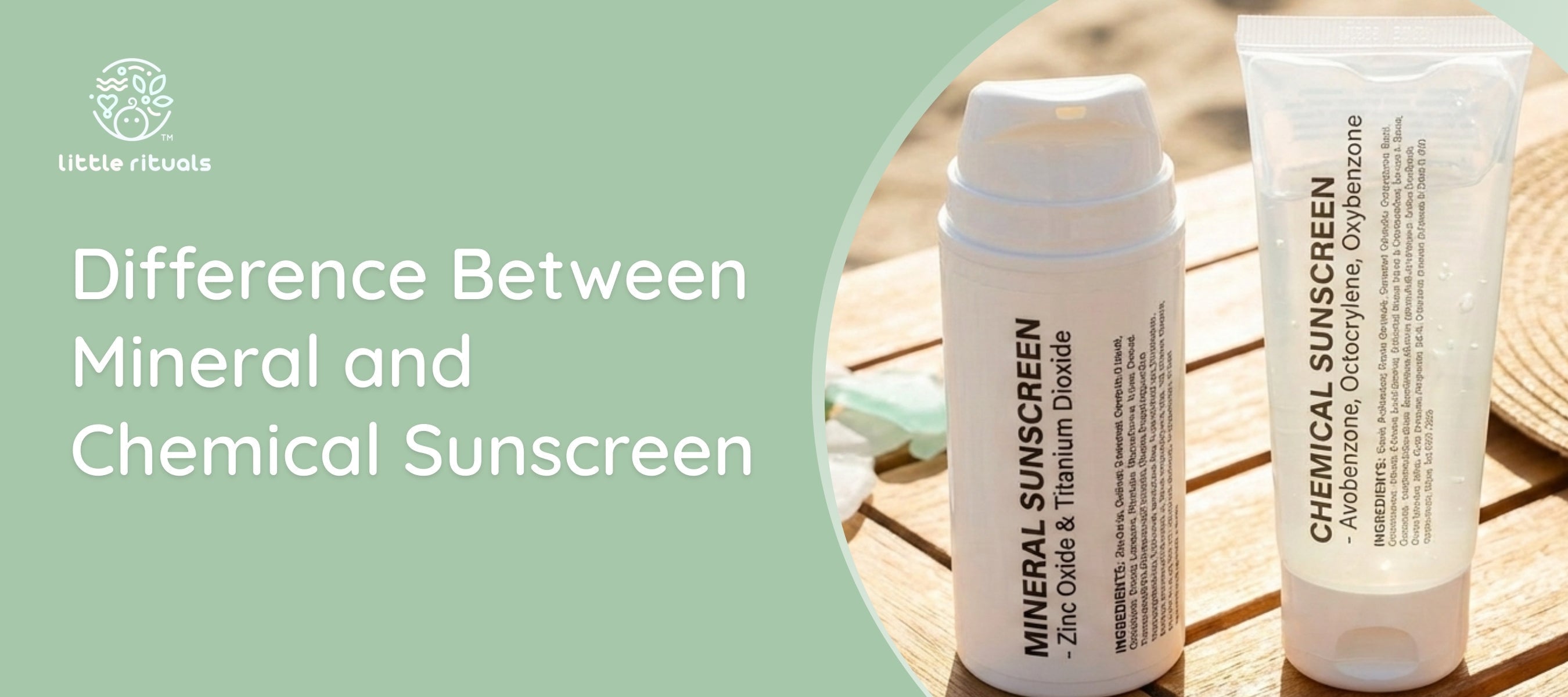
The difference between mineral and chemical sunscreen lies primarily in how they protect the skin from harmful ultraviolet rays. Mineral sunscreens, also known as physical sunscreens, create a barrier on the skin that reflects UV rays, offering immediate protection. Chemical sunscreens absorb UV rays and convert them into heat, which can sometimes irritate sensitive skin and require waiting time before they become effective.
In this article, we will explore the difference between mineral and chemical sunscreen, explain their advantages and drawbacks, and guide parents in choosing the safest and gentlest sunscreen for their little ones.
What Is Mineral Sunscreen?
Mineral sunscreen, also called physical sunscreen, works by sitting on the surface of the skin and reflecting harmful UV rays away. Its primary ingredients, zinc oxide and titanium dioxide, are naturally derived minerals that provide broad-spectrum protection against both UVA and UVB rays. Unlike chemical sunscreens, mineral sunscreens do not penetrate the skin, which makes them particularly suitable for babies and children whose skin is delicate and sensitive. You can explore the best safe mineral sunscreen for babies for better understanding.
Benefits of Mineral Sunscreen for Baby Skin
-
Gentle and non-irritating for sensitive or eczema-prone skin
-
Provides immediate sun protection as soon as it is applied
-
Safe for the environment and reef-friendly
-
Reduces the risk of skin allergies and rashes caused by chemical absorption

Drawbacks of Mineral Sunscreen
-
May leave a visible white cast, especially on darker skin tones
-
Can feel slightly thicker or heavier than chemical sunscreens
Understanding the difference between mineral and chemical sunscreen helps parents see why mineral sunscreens are preferred for daily use on infants and toddlers. Mineral sunscreen is designed to be a safe, reliable barrier for delicate skin while ensuring broad-spectrum UV protection.
What Is Chemical Sunscreen?
Chemical sunscreens work differently than mineral sunscreens. They absorb UV rays and convert them into heat, which prevents the rays from damaging the skin. Common chemical sunscreen ingredients include avobenzone, oxybenzone, octocrylene, and homosalate. These ingredients penetrate the skin and interact with UV light, which can sometimes be irritating for sensitive or young skin.
Advantages of Chemical Sunscreen
-
Lightweight and easy to apply, blends well with daily moisturizers
-
Does not leave a white cast on the skin
-
Often more water-resistant and suitable for active adults

Drawbacks of Chemical Sunscreen for Babies
-
May cause skin irritation, redness, or allergic reactions
-
Needs 15–20 minutes to become fully effective after application
-
Some ingredients can have a negative environmental impact on coral reefs
By comparing the difference between mineral and chemical sunscreen, it becomes evident that chemical sunscreen may be convenient for adults but is not the safest choice for babies or toddlers due to the potential for skin irritation and delayed protection.
Mineral vs Chemical Sunscreen: Key Differences
To help parents make an informed decision, here are the main differences explained in detail:
How They Work
- Mineral sunscreen reflects UV rays from the skin surface
- Chemical sunscreen absorbs UV rays and converts them into heat
Active Ingredients
- Mineral sunscreen uses zinc oxide and titanium dioxide
- Chemical sunscreen contains avobenzone, oxybenzone, octocrylene, and other chemical filters
Protection Start Time
- Mineral sunscreen works immediately upon application
- Chemical sunscreen requires 15–20 minutes before protection is fully active
Best For
- Mineral sunscreen is ideal for sensitive skin and babies
- Chemical sunscreen is suitable for adults and those with oily skin
Skin Reaction
- Mineral sunscreen is gentle, non-irritating, and less likely to cause rashes
- Chemical sunscreen may sting, cause redness, or trigger allergies
Environmental Impact
- Mineral sunscreen is reef-safe and eco-friendly
- Chemical sunscreen can harm coral reefs and aquatic life
By understanding these differences, parents can make a safer choice for daily sun protection, prioritizing mineral sunscreen for their children.
Which Sunscreen Is Best for Baby Skin?
For infants and toddlers, mineral sunscreen is generally the best choice. The main reason is that mineral sunscreen ingredients do not penetrate the skin but form a physical barrier on top, reflecting UV rays. Along with sunscreen, following a proper baby skin care routine helps maintain overall skin health and protection. This makes it less likely to cause irritation or allergic reactions.
Chemical sunscreens, although effective for adults, are not recommended for babies because they can penetrate delicate skin and may cause redness or rashes. Pediatric dermatologists often advise using zinc oxide-based sunscreens for infants, making mineral sunscreen the safest option.
Parents should also look for sunscreens that are free of parabens, fragrances, and harsh chemicals. Mineral-based sunscreens designed for babies often come with added soothing ingredients that further protect sensitive skin. Using nourishing oils like baby body massage oil can also support healthy skin development.
How to Apply Sunscreen on Babies and Kids
Proper application ensures maximum protection from harmful UV rays. Follow these steps:
-
Apply sunscreen at least 15 minutes before sun exposure
-
Use a sufficient amount and massage gently over the face, arms, legs, and other exposed areas
-
Reapply every 2 hours, and after swimming or sweating
-
Make sunscreen application a daily routine to protect skin consistently
For added nourishment, gentle oils like almond oil for baby skin can be used as part of your baby’s daily routine to keep skin soft and hydrated.
Additional tips:
-
Focus on often-missed areas like ears, neck, and tops of the feet
-
Use mineral sunscreens in combination with hats and protective clothing for enhanced safety
- Choose tear-free, non-sticky formulas that your child will tolerate easily
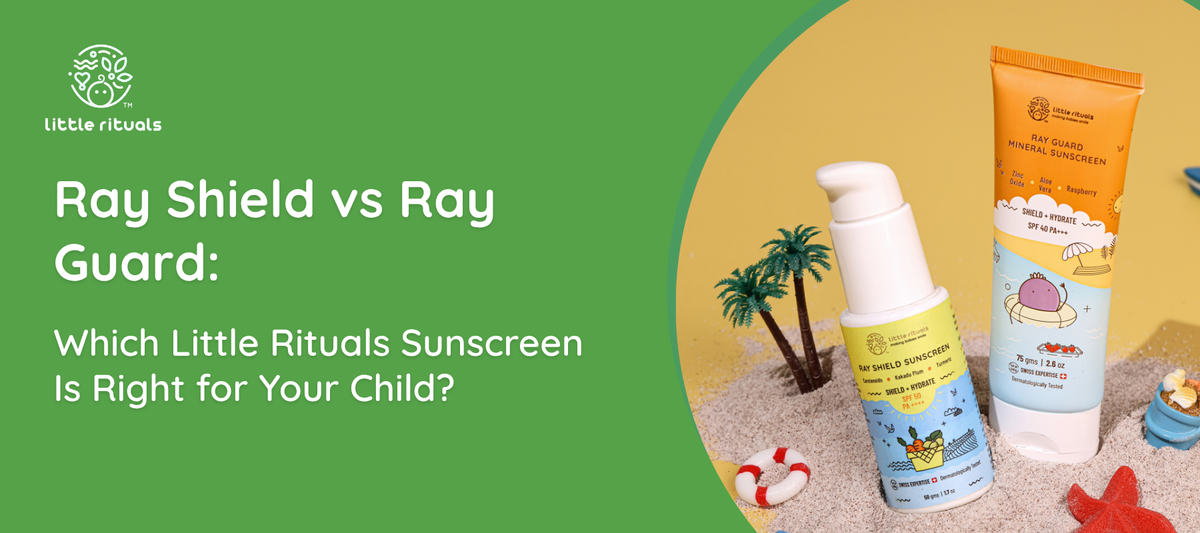
Little Rituals Ray Guard Sunscreen
When choosing a mineral sunscreen that is gentle, reliable, and suitable for children, one excellent option is the Little Rituals Ray Guard Sunscreen. This thoughtfully formulated sunscreen is designed specifically to meet the needs of delicate, sensitive skin.
Features of Little Rituals Ray Guard Sunscreen include:
- Mineral‑based formulation using zinc oxide
- Tear‑free and non‑sticky texture for easy daily use
- Designed to be gentle on sensitive and baby skin
- Dermatologically tested and parent trusted
Choosing a product like Little Rituals Ray Guard Sunscreen helps reinforce the importance of understanding the difference between mineral and chemical sunscreen so you select a solution that prioritizes both safety and effectiveness. You can also complement sunscreen use with gentle cleansing products like a body and hair wash.
Conclusion
Understanding the difference between mineral and chemical sunscreen is key for keeping your baby safe in the sun. While both types offer UV protection, mineral sunscreen is safer for infants and toddlers due to its gentle, non-penetrating ingredients and immediate effectiveness. Daily use of mineral sunscreen, along with protective clothing and shade, ensures your child’s skin remains healthy and protected.
Choosing a mineral-based sunscreen for babies india combines safety, effectiveness, and care, helping parents create a daily ritual that keeps little ones protected while enjoying the outdoors.
Read Our Latest Blogs
Unique Baby Shower Gifts for Mom to Be | What Causes Colic in Babies | Is Bottle Feeding Safe for Newborn Baby | What Is Abhyanga Massage |What Is Mineral Sunscreen | Benefits of Mineral Sunscreen | How to Use Body Butter | Body Butter for Dry Skin | Is Sunscreen Safe For Babies
Frequently Asked Questions
Q1. Which sunscreen is safer for babies?
Mineral sunscreen is safer because it forms a barrier on the skin and does not penetrate, reducing the risk of irritation and allergic reactions.
Q2. Can chemical sunscreens cause rashes in babies?
Yes, chemical sunscreen ingredients can sometimes cause redness, irritation, or allergic reactions in sensitive or infant skin.
Q3. How soon before sun exposure should sunscreen be applied?
Mineral sunscreen works immediately, while chemical sunscreen should be applied 15–20 minutes before sun exposure.
Q4. Can mineral sunscreen leave a white cast?
Some mineral sunscreens may leave a light white cast, especially on darker skin tones, though modern formulas are designed to blend easily.
Q5. What SPF should I use for my baby?
SPF 40 or higher is recommended for infants and toddlers to ensure adequate protection from harmful UVA and UVB rays.
Q6. Is mineral sunscreen safe for daily use?
Yes, mineral sunscreen is gentle enough for daily use and can be applied whenever the child is exposed to sunlight.
Q7. Are chemical sunscreens environmentally friendly?
Many chemical sunscreens can be harmful to coral reefs and marine life, while mineral sunscreens are generally reef-safe and eco-friendly.
Q8. Can I switch between mineral and chemical sunscreen for my child?
For babies and toddlers, it is best to consistently use mineral sunscreen to minimize the risk of irritation and ensure immediate protection.