What is Mineral Sunscreen? A Complete Guide for Gentle Sun Protection
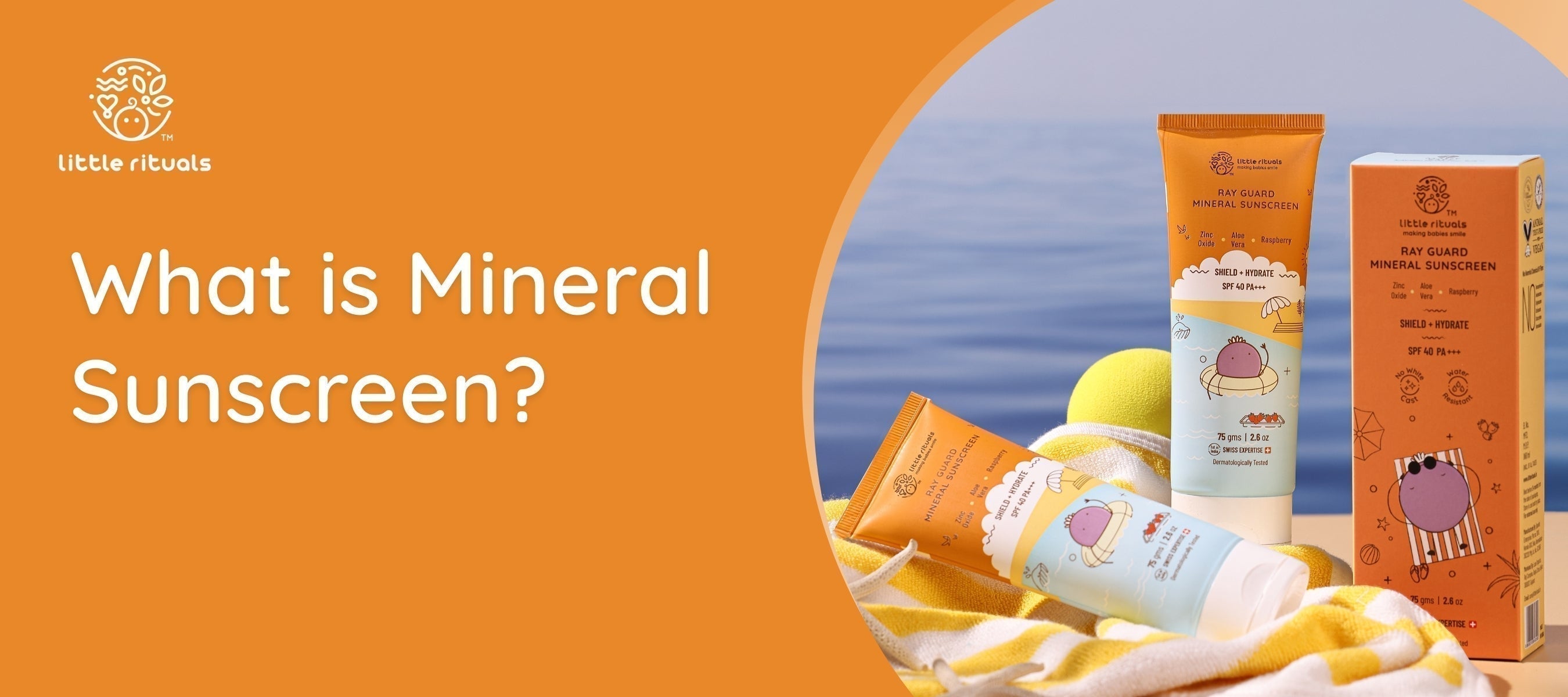
Mineral sunscreen is a physical sunscreen made with zinc oxide or titanium dioxide that protects skin by reflecting harmful UVA and UVB rays. It works immediately after application, is gentle on sensitive and baby skin, and is free from harsh chemicals commonly found in chemical sunscreens, making it a safe and eco-friendly choice for daily sun protection.
Sun protection is essential for everyone, especially for babies and children with delicate, sensitive skin. If you have ever asked yourself, “what is mineral sunscreen?”, you are seeking a solution that is both safe and effective for everyday sun exposure. Mineral sunscreen is a natural, gentle option that protects the skin by reflecting harmful UV rays rather than absorbing them. This makes it an ideal choice for young skin that can be easily irritated.
Parents are increasingly choosing mineral sunscreen because it is safe, hypoallergenic, and environmentally friendly. Unlike chemical sunscreens, which require time to absorb and may cause irritation, mineral sunscreen works immediately, creating a protective barrier on the skin. In this article, we will answer your questions about what is mineral sunscreen, explain its benefits, compare it with chemical sunscreens, and provide detailed guidance on choosing and applying it safely.
By the end of this guide, you will fully understand why mineral sunscreen is trusted by parents worldwide for their children’s sun care.
What is Mineral Sunscreen
Mineral sunscreen, also known as physical sunscreen, is made using natural minerals such as zinc oxide and titanium dioxide. When applied to the skin, these minerals form a physical barrier that reflects UV rays away from the skin, preventing sun damage. This is different from chemical sunscreens, which absorb UV rays and convert them into heat.
Key points about mineral sunscreen include:
-
Provides broad-spectrum protection against UVA and UVB rays
-
Works immediately upon application, without waiting
-
Safe for babies, toddlers, and sensitive skin
-
Hypoallergenic, non-comedogenic, and fragrance-free
-
Free from harmful chemicals such as oxybenzone and parabens
-
Environmentally friendly and reef-safe
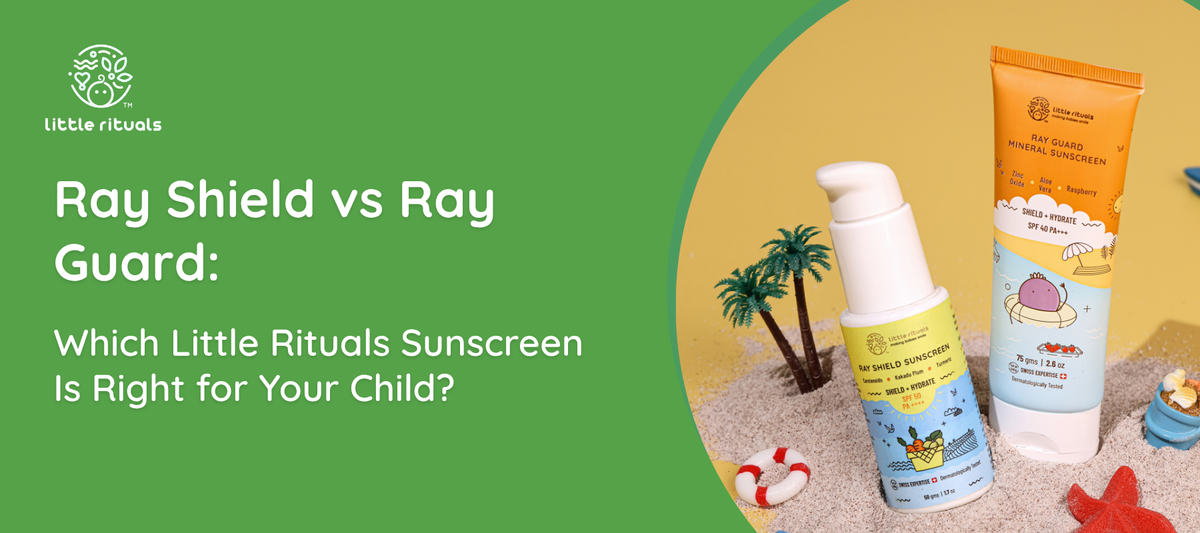
Modern mineral sunscreen formulations, such as Little Rituals’ Ray Guard Mineral Sunscreen, are designed to blend smoothly into the skin. Micronized zinc oxide ensures that there is no heavy white residue, making the sunscreen comfortable for everyday use. Parents often ask, “what is mineral sunscreen?”, and the answer is that it is a gentle, effective, and safe way to protect your child’s skin from the harmful effects of the sun.
How Mineral Sunscreen Differs from Chemical Sunscreen
Understanding the difference between mineral and chemical sunscreen can help parents make informed choices for their children’s skin.
Mineral sunscreen works by reflecting UV rays, whereas chemical sunscreen works by absorbing UV rays and converting them into heat. Chemical sunscreens often contain ingredients like avobenzone, oxybenzone, and octinoxate, which can irritate sensitive skin. In contrast, mineral sunscreen uses natural minerals such as zinc oxide and titanium dioxide, which are gentle, safe, and less likely to cause allergic reactions.

Additional differences include:
-
Mineral sunscreen provides immediate protection, while chemical sunscreen needs 15 to 20 minutes to activate
-
Mineral sunscreen is generally more suitable for sensitive skin and babies
-
Mineral sunscreen is reef-safe and environmentally conscious, whereas some chemical sunscreens can damage coral reefs
-
Mineral sunscreen is often recommended by dermatologists for delicate skin due to its hypoallergenic properties
If you are wondering “what is mineral sunscreen?”, the simple answer is that it is a natural, protective layer that is safe, effective, and environmentally friendly, making it a preferred choice for daily use.
Benefits of Mineral Sunscreen for Babies and Sensitive Skin
Mineral sunscreen is particularly suitable for babies, toddlers, and adults with sensitive skin. Here are the key benefits of mineral suncreen:
-
Provides broad-spectrum protection, shielding the skin from both UVA and UVB rays
-
Works immediately upon application, with no waiting period
-
Gentle and safe for delicate, sensitive, or newborn skin
-
Non-comedogenic and fragrance-free, reducing the risk of irritation
-
Environmentally conscious and reef-safe
-
Dermatologist-approved and recommended for daily use
Mineral sunscreen is ideal for parents looking for a safe and effective way to protect their children from sun damage. It is a natural, non-toxic choice that ensures your child’s skin is cared for while being protected from harmful UV rays.
Common Myths About Mineral Sunscreen
Even though mineral sunscreen is safe and effective, there are several myths that can make parents hesitant to use it. Let’s clarify these common misconceptions:
-
Myth: Mineral sunscreen leaves a white cast
Truth: Modern formulas with micronized zinc oxide blend smoothly into the skin and leave little to no visible residue
-
Myth: Mineral sunscreen is thick and sticky
Truth: Today’s formulations are lightweight, making them comfortable for babies and children
-
Myth: Mineral sunscreen is not waterproof
Truth: Many modern mineral sunscreens are water-resistant and can withstand swimming and sweating
-
Myth: Mineral sunscreen is less effective than chemical sunscreen
Truth: Mineral sunscreen offers broad-spectrum protection and is just as effective when applied correctly
Understanding these myths helps parents make informed decisions about the safety and effectiveness of mineral sunscreens.
How to Apply Mineral Sunscreen Correctly
Proper application of mineral sunscreen ensures optimal protection. Follow these steps:
-
Start with a clean and dry skin
-
Apply a generous layer on all exposed areas, including the face, ears, neck, arms, and legs
-
Use the three-finger rule: the length of three fingers of sunscreen covers one limb
-
Reapply every two hours, or immediately after swimming or heavy sweating
-
For smoother application, layer mineral sunscreen over a gentle moisturizer
Using these steps ensures that your child is fully protected and comfortable, making mineral sunscreen a reliable part of daily skincare routines.
Read more in our guide : How To Apply Sunscreen On A Baby
How to Choose the Right Mineral Sunscreen
When selecting mineral sunscreen, consider the following factors:
-
Contains non-nano zinc oxide for safe protection
-
Provides broad-spectrum SPF 40 or more to shield against UVA and UVB rays
-
Free from fragrance, parabens, and harmful chemicals
-
Pediatrician-approved and clinically tested for sensitive skin
-
Water-resistant and gentle for everyday use
Little Rituals’ Ray Guard is an excellent example, combining Swiss technology and plant-based actives to provide safe, effective, and gentle protection. Choosing the right mineral sunscreen ensures your child enjoys the sun safely while avoiding skin irritation.
Why Little Rituals Supports Gentle Sun Protection
At Little Rituals, we understand the importance of protecting your child’s delicate skin. Our mineral sunscreens are:
-
Clinically tested
-
Pediatrician-approved
-
Formulated with natural minerals and plant actives
-
Designed for sensitive and developing skin
By choosing mineral sunscreen, parents can provide safe, effective, and environmentally responsible protection every day. Mineral sunscreen is more than a product; it is a daily ritual of care for families who value gentle, safe sun protection.
Final Thoughts
Mineral sunscreen is a safe, gentle, and effective way to protect babies, children, and adults from harmful UV rays. Parents asking themselves “what is mineral sunscreen?” will find that it combines broad-spectrum protection, immediate effectiveness, and hypoallergenic properties in a natural, environmentally responsible formula.
Choosing mineral sunscreen, such as Little Rituals Ray Guard Mineral Sunscreen, allows families to make sun protection a daily ritual of care. With safe ingredients, pediatrician approval, and modern formulations, mineral sunscreen ensures that your child’s skin is healthy, protected, and comfortable every day.
Read Our Latest Blogs
Unique Baby Shower Gifts for Mom to Be | What Causes Colic in Babies | Is Bottle Feeding Safe for Newborn Baby | What Is Abhyanga Massage | Difference Between Mineral and Chemical Sunscreen | Benefits of Mineral Sunscreen | How to Use Body Butter | Body Butter for Dry Skin | Body Butter vs Body Lotion | What Is Body Butter | Is Sunscreen Safe For Babies
Frequently Asked Questions
Q1. Is mineral sunscreen safe for babies?
Yes. Mineral sunscreen is hypoallergenic, gentle, and suitable for newborns and toddlers. It provides broad-spectrum protection without causing irritation.
Q2. Can mineral sunscreen be used every day indoors?
Yes. Even indoor lighting and sunlight through windows can expose skin to UV rays. Daily use of mineral sunscreen ensures consistent protection.
Q3. Does mineral sunscreen block Vitamin D absorption?
Mineral sunscreen does not significantly affect Vitamin D production. Short periods of sun exposure are usually sufficient for healthy Vitamin D levels.
Q4. How is baby mineral sunscreen different from adult formulations?
Baby mineral sunscreen is fragrance-free, tear-free, and gentle on sensitive skin. Adult formulations may contain stronger ingredients or fragrance that could irritate delicate skin.
Q5. How often should mineral sunscreen be reapplied?
Reapply every two hours or immediately after swimming, sweating, or towel drying to maintain effective protection.
Q6. Can mineral sunscreen be layered over moisturizer?
Yes. Layering mineral sunscreen over a gentle moisturizer can help smooth application and improve comfort on sensitive skin.
Q7. Is mineral sunscreen environmentally friendly?
Yes. Mineral sunscreen is reef-safe and free from chemicals that may harm marine life, making it an eco-conscious choice.
Q8. How do I remove mineral sunscreen from skin?
Use a gentle cleanser or baby wash to remove mineral sunscreen without causing irritation, ensuring the skin remains healthy and soft.