5 Signs Your Baby's Skincare Products Are Doing More Harm Than Good
Baby skincare side effects can include persistent redness, unusual dryness, recurring rashes, constant itching, or skin that worsens after using a product. These warning signs may indicate that your baby's skincare isn't suitable for their delicate skin. Recognizing these symptoms early and switching to gentle, toxin-free alternatives can help protect your baby's skin barrier. Here's what every parent should watch for.
Baby skincare side effects are often the first indication that a product isn't working well for your little one. Since a baby's skin is thinner and more delicate than an adult's, choosing the right skincare matters. At Little Rituals, we believe that safe, gentle skincare begins with understanding your baby's skin and recognizing early warning signs before irritation becomes a bigger concern.
Why Baby Skin Reacts Differently Than Adult Skin
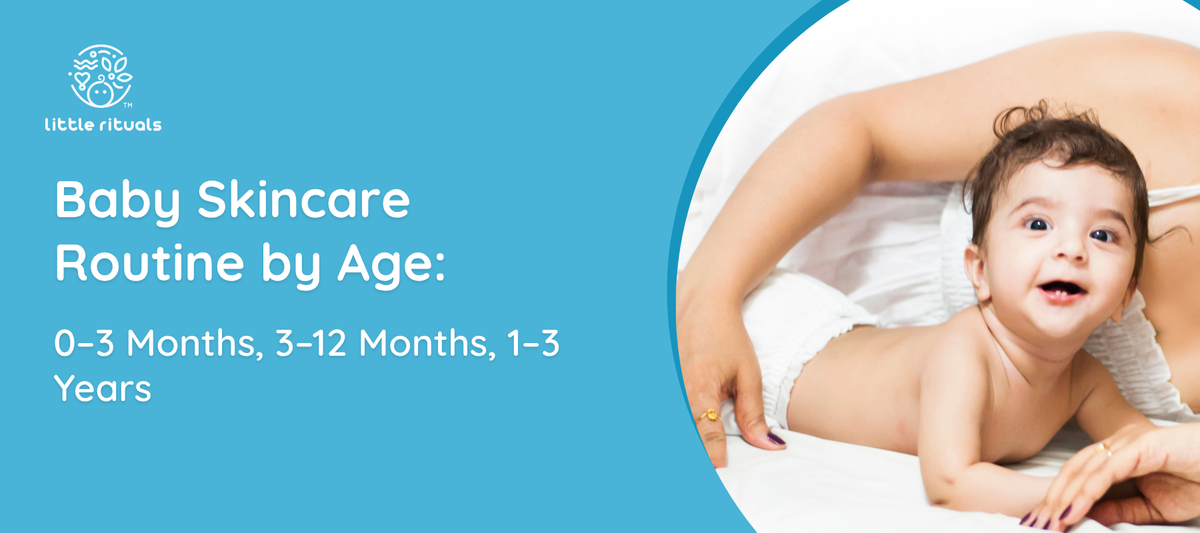
A baby's skin is incredibly delicate. In fact, it is thinner, more absorbent, and still developing during the first few years of life. This means it loses moisture more easily and can react faster to certain ingredients found in skincare products.
Unlike adult skin, a baby's protective barrier is still maturing. Exposure to harsh cleansers, artificial fragrances, drying alcohols, or unnecessary additives may disturb this natural barrier and lead to irritation.
While not every baby reacts the same way, understanding how delicate infant skin functions helps parents make informed skincare choices. Using products specifically formulated for babies can help maintain healthy, hydrated, and comfortable skin.
5 Signs Your Baby's Skincare Products Are Doing More Harm Than Good
Not every skin concern is caused by skincare, but when symptoms consistently appear after using a product, it's worth taking a closer look. Here are five warning signs parents should never ignore.
⚠️ Warning Sign #1. Persistent Redness That Doesn't Fade
It's normal for a baby's cheeks to appear slightly pink after a warm bath or during cold weather. However, redness that remains for hours or returns repeatedly after applying skincare products may signal irritation.
Some ingredients, including synthetic fragrances and harsh cleansing agents, may not suit sensitive skin. Persistent redness often means the skin barrier is becoming stressed rather than soothed.
If the redness continues despite proper care, discontinue the product and consult your pediatrician for guidance.
⚠️ Warning Sign #2. Dry, Flaky, or Tight Skin After Every Bath
Healthy baby skin should feel soft and hydrated after cleansing—not dry or uncomfortable.
If your baby's skin consistently becomes flaky or rough after bath time, the cleanser may be removing too much of the skin's natural moisture. Frequent bathing with products containing harsh surfactants can weaken the skin barrier over time.
One of the common baby skincare side effects parents notice is increasing dryness despite regular moisturizing. Choosing a gentle, pH-balanced cleanser and applying moisturizer immediately after bathing can help lock in hydration.
⚠️ Warning Sign #3. New Rashes or Tiny Bumps Keep Appearing
Small bumps or unexplained rashes that develop shortly after introducing a new skincare product deserve attention.
These reactions may occur because the skin is sensitive to a particular ingredient rather than because of an underlying medical condition. While many rashes are temporary, repeated flare-ups suggest the product may not be suitable.
Stop using the product if the rash continues or worsens, and seek medical advice if the irritation spreads or is accompanied by swelling or discomfort.
⚠️ Warning Sign #4. Your Baby Constantly Rubs or Scratches Their Skin
Babies cannot tell us when something feels uncomfortable, so they communicate through their actions.
If your baby repeatedly rubs their face, scratches their arms, or appears unusually restless after skincare application, itching may be the cause.
Sometimes the skin may appear normal while still feeling irritated. Artificial fragrances, certain preservatives, or overly strong cleansers may contribute to discomfort in babies with sensitive skin.
Observing your baby's behavior after applying skincare products can reveal important clues about how their skin is responding.
⚠️ Warning Sign #5. Skin Problems Keep Getting Worse Instead of Better
A good skincare routine should support healthy skin over time. If redness, dryness, irritation, or rough patches continue to worsen despite consistent use of a product, it's time to reconsider your routine.
Recurring irritation is one of the clearest baby skincare side effects parents should never overlook.
Rather than layering multiple products in hopes of improving the condition, simplify your baby's routine and choose gentle formulations designed specifically for delicate skin.
Common Ingredients That May Trigger Baby Skincare Side Effects
Reading ingredient labels can help parents make more confident choices.
Some ingredients that may not be suitable for sensitive baby skin include:
-
Artificial fragrances
-
Harsh sulphates
-
Drying alcohols
-
Artificial colours
-
Strong preservatives
-
Ingredients that create excessive foaming
This doesn't mean every baby will react to these ingredients, but choosing simpler formulations with carefully selected ingredients often supports healthier skin.
When shopping for skincare, look for products that are dermatologist-tested, designed for babies, and transparent about their ingredient lists.
How to Choose Safer Baby Skincare Products
Selecting baby skincare doesn't have to be complicated. A few simple considerations can make a meaningful difference.
Look for products that are:
-
Dermatologist tested
-
Suitable for newborn and sensitive skin
-
Free from parabens and sulphates
-
Free from artificial fragrances
-
pH-balanced
-
Clinically tested where applicable
-
Made with thoughtfully selected plant-based ingredients
-
Supported by transparent ingredient information
Parents often find that a simple skincare routine with fewer products works better than using multiple products at once.
A Gentle Baby Skincare Routine for Healthy Skin
A consistent routine helps support your baby's natural skin barrier.
Morning
-
Clean the face gently if needed.
-
Apply a lightweight moisturizer to maintain hydration.
-
Protect exposed skin appropriately when spending time outdoors.
Evening
-
Bathe using a mild cleanser.
-
Pat the skin dry instead of rubbing.
-
Apply moisturizer while the skin is still slightly damp.
-
Massage gently if recommended by your pediatrician.
Consistency is usually more beneficial than frequently changing products.
Why Parents Trust Little Rituals
When it comes to baby skincare, parents increasingly look beyond attractive packaging and focus on product safety, ingredient transparency, and scientific formulation.
Little Rituals was created with these priorities in mind. The brand offers thoughtfully formulated baby skincare products designed for delicate skin, combining plant-powered ingredients with Swiss expertise. Its formulations are dermatologically tested and free from commonly avoided ingredients such as parabens, sulphates, and artificial fragrances.
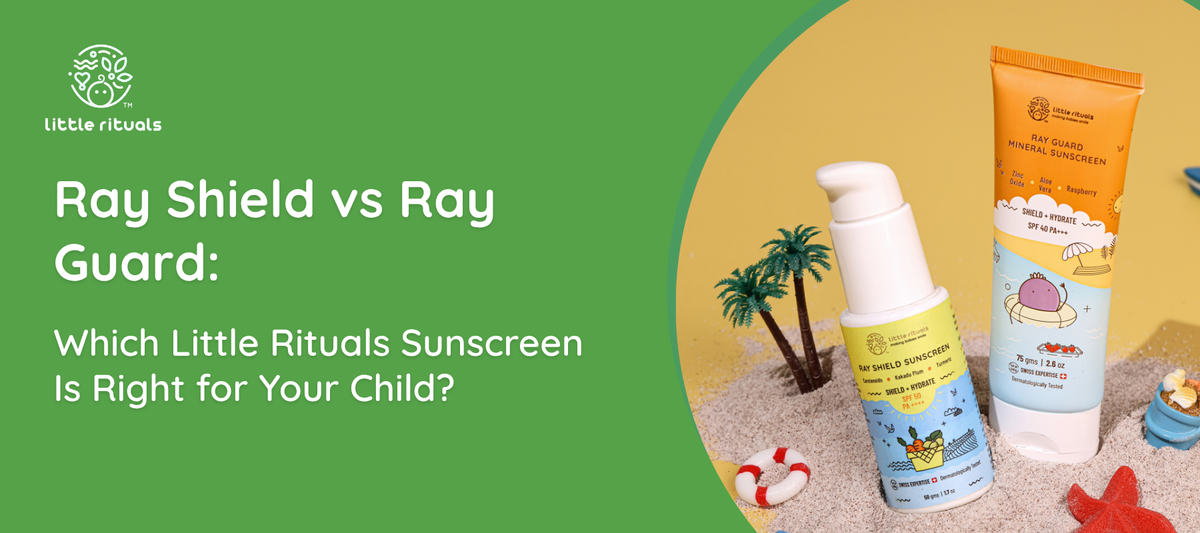
From gentle cleansing to everyday moisturization and sun protection, every product is developed to support a baby's natural skin barrier while giving parents greater confidence in their daily skincare routine.
Conclusion
Every baby's skin is unique, but persistent redness, dryness, itching, recurring rashes, or worsening irritation should never be ignored. These early signs often indicate that your baby's skincare routine needs attention.
Understanding baby skincare side effects allows parents to make informed decisions before minor irritation becomes a larger concern. By choosing gentle, carefully formulated products and keeping routines simple, you can help protect your baby's delicate skin while supporting its natural development.
If you're looking for baby skincare that combines gentle care with thoughtfully selected ingredients, explore the Little Rituals collection. With dermatologist-tested, plant-powered formulations created specifically for delicate baby skin, Little Rituals helps parents build a skincare routine they can feel confident about—every single day.
Frequently Asked Questions
Q1. How can I tell if my baby's skincare products are causing irritation?
Watch for redness, rashes, dryness, itching, or discomfort that appears shortly after using a product. If these symptoms consistently return, discontinue use and consult your pediatrician.
Q2. How often should I change my baby's skincare routine?
Avoid changing products frequently. Introduce one new product at a time and allow several days to observe how your baby's skin responds before adding another skincare routine.
Q3. Can baby skincare side effects appear immediately?
Yes. Some babies develop redness or irritation within minutes, while others may show symptoms after several days of repeated use.
Q4. Can fragrance-free skincare still cause reactions?
Although fragrance-free products generally reduce the risk of irritation, babies can still react to other ingredients. Always monitor your baby's skin after introducing a new product.
Q5. Is dry skin after every bath normal?
Occasional dryness can happen, but persistent dryness after every bath may indicate that the cleanser is too harsh or the skin barrier needs additional moisture.
Q6. Will stopping the product make the irritation disappear?
In many cases, mild irritation improves after discontinuing the product. However, if symptoms persist or worsen, seek medical advice to determine the underlying cause.
Q7. What ingredients should parents avoid in baby skincare products?
Parents often choose products that avoid harsh sulphates, parabens, artificial fragrances, drying alcohols, and unnecessary artificial colours, especially for sensitive skin.
Q8. Why is baby skin more sensitive than adult skin?
A baby's skin barrier is thinner and still developing, making it more vulnerable to moisture loss and environmental irritants. Gentle skincare helps support this natural protective barrier.