Skin Barrier Function for Babies: Why It Matters and How to Protect It Naturally

The skin barrier function for babies is the outer protective layer that keeps moisture locked in while shielding delicate skin from irritants, bacteria, and environmental stress. Because infant skin is thinner and still developing, it loses hydration more easily and needs gentle cleansing, regular moisturising, and safe, minimal skincare to stay healthy and balanced.
The skin barrier function for babies is one of the most important aspects of early skin health, yet it is often overlooked in everyday care. A baby’s skin is not simply a smaller version of adult skin; it is structurally different, more delicate, and still in the process of developing its natural defenses. This is why many parents today are moving toward gentle, plant-based, and safety-focused skincare philosophies, often inspired by mindful brands like Little Rituals that emphasise simplicity and skin respect. Within the first few months of life, a baby’s skin adapts to the outside world, and how it is cared for during this time can influence long-term comfort and resilience. Understanding this process helps parents make informed decisions that protect and support their baby’s natural skin barrie.
What is Skin Barrier Function for Babies?
The skin barrier is the outermost layer of the skin, often referred to as the first line of defense. Its primary function is to act as a protective shield that maintains internal hydration while preventing harmful external elements from entering the body.
In babies, this barrier is still immature and not fully developed. The structure of the skin barrier can be compared to a protective wall. The outer skin cells form the visible surface, while natural lipids fill the spaces between these cells, holding them together and preventing moisture from escaping. When this structure is intact, the skin remains soft, smooth, and well hydrated.
Another crucial component is the acid mantle, which is a thin layer that maintains the skin’s natural pH balance. This slightly acidic environment helps prevent the growth of harmful bacteria and supports overall skin health. In newborns, this protective layer is not yet fully established, which makes their skin more vulnerable to dryness, irritation, and imbalance.
Because the barrier is still forming, even small disruptions such as harsh cleansers or environmental changes can have a noticeable impact. This is why maintaining a gentle and consistent skincare approach is essential during the early stages of life.
Why Baby Skin Barrier is So Delicate
Thinner Skin and Faster Water Loss
One of the key reasons baby skin is so delicate is its thickness. Infant skin is significantly thinner than adult skin, which means it has a reduced ability to retain moisture. This leads to increased transepidermal water loss, where water escapes from the skin more quickly than it can be replenished. As a result, babies are more prone to dryness, roughness, and dehydration, especially in dry or cold environments.
Immature pH Balance
The acid mantle, which plays a critical role in protecting the skin, takes time to fully develop after birth. Until this protective layer becomes stable, the skin remains more alkaline and therefore more susceptible to irritation and microbial imbalance. This makes it easier for external irritants such as soaps, fragrances, or environmental pollutants to disrupt the skin’s natural balance.
Developing Immune Function
A baby’s immune system is still maturing, and the skin is closely linked to this process. The skin barrier acts as a physical and biological defense against harmful substances. However, since this system is not yet fully developed, babies rely heavily on external care to maintain protection. This is why even mild irritants can sometimes lead to visible reactions such as redness or rashes.
Signs Your Baby’s Skin Barrier is Damaged
A weakened skin barrier does not always appear suddenly. In many cases, the signs develop gradually and may be subtle at first. Paying close attention to these early changes can help prevent more serious skin concerns from developing later.
Some of the most common signs include:
- Dry or rough patches that feel uneven or slightly hardened when touched
- Flaky or peeling skin, especially around the cheeks, arms, and legs
- Persistent redness that does not fade easily and may worsen after bathing or exposure to certain products
- Frequent rashes, particularly in areas exposed to friction, moisture, or heat such as the diaper area, neck folds, and underarms
- Increased sensitivity where the skin reacts quickly to even mild products or environmental changes
- Eczema flare-ups that appear as itchy, inflamed patches and may cause discomfort or disturbed sleep
- Dull-looking skin that lacks its natural softness and glow
- Small bumps or irritation that appear after using new baby skincare products
In some cases, babies may also become fussy or uncomfortable due to skin irritation, even if the visible symptoms seem mild. This is because their skin is more sensitive and less tolerant of imbalance. Recognising these signs early allows parents to simplify routines and restore hydration before the condition worsens.
What Damages a Baby’s Skin Barrier?
The skin barrier is delicate and can be easily disrupted by both external factors and everyday skincare habits. Even well-intentioned routines can sometimes do more harm than good if they are not suited for sensitive infant skin.
Common causes of damage include:
- Harsh soaps and cleansers strip away the natural oils essential for maintaining the protective lipid layer. These products can leave the skin feeling dry and tight, which weakens its ability to retain moisture
- Overwashing, which is one of the most common mistakes. Frequent bathing removes not only dirt but also the natural protective elements of the skin, leading to increased dryness and sensitivity
- Synthetic fragrances and artificial additives may cause irritation or allergic reactions. Baby skin is more reactive, and even small amounts of these ingredients can disrupt its balance
- Sudden weather changes such as cold winds, low humidity, or excessive heat. These environmental factors can quickly reduce hydration levels and make the skin more prone to dryness and inflammation
- Pollution and airborne irritants that settle on the skin and interfere with its natural function, especially in urban environments
- Rough fabrics or tight clothing that create friction against the skin, leading to irritation and weakening of the barrier over time
- Overuse of multiple skincare products, which can overwhelm the skin and increase the risk of reactions
It is important to understand that baby skin does not need complex routines. In many cases, simplifying care and avoiding unnecessary exposure to irritants can significantly improve skin health.
How to Protect and Strengthen Skin Barrier Function for Babies
Protecting the skin barrier function for babies requires a gentle, consistent, and thoughtful approach. Since the barrier is still developing, the goal should be to support it rather than interfere with its natural processes.
Use Gentle and pH-Balanced Cleansers
Cleansing should be mild and non-disruptive. Baby Products that are specifically formulated for babies help maintain the natural pH balance of the skin. Avoid cleansers that produce excessive foam, as these often contain ingredients that can strip away essential oils.
Moisturise Consistently and Correctly
Moisturising is one of the most effective ways to strengthen the skin barrier. Applying a moisturiser immediately after bathing, when the skin is slightly damp, helps lock in hydration. Regular moisturising keeps the skin soft, prevents dryness, and supports the lipid layer that holds the barrier together.
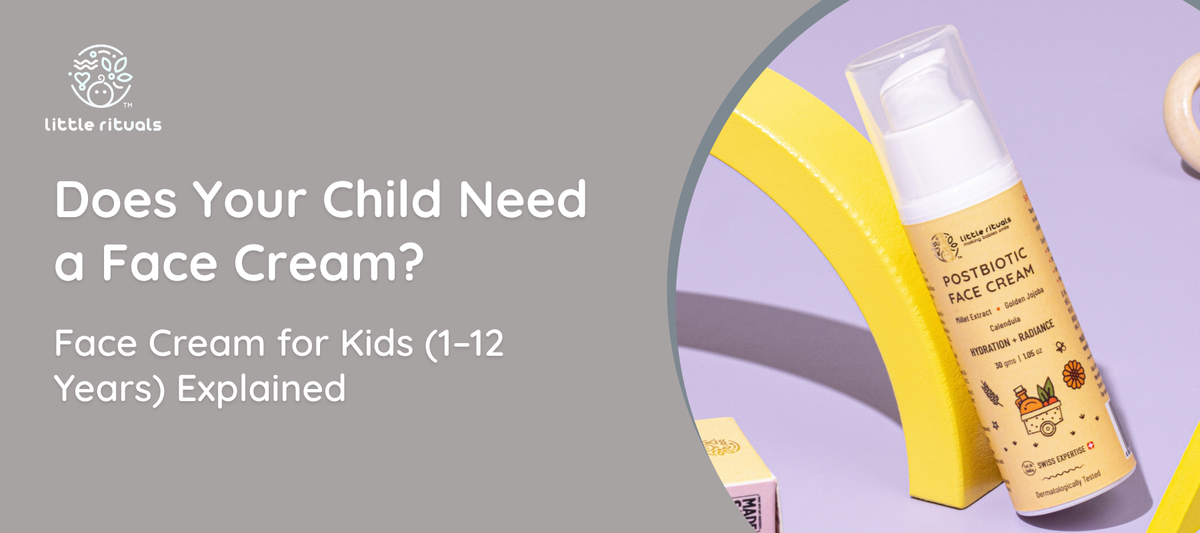
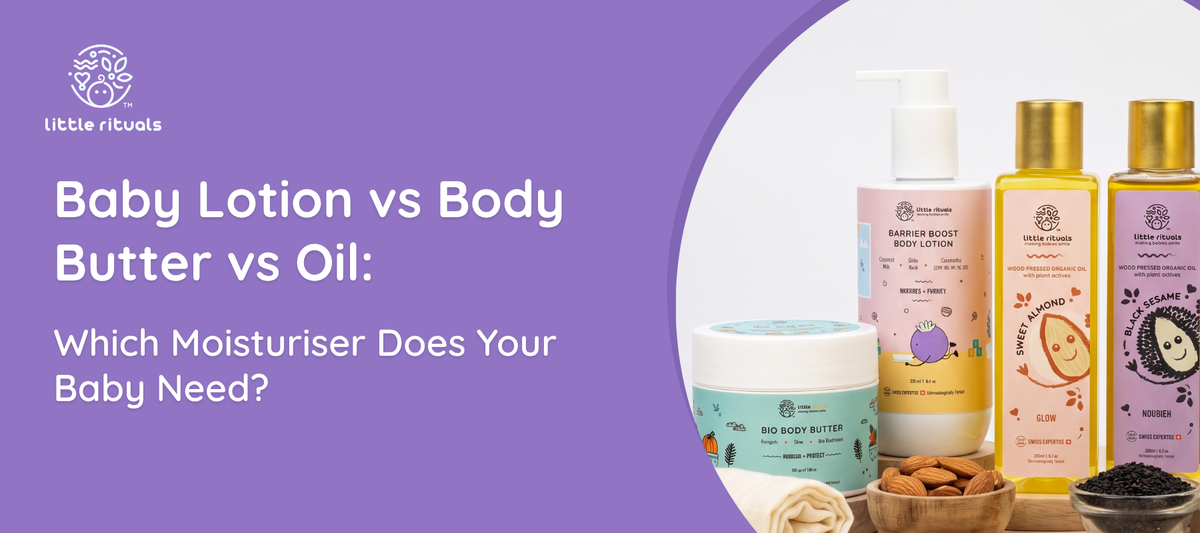
Little Rituals Barrier Boost Body Lotion and the Postbiotic Face Cream are designed to deeply hydrate while remaining lightweight and gentle on sensitive skin.
Adopt a Minimal Skincare Routine
Baby skin thrives on simplicity. Using too many products can disrupt the natural balance and increase the likelihood of irritation. A basic routine that includes gentle cleansing and moisturising is often sufficient to maintain healthy skin.
Avoid Harsh and Unnecessary Ingredients
Ingredients such as alcohol, artificial fragrances, and strong preservatives can weaken the skin barrier. Choosing clean and thoughtfully formulated products reduces the risk of irritation and supports long-term skin health.
Protect the Skin from Environmental Stress
Simple steps such as dressing your baby in soft, breathable fabrics and protecting their skin from extreme weather conditions can make a significant difference. Keeping the skin covered in cold weather and ensuring it stays cool and dry in warm conditions helps maintain balance.
Maintain Consistency in Care
Frequent changes in baby care products or routines can confuse the skin and lead to reactions. Sticking to a consistent routine allows the skin to adapt and strengthens its natural defenses over time.
Ingredients That Support Baby Skin Barrier Health
Choosing the right ingredients plays a crucial role in maintaining and improving the skin barrier. Gentle, nourishing components can help restore hydration, reduce irritation, and strengthen the skin’s natural defenses.
Natural Oils
Natural oils are widely valued for their ability to nourish and protect delicate skin.
- Almond oil deeply hydrates and improves skin softness while supporting overall nourishment
- Coconut oil creates a protective layer on the skin that helps prevent moisture loss and keeps the skin supple
- Sesame oil is known for its ability to support skin repair and improve resilience over time
These oils are rich in essential fatty acids, which are important for maintaining the lipid layer of the skin barrier.
Botanical Extracts
Botanical ingredients are gentle and soothing, making them ideal for sensitive baby skin.
- Chamomile helps calm irritation, reduce redness, and provide a soothing effect
- Aloe vera offers hydration and cooling properties, which are especially helpful for inflamed or irritated skin
These extracts work by reducing inflammation and supporting the skin’s natural healing process.
Essential Nutrients and Skin Supporting Components
Certain nutrients are essential for maintaining a healthy skin barrier.
- Vitamin E acts as an antioxidant that protects the skin from environmental stress and supports repair
- Fatty acids help strengthen the lipid structure of the skin, improving its ability to retain moisture
- Mild humectants attract and hold water in the skin, ensuring long-lasting hydration
When these ingredients are combined in a balanced formulation, they help create an environment where the skin barrier can develop naturally and remain strong.
Why Clean and Science-Backed Skincare Matters
Choosing the right skincare products is an important part of maintaining the skin barrier. Clean skincare focuses on using safe, non-toxic ingredients that do not interfere with the natural function of the skin. Science-backed formulations ensure that these ingredients are tested for safety and effectiveness.
Parents today are more aware of ingredient safety and are actively seeking products that are free from unnecessary additives. A well-formulated product not only nourishes the skin but also supports its natural development without causing irritation. This balance between safety and performance is essential for long-term skin health.
Building a Gentle Daily Routine for Healthy Baby Skin
Bath Time Care
Bath time should be calm and simple. Using lukewarm water helps prevent excessive dryness, while limiting bath duration reduces moisture loss. Cleansers should be used sparingly and only where necessary.
Moisturising Routine
Applying moisturiser immediately after bathing helps seal in hydration. This is the most effective time to restore moisture levels and keep the skin soft throughout the day.
Seasonal Adjustments
Skin needs can change with the environment.
- In colder conditions, additional moisturising may be required to prevent dryness
- In warmer climates, keeping the skin clean and dry helps avoid irritation and rashes
Adapting routines based on seasonal needs ensures consistent protection.
Expert Tips to Naturally Strengthen Your Baby’s Skin Barrier
Caring for your baby’s skin does not need to be complicated. Small, consistent practices can lead to noticeable improvements.
- Maintain a simple and regular skincare routine
- Avoid frequent changes in products
- Choose soft, breathable fabrics that do not irritate the skin
- Practice gentle massage to improve circulation and hydration
- Always perform a patch test before introducing new products
These steps help create a stable environment for the skin to develop naturally and stay healthy.
Final Thoughts: Healthy Skin Starts Early
The skin barrier function for babies is the foundation of healthy skin and plays a crucial role in overall comfort and protection. Supporting this barrier from the beginning helps prevent common skin concerns and promotes long-term resilience. By adopting gentle care practices and choosing suitable products, parents can ensure that their baby’s skin remains balanced, protected, and well-nourished as it continues to develop.
Give Your Baby the Care They Truly Deserve
Your baby’s skin deserves thoughtful, gentle care that supports its natural development. Choosing clean, safe, and effective products can make a meaningful difference in maintaining a healthy skin barrier.
With Little Rituals, you can build a simple yet effective routine using baby wash, lotion, and oil that are designed specifically for delicate skin. Their plant-based, toxin-free formulations help protect, nourish, and strengthen your baby’s skin, giving you confidence in every step of your baby’s skincare journey.
Frequently Asked Questions
Q1. How does a baby’s skin barrier develop over time?
A baby’s skin barrier develops gradually after birth as the outer layer becomes thicker and the acid mantle stabilises. Over time, this improves the skin’s ability to retain moisture and defend against external irritants.
Q2. Can a damaged skin barrier in babies recover completely?
Yes, with proper care such as gentle cleansing, consistent moisturising, and avoiding harsh products, the skin barrier can repair itself and regain its protective strength.
Q3. Is baby skin more sensitive than adult skin?
Yes, baby skin is thinner, more permeable, and still developing, which makes it more sensitive to environmental changes and skincare products.
Q4. Will frequent bathing damage the skin barrier?
Frequent bathing, especially with strong cleansers, can strip away natural oils and weaken the skin barrier. Limiting bath time and using gentle products helps maintain balance.
Q5. What is the main role of the skin barrier in babies?
The main role is to retain moisture and protect the body from harmful external elements such as bacteria, allergens, and environmental pollutants.
Q6. Why is moisturising important for baby skin?
Moisturising helps restore hydration, strengthen the lipid layer, and maintain the integrity of the skin barrier, preventing dryness and irritation.
Q7. How can I tell if my baby’s skin barrier is improving?
Improvement can be seen when the skin becomes softer, smoother, less red, and more hydrated, with fewer signs of irritation or dryness.
Q8. Can natural ingredients improve the skin barrier?
Yes, gentle natural ingredients such as plant based oils and botanical extracts can nourish the skin, improve hydration, and support the development of a strong and healthy skin barrier.