At What Age Can You Start Using Sunscreen on a Baby?
What age can babies use sunscreen? Most pediatric experts recommend using sunscreen only after a baby reaches 6 months of age. For babies younger than 6 months, the safest approach is to keep them out of direct sunlight using shade, lightweight protective clothing, and wide-brimmed hats. Once your baby is over 6 months, choose a broad-spectrum mineral sunscreen made for delicate skin. Understanding the right approach helps you protect your little one with confidence.
If you're wondering what age can babies use sunscreen, the simple answer is after 6 months. Until then, sun protection should focus on shade and protective clothing rather than sunscreen. At Little Rituals, we believe that caring for a baby's delicate skin starts with informed choices and gentle skincare solutions designed to support healthy skin from the very beginning. Incorporating proactive baby skin care tips into your family routine helps establish proper protective boundaries during early childhood development.
What Age Can Babies Use Sunscreen?
Parents often ask what age can babies use sunscreen because babies have delicate, developing skin that needs extra care. According to pediatric and dermatology recommendations, sunscreen is generally considered suitable only after a baby turns 6 months old.
For babies younger than six months, the skin barrier is still developing, making it more sensitive to heat and environmental exposure. Instead of relying on sunscreen, experts recommend limiting direct sun exposure and using physical methods of protection. Checking in on physical readiness during critical 2 month baby milestones can give parents an early look at how quickly an infant's overall biology changes well before they hit the six-month mark.
Once your baby is over six months old, sunscreen becomes an important part of a complete sun protection routine. However, it should always be combined with shade, protective clothing, hats, and avoiding intense midday sunlight.
Why Isn't Sunscreen Recommended for Babies Under 6 Months?
Understanding what age can babies use sunscreen also means knowing why younger infants need a different approach.
Their Skin Is More Delicate
A newborn's skin is thinner and more sensitive than an adult's. Because the skin barrier is still maturing, babies may react more easily to environmental factors and certain ingredients.
Babies Heat Up Quickly
Young babies cannot regulate their body temperature as efficiently as older children. Spending too much time in direct sunlight increases the risk of overheating and dehydration.
Shade Is the Safest Protection
Rather than applying sunscreen, keeping babies in shaded areas offers effective protection from harmful UV rays while reducing unnecessary exposure.
How Should You Protect Babies Younger Than 6 Months?
If your baby has not yet reached six months, these sun safety practices are recommended:
-
Keep Your Baby in the Shade: Whenever possible, choose shaded areas outdoors. Trees, umbrellas, or stroller canopies can help reduce direct sun exposure.
-
Dress Your Baby in Protective Clothing: Choose lightweight, breathable clothing with long sleeves and long pants whenever practical. Light-colored fabrics can help keep babies comfortable in warm weather.
-
Use a Wide-Brimmed Hat: A soft, wide-brimmed hat protects the baby's face, ears, and neck from direct sunlight.
-
Avoid Peak Sun Hours: Try to plan outdoor activities during the early morning or late afternoon when UV rays are generally less intense.
-
Stay Hydrated: If your baby is old enough, ensure they remain comfortable and appropriately hydrated while outdoors.
What Type of Sunscreen Is Best After 6 Months?
Once parents know what age can babies use sunscreen, the next question is choosing the right product.
Mineral Sunscreen Is Preferred
Mineral sunscreens use ingredients like non-nano zinc oxide or titanium dioxide to create a protective layer that reflects UV rays. These sit gently on the skin surface instead of penetrating it. Just as you avoid aggressive washing techniques during a newborn's delicate babys first bath, electing non-absorbing topical layers preserves the baseline moisture barrier from early on.
Choose Broad-Spectrum Protection
A broad-spectrum sunscreen protects against both UVA and UVB rays, helping reduce the risk of sunburn and long-term skin damage.
SPF 30 or Higher
Most experts recommend SPF 30 or above for babies and young children.
Gentle Formula
Look for products that are:
-
Dermatologically tested
-
Suitable for sensitive skin
-
Fragrance-free when possible
-
Designed specifically for babies or children
How to Apply Sunscreen Correctly on a Baby
After understanding what age can babies use sunscreen, proper application becomes equally important.
Follow these simple steps:
-
Apply sunscreen about 15–20 minutes before going outdoors.
-
Cover all exposed skin evenly.
-
Avoid the eyes, lips, and inside the nose.
-
Don't forget the ears, neck, hands, and feet.
-
Reapply every two hours.
-
Reapply after swimming or excessive sweating.
Remember, sunscreen should complement—not replace—other sun protection measures.
Common Sunscreen Mistakes Parents Should Avoid
Many parents unintentionally reduce sunscreen effectiveness by making simple mistakes.
Avoid these common errors:
-
Using sunscreen before a baby reaches the recommended age.
-
Applying too little product.
-
Forgetting often-missed areas like ears and feet.
-
Skipping reapplication.
-
Assuming sunscreen alone provides complete protection.
-
Using adult products that may not be suitable for delicate baby skin.
Additional Sun Safety Tips for Babies and Young Children
Sun protection goes beyond sunscreen.
Here are additional ways to keep your child safe outdoors:
-
Choose shaded play areas whenever possible.
-
Dress children in lightweight, UV-protective clothing.
-
Use sunglasses with UV protection for older babies and toddlers.
-
Encourage regular hydration during warm weather.
-
Check the daily UV index before planning outdoor activities.
-
Take breaks indoors during peak afternoon sunshine.
A combination of these habits provides better protection than sunscreen alone.
Choosing a Safe Sunscreen for Your Baby
When shopping for sunscreen, look for these important features:
✔ Mineral-based formula
✔ Broad-spectrum UVA and UVB protection
✔ SPF 30 or higher
✔ Non-nano zinc oxide
✔ Suitable for sensitive skin
✔ Dermatologically tested
✔ Water-resistant for outdoor play
Choosing the right sunscreen gives parents added confidence while enjoying outdoor adventures. Laying out a clear newborn baby shopping list early on ensures that when your baby is finally ready for sun exposure, you already have pure, vetted options prepared.
Gentle Sun Protection with Little Rituals
At Little Rituals, every skincare product is thoughtfully created with babies' delicate skin in mind. The brand combines carefully selected ingredients with gentle formulations to support healthy skin through every stage of childhood.
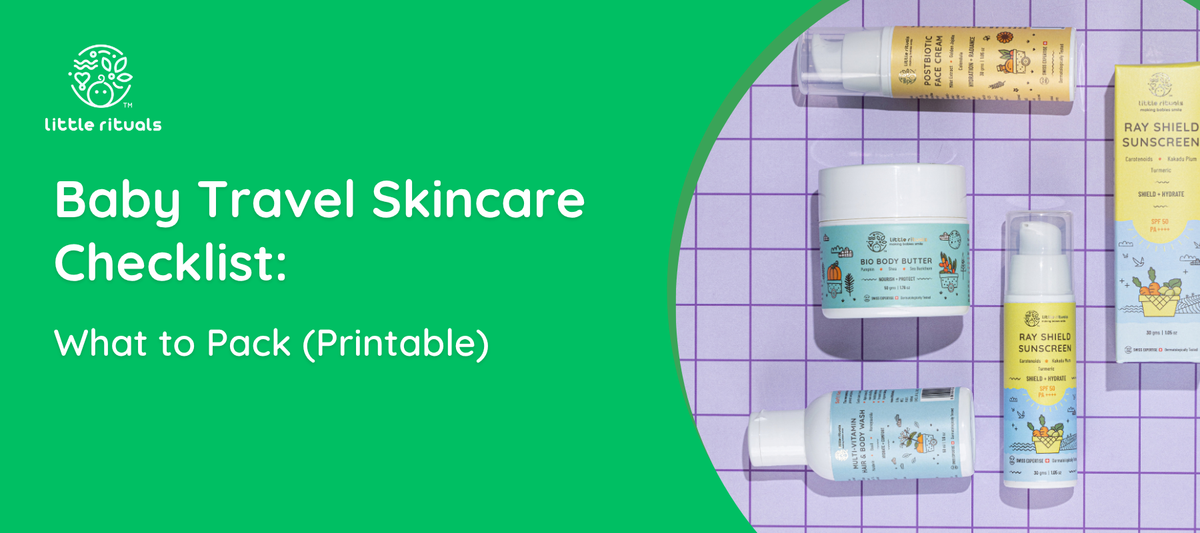
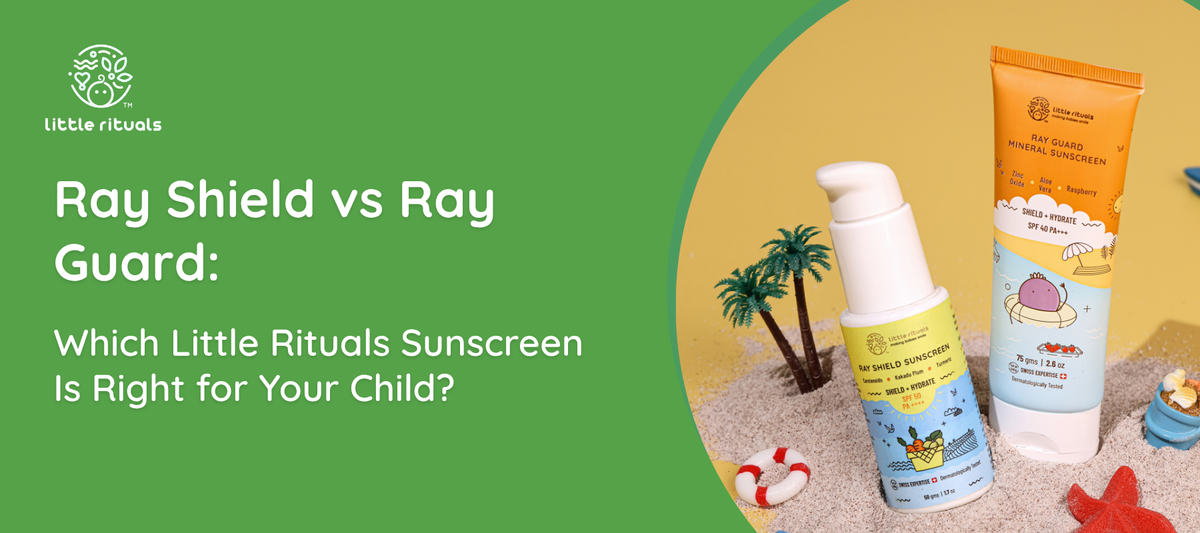
For parents searching for reliable everyday sun protection, Ray Guard Mineral Sunscreen offers broad-spectrum protection using non-nano zinc oxide, making it a suitable option for babies over six months and young children. Its gentle, plant-powered formula is designed for sensitive skin while helping shield little ones during outdoor activities.
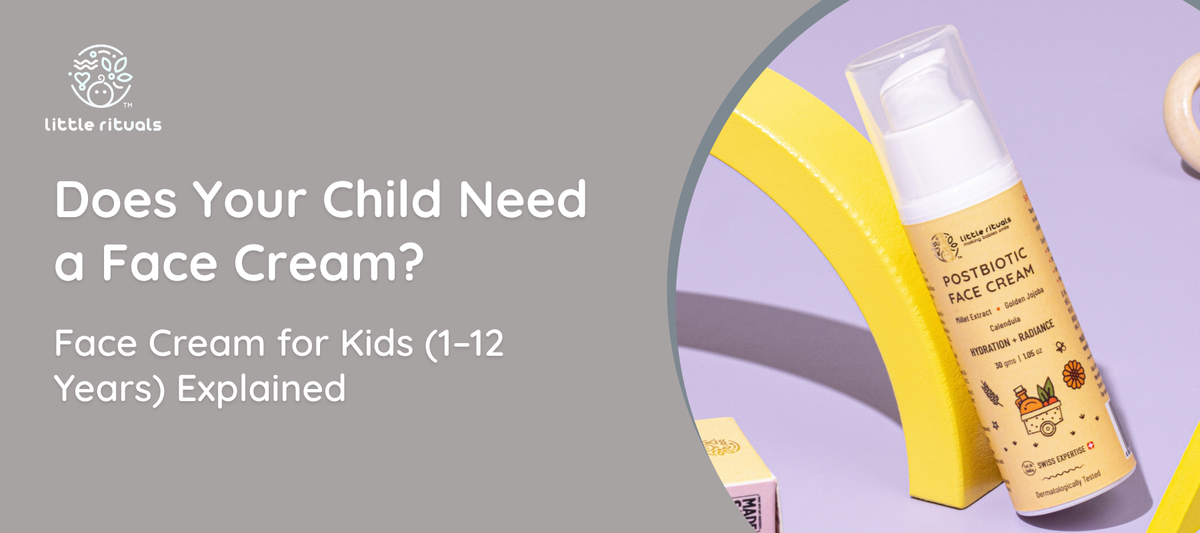
Little Rituals also offers Ray Shield Sunscreen, another gentle sun care solution developed for children's delicate skin, along with the Postbiotic Face Cream, which helps nourish and support the skin barrier as part of a complete daily skincare routine. Stocking up on proper newborn baby essentials ensures your nursery is filled only with formulations designed with maximum safety and complete structural integrity in mind.
Together, these products reflect Little Rituals' commitment to creating safe, gentle, and parent-trusted skincare designed especially for growing babies and children.
Final Thoughts
Knowing what age can babies use sunscreen helps parents make informed decisions that support healthy skin from infancy onward. Babies younger than six months should be protected primarily through shade, protective clothing, and limiting direct sun exposure. Once your baby reaches six months, a gentle mineral sunscreen designed for sensitive skin becomes an important addition to a complete sun protection routine.
Combining sunscreen with hats, breathable clothing, shade, and smart outdoor habits gives your little one the best protection while allowing them to safely enjoy time outdoors.
Protect Every Outdoor Adventure with Little Rituals
Every sunny day is an opportunity for your little one to explore, play, and grow safely. Little Rituals makes sun protection simple with gentle, thoughtfully formulated skincare designed for delicate baby skin. From the Ray Guard Mineral Sunscreen and Ray Shield Sunscreen to the nourishing Postbiotic Face Cream, each product is crafted to support healthy skin while giving parents greater confidence during everyday outdoor moments. Explore the Little Rituals collection and build a gentle skincare routine your baby can grow with.
Frequently Asked Questions
Q1. How often should sunscreen be reapplied on a baby?
Reapply sunscreen every two hours and immediately after swimming, towel drying, or excessive sweating.
Q2. Can a 4-month-old baby wear sunscreen?
Generally, sunscreen is not recommended for babies under six months. Instead, keep your baby in the shade and use protective clothing and hats.
Q3. Can babies use adult sunscreen?
It is better to choose a sunscreen specifically formulated for babies or children because these products are designed for delicate, sensitive skin.
Q4. Is mineral sunscreen better for babies?
Yes. Mineral sunscreens containing non-nano zinc oxide or titanium dioxide are commonly recommended because they provide broad-spectrum protection and are gentle on sensitive skin.
Q5. Is SPF 50 better than SPF 30 for babies?
Both offer excellent protection when applied correctly. The most important factor is applying enough sunscreen and reapplying it regularly.
Q6. What age can babies use sunscreen?
Most experts recommend introducing sunscreen after babies reach six months of age while continuing to use hats, shade, and protective clothing.
Q7. Why can't newborns wear sunscreen?
Newborns have very delicate skin, and pediatric experts recommend protecting them from the sun through shade and clothing rather than sunscreen.
Q8. Will sunscreen alone fully protect my baby?
No. Sunscreen should always be combined with protective clothing, hats, shade, and avoiding peak sunlight hours for complete sun safety.