Mineral vs Chemical Sunscreen: Which Is Safer for Babies?
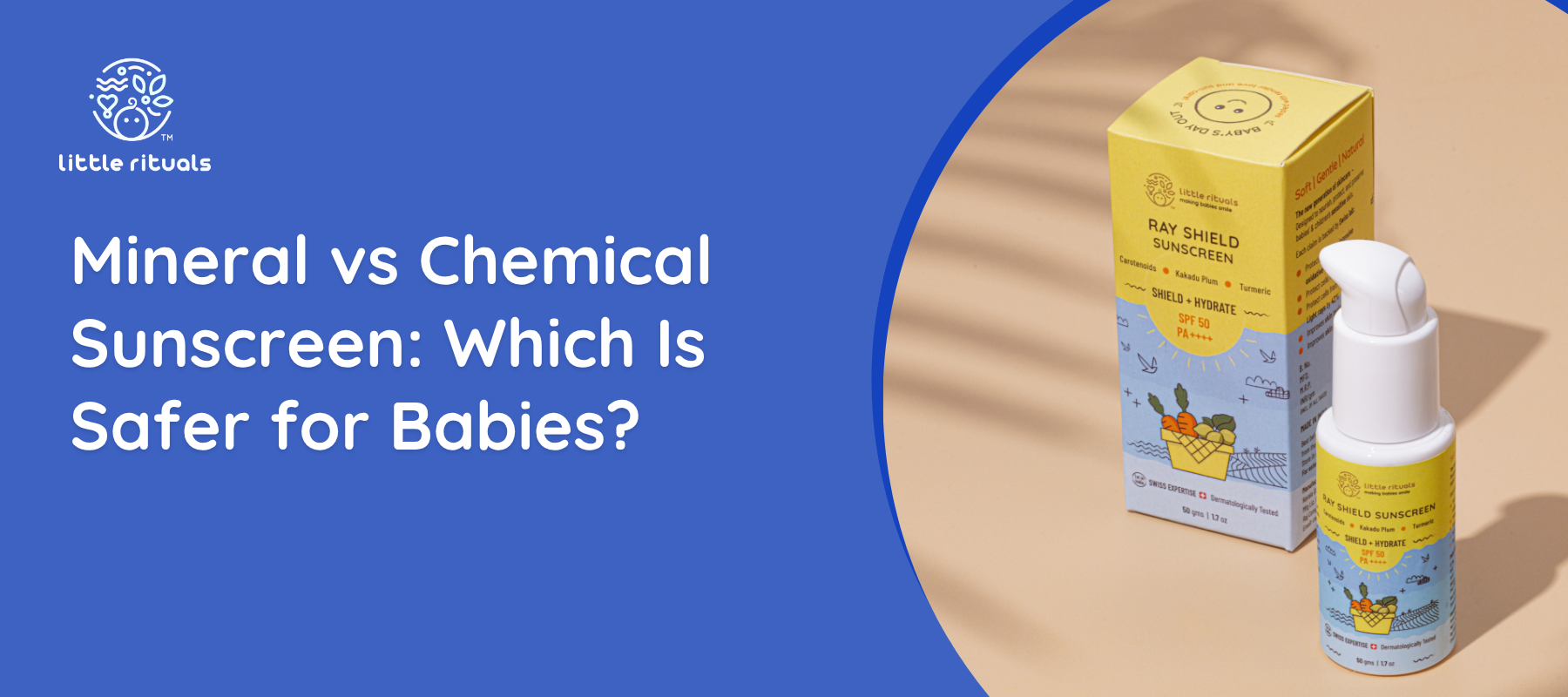
Mineral vs chemical sunscreen baby is a common concern for parents choosing safe sun protection. Mineral sunscreen is generally considered the safer option for babies over six months because it forms a protective barrier on the skin using ingredients like non-nano zinc oxide, reducing the chance of irritation. Chemical sunscreens absorb UV rays into the skin instead. Knowing the difference helps you choose confidently for every outdoor adventure.
As parents, keeping your baby's delicate skin protected from the sun is just as important as choosing the right skincare products. When comparing mineral vs chemical sunscreen baby options, most experts recommend mineral-based formulas for babies over six months because they are gentle on sensitive skin. At Little Rituals, we believe informed choices and thoughtfully formulated baby care products help families enjoy the outdoors with greater confidence. Incorporating proactive baby skin care tips into your daily routine helps preserve this fragile barrier while keeping their skin healthy.
Why Do Babies Need a Different Sunscreen?
A baby's skin is much thinner and more delicate than an adult's. Its natural protective barrier is still developing, making it more susceptible to sunburn, irritation, and moisture loss. Because of this, babies require skincare products specifically designed for their unique needs.
While babies younger than six months should ideally be kept out of direct sunlight using shade and protective clothing, older babies who spend time outdoors can benefit from a sunscreen formulated for sensitive skin. Identifying milestones like tracking early growth during 2 month baby milestones ensures that you remain closely aligned with their developing physiological needs well before regular sun exposure begins.
Understanding mineral vs chemical sunscreen baby options helps parents choose products that offer effective protection without compromising skin comfort.
What Is Mineral Sunscreen?
Mineral sunscreen, also called physical sunscreen, sits on the skin's surface and reflects or scatters harmful ultraviolet (UV) rays before they penetrate the skin.
How Mineral Sunscreen Works
Instead of being absorbed into the skin, mineral sunscreen creates an invisible protective shield that starts working immediately after application. This makes it especially suitable for babies and children who have delicate skin.
Common Mineral Ingredients
The two most commonly used mineral filters are:
-
Non-nano Zinc Oxide
-
Titanium Dioxide
Among these, non-nano zinc oxide is widely preferred because it provides broad-spectrum protection against both UVA and UVB rays while remaining gentle on sensitive skin.
When discussing mineral vs chemical sunscreen baby, mineral formulas are often chosen by parents looking for effective daily protection with minimal risk of irritation.
What Is Chemical Sunscreen?
Chemical sunscreen works differently. Instead of creating a barrier on the skin, it absorbs UV rays and converts them into heat, which is then released from the skin.
How Chemical Sunscreen Works
After application, chemical sunscreen requires approximately 15–20 minutes before it becomes fully effective. It generally has a lightweight feel and leaves little to no visible residue.
Common Chemical Filters
Some commonly used UV filters include:
-
Avobenzone
-
Octinoxate
-
Octocrylene
-
Oxybenzone
Although many chemical sunscreen ingredients are approved for cosmetic use, some parents prefer mineral formulations for babies because of their gentle nature and lower likelihood of irritating delicate skin.
Mineral vs Chemical Sunscreen Baby: A Simple Comparison
|
Feature |
Mineral Sunscreen |
Chemical Sunscreen |
|
Works by |
Reflecting UV rays |
Absorbing UV rays |
|
Starts working |
Immediately |
After 15–20 minutes |
|
Best for sensitive skin |
Yes |
Depends on formulation |
|
Main ingredients |
Zinc Oxide, Titanium Dioxide |
Chemical UV filters |
|
Risk of irritation |
Lower |
May vary by ingredient |
|
White cast |
Possible |
Usually minimal |
|
Daily use |
Suitable for babies over six months |
Depends on product and pediatric advice |
When evaluating mineral vs chemical sunscreen baby, many parents appreciate that mineral sunscreens begin protecting immediately and are less likely to irritate delicate skin.
Which Sunscreen Is Safer for Babies?
There isn't a one-size-fits-all answer, but many pediatricians and dermatologists recommend mineral sunscreen for babies older than six months.
Why Mineral Sunscreen Is Often Preferred
Mineral sunscreen offers several advantages:
-
Gentle on sensitive baby skin
-
Immediate protection after application
-
Broad-spectrum UVA and UVB defense
-
Less likely to cause irritation
-
Easy to identify active ingredients such as non-nano zinc oxide
Ultimately, the best sunscreen is one that is suitable for your baby's skin, applied correctly, and reapplied regularly during outdoor activities. From managing your newborn's first delicate rinses during babys first bath to choosing topical shields later in life, minimal and non-stripping approaches keep infant skin completely comfortable.
Understanding mineral vs chemical sunscreen baby helps parents make informed decisions based on their child's individual needs.
What Should Parents Look for in a Baby Sunscreen?
Choosing the right sunscreen goes beyond SPF alone. Look for products that offer:
-
Broad-spectrum UVA and UVB protection
-
SPF 30 or higher
-
Non-nano Zinc Oxide as the active ingredient
-
Dermatologically tested formulation
-
Gentle ingredients suitable for sensitive skin
-
Water resistance for outdoor play
-
Lightweight, easy-to-apply texture
Reading ingredient labels and selecting products created specifically for babies can make a meaningful difference in daily sun protection. Planning ahead with a thorough newborn baby shopping list helps ensure that only safe, toxin-free topical products cross your threshold.
Gentle Sun Protection from Little Rituals
At Little Rituals, baby skincare is designed with safety, innovation, and gentle care in mind.
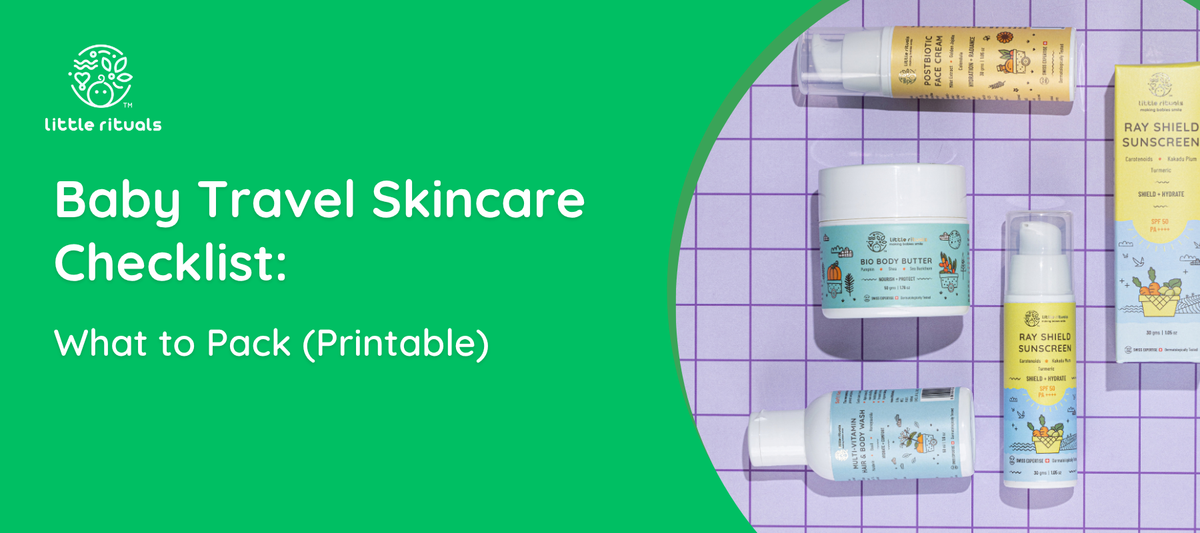
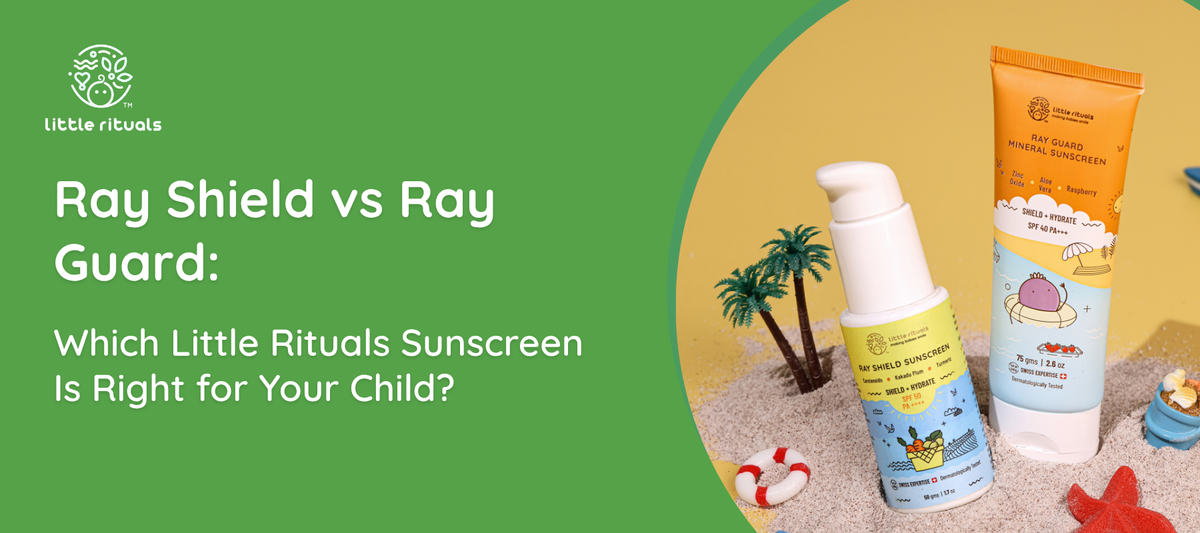
Ray Guard Mineral Sunscreen
The Ray Guard Mineral Sunscreen is thoughtfully formulated with non-nano Zinc Oxide to provide broad-spectrum UVA and UVB protection for delicate skin. Its advanced RayBlock WiFi Defense Swiss Technology also helps protect against blue light exposure, while nourishing ingredients like Aloe Vera, Raspberry Extract, and Turmeric help comfort and care for baby's skin. The lightweight formula is dermatologically tested and proudly carries the MADE SAFE® USA Certification, reflecting Little Rituals' commitment to ingredient transparency and safety.

Ray Shield Sunscreen
For parents looking for lightweight everyday sun protection, Ray Shield Sunscreen offers another trusted option from the Little Rituals collection. Designed with baby-friendly care in mind, it complements your child's daily outdoor routine while helping protect delicate skin. Building out a proper arsenal of newborn baby essentials before your baby arrives keeps you perfectly equipped for every season of outdoor and indoor skin safety.
When exploring mineral vs chemical sunscreen baby, choosing products created specifically for babies provides additional peace of mind during family outings.

Tips for Applying Sunscreen on Babies
-
Apply sunscreen generously before outdoor activities.
-
Cover commonly missed areas such as ears, neck, hands, and feet.
-
Reapply every two hours.
-
Reapply after swimming or excessive sweating.
-
Pair sunscreen with hats, lightweight clothing, and shade whenever possible.
-
Avoid prolonged sun exposure during peak afternoon hours.
A consistent sun protection routine supports healthy skin while allowing babies to safely enjoy outdoor experiences.
Final Verdict
When comparing mineral vs chemical sunscreen baby, mineral sunscreen is generally considered the preferred choice for babies over six months because it provides immediate broad-spectrum protection while being gentle on delicate skin. Products formulated with non-nano zinc oxide offer effective everyday defense with minimal risk of irritation. By selecting high-quality baby-specific sun protection and following safe sun habits, parents can confidently help protect their little one's skin throughout every season.
Protect Every Sunny Adventure with Little Rituals
Your baby's skin deserves thoughtful, science-backed sun protection every day. Little Rituals combines gentle ingredients with innovative skincare technology to create products parents can trust. Whether you choose the Ray Guard Mineral Sunscreen for advanced mineral-based protection or the Ray Shield Sunscreen for lightweight daily care, you're giving your little one the comfort and protection they need to explore the world safely. Discover the Little Rituals collection and make every outdoor moment a happy, protected one.
Frequently Asked Questions
Q1. How is mineral sunscreen different from chemical sunscreen for babies?
Mineral sunscreen sits on the skin and reflects UV rays, while chemical sunscreen absorbs UV rays before releasing them as heat.
Q2. Can babies use chemical sunscreen?
Some chemical sunscreens are approved for children, but many pediatricians recommend mineral sunscreen for babies over six months because it is generally gentler on sensitive skin.
Q3. Is mineral sunscreen better for sensitive baby skin?
Yes. Mineral sunscreen containing non-nano zinc oxide is widely considered suitable for delicate and sensitive baby skin due to its gentle protective barrier.
Q4. What SPF is recommended for babies?
A broad-spectrum sunscreen with SPF 30 or higher is commonly recommended for babies over six months when outdoor sun protection is needed.
Q5. Why do many experts recommend mineral sunscreen for babies?
Mineral sunscreen starts working immediately after application and is less likely to irritate delicate skin, making it a preferred option for many families.
Q6. Will mineral sunscreen leave a white cast?
Some mineral sunscreens may leave a slight white cast because of zinc oxide, although newer formulations are designed to blend more easily into the skin.
Q7. What ingredients should parents avoid in baby sunscreen?
Parents often choose products that avoid unnecessary fragrances and prefer gentle formulations with non-nano zinc oxide designed specifically for babies.
Q8. How often should sunscreen be reapplied on babies?
Sunscreen should generally be reapplied every two hours and immediately after swimming, sweating, or towel drying to maintain effective protection.