Baby Hair Growth: Causes, Care Tips, and Natural Ways to Support Healthy Baby Hair

Baby hair growth varies from one infant to another, and newborn hair commonly sheds during the first few months before new hair grows in. Gentle scalp care, appropriate cleansing, adequate nutrition, and avoiding unnecessary friction or tight hairstyles can support a healthy scalp while your baby’s natural hair-growth cycle develops.
Every parent notices their baby’s hair growth, whether their newborn has a full head of hair at birth or only a few fine strands. Hair shedding in the first few months is common and completely normal, and it is part of the baby’s natural hair growth cycle. At Little Rituals, we design plant-powered baby care products that gently nourish the scalp, support natural hair development, and protect delicate skin, ensuring a safe and gentle routine for babies while supporting healthy baby hair growth.
What Is Baby Hair Growth and Why Does It Change in the First Year?
Understanding Newborn Hair
Babies can be born with thick hair, sparse hair, or almost no visible scalp hair. The amount, colour, thickness, and texture of newborn hair can vary considerably and are influenced largely by genetics. Fine fetal hair called lanugo is usually shed before birth or shortly afterward, while the scalp hair parents notice after birth may naturally shed during the first few months.
Shedding at this stage is natural and helps the scalp prepare for new hair. Some babies may experience more noticeable shedding, while others retain most of their hair. Understanding that this is part of the baby hair growth process can reassure parents.
Why Some Babies Lose Hair Early
- Hormonal changes after birth can cause temporary shedding as maternal hormones drop
- Friction from sleeping positions or car seats can loosen hair
- Hair follicles follow natural growth cycles, causing temporary gaps before new hair emerges
When Baby Hair Starts Growing Back
- Most babies begin regrowth between three to six months
- Hair texture may change from fine to thicker strands, and color may shift as the child grows
- Observing this gradual change indicates healthy baby hair growth
There is no fixed timeline for every baby. Some infants may show noticeable regrowth earlier, while others may take longer. According to the American Academy of Pediatrics, many newborns lose some or all of their hair during the first few months, with new hair growing back naturally.
Baby Hair Growth Timeline: What Parents Can Expect
Baby hair growth does not follow the same schedule for every infant. A simple timeline can help parents understand what may happen:
- At birth: Babies may have thick, fine, sparse, dark, light, or barely visible scalp hair.
- During the first few months: Newborn hair may naturally shed, sometimes leaving temporary thin or bald-looking areas.
- Around 3–6 months: Hair shedding may be particularly noticeable, and new growth may gradually become visible.
- Around 6–12 months: Many babies develop more noticeable permanent hair, although the timing, thickness, colour, and texture can differ significantly.
Temporary hair loss does not automatically mean that your baby has weak hair or a hair-growth problem.
Why Does My Baby Have Less Hair at the Back of the Head?
Parents may notice thinning or a bald-looking patch at the back of a baby's head. This is common during infancy and can happen because of normal shedding as well as friction from turning the head against a firm surface. It is usually temporary, and the hair generally grows back naturally.
Parents should continue following recommended safe-sleep practices rather than changing a baby's sleeping position simply to prevent hair loss. Supervised tummy time while the baby is awake can also support normal development.
Key Factors That Influence Baby Hair Growth
Genetics and Hair Type
Genetics largely determines the thickness, growth rate, and color of baby hair. Some babies are born with thick, dark hair while others may have fine, lighter strands. Hair patterns may resemble either parent.
Nutrition and Overall Health
Breastfeeding or formula feeding ensures essential nutrients that support healthy hair follicles. Adequate nutrition supports normal growth and development, including healthy skin and hair. As complementary foods are introduced at the appropriate age, a varied diet helps provide essential nutrients. However, parents should not give babies biotin, iron, vitamins, or other hair-growth supplements specifically to increase hair growth unless recommended by a pediatrician.
Scalp Health
A clean and moisturized scalp provides an ideal environment for hair follicles to thrive. Dry, irritated scalp can hinder hair growth and increase shedding. Using gentle, plant-based oils supports hydration and strengthens follicles. This is why choosing high-quality Organic Baby Massage Oil India is essential for newborn care.
Gentle Baby Care Routine
- Avoid harsh shampoos with strong chemicals or artificial fragrances
- Limit the use of alcohol-based products
- Use tear-free cleansers that gently clean without removing natural oils.
Expert Note: Baby skin is extremely sensitive and thinner than adult skin, making gentle formulations essential for safe hair and scalp care.
Signs of Healthy Baby Hair Growth
Parents can look for the following indicators:
- Gradual hair regrowth over weeks or months
- Hair that feels soft, smooth, and healthy
- A scalp free from redness, irritation, or flakiness
- New hair emerging in previously bald patches
Consult a pediatrician if there are signs of extreme hair loss, patchy bald spots, or scalp infections. These may indicate underlying medical issues that need attention.
7 Natural Tips to Encourage Healthy Baby Hair Growth
1. Gentle Scalp Massage
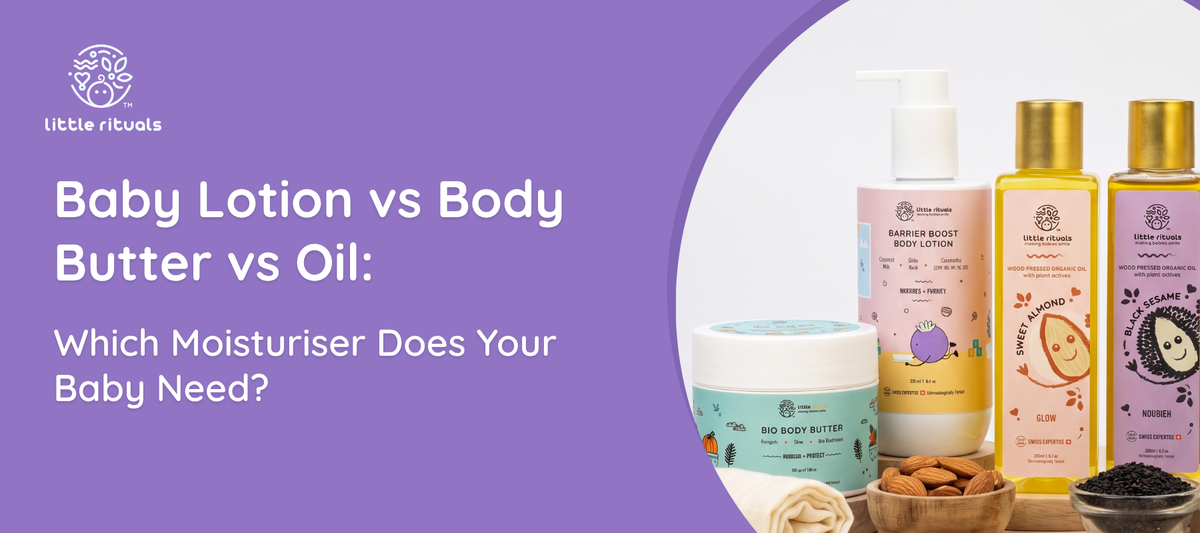
- Apply small amounts of natural oils like Little Rituals Wood-Pressed Organic Sweet Almond Oil or Organic Coconut Oil
- Massage very gently without rubbing, scratching, or putting pressure on the scalp. Oils can condition and moisturize the skin, but they should not be presented as a guaranteed way to make baby hair grow faster or thicker.
2. Choose a Mild Baby Shampoo
- Use a tear-free, gentle cleanser that does not strip natural oils
- Little Rituals Multi-Vitamin Hair & Body Wash is suitable for daily use
- Cleanses and nourishes the scalp while supporting soft, healthy hair
3. Maintain a Clean and Hydrated Scalp
- Gently cleanse the scalp 2–3 times per week to remove dirt and excess oil
- Moisturize with organic oils to prevent dryness and flaking. This is a vital step in new born baby products for growing hair.
Using organic, wood-pressed oils ensures maximum nutrient retention for sensitive baby skin while supporting natural baby hair growth. You can also learn about sesame oil benefits for skin to enhance your baby's wellness routine. For parents, even practices like oil pulling sesame oil, baby gift hamper. Once your baby's hair starts growing, you can add charm with adorable baby girl hair accessories.
Final Thoughts on Baby Hair Growth
Hair growth in babies is highly variable. Shedding in the first months is normal, and with gentle care, proper hydration, nutrition, and attention to scalp health, most babies will develop strong, healthy hair. Consistent routines, gentle massages, and organic oils support natural baby hair growth while providing bonding moments for parents and babies.
Frequently Asked Questions
Q1: How can I naturally promote baby hair growth?
A1: Gentle scalp massage with organic oils, maintaining hydration, using mild shampoos, avoiding friction, and providing balanced nutrition helps stimulate follicles and encourage healthy baby hair growth.
Q2: Can babies with less hair at birth catch up in growth?
A2: Yes, hair growth depends on genetics and age. Most babies with sparse hair at birth catch up within the first year with proper care and nutrition.
Q3: Is hair loss in newborns normal?
A3: Yes. Hair loss in the first few months is common due to hormonal changes and friction, and it is a natural part of the baby's hair growth cycle.
Q4: Will shaving a baby’s head make hair grow thicker?
A4: No. Shaving does not affect thickness, texture, or growth rate. Hair density is determined genetically.
Q5: What is the best oil for baby hair growth?
A5: Natural oils like almond oil, coconut oil, and black sesame oil nourish the scalp, strengthen follicles, and support healthy baby hair growth over time.
Q6: Why does my newborn lose hair so quickly?
A6: Hair shedding occurs due to the drop in maternal hormones after birth, friction from sleeping positions, and normal hair growth cycles.
Q7: When does baby hair start growing back after shedding?
A7: Most babies experience regrowth between three and six months, although hair color and texture may change during this process.
Q8: How often should I wash my baby’s hair for optimal growth?
A8: Washing two to three times per week with a mild, tear-free shampoo is sufficient. Overwashing can strip natural oils and hinder healthy baby hair growth.