Ray Shield vs Ray Guard: Which Little Rituals Sunscreen Is Right for Your Child?
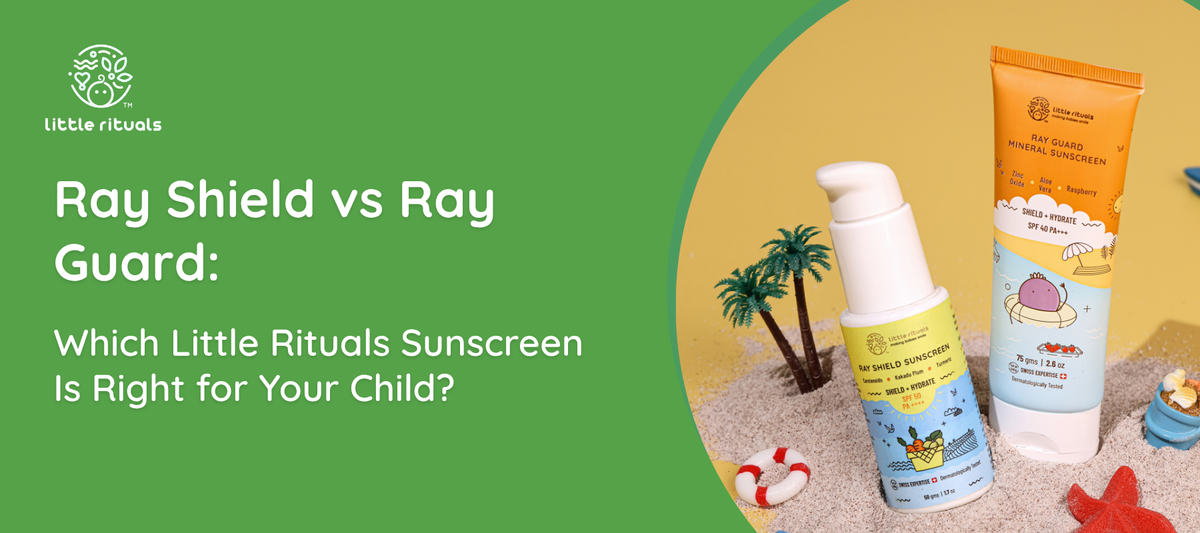
Ray Shield Sunscreen and Ray Guard Mineral Sunscreen both provide broad-spectrum UVA/UVB protection and are designed for delicate skin. Ray Shield is suitable from 3+ months and uses a blend of UV filters, while Ray Guard is a 100% mineral sunscreen with non-nano zinc oxide for babies 6+ months. The right choice depends on age, formulation preference, and everyday routine.
Choosing between two children's sunscreens can feel surprisingly complicated. Ray Shield Sunscreen is designed for babies from 3+ months, while Ray Guard Mineral Sunscreen is a 100% mineral option for babies 6+ months. Both are part of Little Rituals' CARE range, so the real question is which formulation fits your child's routine best. Let's compare them clearly.
Ray Shield Sunscreen vs Ray Guard: What Is the Difference?
At first glance, Ray Shield and Ray Guard appear to serve the same purpose: protecting delicate skin from sun exposure. The important difference lies in their formulation approach.
Ray Shield Sunscreen uses a combination of UV filters, including zinc oxide and BEMT, alongside plant-derived ingredients such as carotenoids, Kakadu plum, aloe vera, raspberry, turmeric, and chamomile. It is designed for broad-spectrum UVA/UVB protection and also features Little Rituals' RayBlock WiFi Defence Swiss Technology. It is suitable for babies from 3+ months.
Ray Guard takes a more clearly mineral-first approach. It is formulated with non-nano zinc oxide as its mineral UV filter and is designed for babies, children, and families from 6+ months. It also combines botanical ingredients such as aloe vera, raspberry extract, turmeric, and chamomile with its mineral sunscreen base.
So, the simplest distinction is:
- Ray Shield: a broader UV-filter formulation with plant actives and environmental-exposure positioning.
- Ray Guard: a 100% mineral sunscreen centred on non-nano zinc oxide.
- Both: broad-spectrum UVA/UVB protection, a lightweight feel, no visible white cast according to Little Rituals' product information, and everyday-use positioning.
For parents exploring other sun-protection options, Little Rituals' mineral sunscreen for babies in India collection is also worth exploring.
Ray Shield Sunscreen: What Makes It Different?
Ray Shield Sunscreen is built around a combination of sun protection and skin-care support. Its formulation includes zinc oxide alongside BEMT, with botanical ingredients including Kakadu plum, aloe vera, raspberry, turmeric, chamomile, cucumber and green tea.
Its formulation is particularly relevant for parents who want a sunscreen that combines everyday UV protection with additional environmental-exposure positioning.
Key features of Ray Shield
- Broad-spectrum UVA and UVB protection
- Suitable from 3+ months
- Fast-absorbing texture
- No white cast according to the product information
- Naturally derived and organic ingredients
- Reef-safe positioning
- RayBlock WiFi Defence Swiss Technology
- Plant-derived antioxidant ingredients
-
Clinically and dermatologically tested
The product page also provides Swiss-lab-tested results for specific formulation claims relating to oxidative stress, blue light, WiFi radiation, moisture and hydration. These are formulation-specific test results and should be understood within the testing conditions stated by the brand.
For parents looking for an everyday sunscreen with a broader ingredient and technology profile, Ray Shield offers a practical option.
Ray Guard Mineral Sunscreen: What Makes It Different?
Ray Guard is the more straightforward choice when the priority is specifically a mineral sunscreen.
Its key UV filter is non-nano zinc oxide, which sits at the centre of its formulation. The product is designed to create a physical barrier against UVA and UVB rays while avoiding several conventional chemical UV filters listed on its product page.
Key features of Ray Guard
- 100% mineral-based sunscreen positioning
- Non-nano zinc oxide
- Broad-spectrum UVA/UVB protection
- Suitable from 6+ months
- Water-resistant formulation
- Lightweight and non-greasy texture
- No white cast according to the product information
- Reef-safe positioning
- Aloe vera, raspberry extract, and turmeric
-
RayBlock WiFi Defence Swiss Technology
Ray Guard also includes botanical ingredients such as chamomile, cucumber, wheat germ oil, sunflower oil and Crambe abyssinica seed oil.
This makes it especially relevant to parents who actively look for a mineral sunscreen for babies and kids and want non-nano zinc oxide as the central UV filter.
Ray Shield vs Ray Guard: Side-by-Side Comparison
|
Feature |
Ray Shield |
Ray Guard |
|
Sunscreen approach |
Combination of UV filters |
100% mineral |
|
Key UV filter |
Zinc oxide + BEMT |
Non-nano zinc oxide |
|
UVA/UVB protection |
Yes |
Yes |
|
Blue-light positioning |
Yes |
Yes |
|
WiFi-radiation positioning |
Yes |
Yes |
|
Minimum age stated |
3+ months |
6+ months |
|
White cast |
No, according to product information |
No, according to product information |
|
Texture |
Fast-absorbing |
Lightweight, non-greasy |
|
Water resistance |
Verify current label before purchase |
Yes |
|
Botanical ingredients |
Yes |
Yes |
|
Reef-safe positioning |
Yes |
Yes |
|
Best suited to |
Parents seeking a broader formulation approach |
Parents specifically seeking mineral protection |
The most important point is that neither product needs to be treated as a universal winner. They are designed around different formulation preferences and age guidance.
Which Little Rituals Sunscreen Should You Choose?
The better choice depends on what matters most in your child's routine.
Choose Ray Shield If:
Ray Shield Sunscreen may suit your routine if:
- Your child is 3 months or older.
- You want a sunscreen with a combination of UV filters and botanical ingredients.
- You prefer a fast-absorbing sunscreen.
- You want broad-spectrum UVA/UVB protection.
- You are interested in Little Rituals' additional blue-light and environmental-exposure positioning.
-
You want a sunscreen designed for regular everyday use.
Choose Ray Guard If:
Ray Guard may be the better fit for your routine if:
- Your child is 6 months or older.
- You specifically prefer a 100% mineral sunscreen.
- Non-nano zinc oxide is important to you.
- You want a water-resistant formulation for outdoor activities.
- You prefer a mineral sunscreen with botanical ingredients.
-
You want a lightweight, non-greasy mineral formulation.
The age distinction is particularly important. Ray Shield is suitable for 3+ months, while Ray Guard is suitable for 6+ months. Always follow the product's current label and age guidance.
Why Does the Sunscreen Formula Matter for Children?
Children's skincare routines need consistency. A sunscreen that feels unpleasant, looks chalky, or becomes difficult to apply can make daily application harder.
That is why parents should look beyond the word "sunscreen" and compare practical factors such as:
- UV-filter type
- Age suitability
- Broad-spectrum protection
- Texture
- White-cast concerns
- Water resistance
- Ingredient preferences
- Application and reapplication requirements
-
How well the product fits the child's daily routine
Mineral sunscreen is often preferred by parents who specifically want zinc oxide-based UV protection. Ray Guard places non-nano zinc oxide at the centre of its formulation, while Ray Shield combines zinc oxide with another broad-spectrum UV filter.
Parents who want to build a more complete routine can also explore baby products for sensitive skin in India to discover skincare options suited to delicate skin.
How to Use Little Rituals Sunscreen Correctly
Choosing the right sunscreen is only one part of effective sun protection. Application matters just as much.
For both products, follow the directions on the current product packaging. Little Rituals recommends applying its sunscreens before sun exposure and reapplying after swimming or sweating. Ray Guard specifically recommends application 15 minutes before sun exposure and reapplication every two hours or after swimming or sweating.
A simple routine is:
- Apply sunscreen generously to exposed skin.
- Cover commonly missed areas such as the ears, neck, and backs of hands.
- Reapply according to the product directions, especially after swimming or sweating.
- Use shade, protective clothing, and hats as additional sun-protection measures.
- For babies and sensitive skin, follow the product's patch-test guidance.
Sunscreen should complement, not replace, sensible sun-protection habits.
For additional information on how mineral-based sun protection works, read Little Rituals' guide to what mineral sunscreen is and how it works.
Can Ray Shield and Ray Guard Fit Into a Daily Skincare Routine?
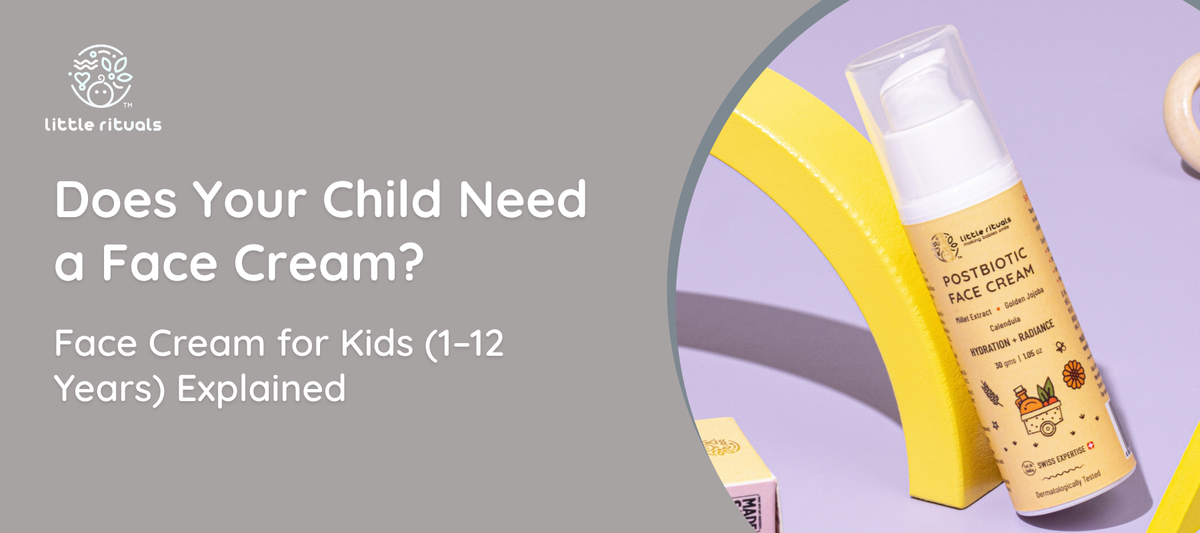
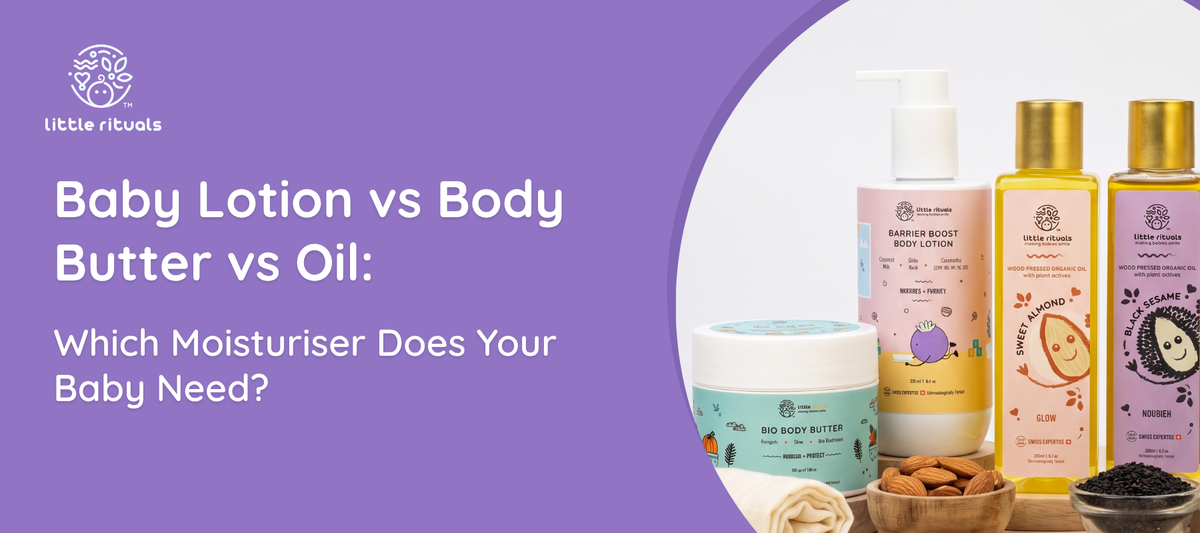
Yes. Little Rituals positions both products within its CARE – Nourishing Skin & Body Care range, alongside products such as Postbiotic Face Cream, Bio Body Butter, and Barrier Boost Body Lotion.
For a simple routine, start with clean skin, follow with an appropriate moisturiser when needed, and finish with sunscreen during daytime exposure.
Little Rituals specifically recommends applying its sunscreens over Postbiotic Face Cream or Bio Body Butter for certain daily routines.
This makes it easy to build a consistent Little Rituals routine instead of treating sunscreen as an occasional product.
Related Little Rituals Products
You can pair sun care with:
- Postbiotic Face Cream for a nourishing facial-care step.
- Bio Body Butter for richer body moisturisation.
- Barrier Boost Body Lotion for everyday body care.
- Multi-Vitamin Hair & Body Wash for gentle cleansing.
- Bio Soothe Wet Wipes for convenient everyday clean-ups.
-
Wood-Pressed Organic Sweet Almond Oil as part of a nourishing oil-care ritual.
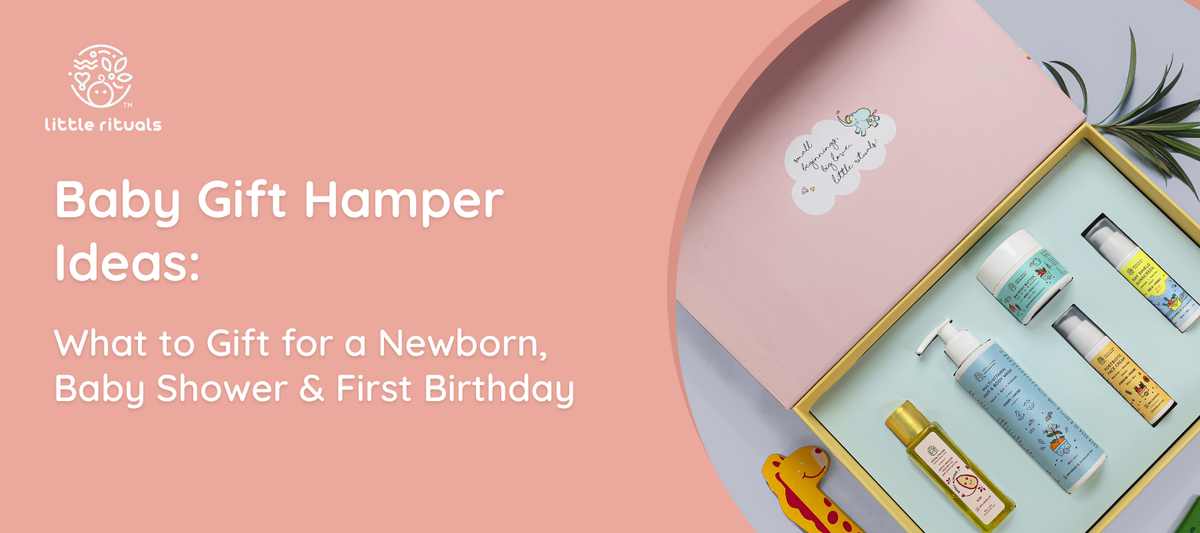
Little Rituals has Ray Shield and Ray Guard alongside these products within its broader baby and family skincare range. Parents can explore the baby care products collection to discover more everyday essentials.
Why Choose Little Rituals for Your Child's Skincare?
Little Rituals builds its skincare range around what it describes as higher standards for little skin, with an emphasis on science-backed, transparent and plant-active formulations.
The brand highlights Swiss expertise, plant actives, clinical testing, and carefully selected ingredients across its range. The website also groups products into clear categories, including Pure Organic Oils, Hair & Body Wash Essentials, Nourishing Skin & Body Care, Baby Essentials & Hygiene, and Gifting.
That broader approach matters because children's skincare rarely stops at one product. Parents often need a cleanser, moisturiser, body-care product, and sunscreen that can work together as part of a simple routine.
Final Verdict: Ray Shield or Ray Guard?
The choice comes down to your child's age and your preferred sunscreen formulation.
Ray Shield Sunscreen is suited to parents looking for a broad-spectrum sunscreen for babies from 3+ months, with a combination of UV filters, botanical ingredients and Little Rituals' RayBlock technology.
Ray Guard is the more direct choice when 100% mineral protection and non-nano zinc oxide are the priorities, with suitability stated from 6+ months.
Neither choice needs to be complicated. Start with your child's age, consider the formulation you prefer, check the product directions, and choose the sunscreen you can apply consistently.
Give Your Little One a Thoughtful Sun-Care Ritual
Ready to make daily sun protection simpler? Explore Ray Shield Sunscreen and Ray Guard Mineral Sunscreen from Little Rituals and choose the formulation that fits your child's age and everyday routine.
Complete the ritual with Little Rituals' nourishing skincare essentials, from Postbiotic Face Cream and Bio Body Butter to Barrier Boost Body Lotion and gentle cleansing essentials.
Discover Little Rituals and build a simple, thoughtful skincare routine for your little one.
FAQs
Q1. How is Ray Shield different from Ray Guard?
Ray Shield uses a combination of UV filters, including zinc oxide and BEMT, while Ray Guard is a 100% mineral sunscreen centred on non-nano zinc oxide.
Q2. Can Ray Shield be used on babies?
Yes. Little Rituals currently states that Ray Shield is suitable for babies from 3+ months. Follow the product's current label and usage directions.
Q3. Is Ray Guard a mineral sunscreen?
Yes. Ray Guard is a 100% mineral sunscreen formulated with non-nano zinc oxide as its primary mineral UV filter.
Q4. Will either sunscreen leave a white cast?
Little Rituals states that both formulas absorb without leaving a visible white cast. Individual application and skin characteristics can still affect how any sunscreen looks.
Q5. What age can children use Ray Guard?
Ray Guard is currently stated as suitable for babies 6+ months. For younger infants, follow appropriate sun-protection guidance and the product's current age instructions.
Q6. Why choose a mineral sunscreen for a child?
Parents may choose a mineral sunscreen because they specifically prefer mineral UV filters such as zinc oxide. Ray Guard provides this mineral-first formulation with non-nano zinc oxide.
Q7. What should I use before applying sunscreen?
Start with clean skin and apply an appropriate moisturiser if needed. Little Rituals lists Postbiotic Face Cream and Bio Body Butter as products that can be used before its sunscreens in specified routines.
Q8. How often should children's sunscreen be reapplied?
Reapply according to the product directions, particularly after swimming, sweating, or towel-drying. Ray Guard currently recommends reapplication every two hours during outdoor activity and after swimming or sweating.