Baby Sunscreen Guide: How to Choose the Best Baby Sunscreen Lotion for Safe Sun Protection
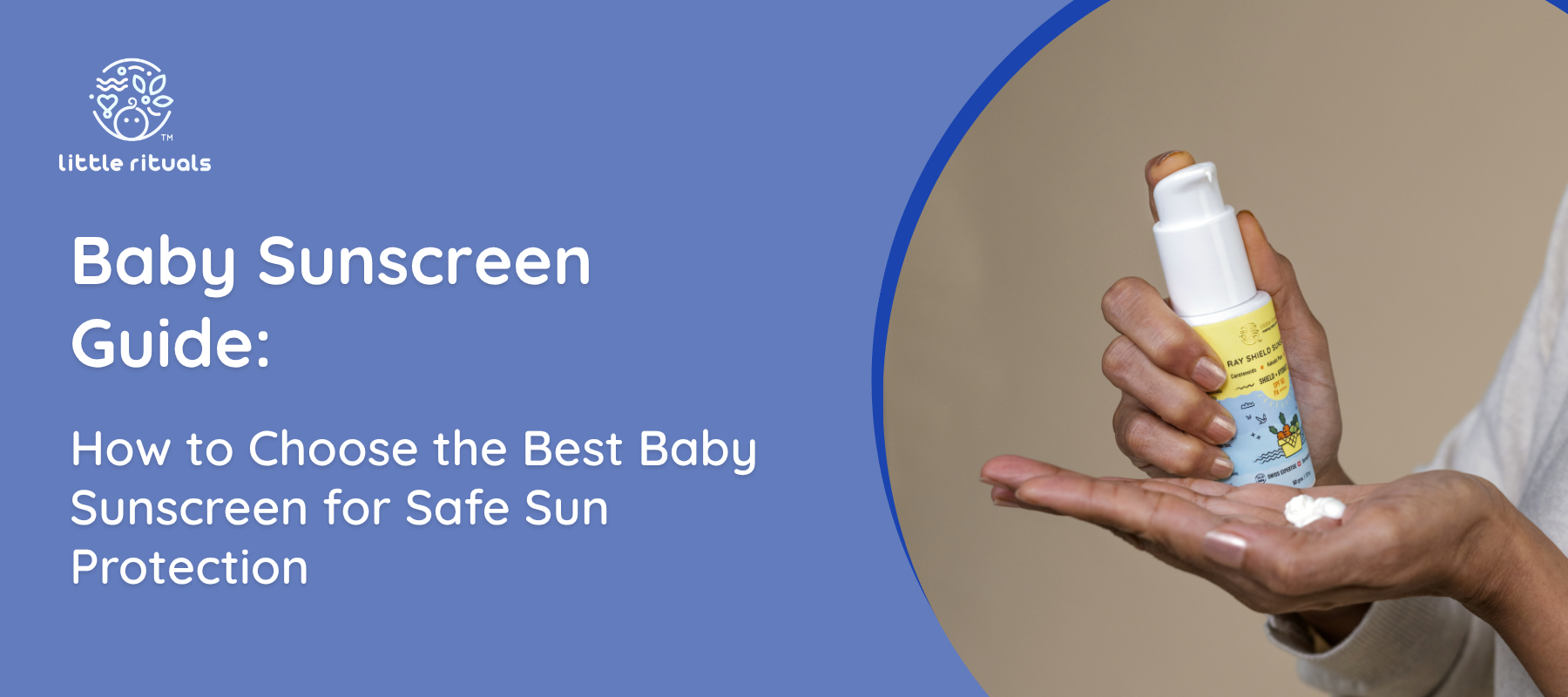
A baby sunscreen with broad-spectrum SPF 30 or higher helps protect delicate skin from harmful UVA and UVB rays during everyday outdoor activities. Mineral sunscreens containing zinc oxide are often recommended for babies over six months because they are gentle on sensitive skin. Along with sunscreen, protective clothing, shade, and timely reapplication provide the most effective sun protection.
Protecting your baby's skin from the sun starts with choosing the right baby sunscreen. At Little Rituals, we understand that a child's skin needs gentle yet effective care, especially in India's warm climate where UV exposure is common throughout the year. Whether you're heading to the park, travelling with your family, or simply taking an evening stroll, selecting the right baby sunscreen lotion helps reduce the effects of harmful UV rays while keeping your little one's delicate skin comfortable.
This comprehensive guide explains why babies need a different sunscreen than adults, how to choose the safest formula, the right SPF for children, and practical tips for applying sunscreen correctly. You'll also discover how Little Rituals' thoughtfully formulated sun care products can become an easy part of your child's daily skincare routine.
Why Babies Need Different Sunscreen Than Adults
Many parents assume that any sunscreen can protect their child's skin. However, babies have unique skincare needs that require specially formulated products.
A baby's skin is nearly 30% thinner than an adult's, meaning it loses moisture more quickly and is more susceptible to environmental stressors such as sunlight, heat, wind, and pollution. Their skin barrier is still developing, making it easier for irritation to occur.
India experiences high UV levels for much of the year, even on cloudy days. UV rays can penetrate clouds and reach exposed skin, making daily sun protection important regardless of the season.
Using a dedicated baby sunscreen helps provide age-appropriate protection while reducing the chance of discomfort caused by harsh ingredients commonly found in some adult products.
Why Adult Sunscreens May Not Be the Best Choice
Adult sunscreens are designed for mature skin and may contain ingredients that are unnecessary for babies.
Some products may include:
-
Strong fragrances
-
Alcohol-based formulations
-
Active ingredients that may not suit highly sensitive skin
-
Heavy textures that can feel uncomfortable
Instead, choosing a baby sunscreen lotion specifically developed for delicate skin offers parents greater confidence that the product has been created with younger skin in mind.
Why Sun Protection Matters Every Day
Sun exposure doesn't only happen during beach holidays.
Children are exposed to sunlight while:
-
Walking to school
-
Playing in parks
-
Travelling in cars
-
Sitting near windows
-
Playing on balconies or terraces
-
Family picnics
-
Outdoor sports
Making sunscreen part of your child's baby skin care routine helps build healthy skincare habits from an early age.
Mineral vs Chemical Sunscreen: What's the Difference?
One of the most common questions parents ask is whether they should choose mineral or chemical sunscreen.
Both help protect the skin from UV rays, but they work differently.
Mineral Sunscreen
Mineral sunscreen forms a protective barrier on the skin using ingredients such as:
-
Zinc Oxide
-
Titanium Dioxide
Instead of absorbing UV rays, these minerals reflect and scatter sunlight away from the skin.
Advantages of Mineral Sunscreen
-
Gentle for sensitive skin
-
Suitable for daily use
-
Broad-spectrum UVA & UVB protection
-
Begins protecting immediately after application
-
Often preferred for babies and young children
Chemical Sunscreen
Chemical sunscreens absorb UV radiation before it can damage the skin. They usually contain UV filters that convert sunlight into heat, which is then released from the skin.
Most chemical sunscreens require approximately 15–20 minutes after application before becoming fully effective.
Advantages
-
Lightweight feel
-
Easy to blend
-
Usually invisible on the skin
Considerations
Parents of babies and toddlers often prefer mineral formulas because of their simplicity and gentle nature, especially for children with sensitive skin.
Ultimately, the best sunscreen is the one your child can comfortably wear every day.
Is Mineral Sunscreen Safer for Babies?
Many pediatricians and dermatologists recommend mineral sunscreen for babies older than six months because it provides reliable protection while remaining gentle on delicate skin.
Mineral sunscreens containing non-nano zinc oxide create a protective shield on the skin's surface without needing to be absorbed into the skin. This makes them a popular choice for babies, toddlers, and children with sensitive skin.
Parents should also look for products that are:
-
Broad-spectrum
-
Dermatologically tested
-
Suitable for sensitive skin
-
Water resistant
-
Free from unnecessary harsh ingredients
For babies younger than six months, direct sunlight should be avoided whenever possible. Lightweight clothing, hats, prams with sun canopies, and shaded areas remain the safest forms of protection. Parents should always consult a healthcare professional before introducing sunscreen to very young infants.
How to Choose the Best Sunscreen for Kids: 10-Point Checklist
Shopping for children's sunscreen can feel overwhelming because of the many options available. This simple checklist makes choosing easier.
1. Choose Mineral-Based Protection
Mineral sunscreens are generally preferred for delicate skin because they provide immediate protection using physical UV filters.
2. Look for Non-Nano Zinc Oxide
Zinc oxide offers broad-spectrum protection against both UVA and UVB rays and is commonly recommended for babies and children.
3. Select SPF 30 or Higher
An SPF between 30 and 50 provides excellent everyday protection when applied correctly.
4. Ensure Broad-Spectrum Protection
Your sunscreen should protect against both UVA rays, which contribute to long-term skin damage, and UVB rays, which cause sunburn.
5. Check Water Resistance
Children sweat, play, and splash in water. A water-resistant sunscreen provides more consistent protection during outdoor activities.
6. Consider Sensitive Skin
Choose products developed specifically for babies or children, particularly if your child has dry or easily irritated skin.
7. Dermatologically Tested Formula
Dermatologist-tested products provide additional reassurance for parents looking for gentle skincare.
8. Avoid Unnecessary Ingredients
Where possible, choose products without excessive fragrance or harsh additives if your child has sensitive skin.
9. Comfortable Texture
A lightweight, easy-to-spread baby sunscreen lotion encourages regular application without leaving a heavy or sticky feeling.
10. Trust a Reputable Baby Skincare Brand
Transparent ingredient lists, quality manufacturing standards, and products developed specifically for children can help parents make informed choices.
What SPF Does My Baby Need?
SPF stands for Sun Protection Factor and indicates how effectively a sunscreen helps protect against UVB rays.
Many parents wonder whether SPF 30 or SPF 50 is the better choice.
Both offer excellent protection when used correctly.
General recommendations include:
Babies Under Six Months
-
Keep babies out of direct sunlight.
-
Use pram shades and lightweight clothing.
-
Choose shaded outdoor areas.
-
Consult a pediatrician before using sunscreen.
Babies Six Months and Older
Choose a baby sunscreen offering:
-
SPF 30–50
-
Broad-spectrum UVA & UVB protection
-
Mineral-based ingredients whenever possible
Higher SPF does not mean sunscreen lasts longer. Reapplication remains essential.
How to Apply Sunscreen on Babies Correctly
Even the best sunscreen won't perform effectively if it's applied incorrectly.
Apply Before Going Outdoors
Apply sunscreen approximately 15–20 minutes before going outside when using chemical sunscreen. Mineral sunscreen provides immediate protection after application.
Cover Every Exposed Area
Parents commonly forget areas including:
-
Ears
-
Nose
-
Neck
-
Hands
-
Feet
-
Ankles
-
Back of knees
These exposed areas can burn just as easily as the face or arms.
Apply Generously
Don't apply only a small amount. A thin layer may reduce the sunscreen's effectiveness.
Ensure all exposed skin receives even coverage.
Perform a Patch Test
When introducing a new skincare product as part of a safe baby skincare routine for newborns in India, test a small area first and monitor your child's skin for any reaction.
Don't Forget Other Sun Protection
Sunscreen works best alongside:
-
Wide-brimmed hats
-
UV-protective sunglasses
-
Cotton full-sleeve clothing
-
Umbrellas
-
Shade
-
Adequate hydration
These combined measures offer better protection than sunscreen alone.
Best Time to Reapply During Indian Summers
India's climate often means children spend time outdoors in strong sunlight. Learning how to keep your babys skin hydrated in indian summer heat will help you protect their fragile barrier during peak conditions.
Sunscreen should be reapplied:
-
Every two hours
-
Immediately after swimming
-
After towel drying
-
Following heavy sweating
-
During long family outings
-
At school sports events
-
During vacations
Parents should also remember that sunscreen can gradually wear off through normal play, touching the face, and perspiration.
Consistency is just as important as choosing the best sunscreen for kids in India.
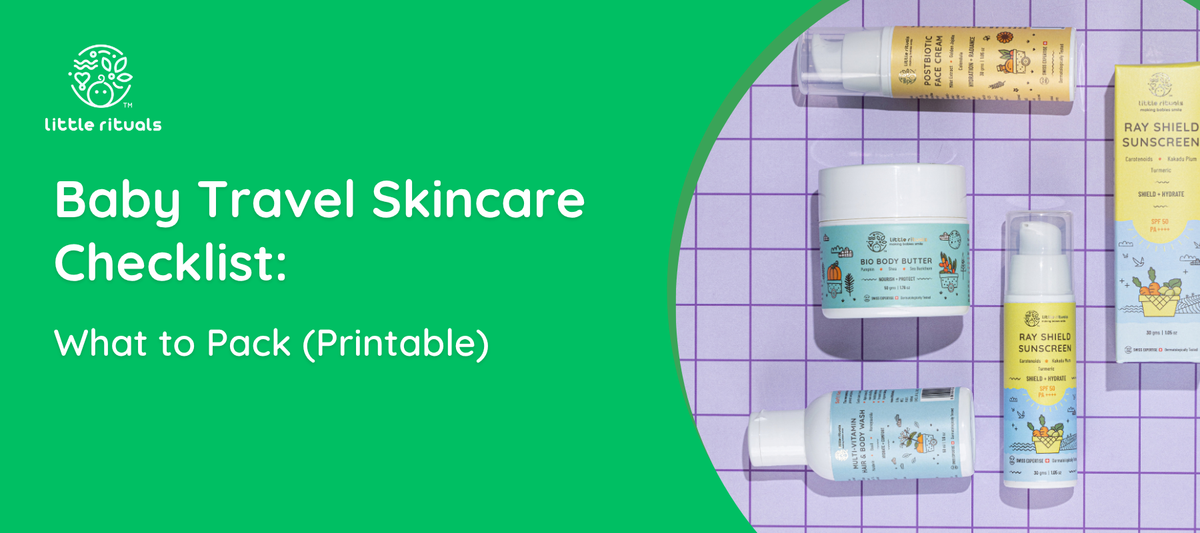
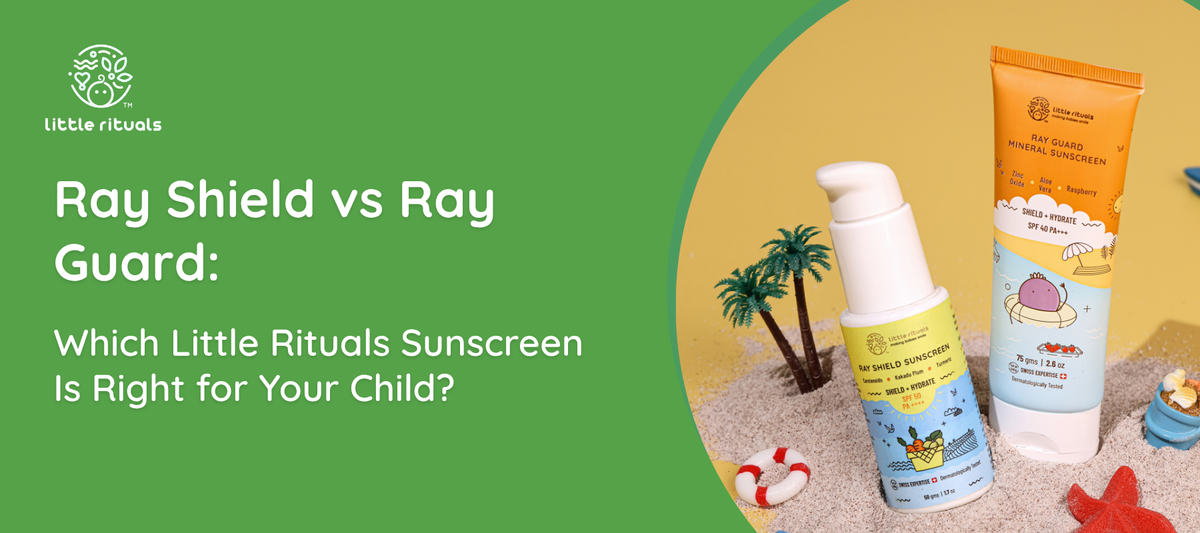
Our Pick: Ray Shield and Ray Guard Sunscreen
At Little Rituals, every skincare product is thoughtfully developed with growing children in mind. We believe effective sun protection should be gentle enough for delicate skin while fitting seamlessly into everyday family routines.
Ray Guard Mineral Sunscreen
Ray Guard Mineral Sunscreen is formulated with non-nano zinc oxide to provide broad-spectrum UVA and UVB protection for babies over six months and young children.
Key highlights include:
-
Mineral-based sun protection
-
Broad-spectrum UVA & UVB defence
-
Lightweight texture
-
No heavy white residue
-
Water-resistant formula
-
Dermatologically tested
-
Suitable for sensitive skin
-
Plant-powered ingredients including aloe vera, raspberry extract, and turmeric
-
Swiss formulation expertise
-
Designed with RayBlock WiFi Defence Technology to help protect against environmental stressors, including blue light and wifi radiation affect baby skin and oxidative stress
-
Reef-safe formulation
Whether it's a walk in the park or a family holiday, Ray Guard helps parents protect delicate skin with confidence.
Ray Shield Sunscreen
Ray Shield Sunscreen is another excellent everyday option for families seeking lightweight, comfortable sun protection.
Its easy-to-apply texture makes it suitable for:
-
School days
-
Outdoor play
-
Family picnics
-
Beach holidays
-
Weekend adventures
-
Daily walks
Both products reflect Little Rituals' commitment to creating gentle skincare that supports healthy childhood routines without compromising on protection.
Conclusion
Protecting your child's skin today contributes to healthier skin tomorrow. Choosing the right baby sunscreen involves more than simply selecting a high SPF. It means understanding your child's skin, applying sunscreen correctly, and combining it with other smart sun safety practices.
Daily habits such as wearing protective clothing, seeking shade during peak sunlight hours, and reapplying sunscreen regularly can make a meaningful difference. By selecting a thoughtfully formulated baby sunscreen lotion designed for delicate skin, parents can help children enjoy every outdoor adventure with greater confidence and comfort.
Protect Every Little Adventure with Little Rituals
Every smile under the sun deserves thoughtful protection. At Little Rituals, we believe skincare should support every stage of childhood with products that parents can feel confident using every day. Our Ray Guard Mineral Sunscreen and Ray Shield Sunscreen are carefully developed to help protect delicate skin while fitting naturally into your family's daily routine. Explore the complete Little Rituals Care Collection and discover gentle, science-backed skincare that helps your little one enjoy every sunny adventure safely and comfortably.
Frequently Asked Questions
Q1. How often should I reapply sunscreen on my baby?
Reapply sunscreen every two hours and immediately after swimming, sweating heavily, or towel drying. Regular reapplication ensures continuous protection during outdoor activities.
Q2. Can I use adult sunscreen on my child?
Adult sunscreen may contain ingredients that are not ideal for delicate skin. It is generally better to choose products specifically formulated for babies or children. For infants under six months, consult your pediatrician before using sunscreen.
Q2. Is mineral sunscreen better than chemical sunscreen for babies?
Mineral sunscreen is commonly preferred because it uses ingredients such as zinc oxide to create a protective barrier on the skin. Many parents choose mineral formulas because they are gentle and suitable for sensitive skin.
Q4. Is sunscreen enough to keep my baby safe in the sun?
No. Sunscreen should always be combined with hats, lightweight clothing, sunglasses, shade, and limiting outdoor activities during peak UV hours.
Q5. Will SPF 50 protect my child for the whole day?
No. Regardless of SPF, sunscreen should be reapplied every two hours and after swimming or excessive sweating.
Q6. What SPF is safe for babies?
For babies older than six months, SPF 30–50 with broad-spectrum UVA and UVB protection is generally recommended. Babies younger than six months should be kept out of direct sunlight and parents should seek medical advice before introducing sunscreen.
Q7. What is the best sunscreen for kids in India?
The best sunscreen for children offers broad-spectrum protection, gentle ingredients suitable for sensitive skin, water resistance, and a comfortable texture that encourages everyday use.
Q8. Why do babies need a separate sunscreen?
A baby's skin is thinner, more delicate, and more sensitive than adult skin. A dedicated baby sunscreen is specially formulated to provide effective sun protection while remaining gentle on developing skin.