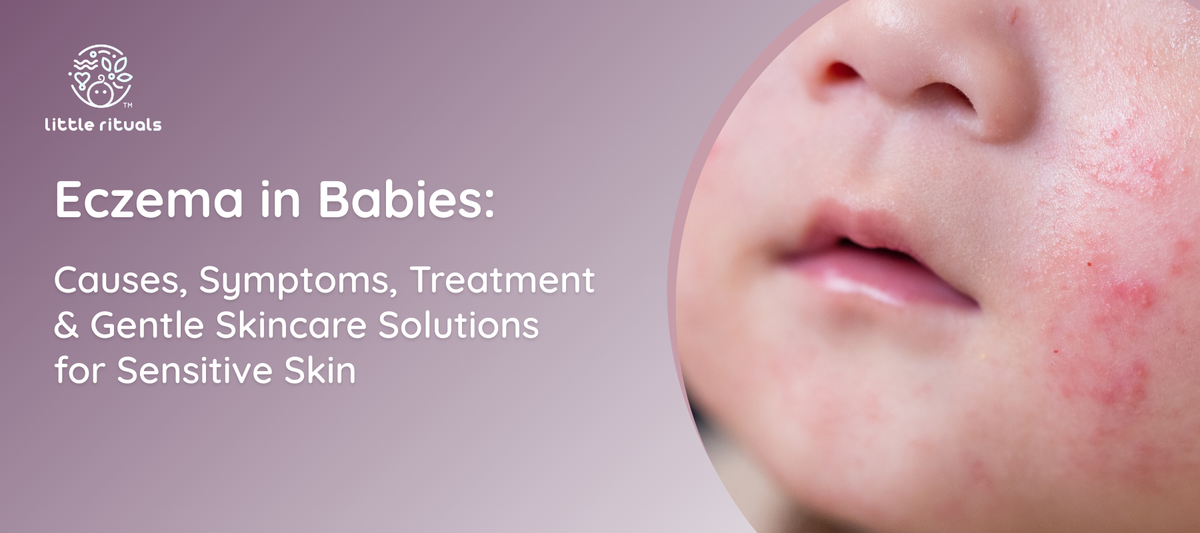
Eczema in Babies: Causes, Symptoms, Treatment, and Gentle Skincare Solutions for Sensitive Skin
Disclaimer: This content is for informational purposes only and is not a substitute for professional medical advice. Always consult your healthcare provider.
Eczema in babies is a common skin condition that causes dry, itchy, red, and irritated patches. It occurs due to an underdeveloped skin barrier, genetics, and environmental triggers. Managing eczema in babies requires a gentle baby skincare routine, safe ingredients, consistent hydration, and guidance from a pediatrician. With proper care, most infants experience relief and improved skin health.
Eczema in babies affects millions of infants worldwide, and it can be distressing for parents to see their little ones scratching, uncomfortable, or unable to sleep. At Little Rituals, we understand how delicate infant skin is, which is why we create plant-powered, toxin-free baby skincare designed to support sensitive skin and strengthen the skin barrier. By learning about the causes, symptoms, and safe treatment options for eczema in babies, parents can take proactive steps to soothe irritation and protect their child’s skin from early damage.
What Is Eczema in Babies?
Eczema in babies, also known as atopic dermatitis, is a chronic skin condition characterized by dry, inflamed, itchy, and sometimes cracked skin. Babies’ skin barriers are still developing, making them more prone to irritation and allergic reactions. This weakened barrier allows moisture to escape and irritants to penetrate, which can lead to flare-ups and discomfort.
Why babies are more prone to eczema
- An immature skin barrier that cannot retain moisture effectively
- Genetic predisposition, if there is a family history of eczema, asthma, or allergies
- Environmental triggers such as dry air, fluctuating temperatures, and exposure to harsh soaps or synthetic fabrics
Where does eczema appear on babies
- Cheeks and face
- Scalp and behind the ears
- Arms and legs
- Folds behind knees and elbows
In babies, eczema often starts on the scalp and face, including the cheeks, forehead, and around the mouth. As children grow, the areas affected can change and may include the folds of the elbows and knees. Eczema usually does not develop in the diaper area, so a persistent diaper rash may have another cause and should be assessed if it does not improve.
Signs and Symptoms of Eczema in Babies
Common early symptoms
- Dry, flaky patches of skin
- Red or inflamed areas
- Rough texture compared to the surrounding skin
- Persistent itching that causes the baby to scratch
Moderate eczema symptoms
- Thickened skin in affected areas (lichenification)
- Crusting or oozing from irritation
- Disruption of sleep due to discomfort and itching
How eczema affects babies’ comfort and sleep
Itching caused by eczema in babies can make resting difficult. Babies may wake frequently at night, appear irritable, or cry more than usual. Poor sleep can also affect growth and development, making it essential to manage eczema effectively from the earliest signs.
How Can You Tell If a Baby Has Eczema?
Not every dry or red rash is eczema. Baby acne, cradle cap, heat rash, contact dermatitis, infections, and other skin conditions can sometimes look similar. Eczema is generally diagnosed by examining the skin and considering the baby’s symptoms and medical history. If you are unsure whether your baby has eczema, a pediatrician or dermatologist can help confirm the diagnosis.
Speak with a healthcare professional if:
- The rash keeps returning or does not improve with gentle skincare
- Your baby seems very uncomfortable or scratches frequently
- The skin is cracked, bleeding, weeping, or crusted
- The rash suddenly becomes much worse
- You are unsure whether the rash is eczema
What Causes Eczema in Babies
Eczema in babies is linked to a combination of genetic, immune-system, and skin-barrier factors. Everyday environmental and product-related irritants may trigger or worsen flare-ups rather than being the underlying cause.
Genetics and family history
- A family history of eczema, asthma, or allergies increases the likelihood of a baby developing eczema
Eczema often runs in families, but a baby can develop it even without a family history. Several factors work together rather than there being one single cause.
Environmental triggers
- Dry air or cold weather
- Synthetic fabrics that irritate sensitive skin
- Harsh soaps, detergents, and chemicals
Other potential triggers include overheating and sweating, tobacco smoke, fragrances, dust, pollen, pet dander, and certain products that come into contact with the skin. Triggers vary from baby to baby, so observing what happens before a flare can help identify individual triggers.
Skincare ingredients that may worsen eczema
- Sulphates that strip natural oils
- Artificial fragrances and dyes
- Alcohol-based products that dry the skin
Fragrance is an especially important product trigger to avoid. Choose products labelled “fragrance-free” rather than assuming that “unscented” means fragrance-free. Unscented products may contain ingredients used to mask a smell.
Importance of the skin barrier
- The skin barrier function for babies helps keep moisture in and irritants out.
- Hydration and protection prevent flare-ups and improve comfort for babies with eczema
Does food cause eczema in babies?
Food allergies and eczema can occur together, but foods typically do not cause atopic dermatitis. Parents should not remove foods from a baby's diet simply because the baby has eczema unless advised by a healthcare professional. Unnecessary elimination diets can create nutritional concerns and may cause a child to lose tolerance to foods they previously tolerated.
If a particular food appears to cause an immediate reaction such as hives, swelling, vomiting, or breathing difficulty, seek medical advice promptly.
How to Treat Eczema in Babies Safely
Pediatrician-recommended treatments
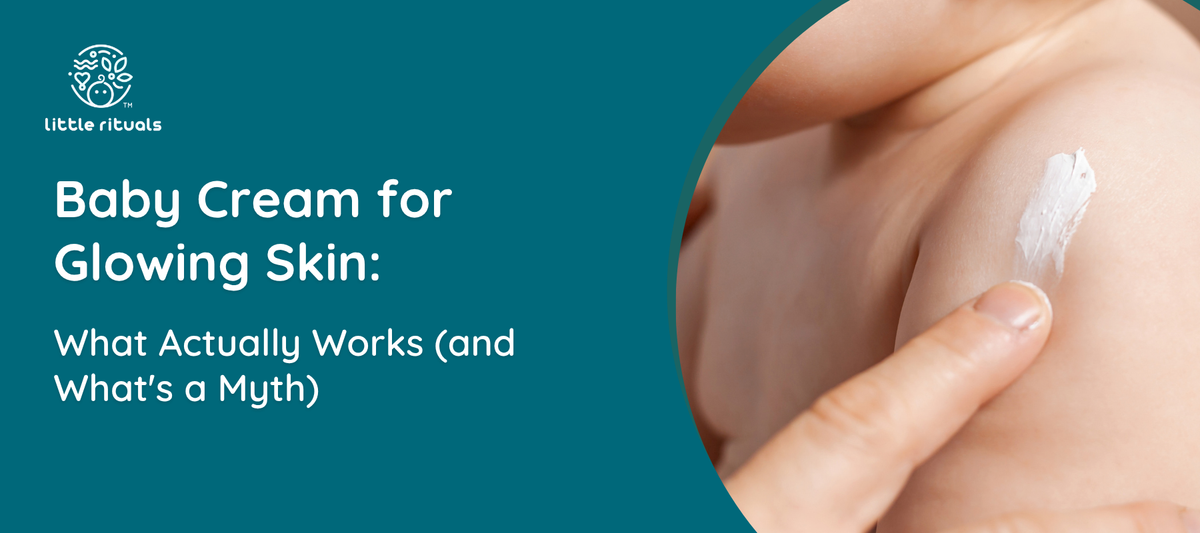
- Moisturizers: Use a fragrance-free cream or ointment to help reduce moisture loss and support the skin barrier. Thick creams and ointments are generally preferred over thinner lotions for eczema-prone skin.
- Mild steroid creams: A pediatrician or dermatologist may recommend a topical corticosteroid when eczema is inflamed or difficult to control. Use the strength, amount, frequency, and duration recommended by your healthcare professional rather than choosing or continuing treatment independently.
Daily skincare routines that support healing
- Gentle bathing: Keep baths lukewarm and brief
- Regular moisturising: Apply immediately after bathing to lock in moisture
- Protecting the skin barrier: Avoid harsh detergents, synthetic fabrics, and environmental irritants
Dermatologists recommend keeping baby baths to around 5–10 minutes, using lukewarm water, avoiding scrubbing, and applying a fragrance-free moisturizer immediately afterward while the skin is still damp.
Ingredients that soothe eczema-prone baby skin
- Oat extracts to calm inflammation
- Plant oils such as sunflower or jojoba to nourish the skin
- Barrier-repair moisturizers containing ceramides to strengthen skin
A Gentle Skincare Routine for Babies with Eczema
- Use a mild, tear-free cleanser free from sulphates and harsh chemicals
- Lock in moisture immediately after bathing using a gentle, plant-powered moisturizer
- Apply barrier-strengthening lotions containing safe oils and ceramides
- Avoid irritating fabrics, harsh detergents, and artificial fragrances
- Follow consistent daily routines to provide comfort and prevent flare-ups
At Little Rituals, every product is designed with sensitive baby skin in mind, combining plant-powered botanicals with science-backed formulations for safe, effective care. Discover more baby skin care routine by skin type to keep your little one's skin healthy and comfortable.
How to Bathe a Baby With Eczema
Bathing does not need to be avoided when a baby has eczema. Short baths with lukewarm water can help clean the skin and may provide comfort when followed by immediate moisturising.
- Keep baths short, around 5–10 minutes.
- Use lukewarm rather than hot water.
- Use a mild, fragrance-free cleanser where needed.
- Avoid scrubbing, rough washcloths, and bubble baths.
- Gently pat the skin dry instead of rubbing.
- Apply a fragrance-free moisturizer immediately while the skin is still damp.
Ingredients Parents Should Avoid if Their Baby Has Eczema
- Harsh surfactants such as sulphates
- Synthetic fragrances and artificial dyes
- Parabens and phthalates (learn more about whether parabens are good for skin and why many parents prefer paraben-free baby care products).
- Mineral oils and silicones
- Alcohol-based ingredients that dry the skin
Transparency in ingredients allows parents to choose baby products for sensitive skin that are suitable for babies with eczema and delicate skin.
Clothing and Laundry Tips for Eczema-Prone Babies
Soft, loose-fitting clothing can reduce friction and overheating. Cotton clothing is generally a good choice, while wool and some synthetic fabrics may irritate sensitive skin. Wash new clothes before use and choose fragrance-free, dye-free laundry detergent. Avoid fabric softeners and dryer sheets if they appear to irritate your baby's skin.
When Should You See a Doctor?
- Severe itching or bleeding skin
- Signs of infection, such as pus or swelling
- Rapidly spreading eczema or worsening symptoms
With timely pediatric guidance, eczema in babies is manageable, and flare-ups can be minimized through proper skincare routines.
Preventing Eczema Flare-Ups in Babies
- Maintain daily hydration with fragrance-free baby products and gentle moisturizers specifically formulated for sensitive skin.
- Protect the skin from harsh weather with appropriate clothing and coverings
- Choose safe, toxin-free baby skincare products that strengthen the skin barrier
- Avoid exposure to harsh detergents, synthetic fabrics, and irritants
- Follow consistent bedtime and skincare rituals to reduce stress and discomfort
Our Experience as Parents and Baby Skincare Experts
At Little Rituals, we understand firsthand the challenges of caring for babies with eczema. Our approach combines clean, plant-powered ingredients, clinically tested formulations, and transparent ingredient disclosure. Our dermatologically tested products help strengthen the delicate skin barrier while providing soothing hydration. We created these formulas because parents deserve safe, effective options that truly protect and support their baby’s skin. For those looking for a perfect baby gift box, or a new born baby gift hamper).
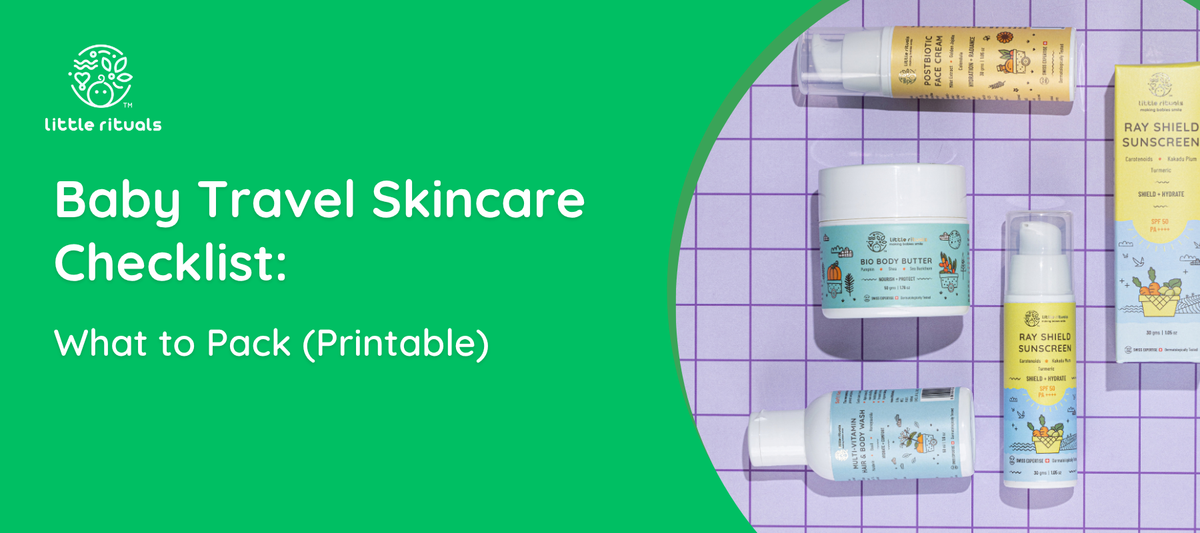
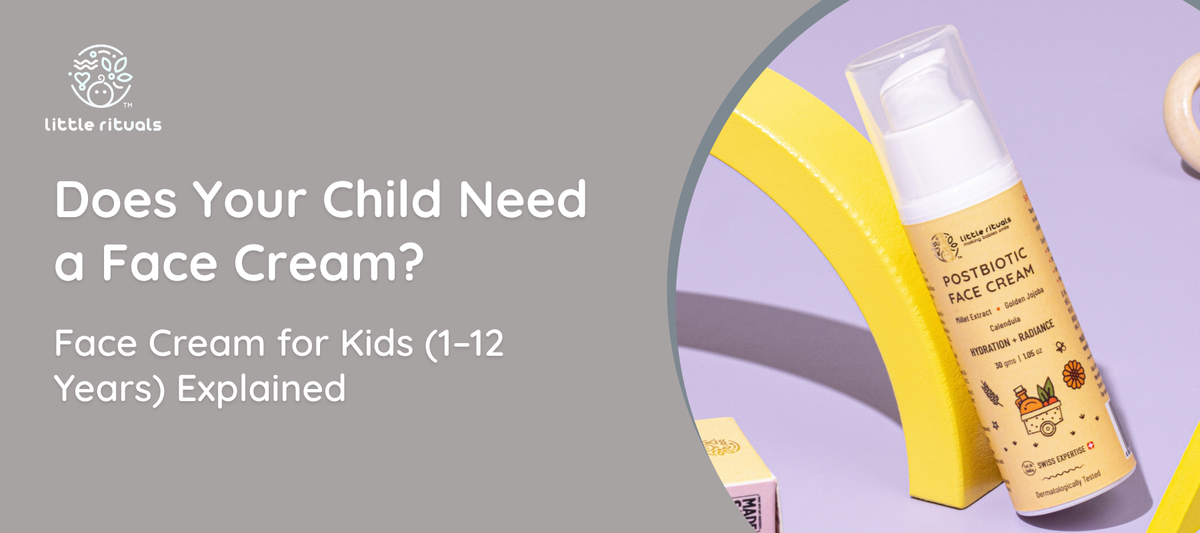
- Daily moisturising after bath time with Little Rituals Postbiotic Face Cream and Barrier Boost Body Lotion
- Calm and consistent skincare routines
These rituals provide both physical relief and emotional nurturing for babies, helping them feel secure and soothed. While managing skin health, you can also explore gentle baby girl hair accessories that won't irritate sensitive scalps.
Final Thoughts
Eczema in babies is common but highly manageable with awareness, gentle routines, and safe products. Parents can protect their baby’s delicate skin by choosing toxin-free skincare, keeping the skin hydrated, and establishing consistent daily care rituals. With patience and care, eczema flare-ups can be minimized, allowing babies to feel comfortable and happy.
Frequently Asked Questions
Q1. How can I prevent eczema in my baby?
Daily moisturising, gentle cleansing, and avoiding irritants like harsh soaps, synthetic fabrics, and chemicals can help prevent eczema in babies.
Q2. Can eczema in babies go away on its own?
Some mild cases improve naturally as the skin barrier matures, but consistent care and hydration are important to prevent flare-ups.
Q3. Is eczema contagious in babies?
No, eczema in babies is not contagious. It is caused by genetics, environmental factors, and a weakened skin barrier.
Q4. Will moisturising help eczema in babies?
Yes, regular moisturising strengthens the skin barrier, locks in hydration, and reduces dryness and itching.
Q5. What triggers eczema flare-ups in babies?
Common triggers include cold or dry weather, harsh soaps, synthetic fabrics, and skincare products with sulphates, fragrances, or alcohol.
Q6. Why is my baby scratching eczema patches at night?
Itching often worsens at night due to natural temperature changes and hormone fluctuations, which can make babies more uncomfortable and disrupt sleep.
Q7. How long does eczema last in infants?
Eczema duration varies. Some infants improve by age 2–3, while others may experience intermittent flare-ups into childhood.
Q8. Can natural oils help eczema in babies?
Yes, plant-based oils like Little Rituals’ coconut and sweet almond oil can soothe irritation, reduce dryness, and strengthen the skin barrier safely.