Microbiome Skincare for Babies: Why It Matters and How to Protect It Naturally
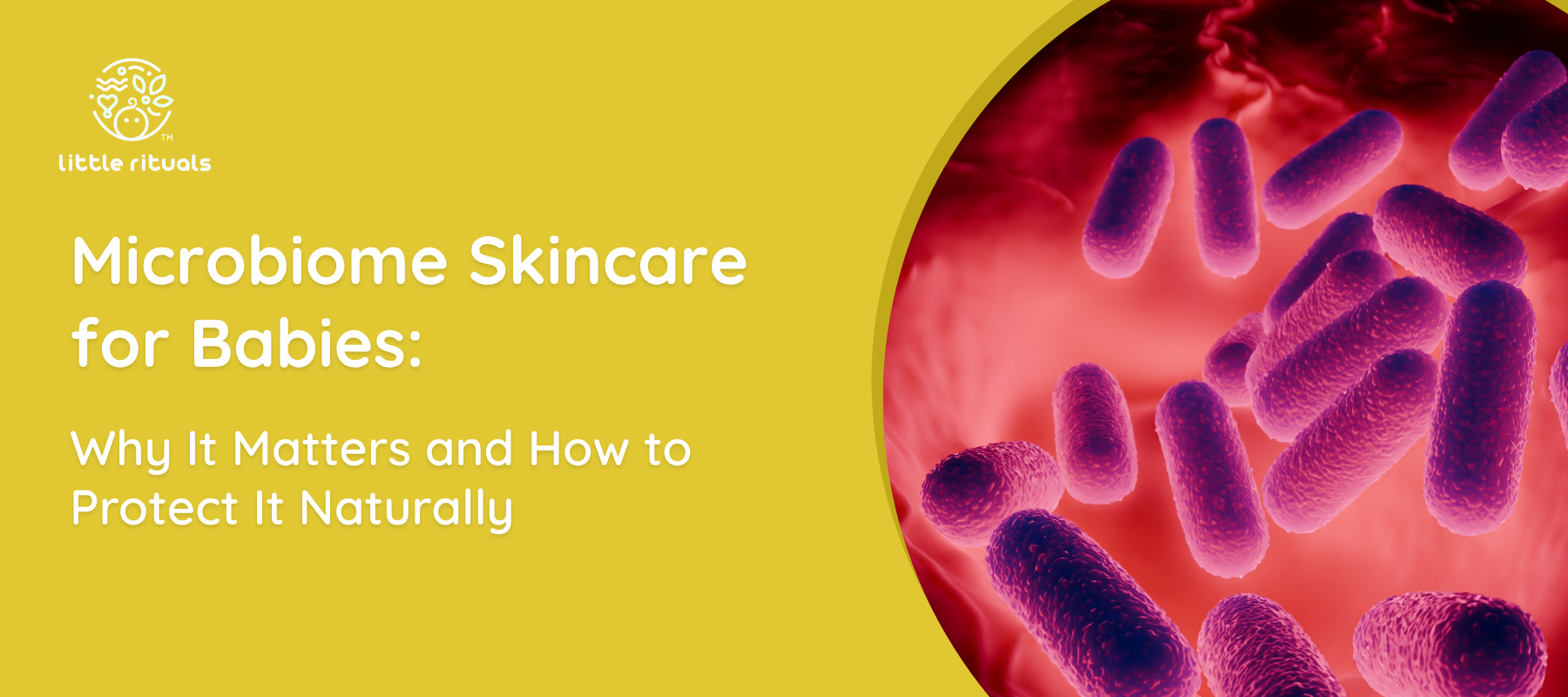
Microbiome skincare for babies focuses on protecting and nurturing the natural community of beneficial bacteria that lives on a baby’s skin. This ecosystem plays a critical role in maintaining hydration, strengthening the skin barrier, and reducing the risk of irritation and infections. By choosing gentle products, limiting exposure to harsh ingredients, and incorporating postbiotic formulations, parents can support healthier and more resilient skin from the very beginning.
Microbiome skincare for babies is essential because a baby’s skin is still developing and highly sensitive to external influences. The skin microbiome acts as a natural defense system that helps protect against dryness, irritation, and environmental stress. Today, many modern skincare brands are moving toward microbiome friendly formulations, including the use of postbiotic ingredients, to support this delicate balance in a safe and effective way. Understanding how your baby’s skin functions allows you to make informed decisions that protect and strengthen it rather than unknowingly disrupt it.
From daily bathing habits to the baby care products you choose, every small step plays a role in shaping your baby’s skin health. Early care is not just about softness or appearance. It is about building a strong foundation that supports the skin’s natural ability to defend and repair itself over time.
What Is the Baby Skin Microbiome
The Invisible Protective Layer on Your Baby’s Skin
The baby skin microbiome is a delicate and constantly evolving ecosystem made up of beneficial microorganisms that naturally live on the surface of your baby’s skin. These microorganisms are not harmful. In fact, they are essential for maintaining skin health and balance from the very beginning of life.
This invisible layer functions as the skin’s first line of defense. It works continuously to protect against harmful bacteria, environmental pollutants, and irritants that your baby encounters daily. At the same time, it helps regulate moisture levels and supports the skin’s natural pH, which is crucial for maintaining softness and comfort.
A well balanced microbiome also communicates with the skin’s immune system. It helps the body recognize what is harmful and what is not, reducing unnecessary inflammation and sensitivity. When this ecosystem is stable, your baby’s skin appears calm, smooth, and well hydrated.
However, this balance is extremely delicate in babies. Even small disruptions caused by harsh products, over cleansing, or environmental changes can weaken the microbiome. When that happens, the skin may become dry, irritated, or more prone to conditions like rashes and eczema.
How the Microbiome Develops in Babies
At birth, a baby’s skin microbiome begins forming almost immediately. It is influenced by several factors such as delivery method, environment, and early skincare practices. In the first few months, this microbiome is still immature and highly sensitive to changes.
During this stage, every product used on the skin plays a role in shaping this ecosystem. Gentle, microbiome friendly care helps beneficial bacteria grow and thrive, while harsh ingredients can disrupt this process.
Why Baby Skin Is More Vulnerable Than Adult Skin
Baby skin is not just a smaller version of adult skin. It is structurally and functionally different. The outer layer is thinner, which means it loses moisture more quickly and absorbs substances more easily. The skin barrier is still developing, so it cannot effectively block irritants or retain hydration on its own.
Key differences include
- A thinner outer layer that makes the skin more permeable
- A developing barrier that is less effective at protection
- A microbiome that is still forming and easily disrupted
Because of these factors, baby skin requires extra care and attention. Supporting the microbiome during this early stage is essential for helping the skin mature properly and become more resilient over time.
Why Microbiome Skincare for Babies Is Essential
Prevents Common Skin Issues
One of the most immediate and noticeable benefits of microbiome skincare for babies is its ability to prevent common skin problems. When the microbiome is balanced, it creates an environment where harmful bacteria cannot easily grow. This reduces the likelihood of issues such as eczema, diaper rash, dryness, and irritation.
Instead of treating these concerns after they appear, microbiome skincare focuses on prevention. By maintaining a healthy balance of beneficial bacteria, the skin is better equipped to protect itself naturally.
Supports Healthy Skin Development
The early months of a baby’s life are critical for skin development. During this time, the skin is learning how to function, protect itself, and respond to external factors. A well supported microbiome plays a key role in this process.
It helps guide the development of the skin barrier and ensures that the skin becomes stronger and more resilient over time. This early support can have long lasting effects, influencing how the skin behaves even in later years.
Builds Long Term Skin Immunity
The microbiome is closely connected to the skin’s immune system. By supporting beneficial bacteria, microbiome skincare helps train the skin to respond appropriately to different stimuli.
This means the skin becomes less reactive to minor irritants and better able to defend itself against harmful elements. Over time, this leads to improved skin resilience and fewer sensitivities.
Strengthens the Skin Barrier Naturally
Rather than relying on heavy or overly complex formulations, microbiome skincare works by enhancing the skin’s natural functions. It strengthens the barrier by supporting its ability to retain moisture and block irritants.
A strong skin barrier means fewer chances of dryness, redness, and discomfort. It also reduces the need for constant intervention, allowing the skin to maintain its own balance more effectively.
Reduces Dependence on Harsh Treatments
When the microbiome is well maintained, the skin is less likely to develop issues that require strong treatments. This reduces the need for medicated baby creams or aggressive solutions, which can sometimes further disrupt the skin.
By focusing on gentle, preventive care, microbiome skincare creates a healthier environment where the skin can thrive naturally.
Encourages a Minimal and Thoughtful Routine
Microbiome skincare promotes a simpler approach to baby care. Instead of using multiple products, it encourages parents to choose fewer, more effective formulations that work in harmony with the skin.
This not only reduces the risk of irritation but also makes daily care more manageable and consistent.
What Damages Your Baby’s Skin Microbiome
A baby’s skin microbiome is delicate and still developing, which means it can be easily disrupted by everyday habits and product choices. Understanding what causes this imbalance is the first step toward protecting your baby’s skin effectively.
Harsh Cleansers and Chemicals
Many baby products on the market still contain ingredients that are too strong for sensitive skin. Cleansers with aggressive surfactants can strip away natural oils and remove beneficial bacteria that are essential for maintaining balance. Artificial fragrances and preservatives can further irritate the skin, triggering redness or dryness.
When the skin loses its natural protective layer, it becomes more vulnerable to environmental irritants and harmful microbes. Over time, repeated exposure to such ingredients can weaken the skin barrier and make the microbiome unstable.
Over Cleansing
It is common for parents to believe that frequent bathing keeps their baby healthier, but excessive cleansing can actually do the opposite. Washing too often removes not only dirt but also the natural lipids and beneficial microorganisms that protect the skin.
This can leave the skin dry, tight, and more prone to irritation. A disrupted microbiome may also struggle to recover quickly, leading to recurring skin concerns.
Using Adult Skincare Products
Adult skincare products are formulated with stronger active ingredients and higher concentrations that are not suitable for a baby’s delicate skin. These formulations can alter the skin’s natural pH and disturb the microbiome balance.
Even products labeled as gentle for adults may still be too harsh for babies. Using the wrong products can lead to increased sensitivity and long term skin issues.
Environmental and Lifestyle Factors
External factors also play a role in damaging the microbiome. Exposure to pollution, extreme weather conditions, and even overly sterile environments can affect how the microbiome develops.
For example, excessive use of antibacterial products may eliminate both harmful and beneficial bacteria, preventing the skin from building natural resilience.
Postbiotic Skincare for Babies: The Future of Gentle Protection
As baby skincare science evolves, postbiotic formulations are emerging as a safer and more effective way to support the baby's skin microbiome. They offer the benefits of microbial activity without the complexity of using live bacteria.
What Is a Postbiotic
A postbiotic is a bioactive compound produced by beneficial bacteria during their natural lifecycle. These compounds include enzymes, peptides, and other nutrients that support skin health.
Unlike probiotics, which involve live microorganisms, postbiotics are stable and do not require special storage or handling conditions. This makes them highly suitable for baby skincare products.
Why Postbiotics Are Safer Than Probiotics
One of the biggest advantages of postbiotics is their safety and consistency. Since they are not living organisms, there is no risk of bacterial imbalance or contamination.
They are also easier to formulate into skincare products without losing their effectiveness. This ensures that each application delivers consistent benefits, which is especially important for sensitive baby skin.
How Postbiotics Support Baby Skin
Postbiotics work in harmony with the skin to improve its overall health and resilience. Their benefits include
- Strengthening the skin barrier, making it more resistant to external irritants
- Enhancing moisture retention, which helps keep the skin soft and hydrated
- Reducing inflammation and soothing irritation, which is particularly helpful for sensitive or reactive skin
By supporting the microbiome rather than disrupting it, postbiotic skincare provides a gentle yet effective approach to baby care.
How to Build a Microbiome-Friendly Skincare Routine for Your Baby
Creating a microbiome-friendly routine does not require complexity. In fact, simplicity is key. A well-structured routine focuses on protecting the skin’s natural balance while providing essential care.
Step 1: Choose Gentle Cleansers
The first step is selecting a cleanser that respects the skin’s natural barrier. It should remove impurities without stripping away essential oils or beneficial bacteria.
Look for formulations that are mild, non-drying, and specifically designed for baby skin. This helps maintain the microbiome while keeping the skin clean.
Step 2: Use Barrier Strengthening Moisturisers
Moisturising plays a crucial role in maintaining hydration and supporting the skin barrier. A good baby moisturiser not only prevents dryness but also helps lock in moisture and protect the microbiome.
Products that include microbiome-supporting ingredients, such as postbiotics, can provide additional benefits by reinforcing the skin’s natural defenses.
Step 3: Keep the Routine Simple
One of the most common mistakes is using too many products. Overlayering can overwhelm the skin and disrupt its natural processes.
A simple routine that includes cleansing and moisturising is often enough to maintain healthy skin. This allows the microbiome to function naturally without unnecessary interference.
Step 4: Choose Postbiotic Enriched Products
Incorporating postbiotic-based products into your baby’s routine can help maintain a balanced microbiome. These formulations work gently to support the skin without irritating.
Over time, this approach helps build stronger, more resilient skin that can adapt to environmental changes.
Step 5: Be Consistent with Care
Consistency is just as important as the new born baby products you use. Following a routine helps the skin maintain balance and recover more effectively from daily exposure to external factors.
Signs Your Baby’s Skin Microbiome Needs Support
Recognizing the early signs of an imbalanced microbiome can help you take action before the condition worsens. These signs often appear gradually and may be mistaken for temporary issues.
- Persistent dryness that does not improve even after moisturising regularly
- Redness or irritation that appears after using certain products
- Frequent rashes or flare-ups, especially in sensitive areas
- Increased sensitivity to temperature changes or fabrics
- Skin that feels rough or uneven instead of soft and smooth
These symptoms indicate that the skin barrier may be weakened and the microbiome disrupted. Addressing these concerns early with the right skincare approach can help restore balance and prevent further complications.
Common Myths About Baby Skincare
There are many misconceptions surrounding baby skincare, and believing these myths can lead to practices that harm rather than help your baby’s skin.
Sterile Skin Is Healthier
Many parents assume that completely clean and bacteria-free skin is ideal. In reality, the presence of beneficial bacteria is essential for maintaining a healthy microbiome. Eliminating all bacteria can weaken the skin’s natural defenses.
More Products Provide Better Care
Using multiple products may seem like a thorough approach, but it can overwhelm the skin. Too many formulations can interfere with the microbiome and increase the risk of irritation.
Natural Oils Alone Are Enough
While natural oils can provide hydration, they do not offer complete support for the skin barrier or microbiome. A balanced skincare routine is more effective in maintaining overall skin health.
Frequent Bathing Keeps Skin Healthy
Bathing too often can strip the skin of its natural oils and beneficial bacteria. This can lead to dryness and disrupt the microbiome.
All Baby Products Are Gentle
Not all products labeled for babies are truly gentle. Some may still contain ingredients that are not suitable for sensitive skin. It is important to read labels and choose formulations carefully.
Understanding these myths helps parents make informed decisions and adopt practices that truly support their baby’s skin.
Expert Tips to Protect Your Baby’s Skin Microbiome
- Maintain a consistent and simple skincare routine that avoids unnecessary complexity
- Limit bathing frequency to prevent stripping the skin of natural oils
- Choose products specifically formulated for babies to ensure compatibility
- Focus on microbiome-friendly and postbiotic-enriched formulations that support long term skin health
These practical tips can make a significant difference in maintaining healthy skin.
Conclusion
Microbiome skincare for babies is a thoughtful and science-informed approach to caring for delicate skin. By supporting the natural balance of beneficial bacteria, parents can help prevent common skin concerns and promote long-term health. Every small choice, from the products you select to the routines you follow, contributes to building stronger and more resilient skin.
Give Your Baby the Care Their Skin Truly Needs
Your baby’s skin deserves more than basic care. It requires a mindful approach that respects its natural balance and supports its development. Little Rituals focuses on combining plant-based ingredients with postbiotic science to create gentle and effective skincare solutions. By choosing microbiome-friendly care, you are not just addressing immediate concerns but also building a strong foundation for healthier skin in the future.
Frequently Asked Questions
Q1. How can I protect my baby’s skin microbiome daily?
You can protect it by using gentle, fragrance-free products, limiting bathing frequency, and ensuring that the skincare routine supports the natural balance of the skin.
Q2. Can microbiome skincare reduce baby eczema?
Maintaining a healthy microbiome can help strengthen the skin barrier and reduce inflammation, which may improve the appearance and frequency of eczema.
Q3. Is postbiotic skincare safe for newborns?
Postbiotic skincare is generally considered safe because it does not involve live bacteria and is designed to be stable and gentle for sensitive skin.
Q4. Will over bathing damage my baby’s skin?
Frequent bathing can remove natural oils and disrupt the microbiome, leading to dryness and increased sensitivity.
Q5. What ingredients should I avoid in baby skincare?
Avoid strong cleansing agents, artificial fragrances, and alcohol based ingredients that can irritate delicate skin.
Q6. Why is microbiome skincare for babies important?
It supports the skin’s natural defenses, reduces the risk of irritation, and helps build resilience for long term skin health.
Q7. How do I know if my baby’s skin barrier is weak?
Signs include dryness, redness, irritation, and frequent reactions to products or environmental changes.
Q8. Can I use regular moisturiser on my baby?
It is best to use products specifically designed for babies, as they are formulated to be gentle and compatible with delicate skin.