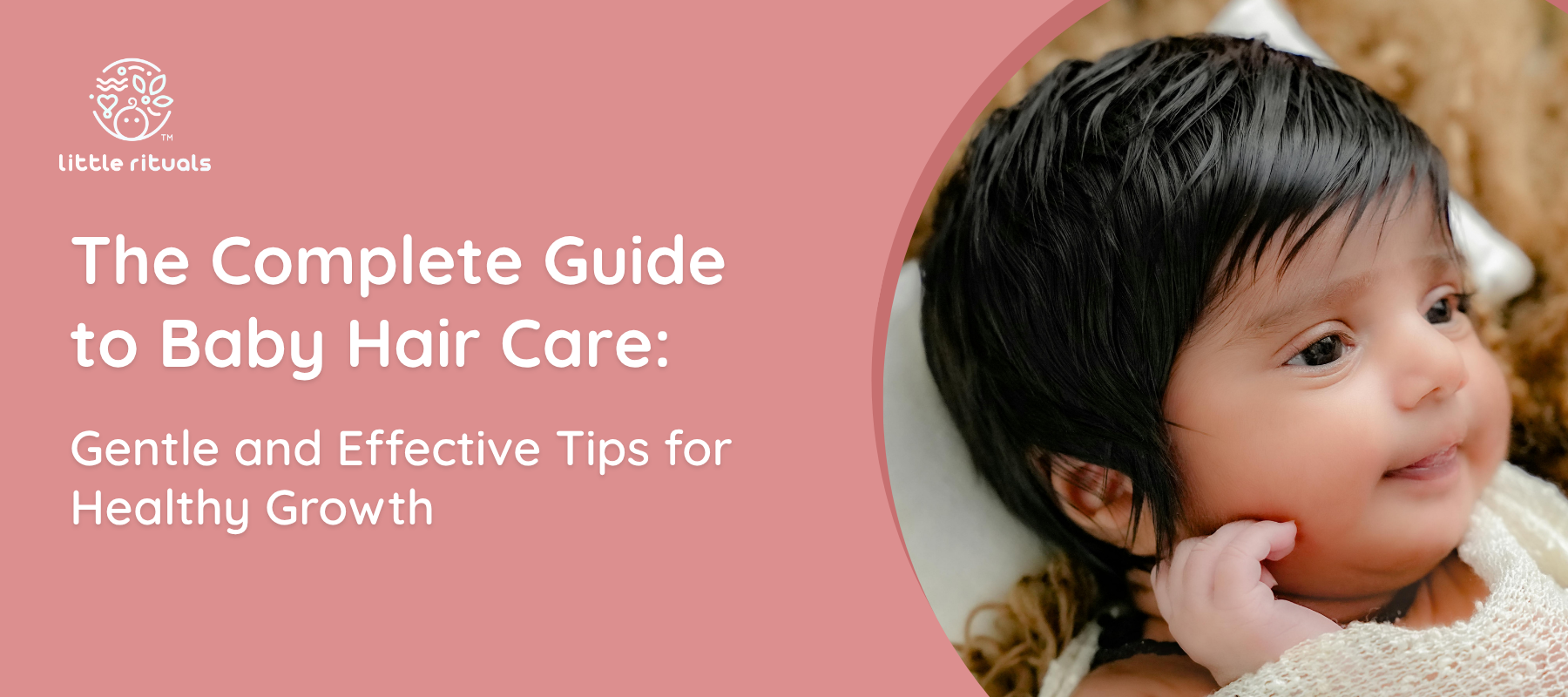
The Complete Guide to Baby Hair Care: Gentle and Effective Tips for Healthy Growth
Baby hair care focuses on keeping the scalp clean, nourished, and protected using gentle methods. Washing the hair 2 to 3 times a week with a mild shampoo, applying light oil in moderation, and avoiding harsh ingredients are key practices. Hair fall in babies is natural and temporary, and consistent care supports healthier regrowth over time.
Baby hair care is often one of the first concerns parents notice, especially when they observe hair shedding, dryness, or uneven growth patterns. Parents looking for practical solutions can also explore these expert-backed baby hair growth tips to better understand healthy hair development during infancy.
Today, many parents prefer safe, plant-based and dermatologically tested solutions offered by brands like Little Rituals, which are designed specifically for sensitive baby skin and hair. In the early months, a baby’s scalp is still developing its natural barrier, making it essential to avoid harsh chemicals and unnecessary products. This guide provides a clear and practical understanding of baby hair care so you can make informed decisions with confidence.
Understanding Baby Hair: What Every Parent Should Know
Baby hair is fundamentally different from adult hair in both structure and behaviour. It is softer, finer, and much more delicate, which makes it more susceptible to breakage, dryness, and shedding. Understanding these differences helps parents approach care with the right expectations.
Why Newborn Hair Falls Out
Hair loss during the first few months is a natural process. Babies are born with hair that developed in the womb, but after birth, hormonal changes cause this hair to shed. This phase, often referred to as telogen effluvium in infants, is temporary and not a cause for concern. As the old hair falls out, new strands begin to grow, often with a slightly different texture or thickness. Some babies may lose most of their hair, while others experience only mild thinning.
Baby Hair Growth Stages
In the initial 0 to 3 months, hair shedding is most noticeable. Between 3 and 6 months, new hair begins to grow gradually across the scalp. By 6 to 12 months, the hair becomes denser and starts to show its natural pattern. However, growth speed varies from one child to another, and factors like genetics and nutrition play an important role.
Differences Between Infant Hair and Adult Hair
Infant hair is not only thinner but also lacks the strength and resilience of adult hair. The scalp produces less natural oil, which makes it more prone to dryness. Additionally, the hair follicles are still developing, which means they are more sensitive to friction and pressure. Because of this, baby hair care should always focus on gentle handling and minimal intervention.
Baby Hair Care Routine: Step by Step Guide
A well balanced baby hair care routine should feel calming, simple, and safe for your baby. The goal is not to use many products, but to follow a thoughtful sequence that supports scalp health without causing irritation. Each step plays a role in maintaining cleanliness, hydration, and overall comfort. When done consistently, this routine helps create the ideal environment for healthy hair growth.
Step 1: Gentle Oiling
Oiling is often the first step in baby hair care because it helps nourish the scalp and improve circulation. A light massage using natural oils can soften dryness and support the overall condition of the scalp. It is important to keep the pressure very gentle, as a baby’s scalp is still delicate and sensitive.
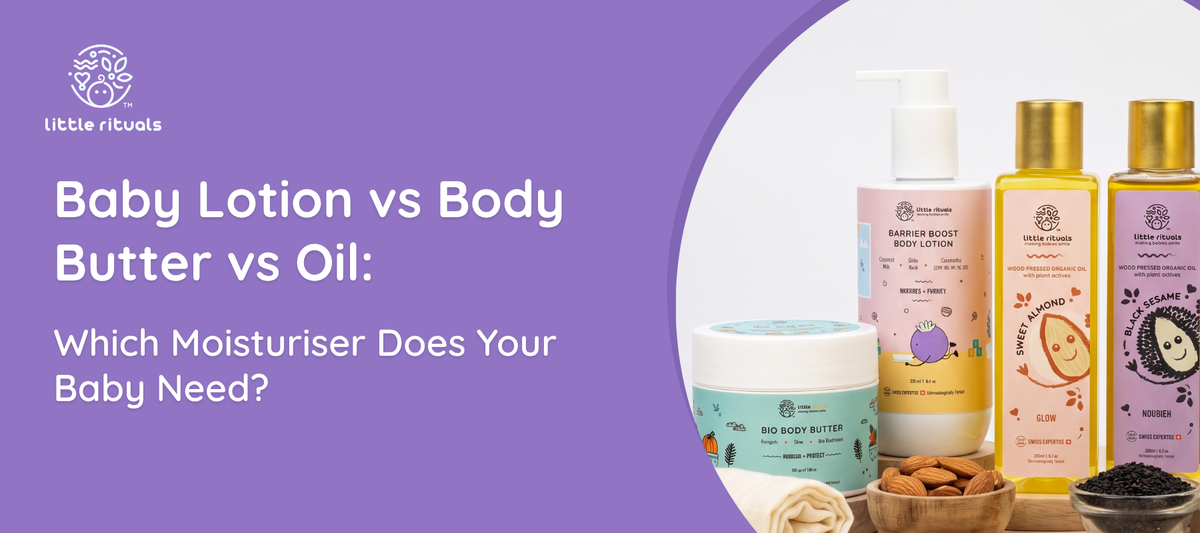
Using a safe and well formulated oil makes a difference here. The Little Rituals Nourishing Baby Oils are designed with plant based ingredients that help moisturise without feeling heavy or greasy. It absorbs easily into the scalp and provides just the right amount of hydration. Applying a small quantity and leaving it on for a short duration before a bath is usually enough to deliver its benefits.
Understanding the right techniques and frequency is equally important, and this detailed guide on oiling your baby's hair can help parents build a safe routine.
Step 2: Mild Cleansing
Cleansing is essential to remove excess oil, sweat, and any buildup from the scalp. However, over-cleansing or using strong products can strip away natural moisture and lead to dryness. Washing your baby’s hair 2 to 3 times a week is generally sufficient.
Choosing a gentle shampoo is crucial. The Little Rituals Tear Free Baby Shampoo is formulated to cleanse without irritation. It is mild on the eyes and scalp, making bath time comfortable for your baby. Its plant powered formulation helps maintain the natural balance of the scalp while effectively removing impurities. Using a small amount and rinsing thoroughly ensures that no residue is left behind.
If you're unsure about the ideal washing schedule, this guide on how often you should wash your baby's hair explains the recommended frequency based on your baby's age and scalp needs.
Step 3: Soft Drying
After washing, the way you dry your baby’s hair matters just as much as the products you use. Instead of rubbing the scalp with a towel, gently pat the hair dry using a soft, absorbent cloth. This reduces friction and prevents unnecessary hair breakage.
Allowing the hair to air dry is always a safer option when possible. It helps retain natural moisture and keeps the scalp from becoming overly dry. If your baby has very fine hair, even minimal handling during this step can make a noticeable difference in maintaining its softness.
Step 4: Scalp Hydration and Protection
Once the hair is clean and dry, maintaining hydration becomes important. A baby’s scalp can lose moisture quickly, especially in dry environments. Light hydration helps keep the scalp comfortable and prevents flakiness.
The Little Rituals Baby Lotion can be used around the hairline and scalp area if dryness is observed. It is designed to be gentle and non irritating, supporting the skin’s natural barrier. This step is particularly helpful for babies who experience mild dryness or sensitivity.
Step 5: Gentle Brushing and Daily Care
Brushing your baby’s hair helps keep it neat and prevents tangling. It also helps distribute natural oils across the scalp, which can improve overall hair texture. A soft-bristle brush is ideal for this purpose.
Daily care also includes being mindful of external factors such as friction from bedding or tight caps. Using soft fabrics and avoiding unnecessary styling helps protect the hair from damage. Keeping the routine minimal and consistent ensures that the scalp remains healthy without being overwhelmed.
Expert-Approved Baby Hair Care Tips
Caring for your baby’s hair does not require complicated routines, but it does require consistency and awareness. Small daily habits play a significant role in maintaining a healthy scalp and supporting natural hair growth. These expert-approved tips are designed to help parents avoid common mistakes while building a safe and effective routine.
- Handle hair with extreme care: A baby’s scalp is delicate, and even minor pulling or friction can weaken hair roots. Always be gentle while washing, drying, or brushing. Avoid sudden movements that may cause unnecessary stress to the scalp.
- Keep the routine minimal and consistent: Using too many products or changing routines frequently can irritate the scalp. A simple routine followed consistently is far more beneficial than experimenting with multiple solutions.
- Choose products specifically formulated for babies: Baby shampoos and oils are designed to match the sensitivity of infant skin. Using adult products can disrupt the natural balance of the scalp and lead to dryness or irritation.
- Avoid tight hairstyles or accessories: Although styling may seem harmless, tight bands or clips can pull on delicate hair strands. This can lead to breakage or even temporary hair loss in certain areas.
- Pay attention to fabric contact: Your baby’s hair constantly comes into contact with pillows, towels, and clothing. Using soft, breathable fabrics like cotton reduces friction and helps prevent hair damage.
- Limit hair washing to maintain natural oils: Frequent washing can strip away the scalp’s natural moisture, leading to dryness. Maintaining a balanced washing schedule ensures cleanliness without compromising hydration.
- Use oil in moderation: Oiling is beneficial, but excessive oil can clog pores and attract dirt if not washed properly. Applying a small amount and massaging gently is sufficient.
- Observe scalp health regularly: Check for signs of dryness, redness, or flaking. Early attention to these signs helps prevent more noticeable issues later.
- Avoid comparing your baby’s hair growth with others: Hair growth patterns vary widely among babies. Genetics, nutrition, and overall health all influence how hair develops.
- Maintain overall hygiene and comfort: A clean scalp, comfortable sleeping environment, and proper hydration contribute indirectly to healthier hair.
Choosing the Right Baby Hair Care Products
Selecting the right products is one of the most important decisions in baby hair care. Since a baby’s skin is more absorbent and sensitive than adult skin, even small amounts of harsh ingredients can cause irritation. Understanding what goes into your baby's products helps you make safer and more informed choices.
You can also browse Little Rituals' collection of gentle baby care products formulated specifically for sensitive skin and scalp needs.
Ingredients to Look For
- Natural oils such as coconut oil, almond oil, and sesame oil, which help nourish and protect the scalp
- Plant based extracts that provide gentle care without disrupting the scalp’s natural balance
- Dermatologically tested formulations that are specifically created for sensitive baby skin
- Mild cleansing agents that clean without stripping away essential moisture
- pH balanced formulas that support the natural protective barrier of the scalp
Ingredients to Avoid
- Sulfates, which can remove natural oils and cause dryness or irritation
- Parabens, which may not be suitable for delicate skin
- Artificial fragrances, which can trigger allergic reactions or sensitivity
- Alcohol based ingredients, which can dry out the scalp
- Harsh preservatives or synthetic additives, which may disrupt the skin’s natural balance
Why Safe Formulations Matter
A baby’s scalp is still developing its protective layer, making it more vulnerable to external factors. Using harsh or unsuitable products can weaken this barrier, leading to dryness, itching, or discomfort. Gentle formulations help maintain hydration, support healthy hair growth, and reduce the risk of irritation.
Parents today are increasingly aware of ingredient safety and prefer baby care products that are transparent, thoughtfully formulated, and tested for safety. Brands like Little Rituals focus on combining plant-based ingredients with scientific research to create products that are both gentle and effective for everyday use.
Common Baby Hair and Scalp Problems
It is natural for parents to feel concerned when they notice changes in their baby’s hair or scalp. However, most conditions are mild and temporary. Understanding these common issues can help you manage them calmly and effectively.
Cradle Cap
Cradle cap appears as flaky, sometimes greasy patches on the scalp. It is caused by excess oil production and is very common in infants. Although it may look concerning, it is harmless and usually resolves on its own over time. Gentle oiling followed by mild cleansing can help loosen the flakes and improve the appearance of the scalp.
Dry Scalp
Dryness occurs when the scalp loses moisture, often due to overwashing or the use of strong products. Symptoms may include flaking, rough texture, or mild irritation. Reducing wash frequency and switching to gentler products can help restore moisture balance.
Hair Thinning or Patchiness
Many babies develop bald patches, especially at the back of the head. This is usually caused by friction from lying down for extended periods. As the baby grows and begins to move more, these patches typically fill in naturally without any treatment.
Mild Scalp Irritation
Sometimes the scalp may appear slightly red or sensitive. This can result from environmental factors, product reactions, or excessive rubbing. Identifying the cause and simplifying the routine usually helps resolve the issue.
Slow Hair Growth
Some babies naturally have slower hair growth due to genetic factors. This is not a concern as long as the scalp is healthy. With time, baby hair growth
improves as the child develops.
When to Seek Advice
If you notice persistent redness, excessive scaling, or unusual hair loss, it is advisable to consult a pediatrician. Early guidance ensures that any underlying issues are addressed promptly.
Baby Hair Care Do’s and Don’ts
Following the right practices consistently can make a noticeable difference in your baby’s hair health. These simple guidelines help prevent common mistakes and support healthy growth.
Do’s
- Use gentle oils to keep the scalp nourished and moisturised
- Maintain a consistent routine that includes light oiling and mild cleansing
- Use a soft brush designed for babies to prevent tangling
- Choose products that are specifically formulated for sensitive baby skin
- Keep the scalp clean without over washing
- Ensure your baby’s bedding and towels are soft and clean
- Pay attention to early signs of dryness or irritation and address them promptly
Don’ts
- Avoid using adult shampoos or hair care products on babies
- Do not wash the hair too frequently, as it can strip natural oils
- Avoid rubbing the scalp with rough towels or fabrics
- Do not apply excessive oil that can clog pores
- Avoid tight hairstyles, clips, or accessories that pull on the hair
- Stay away from chemical heavy formulations that may irritate the scalp
- Do not ignore persistent scalp issues that may require professional advice
By following these do’s and don’ts, parents can create a balanced and effective baby hair care routine that supports healthy growth while keeping the scalp comfortable and protected.
Building a Gentle and Safe Baby Hair Care Routine
Creating a routine that works for your baby does not require complexity. In fact, a simple and consistent approach is often the most effective. Focus on maintaining cleanliness, providing light nourishment, and ensuring that the scalp remains comfortable.
It is important to observe how your baby’s scalp responds to different products and adjust the routine accordingly. Consistency plays a key role in supporting natural hair growth, while patience ensures that you do not overreact to temporary changes. Over time, a gentle routine helps build a healthy foundation for stronger hair.
Why Choosing the Right Brand Matters
The choice of products can have a lasting impact on your baby’s scalp health. Parents today are more aware of ingredient safety and the importance of using products specifically designed for babies.
Brands like Little Rituals focus on combining plant-based ingredients with thoughtful formulation practices to create products that are gentle, effective, and suitable for daily use. Such brands emphasise safety, transparency, and quality, helping parents feel confident about their choices.
Give Your Baby the Gentle Care They Truly Deserve
Caring for your baby’s hair is not about doing more, but about doing what is right. A gentle routine, combined with safe and thoughtfully formulated products, creates the best environment for healthy hair growth.
The hair care range from Little Rituals is designed to support everyday baby care with plant-powered, toxin-free formulations that prioritise safety and comfort. Choosing the right care approach today helps build a strong and healthy foundation for your baby’s hair in the future.
Frequently Asked Questions
Q1. How often should I wash my baby’s hair?
Washing your baby’s hair 2 to 3 times a week is usually sufficient. This helps maintain cleanliness without removing essential natural oils that protect the scalp.
Q2. Can I use oil on my baby’s hair every day?
It is better to apply oil a few times a week instead of daily. Excessive oiling can lead to buildup if not cleaned properly.
Q3. Is it normal for babies to lose hair?
Yes, hair loss in babies is a normal part of early development and is usually temporary.
Q4. Will shaving my baby’s head make the hair thicker?
No, shaving does not influence hair thickness or growth. This belief is not supported by science.
Q5. What is the best oil for baby hair care?
Natural oils such as coconut and almond oil are commonly recommended for their nourishing properties.
Q6. Why does my baby have a dry scalp?
Dry scalp can result from over washing or the use of strong products. Switching to gentle formulations can help improve the condition.
Q7. How can I improve my baby’s hair growth?
Maintaining a consistent routine, using safe products, and ensuring proper nutrition all contribute to healthy hair growth.
Q8. Can I use conditioner on my baby’s hair?
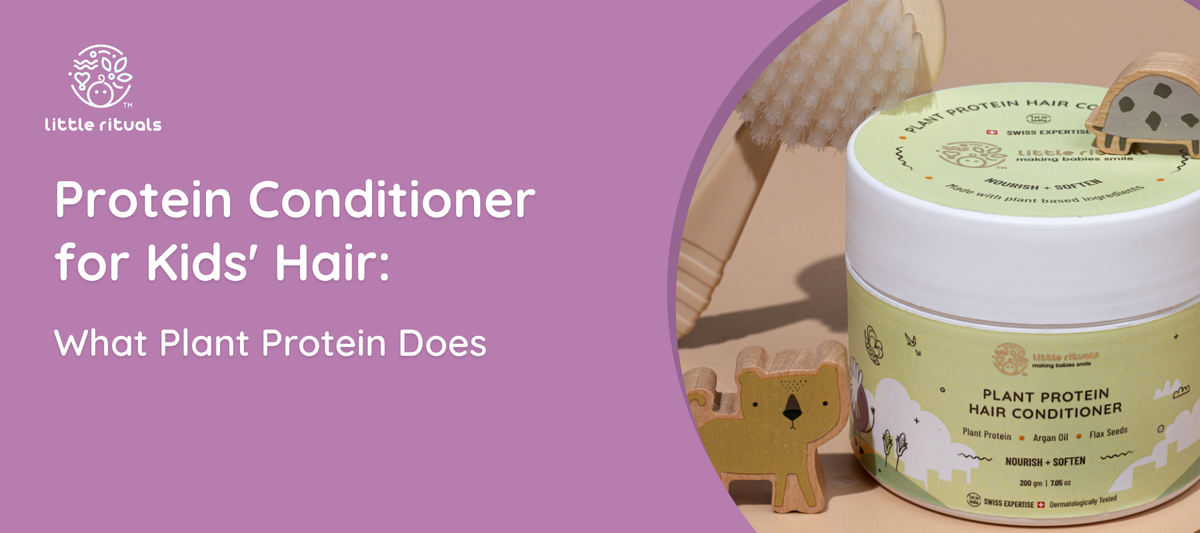
Conditioners are generally not necessary for babies. A mild shampoo and proper care routine are usually enough. As children grow older and develop longer hair, parents may consider learning about kids hair conditioner benefits and how to use them.