New-Born Baby Care Essentials - 10 Essential Things To Know!
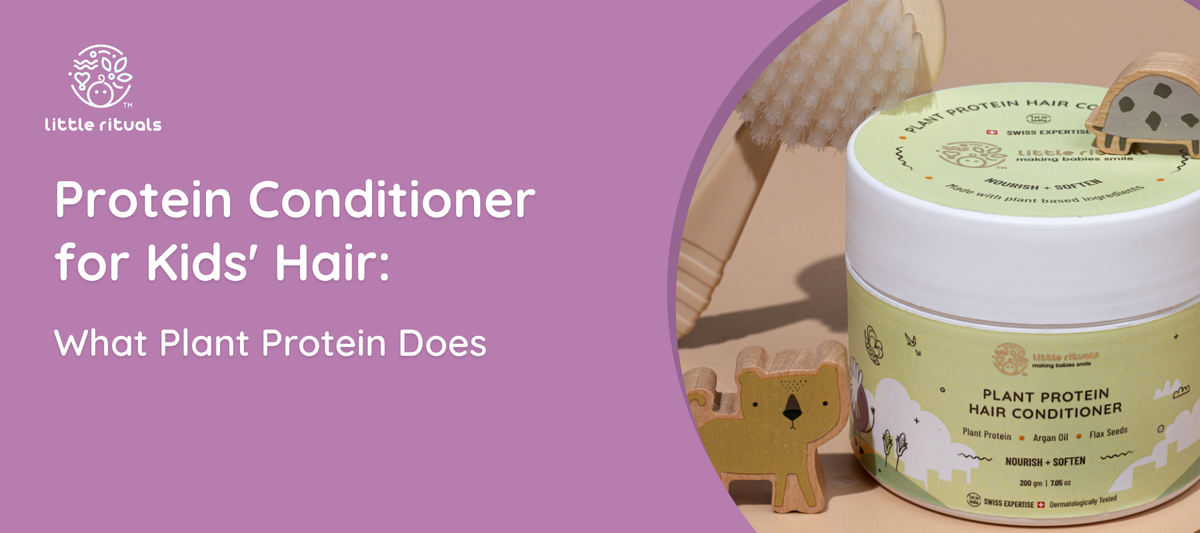
There is nothing as excitingly overwhelming as welcoming a newborn into your life. This period is found to be very overwhelming, especially for first-time parents. You need to take care of everything from feeding your newborn to nourishing their skin using dermatologically tested products like Little Rituals Wood Cold Pressed Organic Sweet Almond Oil for healthy skin development.

Here are the top 10 things to know about your new-born baby care to get you started with.
1. Feeding Your Newborn
One of the most important aspects of caring for a newborn is feeding. Whether you choose to breastfeed or formula-feed, it's crucial to be certain your baby is getting enough nutrition. Breast milk will provide your baby with important nutrients and antibodies that will help keep your baby from getting infections.
If you choose to formula-feed, make sure to select an appropriate formula for your baby's nutritional needs. Always consult with your paediatrician to ensure your baby is feeding well and gaining weight appropriately.
2. Diapering Essentials
With a newborn, one should expect to use many diapers, thus the need to be prepared ahead of time. Preparatory things one should stock include diapers, wipes, and diaper rash cream. Change your baby often to prevent diaper rash and to keep them clean and dry. Also, it always helps to have a diaper bag ready with everything you need for when you're on the go.
3. Baby products
You should use products that are free from fragrances and chemicals. As your baby might be sensitive or allergic to specific chemicals or fragrances, it is always the best way forward to use gentle and safe products. Here is a newborn baby essential things checklist:
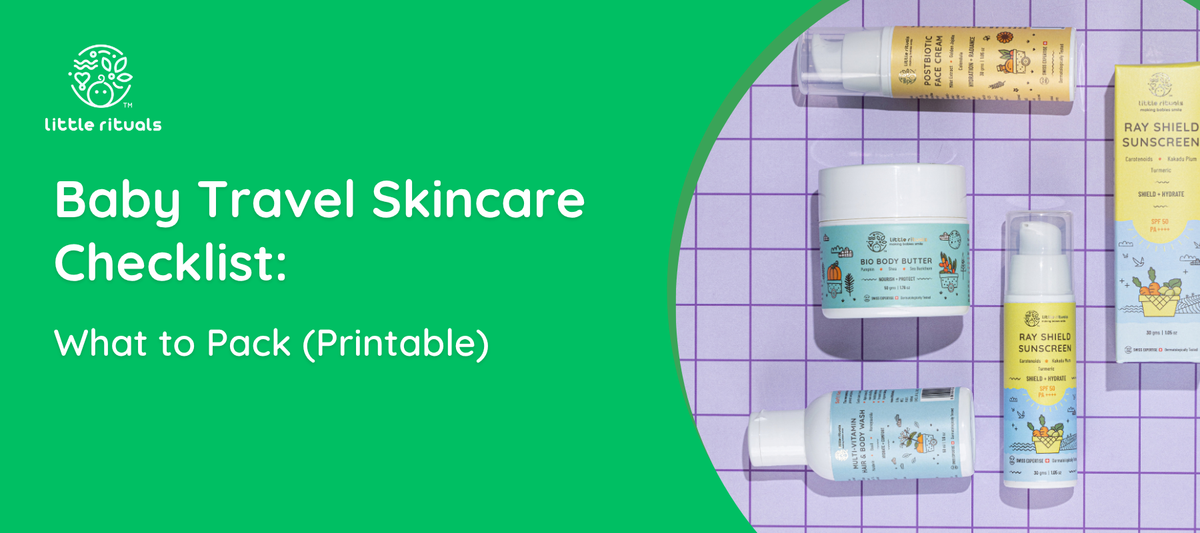
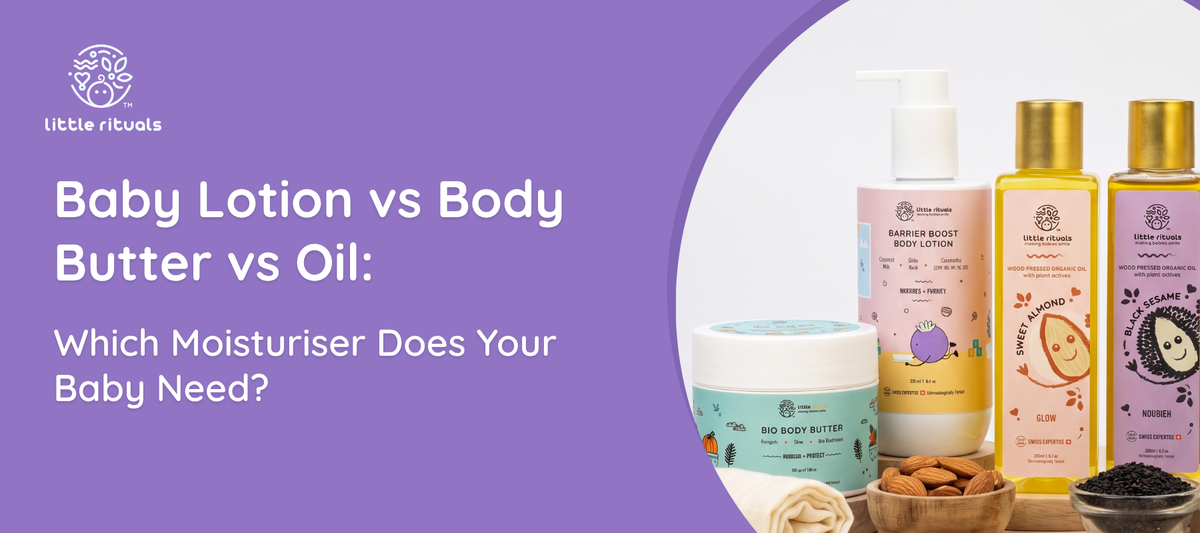
- Little Rituals Baby Bio Body Butter: It will deeply nourish and protect your baby’s skin.
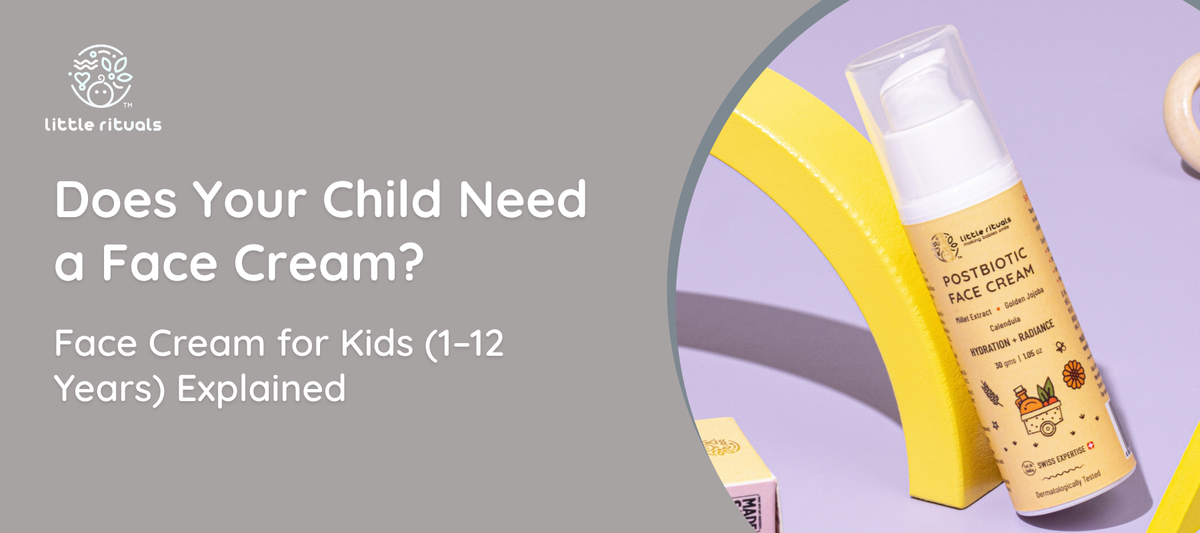
- Little Rituals Postbiotic Face Cream: It's the perfect daily essential for a radiant complexion.
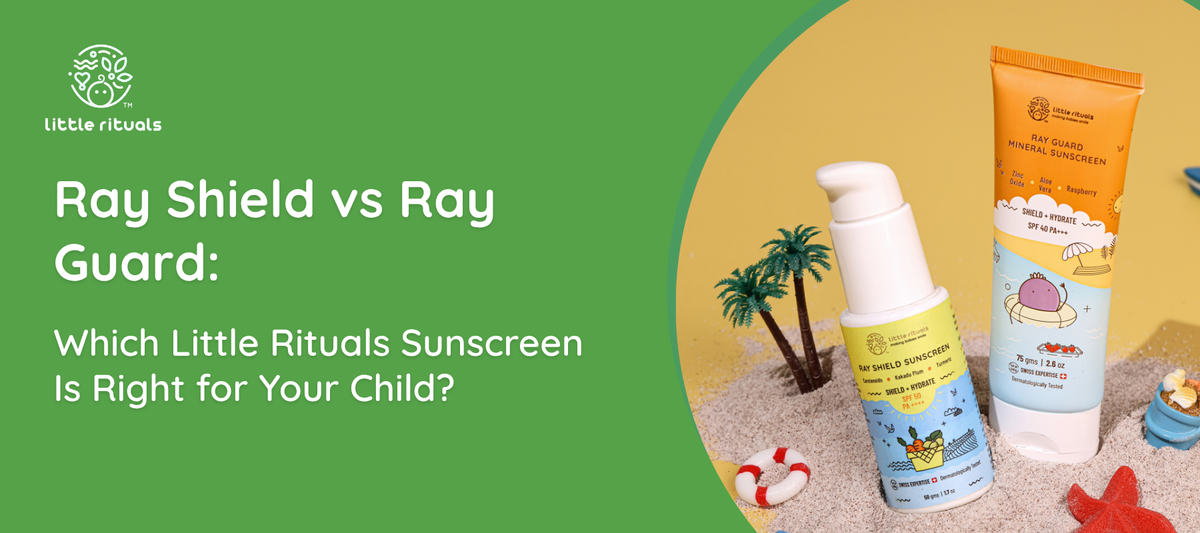
- Little Rituals Ray Shield Sunscreen: It offers broad-spectrum UVA/UVB protection while also safeguarding against blue light and WiFi radiation.
- Little Rituals Wood Cold Pressed Organic Coconut Oil: The oil deeply nourishes, soothes, and protects, leaving your baby’s skin soft, supple, and radiant.
4. Sleep Safety
Always place your baby to sleep on their back in a crib with a firm mattress and fitted sheet. The soft bedding includes but is not limited to, pillows and stuffed animals. These items are a suffocation hazard. Swaddling may help your baby feel more comfortable and sleep better, but it needs to be done correctly to avoid hip dysplasia.
5. Bathing Your Baby
It may seem intimidating to bathe a newborn, but it does get easier with practice and the best newborn baby care essentials. You do not need to bathe your baby every day; two to three times a week is fine. Use Little Rituals Multi-Vitamin Hair & Body Wash, and be certain the water is warm, not hot. Always support the head and neck during bath time, and never leave the infant unattended.
Must Read: Baby Care Products: Gentle Skin & Hair Essentials
6. Clothing and Temperature Regulation
Newborns have a much harder time regulating their body temperature, making correct dressing especially important. You will want to layer so that you can add or take away layers as needed to keep your baby comfortable. The most important thing to remember is to dress your baby in one more layer than you would wear. Keep an eye on their hands and feet to make sure they don't get too cold or hot.
7. Bonding and Soothing
The bonding process with your newborn will prove to be a very valuable asset in the emotional and psychological development of your baby. The skin-to-skin contact, soft rocking, and talking to your baby will help you reinforce a bond between you and your infant. As every baby is unique, this approach may take some time to develop. Babies get comfort from being swaddled, while some babies get satisfied with a pacifier or soft music.
8. Health and Wellness
Follow up with your paediatrician for check-ups on growth and development. Keep a list of vaccinations and when they are due. It is also a good idea to have a basic first-aid kit available in case of emergency that can include a digital thermometer, baby nail clippers, and some form of infant acetaminophen.
9. Care of the Umbilical Cord
The stump of the cord will fall off on its own after a few weeks from birth. In the meantime, just keep the area clean and dry. Do not cover it with a diaper, and bathe your baby with a sponge until the stump falls off. If you notice any indication of infection, such as redness, swelling, or discharge, call your paediatrician immediately.
10. Watching for Signs of Sickness
Newborns are more susceptible to sickness; therefore, a parent should be aware of the symptoms that signify that the baby is unwell. General symptoms of illness a parent has to watch out for include fever, laboured breathing, continuous crying, and different feeding or sleeping patterns. If any of these signs are evident, seek medical help immediately.
Related Read: Common Health Issues In Newborns and Infants with Solutions
Little Rituals: Get Newborn Baby Care Essentials
Caring for a newborn can be rewarding yet challenging. With preparation and information, you can provide the best start in life for your newborn. Remember, always trust your instincts, ask questions when you need to, and enjoy every moment of your baby.
If you are looking for trusted products for your baby’s bathing, massaging, or moisturizing, Little Rituals is the place for you. We provide high-quality dermatologically tested baby products. We have a wide range of products, from sunscreen to organic oils. Contact us today to get your must-have baby essentials for newborns!