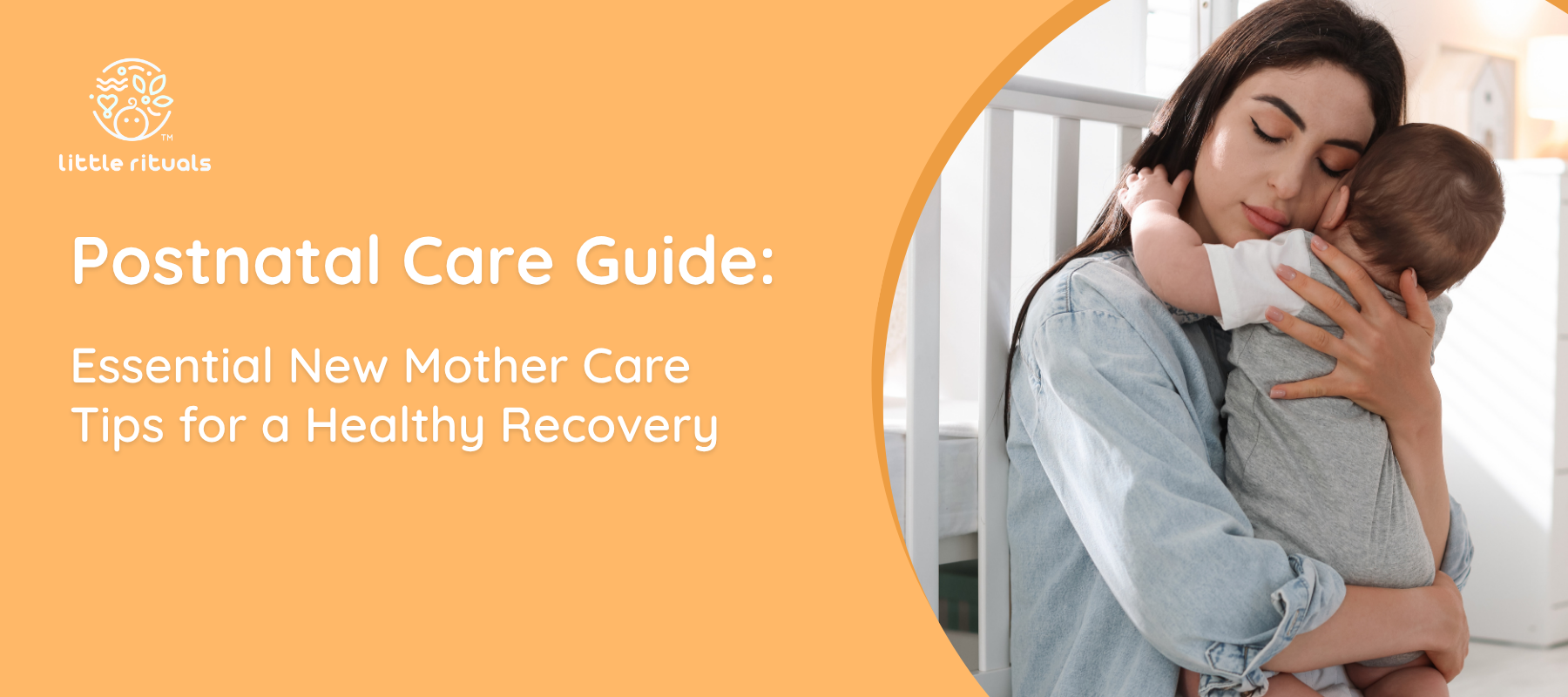
Postnatal Care Guide: Essential New Mother Care Tips for a Healthy Recovery
Disclaimer: This information is not intended to be a substitute for professional medical advice and should not be relied on as health or personal advice.
Postnatal or new mother care focuses on helping a woman recover physically and emotionally after childbirth. It includes proper rest, balanced nutrition, gentle hygiene, emotional support, and safe daily routines. Consistent care during this period supports healing, prevents complications, and helps mothers adjust comfortably to life with a newborn.
Postnatal or new mother care begins immediately after childbirth and plays a crucial role in recovery, comfort, and long-term well-being. Choosing safe, gentle, and toxin-free care products from trusted brands like Little Rituals can make daily routines more soothing and manageable during this sensitive phase.
The period after delivery is often a mix of joy, exhaustion, and adjustment. A mother’s body is healing from childbirth, hormones are fluctuating rapidly, and a completely new routine begins. Sleep patterns change, feeding schedules become demanding, and emotional responses may feel intense.
With the right guidance and support, this phase can become less overwhelming and more structured. Prioritizing proper postnatal care not only helps the body recover efficiently but also allows the mother to feel more confident, comfortable, and in control during this important transition.
What is Postnatal or New Mother Care
Postnatal care refers to the care a mother needs after giving birth, focusing on both recovery and adjustment. While many people assume it is only about resting, it actually involves a much broader approach that includes physical healing, emotional stability, hygiene, nutrition, and lifestyle management.
After childbirth, the body begins a natural recovery process. The uterus gradually returns to its original size, muscles start regaining strength, and hormone levels begin to stabilize. At the same time, the mother adapts to caring for her newborn, which can be physically and emotionally demanding.
Proper postnatal or new mother care ensures that this recovery happens safely and steadily. It helps reduce the risk of infections, supports breastfeeding, improves energy levels, and promotes emotional balance.
Ignoring postnatal care or treating it as unimportant can lead to fatigue, delayed healing, and unnecessary complications. This is why a structured and mindful approach to care is essential for every new mother.
Physical Recovery After Childbirth
Rest and Sleep
Rest is one of the most critical elements of postnatal recovery, yet it is often the most difficult to achieve. The body goes through significant strain during childbirth, and adequate rest allows tissues to heal and energy levels to be restored.
Although uninterrupted sleep may not be possible with a newborn, mothers can benefit from shorter periods of rest throughout the day. Even brief naps can help reduce fatigue and improve overall well-being.
It is important to avoid pushing the body too soon. Activities that require excessive effort should be limited during the early weeks. Accepting help from family members or caregivers can provide valuable time for rest.
Consistent rest not only supports physical healing but also helps regulate mood and mental clarity, making it easier to handle daily responsibilities.
Nutrition for Healing
Nutrition plays a fundamental role in how quickly and effectively the body recovers after childbirth. A well-balanced diet provides the necessary nutrients for tissue repair, energy production, and hormonal balance.
Important nutrients include
- Iron, which helps restore blood levels after delivery and prevents weakness
- Protein that supports muscle repair and overall healing
- Calcium, which strengthens bones and supports bodily functions
- Fluids that maintain hydration and support milk production
In addition to these, consuming fresh fruits, vegetables, whole grains, and healthy fats contributes to better digestion and sustained energy.
Skipping meals or relying on low-nutrient foods can slow recovery and lead to fatigue. Regular, nourishing meals help maintain strength and support both physical and emotional health.
Gentle Movement and Recovery
While rest is essential, complete inactivity is not recommended. Gentle movement helps improve blood circulation, reduces stiffness, and supports overall recovery.
Simple activities such as short walks can gradually reintroduce movement without straining the body. These activities also help improve mood and reduce feelings of heaviness or fatigue.
Pelvic floor exercises are particularly beneficial as they strengthen muscles affected during childbirth. However, it is important to avoid intense workouts or heavy lifting until the body has healed sufficiently and medical advice is obtained.
Recovery is not about speed but about consistency and balance. Listening to the body’s signals is the most reliable way to determine what level of activity is appropriate.
Emotional and Mental Health of New Mothers
Understanding Emotional Changes
Emotional changes are a natural part of the postnatal period. Hormonal fluctuations, physical exhaustion, and the demands of caring for a newborn can lead to mood swings, irritability, and feelings of overwhelm.
Many mothers experience what is commonly known as baby blues, which typically resolves within a few days. However, if feelings of sadness, anxiety, or detachment persist, it may indicate postpartum depression, which requires professional support.
Recognizing these emotional patterns early is important. Awareness helps mothers understand that these feelings are not unusual and encourages them to seek help when needed.
Importance of Support
A supportive environment can significantly ease the challenges of early motherhood. Emotional reassurance from partners, family members, and friends helps reduce stress and provides a sense of stability.
Sharing responsibilities, whether it is caring for the baby or managing household tasks, allows the mother to focus on recovery. Open communication about feelings and concerns also strengthens emotional well-being.
No mother should feel that she has to manage everything alone. Support systems are an essential part of postnatal care and contribute greatly to a smoother recovery.
Self-Care Without Guilt
Self-care is often overlooked during the postnatal period, as most attention shifts toward the newborn. However, caring for oneself is just as important.
Simple practices such as maintaining personal hygiene, taking short breaks, and engaging in calming activities can help restore balance. These small actions contribute to improved mood and reduced stress.
It is important to remember that taking care of oneself is not selfish. A well rested and emotionally stable mother is better equipped to care for her baby.
Daily Hygiene and Body Care After Delivery
Importance of Gentle Care
After childbirth, a mother’s body becomes more sensitive than usual due to hormonal shifts, physical strain, and healing tissues. Once normal skin may suddenly feel dry, irritated, or reactive. This is why gentle care is not just recommended but necessary.
Maintaining hygiene during this time helps prevent infections, especially if there are stitches, wounds, or internal healing taking place. However, hygiene should not come at the cost of using harsh soaps or products that strip the skin of its natural moisture.
A balanced approach is important. Cleanliness should be maintained with baby products that are mild, soothing, and non-irritating. Gentle care also supports emotional comfort, as feeling clean and fresh can positively affect mood and confidence during recovery.
Choosing Safe Ingredients
When selecting new born baby products for postnatal care, ingredient safety becomes extremely important. The skin absorbs what is applied to it, and during this phase, the body is more vulnerable to irritation and sensitivity.
Safe choices include
- Plant-based oils that provide nourishment without clogging pores
- Natural moisturizers that help restore hydration and softness
- Mild cleansers that clean without causing dryness or discomfort
Avoiding products with strong fragrances, alcohol, or harsh chemicals reduces the risk of skin reactions. Products that are dermatologically tested and designed for sensitive skin are generally more suitable during this period.
Using safe ingredients also ensures that there is no indirect exposure to the baby, especially during close contact such as feeding or holding.
Building a Simple Routine
A simple and consistent routine is often the most effective during postnatal recovery. Complicated routines can feel overwhelming and are difficult to maintain when caring for a newborn.
A practical daily routine may include
- Taking a warm bath to relax muscles and maintain cleanliness
- Gently cleansing the body using mild products
- Applying a baby moisturiser to prevent dryness and maintain skin comfort
- Light oil massage to improve circulation and reduce stiffness
These small daily practices not only support physical recovery but also create moments of calm and self-care. Over time, they become comforting rituals that help bring structure to the day.
Breast Care and Postnatal Body Changes
Breastfeeding Care
Breastfeeding is an essential part of postnatal care, but it can come with initial challenges such as soreness, sensitivity, or discomfort. Proper care can help ease this transition and make the experience more comfortable.
Keeping the breast area clean and dry is important to prevent infections. Using gentle, non-irritating products can help maintain hygiene without causing additional sensitivity. Wearing well-fitting and supportive clothing also reduces strain and provides comfort throughout the day.
It is also helpful to maintain a relaxed posture during feeding, as tension can increase discomfort. Over time, as both mother and baby adjust, breastfeeding usually becomes more natural and less physically demanding.
Managing Hormonal Changes
After childbirth, the body undergoes significant hormonal changes that can affect both physical appearance and overall well-being. Common experiences include hair fall, dry skin, fatigue, and fluctuations in mood.
These changes can feel concerning, but they are usually temporary and part of the natural recovery process. Supporting the body through proper nutrition, hydration, and gentle care can help reduce its impact.
Skin may require additional moisture, while baby hair growth may need extra nourishment. Emotional changes should be acknowledged and addressed with support and rest.
Understanding that these changes are temporary can help reduce stress and allow mothers to focus on gradual recovery rather than immediate results.
When to Seek Medical Advice
While many postnatal changes are normal, some symptoms require medical attention. Ignoring warning signs can lead to complications that may affect long-term health.
It is important to consult a healthcare professional if there is
- Persistent or severe pain
- Fever or signs of infection
- Excessive bleeding or unusual discharge
- Ongoing emotional distress or feelings of detachment
Early consultation ensures timely treatment and provides reassurance during recovery.
Newborn Care Basics
Understanding Newborn Needs
Newborn care is closely connected to postnatal or new mother care, as both mother and baby are adjusting to a new routine together. A newborn requires constant attention, but care does not need to be complicated.
The focus should be on creating a safe, clean, and comforting environment. Babies rely on gentle handling, regular feeding, and proper hygiene to stay healthy and comfortable.
Newborn Skin Care
A newborn’s skin is extremely delicate and thinner than adult skin, making it more prone to dryness and irritation. Gentle care is essential to protect the natural skin barrier.
Daily practices should include
- Mild cleansing to remove impurities without stripping natural oils
- Regular moisturizing to maintain hydration
- Avoiding exposure to harsh products or strong fragrances
Keeping the baby’s skin clean and soft helps prevent rashes and discomfort.
Safe Product Choices
Choosing the right products for a newborn is crucial. Products should be simple, safe, and free from harmful ingredients.
Parents should look for
- Toxin-free formulations that are gentle on sensitive skin
- Mild ingredients that do not cause irritation
- Products specifically designed for newborn use
Keeping routines minimal is often the best approach. Overuse of products can do more harm than good. Gentle and consistent care is enough to maintain healthy skin.
Postnatal Care Checklist
A structured checklist can help simplify postnatal care and ensure that nothing important is overlooked. During this busy and often overwhelming phase, having a clear routine makes daily life more manageable.
Essential habits to follow include
- Staying hydrated throughout the day to support recovery and energy levels
- Eating balanced meals that provide the body with the necessary nutrients
- Taking frequent rest breaks to allow the body to heal properly
- Maintaining personal hygiene to prevent infections and discomfort
- Monitoring emotional well-being and seeking support when needed
- Attending regular medical checkups for professional guidance
- Using gentle and safe products that support sensitive skin
- Asking for help from family members to reduce physical and mental strain
Following this checklist consistently helps create stability and reduces the feeling of being overwhelmed. It also ensures that both physical and emotional aspects of recovery are properly addressed.
Over time, these habits become part of a natural routine, making the transition into motherhood smoother and more balanced.
Common Postnatal Mistakes to Avoid
Many new mothers unintentionally make mistakes that can slow down recovery. Ignoring emotional health, skipping meals, or neglecting rest can lead to fatigue and stress.
Using harsh baby skincare products can irritate, especially when the skin is more sensitive. Resuming heavy physical activity too soon can also strain the body and delay healing.
Being aware of these common mistakes allows mothers to make better choices and focus on recovery in a more mindful way.
Expert Tips for Faster Recovery
Recovery after childbirth is a gradual process that requires patience and consistency. One of the most important tips is to listen to the body and avoid rushing the healing process.
Maintaining simple and consistent routines helps create a sense of stability. Choosing safe and gentle baby care products for daily care protects sensitive skin and enhances comfort.
Focusing equally on physical and emotional health ensures a balanced recovery. Small, consistent efforts often lead to better results than trying to do too much at once.
Final Thoughts
Postnatal recovery is a journey that requires care, patience, and understanding. Every mother’s experience is unique, and there is no fixed timeline for healing.
Focusing on proper postnatal or new mother care helps build a strong foundation for long-term health and well-being. By prioritizing rest, nutrition, hygiene, and emotional support, mothers can navigate this phase with greater ease and confidence.
Small daily habits and mindful choices can make a meaningful difference, turning recovery into a more positive and manageable experience.
Build Your Daily Care Ritual
Motherhood is made up of small, consistent routines that bring comfort and balance. Choosing safe and gentle care solutions can make everyday life smoother during the postnatal phase.
Little Rituals provides plant-based and dermatologically tested formulations designed to support delicate skin. These products are created with safety and simplicity in mind, making them suitable for both mother and baby.
Creating a daily care routine with trusted products can help bring a sense of calm, confidence, and comfort during recovery, allowing mothers to focus on what truly matters.
Frequently Asked Questions
Q1. How long does postnatal recovery usually take?
Postnatal recovery typically begins immediately after childbirth and continues for several weeks. Initial healing may take around 6 weeks, but complete recovery can take longer depending on individual health, lifestyle, and support systems.
Q2. Can a new mother take care of her skin after delivery?
Yes, maintaining a gentle skincare routine is recommended. Using mild and toxin-free products helps protect sensitive skin and prevents irritation during the recovery phase.
Q3. Is it normal to feel emotional or anxious after childbirth?
Yes, emotional changes are common due to hormonal fluctuations and lifestyle adjustments. However, if these feelings persist or become intense, it is important to seek professional support.
Q4. Will postnatal care help in faster recovery?
Yes, proper postnatal care supports faster and healthier recovery by addressing physical healing, emotional well-being, and daily routine management.
Q5. What foods are best for postnatal recovery?
Foods rich in iron, protein, calcium, and fluids are essential. Fresh fruits, vegetables, whole grains, and nutrient-dense meals support healing and energy levels.
Q6. Why is postnatal care important for new mothers?
Postnatal care helps prevent complications, supports recovery, improves emotional stability, and ensures both mother and baby remain healthy during this critical phase.
Q7. Can postnatal care improve emotional well being?
Yes, proper rest, support, and self-care can significantly improve mood and reduce stress, helping mothers feel more balanced and confident.
Q8. What daily habits support new mother care?
Healthy habits include proper nutrition, hydration, rest, hygiene, emotional support, and regular medical checkups. Consistency in these habits ensures a smoother recovery process.