


Average Weight of Newborn Baby: A Complete Guide for Parents
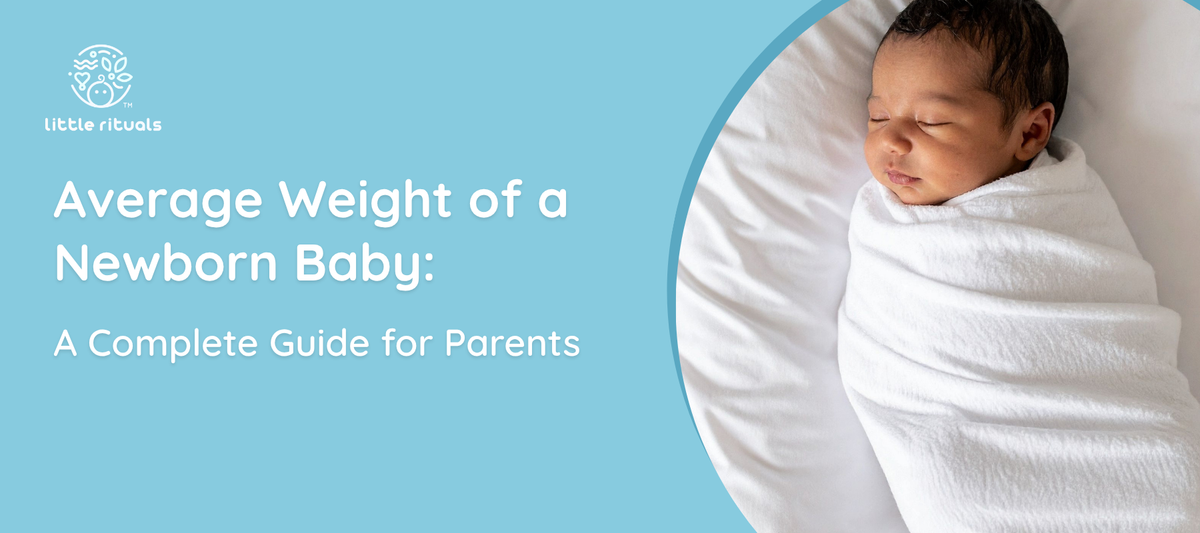
The average weight of a newborn baby usually ranges between 2.5 to 4 kilograms (5.5 to 8.8 pounds) at birth. Boys are slightly heavier than girls on average. Newborn weight depends on genetics, maternal health, gestational age, and nutrition. Tracking your baby’s weight, along with using gentle baby care products, helps ensure healthy development.
As a new parent, one of the most common questions is: “Is my baby’s weight normal?” Understanding the average weight of a newborn baby can help parents feel confident about their baby’s development. Using safe and gentle new born baby products, like those from Little Rituals, alongside regular pediatric guidance, ensures your baby is not only growing well but also cared for with the best skin-friendly routines. Knowing typical weight ranges and growth patterns helps reduce unnecessary anxiety and supports informed decisions for your newborn.
What Is the Average Weight of a Newborn Baby?
Average Weight at Birth
The average weight of a newborn baby at birth generally falls within 2.5 to 4 kilograms. On average:
- Boys weigh approximately 3.3 kilograms
- Girls weigh around 3.2 kilograms
- These figures are approximate median birth weights, not strict limits for healthy newborns.
- A baby's gestational age should always be considered when interpreting birth weight.
These numbers are derived from global pediatric growth data. Slight variations are normal and rarely indicate health concerns. Tracking your baby’s growth with pediatric guidelines helps ensure they are on a healthy path.
Why Newborn Weight Varies
Newborn weight can differ due to several factors, including:
- Genetics: Babies often inherit size tendencies from their parents
- Maternal health: Nutrition, medical conditions, and prenatal care influence growth
- Gestational age: Premature babies usually weigh less than full-term infants
- Birth circumstances: Twins or multiples may weigh less than singletons
- Sex: Boys tend to have a slightly higher average birth weight than girls
Understanding these factors helps parents set realistic expectations and reduces unnecessary worry about their newborn’s size.
What Is Considered Low Birth Weight?
Low birth weight generally refers to a baby weighing less than 2.5 kilograms (5.5 pounds) at birth. However, low birth weight is not the same as being small for gestational age. Healthcare professionals consider a baby's birth weight alongside gestational age and other measurements.
If your baby has a low birth weight, your pediatrician may recommend closer monitoring of feeding, weight gain, hydration, and development.
Newborn Baby Weight Progression in the First Year
Average Baby Weight by Month
The average weight of a newborn baby changes rapidly in the first year. Most babies double their birth weight by about five months and triple it by their first birthday. However, babies do not all gain weight at exactly the same rate, so growth charts are more useful than fixed monthly targets.
- At birth: 2.5 to 4 kilograms
- At 1 month: 3.2 to 4.5 kilograms
- At 3 months: 5 to 6.5 kilograms
- At 6 months: 6.5 to 8 kilograms
- At 12 months: 8 to 10 kilograms
Monitoring these patterns gives parents confidence that their baby is developing normally.
Understanding Baby Weight Percentiles
A baby weight percentile compares your baby's weight with measurements from other babies of the same age and sex. For example, being at the 25th percentile does not automatically mean that your baby is underweight.
What matters most is how your baby's weight changes over time and whether it remains consistent with their individual growth pattern. Pediatricians may also assess length and head circumference to get a more complete picture of growth.
Weight Changes in the First Week
It is normal for newborns to lose 5 to 10 percent of their birth weight in the first week. Most regain their birth weight by two weeks. This initial weight fluctuation is usually due to fluid loss and adaptation to feeding outside the womb. If you are concerned about progress, learning how to increase newborn baby weight through proper feeding techniques can be helpful.
Some weight loss after birth is expected, but the amount should be monitored. The American Academy of Pediatrics recommends further evaluation when a newborn loses more than 10% of their birth weight. Birth weight is often regained within 7 to 14 days, particularly in breastfed newborns.
Average Weekly Weight Gain
- First 3 months: approximately 150 to 200 grams per week
- 3 to 6 months: approximately 100 to 150 grams per week
- 6 to 12 months: growth gradually slows
Knowing these benchmarks can reassure parents that their baby is on track and growing healthily.
Factors That Affect the Average Weight of Newborn Baby
Genetics and Family Traits
Family traits play a significant role in determining a baby’s birth weight. If parents are taller or have larger body types, the baby may naturally be at the higher end of the weight range. Similarly, smaller parents may have babies who are naturally lighter.
Feeding Patterns
How a baby is fed can influence their weight gain.
- Breastfeeding: Often provides steady and healthy weight gain
- Formula feeding: May result in slightly faster early growth
- Feeding frequency: Consistent, responsive feeding helps maintain optimal growth
- The quality and adequacy of milk intake are more important than comparing breastfeeding and formula-fed babies by weight alone.
During the first days and weeks, feeding effectiveness, wet diapers, stool patterns, and weight changes can help healthcare professionals assess whether a newborn is receiving enough milk.
Premature Birth
Premature babies often weigh less than full-term babies. They require careful monitoring using specialized growth charts to ensure they reach developmental milestones safely.
A premature baby's weight should be interpreted according to their gestational age rather than compared directly with the average weight of a full-term newborn.
Maternal Health During Pregnancy
A mother’s health directly affects the average weight of a newborn baby.
- Proper nutrition supports fetal growth
- Management of conditions such as gestational diabetes is essential
- Regular prenatal care ensures early detection of potential growth issues
Signs Your Baby Is Growing Well
Healthy growth is not measured by weight alone. Parents can observe several indicators:
- Steady weight gain over time
- Active movements and alertness
- Efficient feeding patterns
- Regular bowel movements and wet diapers
- Consistent sleep cycles
Paying attention to these signals alongside weight charts ensures overall well-being.
When Should Parents Be Concerned About Baby Weight?
Parents should seek medical advice if their baby:
- Fails to gain weight over time
- Loses more than 10% of their birth weight
- Experiences continued or excessive weight loss after birth
- Has difficulty feeding or refuses to eat
- Has fewer wet diapers than expected
- Appears unusually lethargic or weak
- Shows signs of dehydration or worsening jaundice
- Does not appear to be regaining birth weight as expected
Pediatricians use growth charts and routine checkups to identify concerns early and provide tailored guidance.
A single weight measurement does not always indicate a problem. Your pediatrician can evaluate your baby's weight trajectory together with feeding, hydration, length, head circumference, and overall health.
Supporting Your Baby’s Healthy Growth Naturally
Supporting your newborn’s growth goes beyond weight tracking. Some practical approaches include:
- Exclusive breastfeeding for the first six months as recommended by WHO
- Responsive feeding to meet hunger cues
- Regular pediatric visits to monitor development
- Providing comfort, hygiene, and gentle skincare products for sensitive skin
Creating Healthy Daily Rituals for Your Baby
Daily routines contribute to physical and emotional development. Examples include:
- Gentle baby massage using a high-quality baby massage oil to improve circulation and bonding
- Bathing routines ensuring baby's first bath is a calm experience that promote comfort and hygiene
- Moisturizing delicate skin to prevent dryness or irritation
- Daily bonding moments such as talking, singing, or rocking
Consistent rituals help babies feel secure and support overall growth.
Why Safe Baby Care Products Matter
Newborn skin is fragile, about 30 percent thinner than adult skin. Using safe and gentle products protects the skin during the early stages of development. Whether you are choosing a baby gift box, a baby gift hamper, or a specialized new born baby gift hamper, look for products that are:
- Made with plant-powered ingredients
- Dermatologically tested for safety
Combining healthy routines with safe products helps maintain your baby’s skin integrity and overall comfort.
How to Track Your Baby’s Weight
Regular pediatric checkups are the best way to monitor newborn growth. At these visits, healthcare professionals can measure weight, length, and head circumference and plot the results on an appropriate growth chart.
If your pediatrician recommends monitoring weight at home, use a reliable infant scale and follow their instructions. Focus on the overall trend rather than reacting to small day-to-day changes.
Keeping a simple record of your baby's weight, feeding patterns, and wet diapers can also help you provide useful information during pediatric appointments.
Final Thoughts: Every Baby Grows at Their Own Pace
The average weight of a newborn baby provides a guideline but not a strict rule. Each baby grows at their own pace. Using growth charts, observing overall development, and providing gentle, toxin-free baby care ensure your newborn thrives both physically and emotionally. Focus on consistent care, healthy feeding, and safe routines to support a strong foundation for life.
Nurture Your Baby with Safe, Gentle Care
Every baby deserves care that protects both their health and delicate skin. With Little Rituals, you can provide your newborn with plant-powered, toxin-free baby care products that are dermatologically tested and safe for daily use. Explore our range of gentle skincare, bath, and moisturizing essentials designed to support your baby’s growth and wellbeing, while creating nurturing daily rituals that strengthen your bond.
Discover Little Rituals today and make every moment of your baby’s care safe, gentle, and joyful.
Frequently Asked Questions
Q1. How much does a newborn baby weigh on average?
The average weight of a newborn baby at birth ranges between 2.5 to 4 kilograms. Boys are usually slightly heavier than girls. Slight deviations from this range are common and often normal.
Q2. Can newborns lose weight after birth?
Yes, losing 5 to 10 percent of birth weight in the first week is typical. This weight is usually regained within 10 to 14 days as the baby adjusts to feeding.
Q3. Is it normal if my baby is smaller than average?
Yes. Babies grow at different rates, and being smaller than average does not automatically indicate a problem. Genetics, gestational age, and feeding patterns can influence birth weight.
Q4. Will my baby double its birth weight quickly?
Most babies double their birth weight by approximately five months and triple it by their first birthday. Consistent feeding and monitoring ensure healthy progress.
Q5. What affects newborn weight?
Factors include genetics, maternal health, prenatal nutrition, gestational age, and delivery circumstances. Each plays a role in the average weight of newborn baby.
Q6. Why does my baby gain weight slowly sometimes?
Slower weight gain can be due to feeding issues, minor illnesses, or individual growth patterns. Regular pediatric checkups can identify and address concerns early.
Q7. How can I track my baby’s weight at home?
Use a reliable digital baby scale at consistent times. Record the weight weekly and monitor trends rather than day-to-day fluctuations.
Q8. What is the healthy weight gain per week?
- First 3 months: 150 to 200 grams per week
- 3 to 6 months: 100 to 150 grams per week
- 6 to 12 months: growth gradually slows











%20at%20birth.%20Boys%20are%20slightly%20heavier%20than%20girls%20on%20average.%20Newborn%20weight%20depends%20on%20genetics,%20mat...)