Baby Hair Cutting: Complete Guide to Baby Haircut and Mundan Ceremony
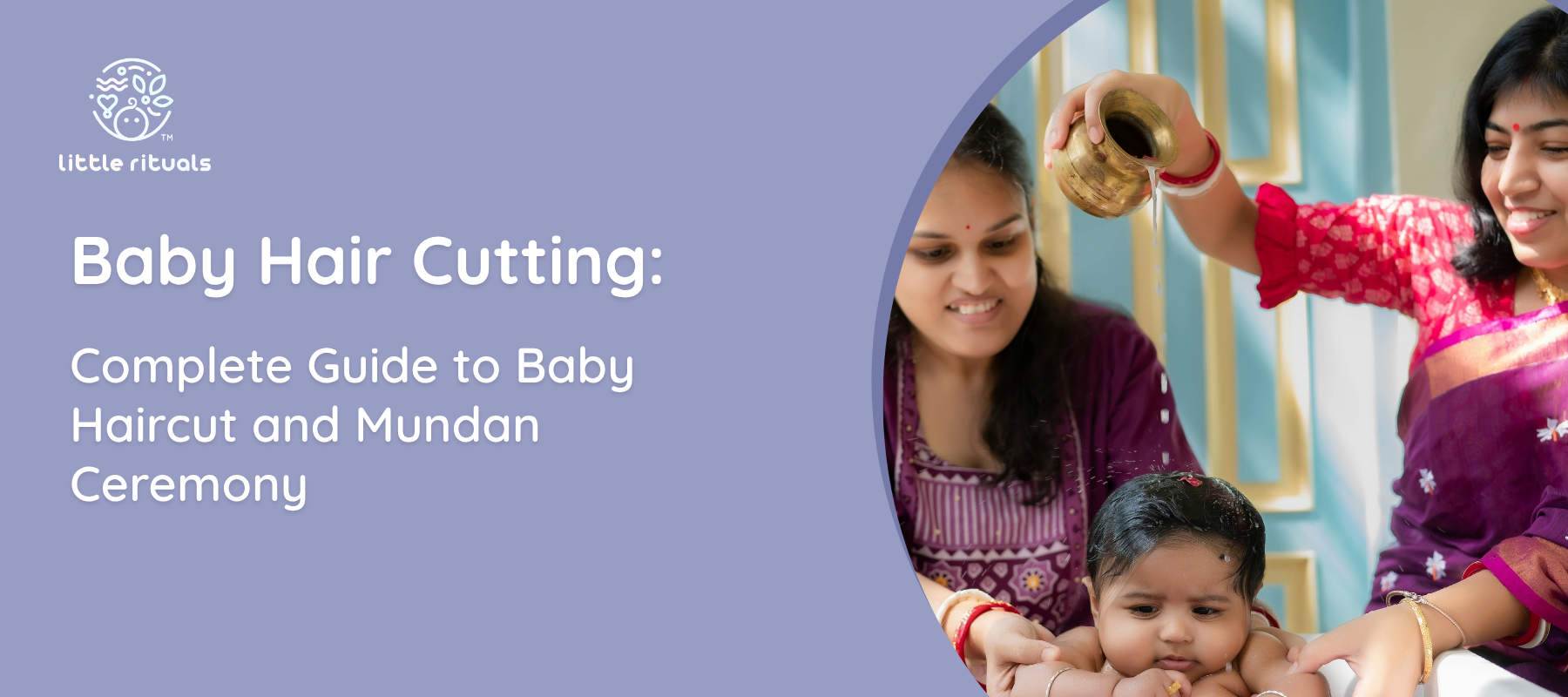
Baby hair cutting refers to a baby’s first haircut, either as a simple trim or a traditional mundan ceremony. It is usually done between 6 months and 3 years. While cultural beliefs differ, proper timing, gentle handling, and careful aftercare are important to keep the baby comfortable and safe.
Baby hair cutting is one of the most emotional milestones in early parenting. Whether you are planning a simple baby haircut or a traditional mundan ceremony, the focus is always on your child’s comfort and well being. Many parents today also prefer using gentle and safe baby care products from trusted brands like Little Rituals to ensure the baby’s delicate scalp is protected during and after the process. In simple terms, baby hair cutting is the first time your baby’s hair is trimmed or shaved, and it often holds both practical and cultural importance.
What is Baby Hair Cutting and Why Is It Important
Baby hair cutting is the process of removing or trimming a baby’s hair for the first time. For some families, it is done to manage baby hair growth and maintain hygiene. For others, it is deeply rooted in tradition and is performed as part of the baby first hair cutting ceremony.
The importance of baby hair cutting can be understood in different ways:
- It helps keep the baby clean and comfortable, especially in warm weather
- It marks an emotional milestone for parents and family members
- It is often associated with cultural or spiritual beliefs
- It creates a memorable family moment that is cherished for years
For many families, this event is not just about grooming but about celebrating growth and new beginnings.
Understanding the Mundan Ceremony
What is Mundan Ceremony
The mundan ceremony is a traditional practice in which a baby’s head is shaved completely for the first time. This ritual is commonly observed in many South Asian families and is often connected with ancient Indian newborn care rituals that celebrate important milestones in a child’s life.
The baby mundan ceremony is usually performed with prayers and rituals that vary depending on regional customs. For many families, it is not just a ritual but a way of passing down traditions from one generation to another.
Why is Mundan Done
There are several reasons why the mundan ceremony is performed, combining both belief systems and practical benefits.
- It is believed to cleanse the child of any negativity associated with birth
- It symbolizes purity and a fresh start in life
- Many families believe it encourages healthier and thicker hair growth
- It helps keep the scalp clean and free from impurities
While modern science does not strongly confirm all these beliefs, the ceremony continues to hold deep emotional and cultural significance for families. It is also an opportunity for families to come together and celebrate an important moment in the baby’s life.
When is the Right Time for Baby Hair Cutting
Deciding the right time for baby hair cutting depends on a combination of tradition, practicality, and the baby’s readiness. There is no strict rule, but certain timeframes are commonly followed.
- Between 6 months and 1 year for early grooming or light trimming
- Between 1 and 3 years for traditional mundan ceremony
- Based on cultural customs or family traditions
- Depending on the baby’s comfort, hair growth, and overall health
Parents should also consider external factors such as weather conditions. For example, cooler weather may be more suitable after shaving the baby’s head to avoid irritation.
It is equally important to observe your baby’s mood. A calm, well rested baby is more likely to cooperate, making the process smoother and less stressful.
Baby Haircut vs Mundan Ceremony
Although both fall under baby hair cutting, they differ in purpose, process, and emotional significance.
Baby haircut
- Involves trimming or shaping the hair
- Can be done at home or by a professional
- Does not involve rituals or ceremonies
- Focuses mainly on grooming and neat appearance
Mundan ceremony
- Involves complete shaving of the baby’s head
- Performed as part of a religious or cultural ritual
- Often includes prayers and family gatherings
- Focuses on tradition, symbolism, and spiritual beliefs
Understanding these differences helps parents make an informed decision that aligns with their beliefs and preferences.
Step by Step Guide to Baby Hair Cutting
Preparing Your Baby
Preparation plays a key role in making the experience smooth.
- Feed your baby before the haircut
- Ensure your baby is well rested
- Keep toys or distractions nearby
- Choose a quiet and comfortable environment
Tools You Need
Using the right tools ensures safety.
- Baby safe scissors or trimmer
- Clean soft towel
- Mild baby cleanser
- Comfortable chair or support
During the Haircut
The process should be calm and gentle.
- Hold your baby securely
- Cut small sections of hair slowly
- Avoid sudden movements
- Keep talking to soothe your baby
Aftercare
Aftercare is just as important as the haircut itself.
- Gently clean the scalp
- Pat dry with a soft towel
- Apply a light oil if suitable
- Keep the baby comfortable and warm
Mundan Ceremony for Baby Boy and Baby Girl
Pre Ceremony Preparation
Preparation ensures the ceremony goes smoothly.
- Select an appropriate date or muhurat
- Arrange required items for rituals
- Keep baby essentials ready
- Ensure hygiene and cleanliness
Ritual Process
The mundan ceremony usually involves:
- Performing prayers or blessings
- Shaving the baby’s head carefully
- Offering the hair as part of tradition
- Celebrating with family members
Where is Mundan Performed
The ceremony can take place in different settings:
- At home
- In temples
- At religious or sacred locations
The mundan ceremony for baby boy and girls is largely similar, with slight variations depending on regional customs.
Essential Baby Care After Hair Cutting
Scalp Care
A baby’s scalp is sensitive and needs gentle handling.
- Keep the scalp clean and dry
- Avoid direct sun exposure
- Do not use harsh products
Hygiene Tips
Maintaining hygiene is crucial.
- Use clean towels and tools
- Wash hands before touching the scalp
- Avoid crowded or dusty environments
What to Apply After Mundan
After the baby hair cut or mundan, soothing care helps.
- Light coconut oil application
- Gentle herbal or baby safe products
- Avoid strong fragrances or chemicals
Following proper baby hair care practices can help keep the scalp healthy, moisturized, and comfortable during recovery.
Common Mistakes Parents Should Avoid
Parents should be mindful of common errors during baby hair cutting.
- Cutting hair when the baby is cranky or tired
- Using unsafe or unclean tools
- Rushing the process
- Ignoring proper aftercare
- Not preparing the baby beforehand
Avoiding these mistakes ensures a safer and more comfortable experience.
Final Thoughts
Baby hair cutting, whether done as a simple baby haircut or as part of a traditional mundan ceremony, is a special moment in your child’s early life. It combines care, culture, and emotion, and can also be a thoughtful occasion for a baby gift hamper or new born baby gift hamper. By focusing on your baby’s comfort, using safe practices, and following gentle aftercare, you can make this experience smooth and memorable for both you and your baby. Many families celebrate this milestone alongside other cherished traditions such as the Annaprasana ceremony, making these occasions memorable parts of a child’s early years.
Make Your Baby’s First Hair Cutting Gentle and Safe
Your baby’s first haircut deserves thoughtful care and attention. Choosing gentle and safe baby products and new born baby products plays an important role in protecting your baby’s delicate scalp after a baby hair cut or mundan ceremony. With Little Rituals, you can support your baby’s skin with mild and carefully crafted formulations designed for sensitive needs, and a baby gift box can make the occasion even more special.
Explore Little Rituals to make your baby’s first hair cutting experience calm, safe, and truly comforting.
Frequently Asked Questions
Q1. How to do baby hair cutting safely at home?
Ensure your baby is calm, use baby safe tools, and cut hair slowly in a well lit and comfortable space.
Q2. How to prepare a baby for the mundan ceremony?
Feed the baby, ensure proper rest, and keep familiar toys or people nearby to make the baby feel secure.
Q3. Can I do baby haircut without following mundan ceremony?
Yes, many parents choose a simple baby haircut without any rituals based on personal preference.
Q4. Is mundan ceremony necessary for babies?
No, it is a cultural and traditional choice rather than a medical requirement.
Q5. Will shaving a baby’s head make hair thicker?
Hair may appear thicker after shaving, but actual growth depends on genetics.
Q6. What is the best age for baby hair cutting?
Most parents choose between 6 months and 3 years depending on tradition and comfort.
Q7. Why is baby mundan ceremony performed?
It is believed to purify the child, remove negativity, and support healthy hair growth.
Q8. Can baby hair cutting be done at home safely?
Yes, with proper tools, hygiene, and patience, parents can safely cut their baby’s hair at home.