Indian Newborn Care Rituals (Samskaras): Meaning, Traditions and Modern Baby Care
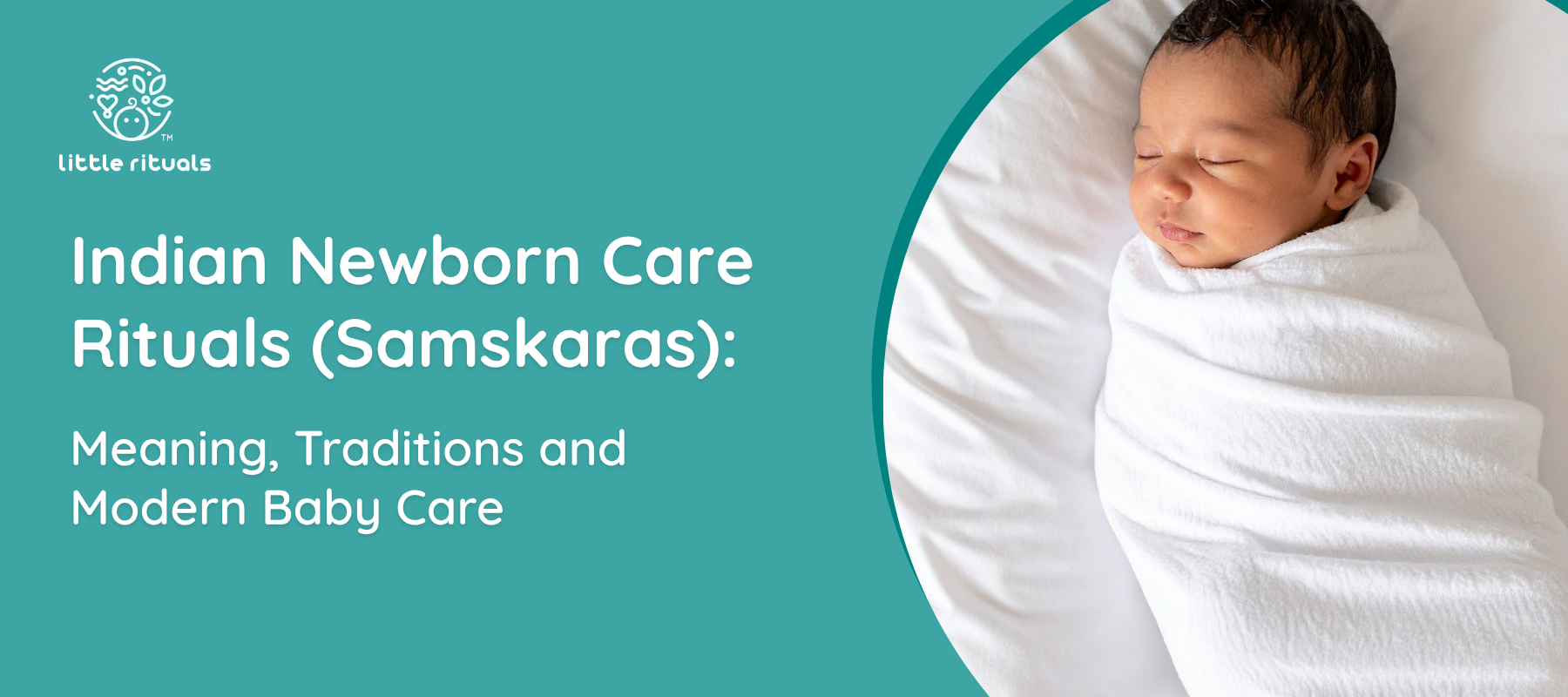
Indian newborn care rituals Samskaras are traditional Hindu practices performed after a baby’s birth to welcome, protect and nurture the child. These rituals focus on bonding, hygiene, emotional well being and early development. Today, they can be followed safely by combining cultural practices with modern, science based baby care routines.
Indian newborn care rituals Samskaras have been an integral part of parenting traditions for generations, offering a meaningful way to welcome a newborn into the family. Today, many modern parents, including those who prefer thoughtfully crafted baby care solutions like Little Rituals, are rediscovering how these traditions can blend seamlessly with safe and gentle care practices. These rituals are not only spiritual but also reflect early understanding of hygiene, bonding and nurturing. When adapted thoughtfully, they provide a balanced approach that respects tradition while prioritising the baby’s health and comfort.
What Are Indian Newborn Care Rituals Samskaras
Indian newborn care rituals Samskaras refer to a set of traditional practices in Hindu culture that are performed during the early stages of a baby’s life. These rituals are part of a larger system of Samskaras, which are life cycle ceremonies designed to guide an individual’s journey from birth through different phases of growth.
In the context of newborn care, these rituals focus on welcoming the baby into the world with warmth, protection and blessings. They are not limited to religious meaning alone, but also reflect early forms of caregiving that prioritise the baby’s physical comfort, emotional security and overall well being.
These rituals often involve gentle touch, soothing sounds, a calm environment and the presence of close family members. Each element plays a role in helping the baby adjust to life outside the womb while also strengthening the bond between the child and the caregivers.
From a broader perspective, Indian newborn care rituals Samskaras serve three key purposes:
- They create a sense of emotional connection between the baby and the family
- They introduce early care practices that support hygiene and comfort
- They preserve cultural values and traditions that are passed down through generations
While the methods and interpretations of these rituals may vary across regions and families, their core intention remains the same, which is to provide a nurturing and supportive start to a newborn’s life. Today, many parents continue to follow these rituals in a modified form, ensuring they align with modern safety standards while retaining their cultural significance.
Key Indian Newborn Rituals Every Parent Should Know
Understanding Indian newborn care rituals, Samskaras, helps parents appreciate not only their cultural depth but also their practical relevance in early caregiving. These rituals were never meant to be rigid rules. Instead, they were thoughtful practices designed to nurture the baby’s physical comfort, emotional security and gradual introduction to the world.
For modern parents, these rituals can serve as a gentle guide to building meaningful routines. Each one reflects an aspect of newborn care that is still considered important today, such as bonding, hygiene, sensory development and nourishment. When approached with awareness, they can be adapted safely without losing their emotional and cultural significance.
Below is a closer look at the most important newborn rituals and how they can be understood in today’s context.
Jatakarma Samskara
Jatakarma Samskara is the very first ritual performed immediately after birth, marking the baby’s arrival into the world. Traditionally, it involved welcoming the newborn with prayers, blessings and symbolic gestures meant to ensure a healthy and prosperous life.
In earlier times, certain elements, such as feeding honey or ghee, were believed to carry symbolic meaning. However, modern medical science strongly discourages these practices due to the risk they pose to a newborn’s health.
Today, the true essence of Jatakarma lies in creating a calm, warm and reassuring environment for the baby. Parents can adapt this ritual by focusing on safe and meaningful actions such as holding the baby close, maintaining skin-to-skin contact and speaking softly. These practices help regulate the baby’s temperature, reduce stress and establish an immediate emotional connection.
This ritual reminds us that the baby’s first experience of the world should be one of comfort, safety and love.
Naamkaran
Naamkaran, or the naming ceremony, is usually conducted within the first few days after birth. It is a deeply significant ritual because it gives the baby a formal identity.
In many families, the name is chosen based on cultural traditions, spiritual beliefs or meaningful associations. The ceremony itself often brings together family members and loved ones, creating a joyful and celebratory atmosphere.
Beyond its cultural importance, Naamkaran also plays a psychological role. Giving a name helps parents feel a stronger connection to their child and reinforces the baby’s place within the family. It marks the beginning of the baby’s social identity and their relationship with the wider community.
For modern parents, this ritual can be as simple or elaborate as they choose, but its emotional significance remains unchanged.
Nishkramana
Nishkramana is the ritual that marks the baby’s first outing from the home. Traditionally, it involved taking the baby outside and introducing them to sunlight and the natural environment.
This ritual holds both symbolic and practical importance. Symbolically, it represents the baby’s transition from the protected environment of the home to the outside world. Practically, it aligns with the modern understanding of the benefits of natural light and environmental exposure.
Gentle sunlight exposure supports Vitamin D production, which is essential for bone development. It also helps regulate the baby’s sleep cycle. Additionally, being in a calm outdoor environment introduces the baby to new sensory experiences, such as fresh air, natural sounds and different lighting conditions.
Parents should ensure that this outing is done safely by choosing appropriate times of the day, avoiding harsh sunlight and protecting the baby from extreme weather conditions.
Annaprashan
Annaprashan is performed when the baby is ready to begin eating solid food, typically around 6 months of age. This ritual is often celebrated with great enthusiasm as it marks a major milestone in the baby’s development.
Traditionally, the baby is fed a small amount of food, symbolizing their transition from exclusive milk feeding to a more diverse diet. The choice of food often carries cultural or spiritual significance.
From a modern perspective, Annaprashan aligns closely with pediatric recommendations for introducing solids. It is important to ensure that the food is soft, easy to digest and prepared in a hygienic manner. Parents should also observe the baby for any signs of allergies or discomfort when introducing new foods.
This ritual highlights the importance of nourishment and sets the foundation for healthy eating habits as the baby grows.
Ayurvedic Perspective on Newborn Care Rituals
Ayurveda has long emphasised gentle and holistic care for newborns. Many of its principles are reflected in traditional Samskaras.
- Oil massage, known as Abhyanga, plays a key role in improving circulation, strengthening muscles and promoting relaxation. Using plant based: almond oil, coconut oil and sesame oil is especially beneficial, as they help nourish and protect the baby’s skin.
- Bathing is another essential aspect, and Ayurveda recommends using mild and natural cleansers. Ingredients like aloe vera and chamomile are known for their soothing and hydrating properties, helping maintain soft and healthy skin.
- Skin care is also a priority, as newborn skin is highly sensitive. Keeping it moisturised and protected helps prevent dryness and irritation.
Modern Interpretation of Indian Baby Rituals
What Should Be Adapted Today
While the core values of these rituals remain meaningful, certain traditional practices need to be reconsidered in light of modern knowledge.
Parents should avoid practices that involve feeding substances not recommended for newborns. Hygiene must always be a priority, especially when handling the baby or performing any rituals. It is also important to consult healthcare professionals and follow updated guidelines to ensure the baby’s safety.
Adapting rituals does not mean losing their essence. Instead, it allows parents to preserve their significance in a way that is safe and relevant.
Blending Tradition with Science Based Care
Oil massage can be continued using carefully formulated baby oils that support the skin barrier. Bathing can be done with gentle, tear free washes enriched with ingredients like aloe vera, coconut oil and vitamins that nourish and protect the skin.
Moisturising is equally important, and products formulated with ceramides, coconut milk and plant based actives help strengthen the skin barrier and prevent dryness.
This approach ensures that parents can honour their traditions while providing the best possible care for their baby.
Creating a Safe Newborn Care Routine Inspired by Rituals
Daily Baby Care Rituals Modern Version
Establishing a consistent daily routine helps create a sense of security and comfort for the baby. These routines can be inspired by traditional rituals while being adapted for modern safety standards.
Gentle cleansing should be done using mild products that do not irritate the baby’s delicate skin. Moisturizing helps maintain hydration and protects the skin barrier from dryness. Light massage can be included as a calming activity that strengthens the bond between parent and child.
Maintaining proper diaper hygiene is also essential to prevent rashes and discomfort. Ensuring that the baby is clean, dry and comfortable throughout the day is a key part of modern newborn care.
Many parents today prefer products that are carefully formulated to be gentle and safe, reflecting the same nurturing intent found in traditional practices.
Why Choosing the Right Baby Care Products Matters
Newborn skin is significantly more delicate than adult skin, making it more vulnerable to irritation and dryness. This is why the choice of baby care products plays a crucial role in maintaining skin health.
Using products that are too harsh or not specifically designed for babies can disrupt the skin’s natural barrier. This can lead to discomfort and potential skin issues.
What to Look for in Baby Care Products
Parents should look for the following qualities:
- Products made with plant-based and naturally derived ingredients
- Dermatologically tested formulations suitable for sensitive skin
- Ingredients such as coconut oil, shea butter and aloe vera that nourish and hydrate
- Absence of harsh chemicals that can cause irritation
- Clinically proven formulations that protect and strengthen the skin barrier
Brands like Little Rituals focus on using high-performing plant botanicals and scientifically backed formulations to deliver gentle and effective baby care.
Common Mistakes Parents Make with Traditional Rituals
While traditions are valuable, it is important to approach them with awareness and understanding.
One common mistake is following rituals without considering their relevance in today’s context. Some traditional practices may not be safe and should be adapted accordingly. Using home remedies without proper knowledge can sometimes cause more harm than good, especially when it comes to delicate newborn skin.
Ignoring hygiene standards is another concern, as it can increase the risk of infections. Overcomplicating routines can also make caregiving stressful rather than comforting.
By staying informed and mindful, parents can ensure that their approach to newborn care remains both meaningful and safe.
Celebrate Your Baby’s First Rituals with Gentle Modern Care
Your baby’s earliest moments deserve care that is both meaningful and safe. Indian newborn care rituals Samskaras remind us that even the simplest acts of care can become powerful bonding experiences.
With thoughtfully designed newborn baby products from Little Rituals, you can bring together the wisdom of tradition and the assurance of modern science. From gentle cleansers and nourishing oils to protective lotions and hygiene essentials, every product is crafted to support your baby’s delicate skin and overall well-being.
Because true care is not just about following rituals. It is about creating them, every single day, with love, safety and intention.
Frequently Asked Questions
Q1. What are Indian newborn care rituals Samskaras?
Indian newborn care rituals Samskaras are traditional practices performed after birth to welcome and nurture the baby while supporting emotional and physical development.
Q2. Why are these rituals important for newborns?
These rituals help build emotional bonding, establish early care routines and provide a sense of cultural identity for the child.
Q3. How can parents follow these rituals safely today?
Parents can adapt these rituals by focusing on safe practices, maintaining hygiene and following modern medical advice while preserving the emotional essence.
Q4. Can traditional rituals replace modern baby care?
Traditional rituals cannot replace modern baby care but can complement it by adding emotional and cultural value to daily routines.
Q5. Is oil massage safe for newborn babies?
Oil massage is safe when done gently using appropriate baby friendly oils and following proper techniques.
Q6. What is the purpose of Naamkaran ceremony?
The Naamkaran ceremony gives the baby a name and marks their identity within the family and community.
Q7. Will these rituals help in baby development?
Yes, when practiced safely, these rituals can support emotional comfort, bonding and sensory development.
Q8. Which products are suitable for newborn baby care?
Products that are gentle, dermatologically tested and made with safe ingredients are most suitable for newborn care.