What Causes Colic in Babies? A Complete Guide for Parents
Disclaimer: This article is for general educational purposes only and is not medical advice. Always consult a paediatrician if you have concerns about your baby’s health or crying patterns.
Colic is a temporary condition that causes excessive crying in otherwise healthy babies, usually starting between 2 and 6 weeks of age. Common causes include an immature digestive system, trapped gas, food sensitivities, overstimulation, and neurological development. Colic typically peaks around 6 weeks and improves naturally by 3 to 4 months.
Caring for a newborn is a beautiful yet challenging journey, and one of the most common challenges parents face is dealing with a colicky baby. If you find yourself asking what causes colic in babies, the good news is that colic is a temporary and natural phase that most infants go through. While it can feel overwhelming, understanding the reasons behind your baby's prolonged crying can help you respond with confidence and compassion.
Colic usually begins in the first few weeks of life and often peaks around six weeks. By understanding what causes colic in babies, parents can learn strategies to soothe their little ones naturally and reduce stress for the entire family. In this guide, we will explore the causes, symptoms, remedies, feeding tips, and guidance for when to seek professional help, helping you navigate this phase with knowledge and patience.
What Is Colic?
Colic is a condition characterized by excessive, unexplained crying in otherwise healthy babies. If your baby cries for three or more hours a day, at least three days a week, for three weeks or longer, it is likely colic. This crying is usually intense, high-pitched, and occurs at a predictable time of day, often in the late afternoon or evening.
Most babies develop colic between 2 and 6 weeks of age. The crying typically peaks around six weeks and resolves by the time your baby reaches 3 to 4 months. It is important to understand that colic is not a disease or a sign of illness. It is a developmental phase related to your baby’s maturing digestive and nervous systems.
Key aspects of colic to remember:
-
Onset usually between 2 to 6 weeks of age
-
Peak crying around six weeks
-
Typically resolves by 3 to 4 months
-
Does not indicate long-term health problems
-
Crying is intense and often difficult to soothe
Understanding what colic is sets the foundation for exploring what causes colic in babies and how you can help your infant feel more comfortable during this temporary phase.
To better understand related early newborn behaviors, you can also read about newborn baby essentials, which help you prepare for common early-stage challenges.
What Causes Colic in Babies
Many parents wonder what causes colic in babies, and while there is no single answer, research points to multiple contributing factors. Each baby is unique, and triggers may vary, but most cases of colic are linked to a combination of physical and environmental factors. Here are the main causes:
Immature Digestive System
One of the most common explanations for colic is that a newborn’s digestive system is still developing. Babies may struggle to digest milk or formula completely, leading to discomfort, gas, and mild stomach cramps. This can cause prolonged periods of crying, especially after feeding. An immature digestive system is one of the main reasons doctors mention when explaining what causes colic in babies.
Gas and Swallowed Air
Many babies swallow air while crying or feeding, which can lead to trapped gas in their stomach. This trapped gas causes discomfort, bloating, and sudden bursts of crying. Frequent burping during and after feeds, holding your baby upright after meals, and using anti-colic bottles can help reduce this issue. Understanding that gas and swallowed air contribute to colic provides parents with actionable solutions.
Food Sensitivities or Allergies
Some infants are sensitive to certain foods, either in formula or through breast milk. Common triggers include cow’s milk, caffeine, and spicy or heavily processed foods in a breastfeeding mother’s diet. Identifying and eliminating these triggers can reduce discomfort and crying. Observing your baby’s reactions to different foods helps answer the question of what causes colic in babies in practical terms.
Hormonal or Neurological Factors
Hormonal changes and neurological sensitivities can also play a role in colic. Hormone fluctuations can affect digestion and mood, while some research suggests colicky babies may experience early-stage neurological sensitivity similar to migraines. This sensitivity can make babies more prone to crying spells and irritability.
Overstimulation and Environmental Stress
Babies are sensitive to their surroundings. Too much noise, bright lights, or constant handling can overwhelm infants and trigger colic episodes. Creating a calm and soothing environment, with soft lighting and gentle movements, often reduces the intensity of crying. Recognizing overstimulation as a factor helps parents answer what causes colic in babies from an environmental perspective.
Parental Stress Connection
Babies are remarkably perceptive and can pick up on parental stress, anxiety, or fatigue. High levels of parental stress can intensify a baby’s crying episodes. Prioritizing self-care, maintaining emotional balance, and sharing caregiving responsibilities can help reduce colic severity. Understanding this connection also reinforces the idea that colic is not the parent’s fault.
Common Symptoms of Colic
Recognizing colic symptoms can help parents respond appropriately and rule out other medical concerns. Common signs include:
-
Intense, high-pitched crying, often in the late afternoon or evening
-
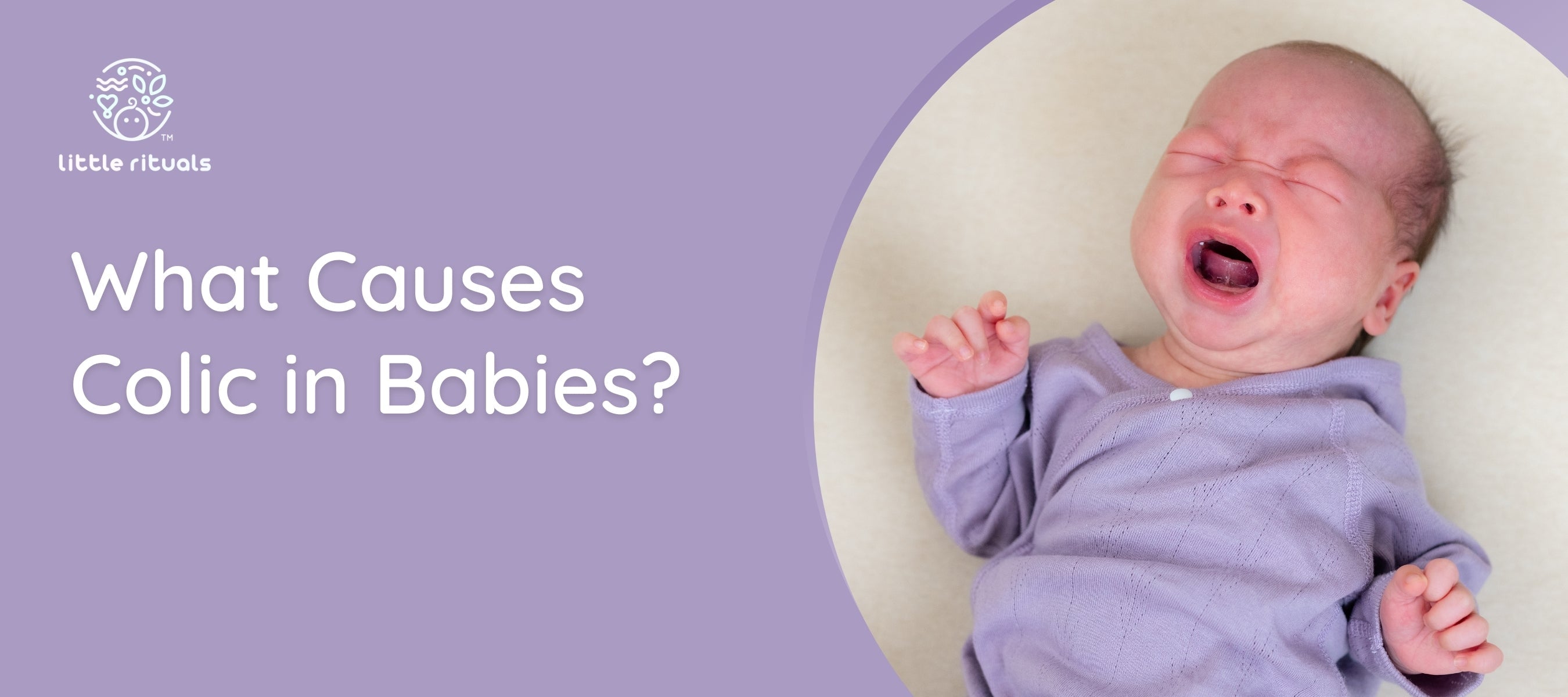
Clenched fists, stiff legs, or an arched back during crying
-
Red or flushed face while crying
-
Difficulty calming the baby even after feeding, rocking, or holding
By observing these symptoms, parents can distinguish colic from normal fussiness and understand more clearly what causes colic in babies.
Natural Ways to Soothe a Colicky Baby
Natural soothing techniques are often effective in managing colic without medication. Some methods include:
-
Gentle rocking or swaying to comfort the baby
-
Playing white noise or sounds similar to the womb
-
Offering warm baths to relax muscles and reduce tension
-
Swaddling to provide a sense of security
-
Frequent burping during and after feeds to relieve gas
-
Skin-to-skin contact to offer warmth and reassurance
-
Walking around while holding the baby to provide gentle motion
-
Soft, repetitive motions like a gentle back rub to calm the infant
Implementing these techniques can help alleviate the symptoms linked to what causes colic in babies and create a calmer environment for both baby and parent.
If gas-related discomfort is frequent, parents may also benefit from understanding related digestive issues such as how to stop newborn hiccups, which often overlap with colic symptoms.
Feeding and Dietary Tips for Colic Relief
Adjustments in feeding practices can significantly reduce colic episodes:
-
Breastfeeding mothers should monitor their diet for potential triggers such as caffeine, spicy foods, and highly processed items
-
Bottle-fed babies may benefit from anti-colic bottles and slow-flow nipples to reduce air swallowing
-
Feeding smaller amounts more frequently can ease digestion
-
Keeping the baby upright after feeding helps prevent gas and reflux
Maintaining a food and crying diary can help parents identify patterns and find practical solutions for what causes colic in babies.
If you are considering feeding methods, this detailed guide on Is Bottle Feeding Safe For Newborn Baby can help you make informed decisions.
When to Consult a Pediatrician
While colic is usually harmless, medical guidance is necessary if your baby shows:
-
Persistent crying beyond four months
-
Vomiting, diarrhea, fever, or unexplained weight loss
-
Difficulty feeding or signs of dehydration
Consulting a pediatrician ensures that underlying medical issues are ruled out and provides reassurance for parents facing prolonged colic challenges.
Taking Care of Yourself as a Parent
Caring for a colicky baby can be exhausting. Parental well-being is essential:
-
Prioritize rest and share caregiving responsibilities
-
Practice emotional self-care through short breaks, meditation, or light exercise
-
Reach out to family, friends, or support groups for help
A calm, rested parent is often the most effective tool in soothing a colicky baby. Taking care of yourself can indirectly reduce the frequency and intensity of crying, linking back to what causes colic in babies.
The Holistic Way: Gentle Natural Care with Little Rituals
Just as babies need gentle internal care, their skin deserves mindful attention. Little Rituals offers plant-powered, toxin-free, and dermatologically tested baby care products, combining Swiss precision with organic Indian botanicals. These products are designed to comfort and protect your baby, complementing natural colic-relief strategies.
Discover Little Rituals’ pure baby care range crafted to calm, protect, and comfort, supporting your baby with gentle, mindful care.
Final Thoughts
Understanding what causes colic in babies empowers parents to respond with confidence, patience, and gentle care. While colic can be challenging, it is temporary and manageable. By recognizing symptoms, using natural soothing techniques, adjusting feeding habits, and taking care of yourself, you can help your baby navigate this phase with comfort and love. Colic may feel overwhelming, but it will pass, and your baby’s cries will eventually turn into coos and laughter.
Read Our Latest Blogs
Coconut Oil for Baby | How to Swaddle a Baby | Is Coconut Oil Good for Dandruff | Natural Ingredients for Glowing Skin | Best Baby Body Lotion | Hair Oil for Kids | Premature Baby Care | Water Wipes for Babies | Difference Between Gas Bubbles and Baby Moving | Is Paraben Good for Skin | Unique Baby Shower Gifts for Mom to Be | Is Bottle Feeding Safe for Newborn Baby | What Is Abhyanga Massage
Frequently Asked Questions
Q1. What causes colic in babies?
Colic in babies can be caused by an immature digestive system, trapped gas, food sensitivities, hormonal or neurological factors, overstimulation, and parental stress. Often, it is a combination of these factors rather than a single cause.
Q2. How long does colic usually last?
Colic usually begins around 2 to 6 weeks of age, peaks at about 6 weeks, and resolves naturally by 3 to 4 months. Some babies may experience milder symptoms for slightly longer.
Q3. Is colic harmful to my baby?
No. Colic does not indicate a serious medical condition and does not cause long-term harm. It is a temporary developmental phase that most infants outgrow.
Q4. Can diet affect colic?
Yes. Foods in a breastfeeding mother’s diet, such as caffeine, spicy foods, or highly processed items, can trigger colic. Formula-fed babies may react to cow’s milk-based formulas. Adjusting the diet can help reduce symptoms.
Q5. What are natural remedies for colic?
Gentle rocking, swaddling, skin-to-skin contact, warm baths, white noise, and frequent burping are effective natural remedies for colic. These methods address discomfort caused by digestion, gas, or overstimulation.
Q6. How can I reduce gas in my baby?
Burping your baby frequently during and after feeding, keeping the baby upright, using anti-colic bottles, and gentle tummy massages can reduce gas and ease colic symptoms.
Q7. Does parental stress affect colic?
Yes. Babies are sensitive to parental stress, which can worsen colic symptoms. Maintaining calm, balanced caregiving and practicing self-care can reduce colic severity.
Q8. When should I see a doctor for colic?
Consult a pediatrician if crying persists beyond four months, or if your baby experiences vomiting, diarrhea, fever, difficulty feeding, or dehydration. Early evaluation ensures other medical conditions are ruled out.