How to Stop Newborn Hiccups: Causes, Remedies, and Prevention Tips
Disclaimer: This article provides general information only and is not a substitute for professional medical advice. Always consult your pediatrician with concerns about your baby's health.
Newborn hiccups are common and usually harmless, often caused by swallowing air, overfeeding, or feeding too quickly. To stop newborn hiccups, try burping your baby, pausing feeds, keeping them upright after feeding, or offering a pacifier. Most hiccups resolve naturally within minutes, but consult a pediatrician if they last longer than 20 minutes or cause distress.
Newborn hiccups are a frequent and completely normal part of early infancy. If you are a parent wondering how to stop newborn hiccups, you are not alone. These tiny “hic” sounds can sometimes be surprising, and while they may seem concerning, they rarely indicate any serious health issue. Understanding why hiccups happen and how to manage them effectively can bring peace of mind and comfort for both you and your baby.
Most newborn hiccups appear after feeding or during sleep, and they usually resolve on their own without intervention. However, there are several gentle and safe ways to stop newborn hiccups naturally and provide relief. This article will guide you step-by-step on why hiccups happen, safe remedies, and prevention strategies to keep your baby calm, comfortable, and fuss-free.
Why Do Newborns Get Hiccups?
Newborn hiccups occur because the diaphragm, the thin muscle separating the chest from the abdomen, contracts involuntarily. This sudden movement causes the vocal cords to close, producing the distinctive “hic” sound. Hiccups are very common in newborns and are usually a normal part of their development.
Some of the main reasons babies develop hiccups include:
- Overfeeding which can stretch the baby’s stomach and irritate the diaphragm
- Feeding too quickly, leading the baby to swallow air along with milk
- Swallowing air while crying or during bottle feeding
- Sudden changes in temperature, such as moving from a warm environment to a cooler one normal temperature of newborn baby
- Gastroesophageal reflux in some babies which can sometimes trigger frequent hiccups and may overlap with digestive issues like colic in babies
It is important to remember that hiccups are usually harmless and are often a sign that the baby’s digestive and nervous systems are developing normally. Understanding these triggers helps parents respond effectively and confidently when hiccups occur. Learning how to stop newborn hiccups naturally allows you to comfort your baby safely.
When Should You Be Concerned?
While hiccups are generally harmless, there are situations where parents should seek medical advice. You should consider consulting a pediatrician if you notice the following signs:
- Hiccups lasting longer than 15 to 20 minutes
- Hiccups accompanied by vomiting or signs of distress
- Hiccups that interfere with feeding or sleep
- Persistent hiccups linked to gastroesophageal reflux or digestive discomfort
In most cases, occasional hiccups do not indicate any serious health problem. Learning gentle ways to stop newborn hiccups and knowing when to seek medical advice can help ensure your baby remains comfortable and happy.
How to Stop Newborn Hiccups
Here are several effective, safe, and parent-friendly ways to stop newborn hiccups naturally. These methods are gentle and suitable for everyday use.
Burp Your Baby
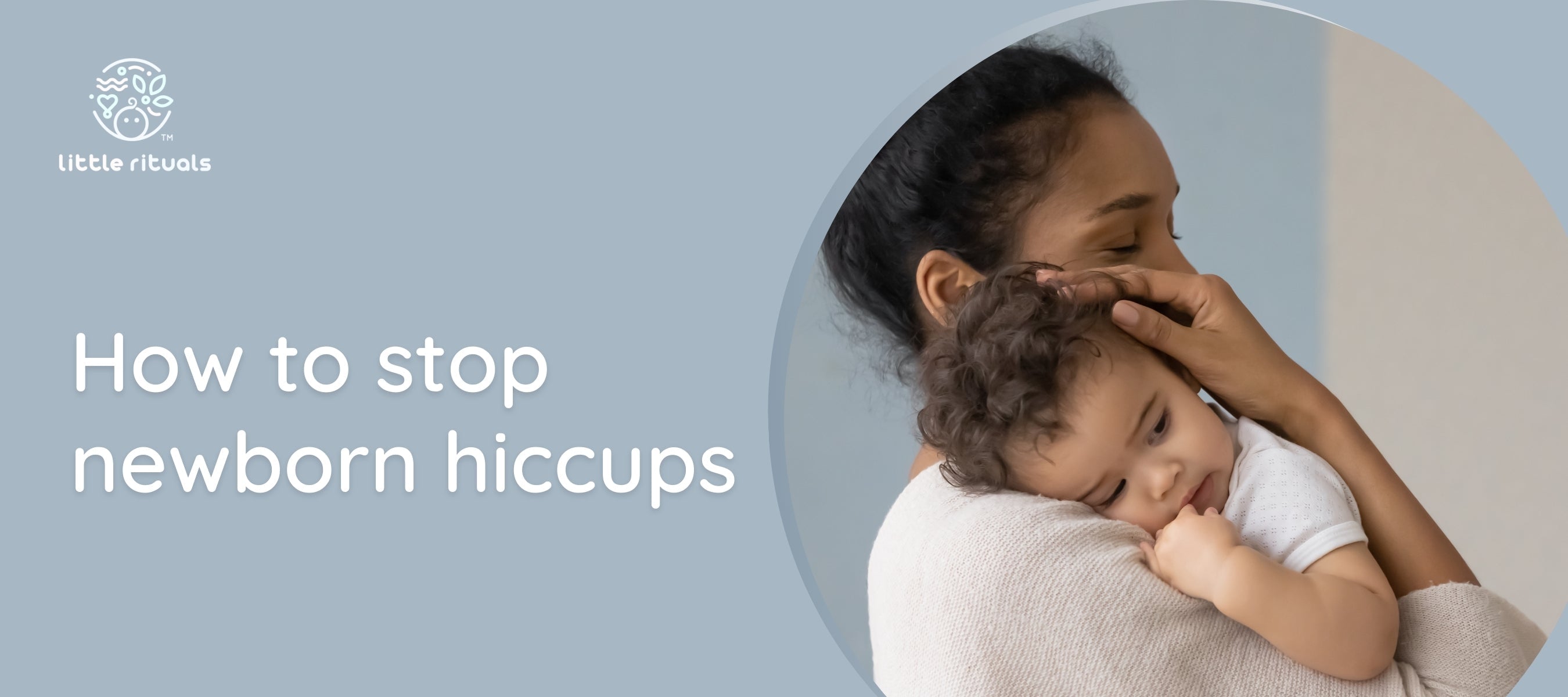
Burping is one of the most effective ways to stop newborn hiccups. It helps release trapped air in the stomach that may irritate the diaphragm. During feeding, hold your baby upright against your shoulder and gently pat or rub the back in circular motions. Supporting the bottom with your other hand can provide extra stability. Burping during and after feeding can prevent many cases of hiccups before they start.
Use a Pacifier
Sucking on a pacifier helps relax the diaphragm, which may stop hiccups quickly. It is a gentle, safe, and soothing option for babies who experience frequent hiccups, especially during or after feeding.
Pause Feeding
If hiccups occur in the middle of a feed, it can be helpful to pause and allow the baby to rest. Giving your baby a few minutes to relax can reduce diaphragm spasms. Resume feeding slowly once the hiccups have subsided.
Keep Baby Upright
Holding your baby upright after feeding for 20 to 30 minutes can help prevent air bubbles from irritating the diaphragm. This simple positioning strategy can reduce the frequency of hiccups and support comfortable digestion.
Gentle Massage
A light, gentle massage of your baby’s back and tummy can calm the diaphragm and reduce hiccup episodes. Combining massage with burping or upright positioning often works best to stop newborn hiccups naturally.
Gripe Water (Optional)
Gripe water is a herbal remedy sometimes used to relieve hiccups and mild digestive discomfort. It is important to consult your pediatrician before using gripe water, especially for newborns, to ensure it is safe.
By applying these gentle remedies consistently, parents can help their babies experience less discomfort and fewer hiccups while ensuring feeding remains smooth and enjoyable.
For parents preparing daily care routines, having the right newborn baby essentials can make feeding, soothing, and sleep routines much easier and more organized.
What Not to Do
It is equally important to know what methods should be avoided, as some can be unsafe and harmful to newborns. Parents should never:
- Startle or scare the baby to stop hiccups
- Pull the tongue or pinch the nose
- Overfeed the baby thinking it will push the hiccups out
Safe, gentle methods are always the preferred way to stop newborn hiccups. Avoiding unsafe practices protects your baby and promotes healthy, stress-free feeding.
How to Prevent Baby Hiccups
Prevention is often easier than stopping hiccups after they start. Parents can adopt several strategies to reduce hiccup frequency and keep their baby comfortable. These include:
Feeding smaller amounts more frequently to avoid overfilling the stomach
- Burping the baby regularly between feeds to release trapped air
- Keeping the baby calm and upright after feeding
- Checking bottle nipple flow for bottle-fed babies to prevent swallowing excess air
- Creating a gentle, relaxed feeding routine that minimizes stress and air intake
Good daily care also includes using safe and gentle baby care items. Many parents choose trusted collections of new-born baby products to support feeding comfort, skin care, and overall newborn wellbeing.
Natural Care Tip: Comfort Starts with Gentle Touch
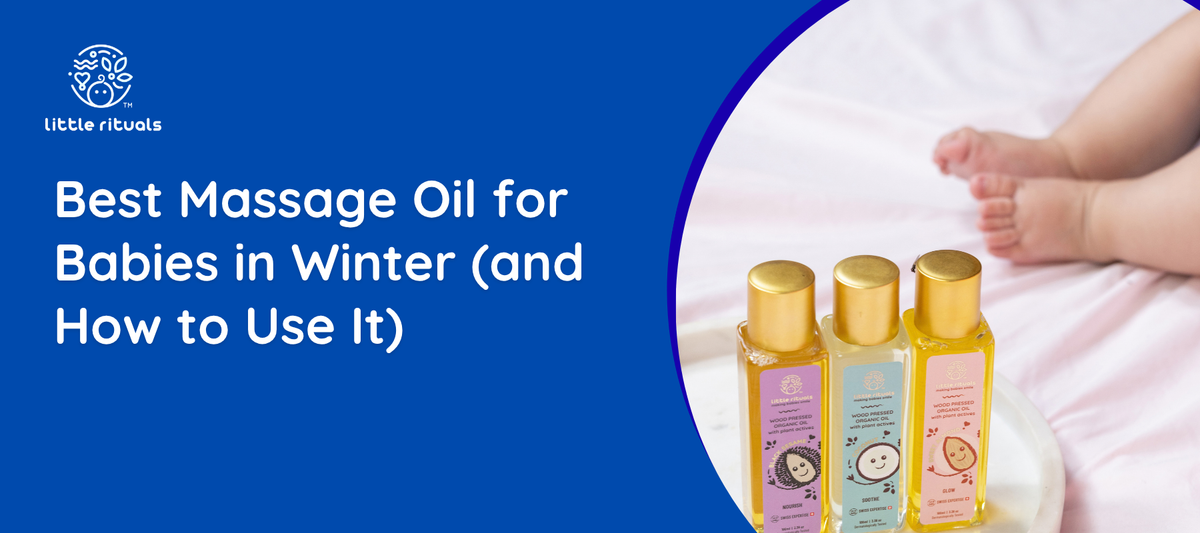
A relaxed and calm baby digests more easily and may experience fewer hiccups. After feeding, a gentle tummy massage using a baby-safe oil can help soothe your little one and support digestion. Using a nourishing, plant-based oil like Little Rituals Sweet Almond Oil keeps your baby’s skin soft and hydrated while providing a comforting sensory experience.

Conclusion
Hiccups are a normal and temporary part of newborn life. By understanding how to stop newborn hiccups, recognizing triggers, and applying gentle, safe remedies, parents can ensure their baby remains calm, comfortable, and happy.
Read Our Latest Blogs:
Second Pregnancy Symptoms | Hospital Bag for Delivery List | Vedic Names for Baby Girl | Virgin Coconut Oil Benefits | Best Books to Read During Pregnancy | Diaper Size by Age | Healthy Snacks for Pregnant Women | Weight Loss After Delivery | Almond Oil for Baby | Parents to Be Gifts | B Baby Girl Names Unique | 2 Year Old Baby Food Chart | Baby Bath Procedure
Frequently Asked Questions
Q1. Can I feed my baby when they have hiccups?
Yes, feeding is usually safe. If hiccups are severe, pause feeding, burp your baby gently, and resume slowly.
Q2. How long do newborn hiccups last?
Most hiccups last between 5 and 10 minutes. Rarely, they may continue up to 20 minutes.
Q3. Do hiccups mean my baby is full?
Not necessarily. Hiccups are caused by diaphragm spasms and do not always indicate fullness.
Q4. Are hiccups normal in newborns every day?
Yes, daily hiccups are common and are generally a normal part of a newborn’s development.
Q5. Can bottle feeding cause more hiccups?
Yes, swallowing air while bottle feeding can trigger hiccups. Using the correct bottle nipple flow can reduce this risk.
Q6. Is gripe water safe for newborns?
Gripe water can be used occasionally, but it is important to consult your pediatrician first to ensure it is appropriate for your baby.
Q7. Can pacifiers prevent hiccups?
Pacifiers can help relax the diaphragm and may reduce hiccups, especially during or after feeding.
Q8. When should I see a doctor?
Contact a pediatrician if hiccups last more than 20 minutes, cause distress, or interfere with feeding or sleep.