How to Swaddle a Baby – A Complete Guide for New Parents
Disclaimer: The information in this guide is for educational purposes only and is not a substitute for professional medical advice, diagnosis or treatment. Always consult your paediatrician if you are unsure about whether swaddling is appropriate for your baby.
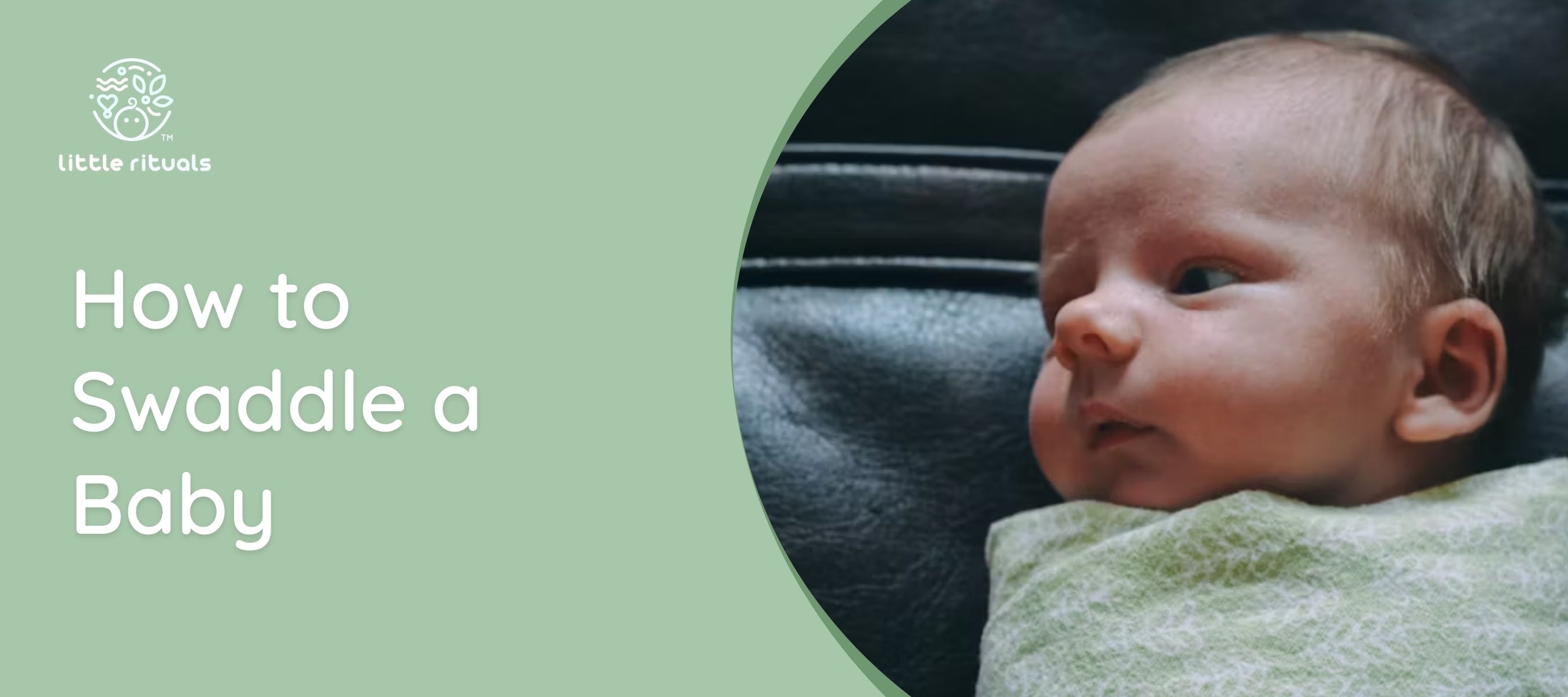
Swaddling is a technique that involves wrapping a newborn snugly in a lightweight, breathable blanket to help them feel secure and sleep better. Proper swaddling can reduce the startle reflex, calm fussiness, and improve sleep quality. Always swaddle safely, allow room for hip movement, and stop once your baby shows signs of rolling over.
Learning how to swaddle a baby is one of the most valuable skills for new parents. From the first moments at home, every parent wants to see their newborn comfortable, calm, and sleeping peacefully. Swaddling creates a sense of security that helps babies adjust to the outside world while providing the comfort they experienced in the womb.
This guide will teach you how to swaddle a baby safely and effectively. You will learn why swaddling matters, the benefits it brings, the common mistakes to avoid, and when to transition away from swaddling. By following this guide, you will gain confidence and be able to create a calming bedtime ritual for your newborn, ensuring restful nights for both your baby and you.
What is Swaddling and Why It Matters
Swaddling is the practice of wrapping a baby snugly in a soft blanket to provide warmth, security, and gentle restriction of limb movement. The technique has been used for centuries because it helps newborns feel safe and calm. When you learn how to swaddle a baby, you are giving your child a comforting experience that mimics the womb.
Newborns are adjusting to the outside world, and their sudden startle reflex can wake them frequently. Swaddling helps calm these reflexes, reduces fussiness, and promotes longer sleep cycles. Parents often combine swaddling with proper sleep routines, including understanding newborn baby sleeping time to build a healthy sleep schedule from the beginning.
Benefits of swaddling go beyond just sleep. It creates a predictable routine, signals bedtime, and can even help in soothing colic or digestive discomfort. Understanding how to swaddle a baby correctly ensures that your child receives these advantages safely.
Benefits of Swaddling a Baby
Learning how to swaddle a baby offers multiple benefits that positively affect both your baby’s wellbeing and your own peace of mind.
-
Improves sleep quality and encourages longer sleep stretches
-
Reduces the startle reflex that can disturb sleep
-
Calms fussiness and soothes your newborn naturally
-
Helps regulate body temperature with breathable fabrics
-
Encourages a consistent bedtime routine that signals security
-
Provides gentle support to the baby’s limbs and body
-
Creates a feeling of closeness, bonding, and emotional reassurance
Parent Insight Tip: When swaddling, ensure that the blanket is snug around the arms but leaves enough room for the hips and chest to move naturally. Proper swaddling supports healthy development while maximizing comfort.
How to Swaddle a Baby Step by Step
Mastering how to swaddle a baby can feel intimidating at first, but with practice, it becomes a comforting routine for both parent and child. Follow these steps carefully:
- Step 1: Choose a soft, breathable blanket made from organic cotton, muslin, or bamboo
- Step 2: Lay the blanket flat and fold down one corner to create a straight edge
- Step 3: Place your baby on their back with shoulders aligned to the folded edge
- Step 4: Gently wrap one side of the blanket across the baby’s chest and tuck it under their back
- Step 5: Fold the bottom of the blanket over the baby’s feet, leaving room for natural leg movement
- Step 6: Wrap the remaining side snugly but comfortably, ensuring the chest has space to expand
Tips for safe swaddling:
-
Ensure the blanket is snug but not tight around the chest
-
Always place the baby on their back to sleep
-
Avoid loose blankets near the baby’s face
-
Monitor the baby for signs of overheating such as flushed cheeks or sweating
Learning how to swaddle a baby correctly ensures your child sleeps safely and comfortably while reducing stress for new parents.
Common Swaddling Mistakes to Avoid
Even with proper instructions, parents can make mistakes while learning how to swaddle a baby. Avoid these common errors:
-
Wrapping the baby too tightly, which can restrict breathing or cause hip issues
-
Covering the baby’s face or neck, creating a suffocation risk
-
Using heavy or thick blankets that can lead to overheating
-
Swaddling for long periods during the day, which limits necessary movement
-
Ignoring cues from the baby who may resist being swaddled
Swaddling should be done with care and attention. Parents should always check that the baby is comfortable, that the blanket is breathable, and that the baby’s legs and hips can move freely.
When to Stop Swaddling Your Baby
Knowing when to stop swaddling is as important as learning how to swaddle a baby. Most babies naturally outgrow swaddling between four and six months. Key signs that it is time to transition include:
-
The baby begins to roll over independently
-
The baby resists being swaddled or consistently pushes out arms
-
Increased discomfort or agitation when swaddled
Transitioning can be done gently by using sleep sacks or wearable blankets. This ensures that the baby continues to feel secure while gaining freedom of movement, reducing the risk of restricted mobility or sudden rolling accidents.
You can transition to sleep sacks and wearable blankets. Understanding sleep habits like those explained in newborn baby sleeping time can help ease this shift.
Safety Tips and Expert Advice
When learning how to swaddle a baby, safety should always come first. Follow these expert tips:
-
Place the baby on their back to sleep, never on the stomach
-
Keep the room temperature comfortable, ideally between 68°F and 72°F
-
Use lightweight, breathable fabrics to prevent overheating
-
Stop swaddling once the baby shows signs of rolling
-
Monitor the baby’s body temperature and remove layers if necessary
-
Consult a pediatrician if you have any concerns about swaddling technique or materials
Following these guidelines ensures that your baby remains safe, comfortable, and relaxed during sleep.
Best Fabrics and Products for Safe Swaddling
Choosing the right fabric is essential when learning how to swaddle a baby. Opt for materials that are soft, breathable, and gentle on sensitive skin:
-
Organic cotton blankets provide softness and allow airflow
-
Muslin blankets are lightweight and perfect for warm weather
-
Bamboo fabrics are hypoallergenic and moisture-wicking, ideal for sensitive skin
Parents can also complement swaddling with gentle skincare products to enhance bedtime routines. Using natural, plant-based washes and oils creates a calming environment and supports the baby’s delicate skin.
Creating a Calming Bedtime Ritual
Swaddling is more than wrapping a blanket; it is part of a calming bedtime ritual. Learning how to swaddle a baby pairs beautifully with gentle routines such as:
-
Giving a warm, soothing bath using natural, gentle products
-
Gently massaging the baby with plant-based oils
-
Wrapping the baby securely in a soft swaddle
-
Singing or speaking softly to signal bedtime
Incorporating these steps ensures your baby associates sleep with safety, comfort, and closeness.
Parents also often explore other newborn care topics such as newborn baby essentials to build a complete care routine for early parenting.
Conclusion
Mastering how to swaddle a baby is a comforting and valuable skill for new parents. Swaddling provides safety, security, and longer, more restful sleep for your newborn. When combined with gentle routines, calming skincare products, and love, it becomes more than a technique; it is a cherished bonding ritual. Proper swaddling ensures your baby’s physical and emotional wellbeing while giving parents confidence and peace of mind.
Read Our Latest Blogs
Coconut Oil for Baby | Is Coconut Oil Good for Dandruff | Natural Ingredients for Glowing Skin | Best Baby Body Lotion | Hair Oil for Kids | Premature Baby Care | Water Wipes for Babies | Difference Between Gas Bubbles and Baby Moving | Is Paraben Good for Skin | Unique Baby Shower Gifts for Mom to Be | What Causes Colic in Babies | Is Bottle Feeding Safe for Newborn Baby | What Is Abhyanga Massage
Frequently Asked Questions
Q1. Is swaddling safe for all newborns?
Yes, swaddling is safe for newborns when done correctly and always with the baby on their back. It should be avoided if the baby has certain medical conditions, and pediatric advice should be sought in such cases.
Q2. Can I swaddle my baby in hot weather?
Yes, but choose lightweight, breathable fabrics such as muslin or bamboo to prevent overheating. Ensure the baby’s room is comfortably cool.
Q3. How tight should a swaddle be?
A swaddle should be snug enough to feel secure but loose enough that you can fit two fingers between the blanket and the baby’s chest. Tight swaddles can restrict breathing and movement.
Q4. What is the best fabric for swaddling?
Soft, natural fabrics like organic cotton, muslin, or bamboo are ideal because they are gentle, breathable, and safe for newborn skin.
Q5. How long should I swaddle my baby each day?
Swaddle primarily during naps and nighttime sleep. Avoid continuous daytime swaddling to allow the baby to move freely.
Q6. Can swaddling help soothe a fussy baby?
Yes, the gentle pressure and security of swaddling can calm a fussy or colicky baby, helping them feel safe and comfortable.
Q7. When should I stop swaddling my baby?
Stop swaddling when the baby begins rolling over or resists the swaddle. Typically, this occurs between four and six months of age.
Q8. How can I transition from swaddling to other sleep routines?
Use a sleep sack or wearable blanket to provide security while allowing freedom of movement. Gradually reduce swaddling as the baby becomes comfortable with independent sleeping.