Premature Baby Care: A Complete Guide to Nurture Your Little Miracle
Disclaimer: This blog shares general information about caring for premature babies and is not medical advice. Every preemie is different. Always follow your neonatologist’s or paediatrician’s guidance on feeding, bathing, temperature and overall care before trying anything mentioned here.
Premature baby care focuses on supporting a preemie’s growth, comfort, and health through proper feeding, temperature regulation, hygiene, skin protection, and regular medical monitoring. Creating a calm, clean environment, practicing skin-to-skin contact, and following healthcare guidance can help premature babies develop safely while reducing the risk of infections and complications.
Caring for a premature baby is a journey that requires patience, knowledge, and gentle care. Premature baby care is not just about providing basic needs; it is about creating a safe, nurturing environment that supports growth, protects fragile systems, and builds a strong parent-child bond from the very first days. Premature babies, born before 37 weeks of gestation, face unique challenges, including delicate skin, underdeveloped immune systems, and difficulties with feeding and temperature regulation. Understanding newborn baby essentials can help parents feel more prepared during this journey.
This guide on premature baby care will provide practical and science-backed advice for new and expecting parents. You will learn how to address feeding, hygiene, skincare, emotional support, and overall development. By following mindful daily routines and using gentle, organic products, parents can ensure their little miracles thrive while feeling safe, comforted, and loved.
Understanding Premature Baby Care
Premature babies are remarkable but require specialized attention due to their early arrival. Premature baby care focuses on understanding their fragile physical condition and supporting their development in every possible way. Preemies often have extremely thin skin, making them more prone to irritation and infections. Their immune system is not fully developed, which means they are more susceptible to illnesses. Temperature regulation is another challenge because preemies cannot maintain their body heat as effectively as full-term babies.
Other common challenges in premature baby care include feeding difficulties, irregular breathing patterns, and sensitivity to environmental changes. Parents must pay close attention to every small sign, from how the baby responds to touch to weight gain and feeding cues. Evidence-based practices such as Kangaroo Mother Care, where the baby is held skin-to-skin against a parent, are highly effective. This method helps regulate body temperature, supports breastfeeding, and strengthens emotional bonding while forming an essential part of holistic premature baby care.
Creating a Safe and Comforting Environment
A preemie's environment plays a significant role in their growth and development. Thoughtful changes in lighting, temperature, and daily routines can make a significant difference in overall comfort and stability. For effective premature baby care, parents should focus on creating a calm, consistent, and nurturing setting.
Important points to consider:
-
Keep the room comfortably warm, usually around 22–26°C, or as advised by your baby’s doctor. Your hospital team will guide you on the ideal range for your baby.
-
Use soft, dim lighting to avoid overstimulation and protect sensitive eyes
-
Keep noise levels low to reduce stress and promote restful sleep
-
Prioritize hygiene by washing hands thoroughly before touching the baby, sanitizing surfaces, and limiting the number of visitors
-
Include comforting rituals such as gentle touch, swaddling, soft fabrics, and rhythmic routines that soothe and reassure the baby
These small but deliberate measures provide a sense of security and support overall development. Establishing a gentle daily routine, including an age-appropriate baby skincare routine, can further enhance your baby's comfort and well-being.
Feeding and Nutrition for Growth
Nutrition is a cornerstone of premature baby care because preemies require extra calories, nutrients, and care to support their growth and immunity. Breast milk is considered the gold standard, as it is rich in antibodies, easily digestible proteins, and essential nutrients that preemies need. When direct breastfeeding is challenging, expressed breast milk or fortified formulas, as recommended by a pediatrician, can be used to ensure the baby receives optimal nutrition.
Feeding tips for effective premature baby care include:
-
Offer small, frequent feeds to avoid overwhelming the baby’s tiny stomach
-
Practice gentle burping after each feed to reduce discomfort and prevent gas
-
Monitor indicators such as steady weight gain, alertness, and contented sleep to assess proper feeding
-
Use specialized fortified milk if recommended by a healthcare provider to meet the baby’s additional nutritional needs
A well-planned feeding routine not only ensures physical growth but also strengthens the emotional connection between parent and baby. Consistent, gentle feeding is an essential pillar of premature baby care, promoting both health and bonding.
Skincare for Premature Babies: Handle with Love
The skin of a premature baby is more fragile and permeable than that of a full-term newborn, making it highly susceptible to dryness, irritation, and infection. Premature baby care requires the use of gentle, safe, and clinically tested products that support the development of the skin barrier while protecting delicate skin from external irritants.
Key principles of premature sensitive baby skincare include:
- Moisturize daily to prevent dryness and maintain skin elasticity
- If your doctor approves, products like Little Rituals Wood-Pressed Organic Sweet Almond Oil can be part of a gentle routine for some babies.
- Avoid products containing alcohol, synthetic fragrances, parabens, or harsh surfactants that may damage sensitive skin
- Select products that are hypoallergenic, clinically tested for neonatal use, and preferably fragrance-free baby products to minimize the risk of irritation.

Little Rituals’ products, such as Wood-Pressed Sweet Almond Oil and Multi-Vitamin Hair Body Wash, provide safe, nourishing options that help parents create a gentle, loving skincare routine. Consistent attention to skincare is a vital component of premature baby care, ensuring the baby’s comfort and health.

Bathing and Hygiene Essentials
Bathing a premature baby requires careful handling, short durations, and mild cleansers to prevent irritation. Proper hygiene is crucial in premature baby care because preemies are more susceptible to infections due to their underdeveloped immune systems.
Best practices include:
-
Keep baths brief, around five to ten minutes
-
Use lukewarm water (around 37°C), or as advised by your doctor. Always test with your wrist or elbow to ensure the water feels comfortably warm.
-
Clean gently using mild, natural products such as Multi-Vitamin Hair & Body Wash from Little Rituals
-
Pat the skin dry softly with a towel, avoiding rubbing
-
Apply a light layer of organic oil or lotion immediately after the bath to lock in moisture
These simple steps transform bathing into a soothing ritual, promoting comfort while maintaining skin health and hygiene, key elements of effective premature baby care.
Parents often wonder about the right time to begin oil massage. This guide on when to start oil massage for newborn babies offers helpful insights based on your baby's developmental stage.
Monitoring Growth and Health
Regular monitoring is essential for ensuring the well-being of a premature baby. Tracking development, weight gain, and health status forms the foundation of safe premature baby care.
Important practices include:
-
Schedule regular pediatric visits to assess growth, development, and vital health markers
-
Follow the vaccination schedule recommended by the healthcare provider
-
Observe feeding patterns, breathing, and hydration closely to detect potential issues early
-
Keep detailed records of milestones, sleep patterns, and feeding routines
By maintaining careful observation and records, parents can intervene early if any complications arise, ensuring their preemie’s safety and steady growth. Monitoring and proactive care are critical components of comprehensive premature baby care.
Emotional Care: Supporting Parents Too
Caring for a premature baby can be physically exhausting and emotionally challenging. Premature baby care is not just about attending to the baby’s needs but also ensuring that parents are supported and nurtured. A parent’s emotional well-being directly impacts the quality of care they provide.
Tips for parents:
-
Accept help and support from family and community to avoid burnout
-
Take rest whenever possible, even brief breaks can improve energy and focus
-
Practice mindfulness, deep breathing, or light physical activity to relieve stress
-
Celebrate small milestones in your baby’s journey to maintain a positive outlook
When parents feel supported, they can provide more consistent and compassionate premature baby care, benefiting both their child’s physical and emotional development.
Building a Gentle Skincare Ritual with Little Rituals
Creating a daily skincare routine establishes consistency, comfort, and protection. A gentle routine using safe products ensures the baby’s skin remains healthy while providing opportunities for bonding.
Suggested daily routine for premature baby care:
Morning Routine
-
Massage the baby’s skin gently with Wood-Pressed Organic Sweet Almond Oil
-
Apply Ray Shield Sunscreen if stepping outdoors to protect sensitive skin

Evening Routine
-
Give a calming bath using Multi-Vitamin Hair & Body Wash
-
Moisturize immediately with Barrier Boost Lotion to maintain hydration overnight

Incorporating these routines into daily care ensures that premature baby care is consistent, nurturing, and effective, supporting both skin health and emotional bonding.
Conclusion: Celebrate Every Tiny Step
Every milestone in a premature baby’s journey is significant. By practicing consistent feeding routines, monitoring growth, maintaining hygiene, and using gentle skincare products, parents can provide comprehensive premature baby care.
Little Rituals offers a range of safe, natural, and clinically tested products that support the delicate skin of preemies while fostering comfort and well-being. With patience, love, and consistency, every small step leads to a healthier, happier, and thriving little miracle.
Give your baby the purest start with Little Rituals, crafted with Swiss precision and 100% natural ingredients to protect even the most delicate preemie skin. Explore the gentle range of baby skincare essentials today at Little Rituals.
Read Our Latest Blogs
Coconut Oil for Baby | How to Swaddle a Baby | Is Coconut Oil Good for Dandruff | Natural Ingredients for Glowing Skin | Best Baby Body Lotion | Hair Oil for Kids | Water Wipes for Babies | Difference Between Gas Bubbles and Baby Moving | Is Paraben Good for Skin | Unique Baby Shower Gifts for Mom to Be | What Causes Colic in Babies | Is Bottle Feeding Safe for Newborn Baby | What Is Abhyanga Massage
Frequently Asked Questions
Q1. What is the most important aspect of premature baby care?
Temperature regulation, gentle feeding, and maintaining skin health are the most critical aspects. Each area plays a vital role in ensuring the preemie’s comfort, growth, and protection from infections.
Q2. How often should I bathe my premature baby?
Bathing 2 to 3 times a week is recommended. Use lukewarm water, gentle cleansers, and limit bath time to five to ten minutes to protect delicate skin.
Q3. Can I use regular baby oil on a preemie?
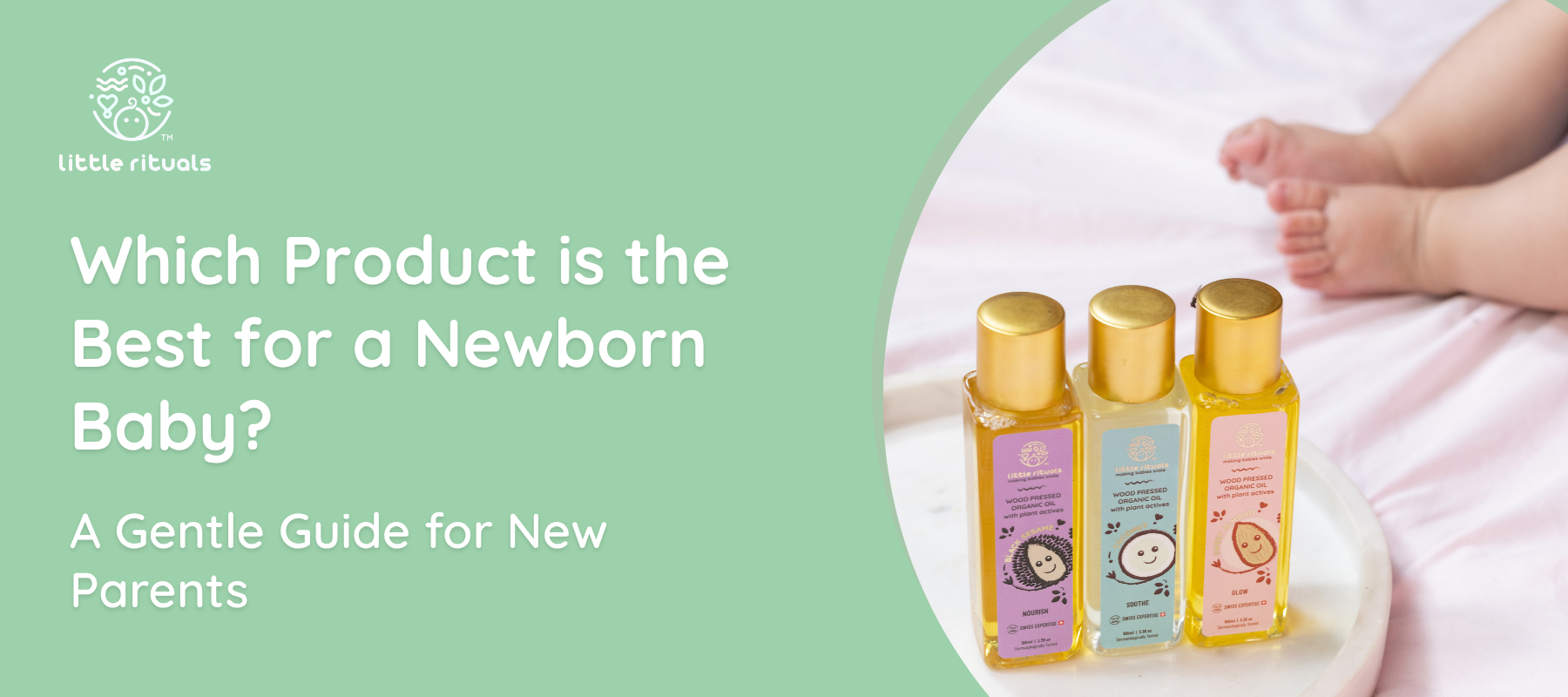
It is better to use hypoallergenic, plant-based oils that are clinically tested for sensitive neonatal skin, such as Almond Oil or Black Sesame Oil.
Q4. How do I know if my premature baby is feeding well?
Look for steady weight gain, content sleep after feeds, and alertness between meals. These indicators show that the baby is receiving adequate nutrition.
Q5. Is skin-to-skin contact safe for all premature babies?
Yes, Kangaroo Mother Care is highly recommended unless medical restrictions exist. It helps regulate temperature, supports breastfeeding, and strengthens emotional bonding.
Q6. How can I prevent infections in my preemie?
Wash hands before handling the baby, limit visitors, sanitize surfaces, and avoid crowded places to minimize infection risks.
Q7. What should I do if my preemie’s skin becomes dry?
Apply gentle, plant-based moisturizers immediately after bathing. Oils like Almond Oil or Black Sesame Oil can help restore hydration and protect the skin barrier.
Q8. Can premature babies go outside?
Limited outdoor exposure is possible, but protect the baby from direct sunlight and harsh weather. Use sunscreen if necessary and avoid crowded areas to prevent infections.