Baby Hair Growth Tips: A Complete Guide for Stronger, Healthier Baby Hair
Baby hair growth varies from one baby to another, influenced by genetics, hormones, and nutrition. Gentle scalp care, regular oiling, proper nutrition, and safe, non-toxic hair care products can encourage healthy hair growth. Avoid harsh chemicals, tight hairstyles, and over-washing. Consistency, patience, and proper hair care routines are the keys to promoting strong, soft baby hair.
Many parents notice that their babies have thin, patchy, or slow-growing hair and wonder how to encourage fuller, healthier hair. Baby hair growth tips can help parents nurture their child’s delicate scalp and hair using gentle routines, nourishing oils, and safe products. At Little Rituals, we design plant-powered hair care products that cleanse, nourish, and strengthen delicate hair while being safe for newborns and infants. Using the right hair care products along with proper care and nutrition is one of the most effective ways to support natural hair growth from birth.
Understanding Baby Hair Growth: What Parents Should Know
Why Newborn Hair Falls Out
It is common for newborns to lose some hair within the first few months. This hair loss is usually temporary and occurs due to hormonal shifts after birth. Babies have fine, soft hair called lanugo at birth, which naturally falls out and is replaced by thicker, stronger hair over time.
- Hormonal changes after birth can trigger temporary shedding
- Newborns’ hair growth cycles are still developing
- Hair that falls out usually regrows within a few months
Understanding this normal shedding helps parents avoid unnecessary worry and focus on supporting scalp health.
Baby Hair Growth Stages
- Newborn Stage: Hair may shed soon after birth and is often soft and fine
- Infant Stage: Hair begins to thicken, and new strands may differ in color or texture
- Toddler Stage: Hair becomes stronger, fuller, and more resilient to daily care
When Parents Should Worry
Most hair loss is normal, but consult a pediatrician if you notice:
- Persistent patchy hair loss
- Redness, scaling, or sores on the scalp
- Signs of infection or irritation
Early attention to scalp health ensures any underlying issues are addressed quickly.
10 Expert-Backed Baby Hair Growth Tips for Healthy Hair
1. Keep the Baby’s Scalp Clean
Gently cleansing your baby’s scalp is essential for maintaining a healthy environment for hair growth. Use mild, tear-free shampoos that are free from sulfates and harsh chemicals. The Little Rituals Multi-Vitamin Hair & Body Wash is designed to cleanse while nourishing the scalp with vitamins. Regular cleansing removes dirt, sweat, and natural buildup without stripping essential oils. Products like Little Rituals Multi-Vitamin Hair & Body Wash are specially designed to cleanse gently while nourishing the scalp with vitamins and plant-based botanicals.
2. Massage the Scalp Regularly
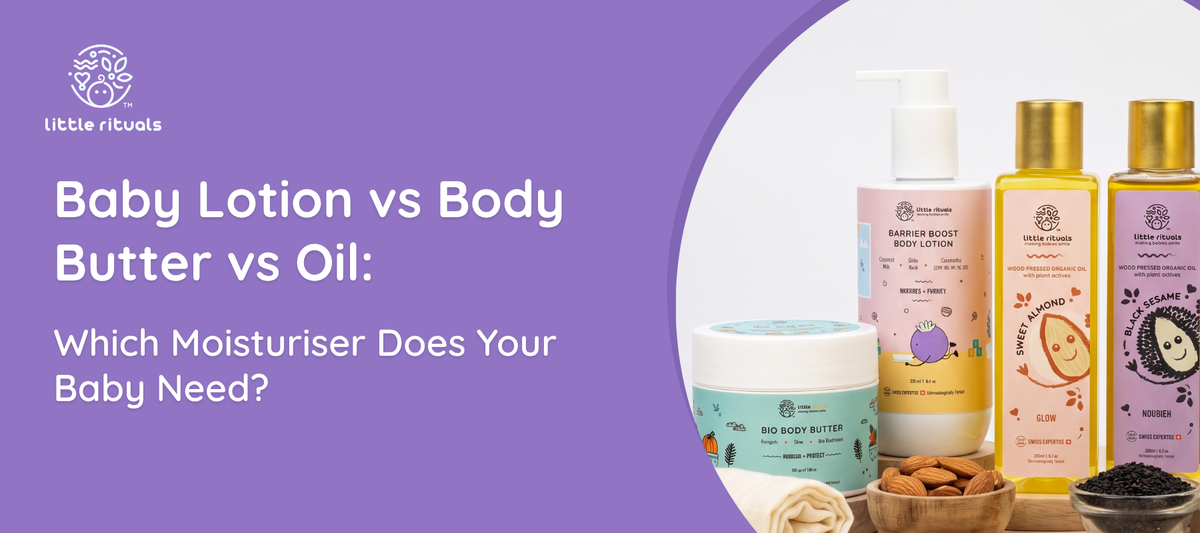
Massaging the scalp can improve blood circulation and strengthen hair follicles. Use natural oils such as Wood Pressed Organic Sweet Almond Oil, Coconut Oil, or Black Sesame Oil for massages. Regular massages help relax your baby, stimulate scalp health, and support stronger, softer hair growth.
3. Choose Gentle, Sulfate-Free Baby Shampoo
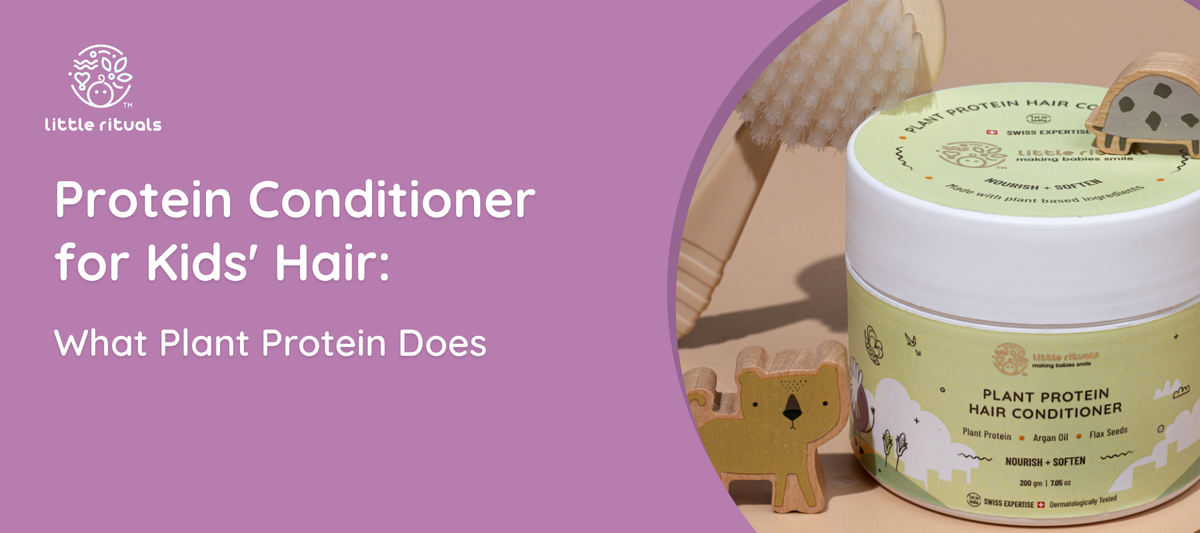
Avoid shampoos that contain sulfates, parabens, or artificial fragrances as they can damage delicate hair and irritate the scalp. A plant-based new born baby products approach ensures delicate follicles aren't damaged. Gentle shampoos enriched with plant proteins, biotin, and natural botanicals help cleanse, strengthen, and protect the hair while keeping the scalp soft and healthy.
4. Avoid Tight Hairstyles
Tight ponytails, braids, or clips can cause hair breakage and traction damage. Instead, use soft hair bands or loose styles to prevent stress on hair follicles. Loose hairstyles allow hair to grow naturally without interference.
5. Use Natural Oils for Nourishment
Natural oils such as coconut oil, almond oil, and black sesame oil provide moisture, reduce dryness, and strengthen hair roots. Applying baby massage oil 2–3 times per week supports scalp health and improves overall hair texture.
6. Maintain Proper Nutrition
Hair growth begins from within. Learn more about healthy development in our guide on how to increase newborn baby weight. Babies who receive adequate nutrients often have healthier hair. Vitamins D, iron, protein, and omega fatty acids contribute to strong hair follicles and support steady growth. Breastfeeding or nutrient-rich formula can ensure your baby gets the essentials.
7. Use a Soft Baby Brush
A soft-bristled brush stimulates the scalp, distributes natural oils, and helps detangle hair gently. Regular brushing also helps in evenly distributing nourishing oils applied during scalp massages.
8. Protect Baby’s Scalp
Baby scalp is sensitive to sun exposure and harsh environmental factors. Protect the scalp with soft hats, keep it moisturized, and avoid prolonged sun exposure.
9. Avoid Harsh Chemicals
Products containing sulfates, parabens, or synthetic fragrances can weaken hair follicles and damage delicate hair. Stick to clean, plant-based products designed for infants to maintain healthy scalp and hair.
10. Be Patient With Baby Hair Growth
Every baby grows hair differently. Genetics, natural hair cycles, and individual health factors determine growth rate. Consistent care, gentle products, and patience are far more effective than rushing results.
The Best Natural Ingredients That Support Baby Hair Growth
- Coconut Oil: Provides deep hydration and nourishes the scalp
- Sweet Almond Oil: Rich in Vitamin E, strengthens hair roots and promotes healthy growth
- Black Sesame Oil: Supports scalp health and fortifies hair follicles
Using these oils regularly can create an optimal environment for baby hair to grow naturally and healthily.
A Gentle Baby Hair Care Routine for Faster Growth
Step-by-Step Routine:
- Oil Massage: 2–3 times per week with natural oils
- Gentle Cleansing: Use a mild, plant-based shampoo
- Soft Brushing: Stimulates scalp and distributes oils
- Moisturizing: Apply gentle creams or oils if the scalp is dry
- Protection: Avoid tight hairstyles and limit sun exposure
A consistent routine combined with proper hair care products enhances healthy growth and prevents common hair problems. It can be a special part of the baby's first bath and beyond.
Common Baby Hair Problems and How to Fix Them
- Patchy Hair Growth: Regular oiling, gentle cleansing, and proper nutrition
- Cradle Cap: Mild cleansing, oil massages, and soft brushing
- Dry Scalp: Use natural oils, avoid harsh shampoos, and maintain hydration
- Slow Hair Growth: Patience, consistent care, and nutrient-rich diets
Why Choosing the Right Baby Hair Products Matters
Baby scalp is extremely sensitive. Harsh chemicals can weaken hair follicles and cause dryness or irritation. Choose products that are:
- Dermatologically tested
- Plant-based and toxin-free
- Suitable for daily use
Using safe products ensures that baby hair grows in a healthy, strong, and gentle manner. A baby gift box or a baby gift hamper filled with plant-powered essentials makes a thoughtful present. For those celebrating a new arrival, a new born baby gift hamper provides all the necessary tools for healthy hair and skin from day one.
Why Parents Trust Little Rituals for Baby Hair Care
Parents trust Little Rituals because our products combine plant-powered formulations with dermatologically tested ingredients. All products, including Plant Protein Hair Shampoo, Multi-Vitamin Hair & Body Wash, and Wood Pressed Organic Oils, are designed to nourish, cleanse, and strengthen delicate hair while maintaining scalp health. Safe and toxin-free, these products support your baby’s hair growth naturally.
Frequently Asked Questions
Q1. How can I make my baby’s hair grow faster?
Encourage growth by maintaining a gentle hair care routine with regular scalp massages, mild cleansing, natural oils, and a nutrient-rich diet. Consistency is key, and using plant-based baby products supports healthy scalp and follicles.
Q2. Can over-washing slow baby hair growth?
Yes. Frequent washing can strip natural oils, leaving the scalp dry and hair weaker. Wash 2–3 times per week with gentle, sulfate-free shampoos to maintain scalp health.
Q3. Is it normal for babies to lose hair?
Yes. Shedding hair during the first months is normal and part of natural hair cycles. Most babies regrow hair within a few months, often with new texture and color.
Q4. Will natural oils really strengthen hair?
Yes. Oils like coconut, almond, and sesame hydrate the scalp, reduce dryness, and strengthen hair follicles. Regular oil massages improve circulation and create optimal conditions for hair growth.
Q5. What nutrients help baby hair growth?
Vitamin D, iron, protein, and omega fatty acids are crucial for healthy hair follicles. Proper nutrition ensures hair develops stronger, thicker, and softer over time.
Q6. Why does baby hair grow at different rates?
Growth varies due to genetics, hormonal changes, and hair cycle patterns. Some babies may develop thick hair early, while others grow strands more gradually.
Q7. How often should I oil my baby’s hair?
2–3 times per week is ideal. Use gentle, plant-based oils to massage the scalp and strengthen hair without causing irritation.
Q8. Can tight hairstyles damage baby hair?
Yes. Tight hairbands or braids can break hair and weaken follicles. Always choose loose styles or soft accessories to protect hair and allow natural growth.