Is Sunscreen Safe for Babies? What Parents Ask Most and the Real Answers
Sunscreen is safe for babies above 3 months when it is made with gentle, mineral-based ingredients such as zinc oxide. For younger infants, physical protection like shade and clothing is preferred. Choosing the right formula and avoiding harsh chemicals is essential for protecting delicate baby skin.
Is sunscreen safe for babies? is one of the most common concerns parents have, especially when trying to understand sunscreen ingredients safety for kids. The simple answer is yes, but only when you choose carefully. Many modern baby care brands, including Little Rituals, focus on gentle, skin-friendly formulations that are designed specifically for delicate skin. This article explains what is safe, what to avoid, and how to make the right choice so your baby stays protected without unnecessary risk.
Is Sunscreen Safe for Babies? The Real Answer
Sunscreen can be safe and effective for babies, but age and formulation both matter. For babies under 6 months, most experts recommend avoiding sunscreen unless there is no alternative. Instead, parents should rely on shade, protective clothing, and limiting direct sun exposure.
Once a baby is older than 6 months, sunscreen becomes an important part of daily protection. However, safety depends less on the concept of sunscreen and more on the ingredients used. A well-formulated sunscreen designed for babies can protect the skin without causing irritation or absorption concerns.
Parents should focus on using products that are specifically made for infants and have been dermatologically tested. This reduces the risk of reactions and ensures the product is suitable for sensitive skin.
Why Baby Skin Needs Extra Protection
Baby skin is more delicate and vulnerable than adult skin. It is thinner, which means it absorbs substances more easily and reacts more quickly to environmental stress. It also contains less melanin, which reduces natural protection against harmful UV rays.
Because of this, even short exposure to sunlight can lead to sunburn. Over time, repeated exposure without protection may increase the risk of long-term skin damage. Babies are also more prone to dryness and irritation, which makes it even more important to use gentle and safe baby care products.
Protecting baby skin is not just about avoiding immediate discomfort. It is about building healthy skin habits from an early stage and preventing damage before it occurs.
What Ingredients in Sunscreen Are Safe for Babies
Safe Ingredients Parents Can Trust
When considering sunscreen ingredients’ safety for kids, certain ingredients are widely regarded as safe and effective. These ingredients protect the skin without being absorbed deeply.
- Zinc oxide acts as a physical barrier that reflects harmful rays away from the skin
- Aloe vera helps soothe and calm sensitive skin
- Chamomile reduces irritation and supports skin comfort
- Vitamin E and plant-based antioxidants protect against environmental stress
These ingredients are commonly found in well-formulated baby sunscreen and are chosen because they are gentle and non-irritating.
Ingredients That Are Best Avoided
Not all sunscreens are suitable for babies. Some ingredients may cause irritation or may not be ideal for sensitive skin.
- Oxybenzone can be absorbed into the skin and may cause reactions
- Octinoxate is associated with sensitivity in delicate skin
- Synthetic fragrances can trigger allergies or irritation
- Alcohol can dry out the skin and weaken its natural barrier
Parents should always read labels carefully and choose products that clearly state they are free from these ingredients.
Mineral vs Chemical Sunscreen for Babies
Mineral Sunscreens
Mineral sunscreens are considered the safest option for babies. They sit on top of the skin and act as a protective shield. They begin working immediately after application and are less likely to cause irritation.
Because they do not penetrate deeply into the skin, they are better suited for sensitive skin types, including infants.
Chemical Sunscreens
Chemical sunscreens work by absorbing UV rays and converting them into heat. While they are effective, they may not be the best choice for babies due to the potential for irritation and absorption.
For this reason, most pediatric experts recommend mineral-based sunscreens when considering sunscreen ingredients safety for kids.
How to Choose the Safest Sunscreen for Your Baby
Choosing a safe sunscreen becomes easier when you know what to look for:
- Look for mineral filters such as zinc oxide
- Ensure broad-spectrum protection against UVA and UVB rays
- Choose SPF between 30 and 50
- Avoid fragrance and alcohol
- Select dermatologically tested baby products
- Prioritize gentle, non-irritating formulations
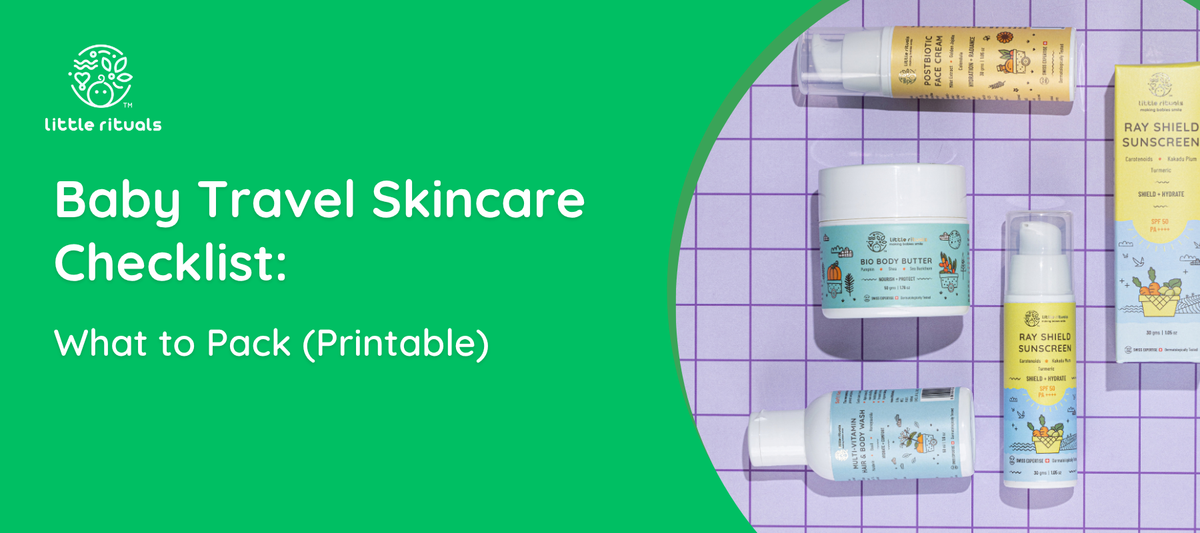
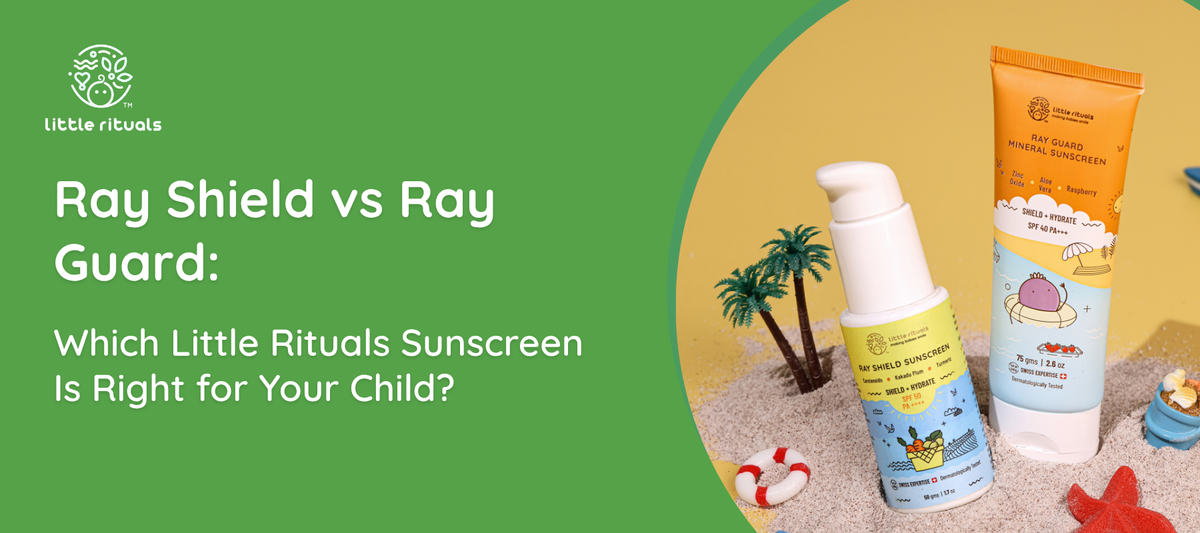
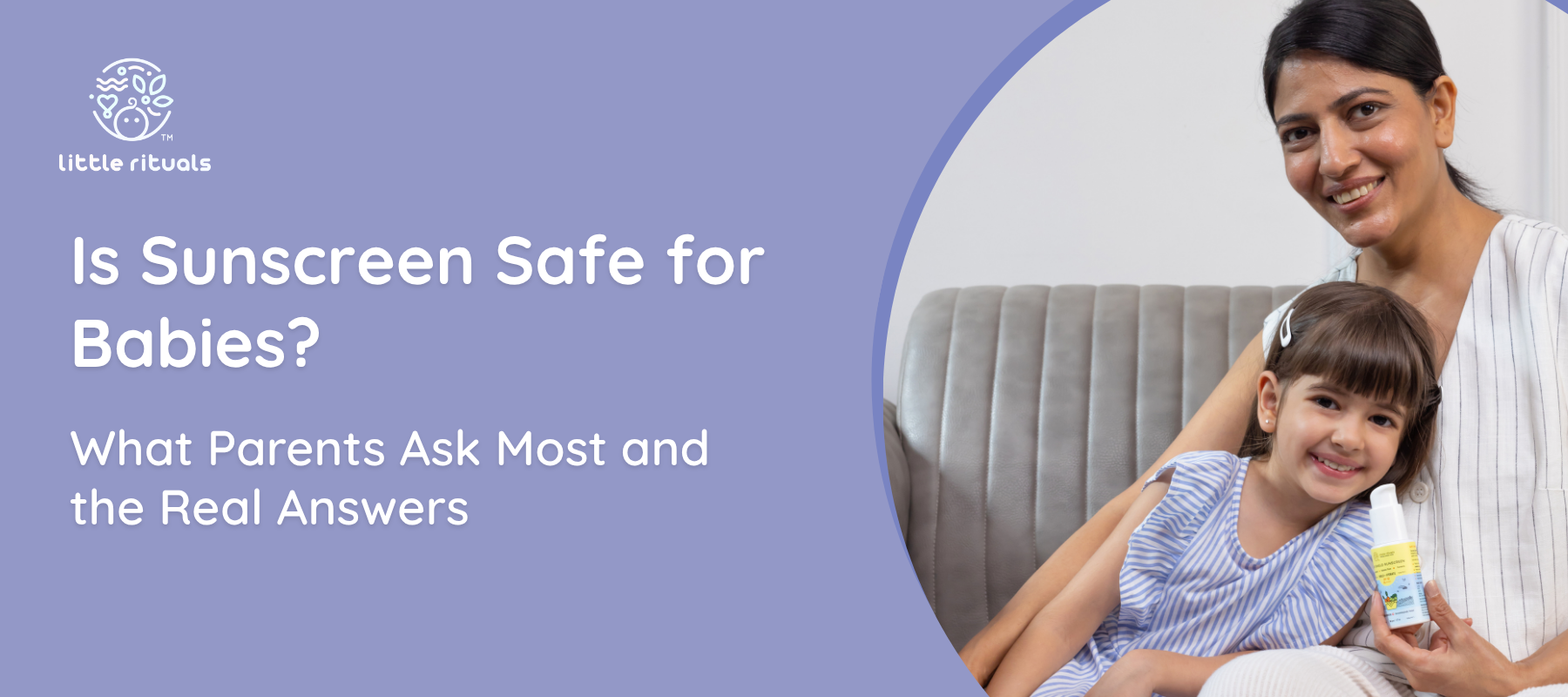
Little Rituals Ray Shield Baby Sunscreen and Ray Guard Mineral Sunscreen align with these criteria and help parents understand the difference between mineral and chemical sunscreen. They are designed as mineral-based sunscreens that are dermatologically tested and enriched with soothing botanical ingredients, making them suitable for everyday use.
Beyond Sun Protection: What Modern Baby Sunscreens Offer
Modern sunscreens are evolving beyond basic UV protection. Many formulations now include additional benefits that support overall skin health.
- Protection against UVA and UVB rays
- Support against environmental stress and blue light exposure
- Inclusion of antioxidants to protect skin cells
- Hydrating ingredients that maintain skin softness
Little Rituals Ray Shield Baby Sunscreen reflects this new approach by combining sun protection with antioxidant-rich ingredients and gentle hydration, offering a more complete baby skincare solution.
Final Verdict: Is Sunscreen Safe for Babies
Sunscreen is safe for babies when it is used correctly and chosen carefully. The focus should always be on selecting gentle, mineral-based formulations that are free from harsh ingredients.
Parents should remember that sunscreen is only one part of sun protection. Combining it with shade, appropriate clothing, and mindful exposure to sunlight provides the best results.
Ultimately, the goal is not to avoid sunscreen but to choose one that supports and protects your baby’s delicate skin in the safest possible way.
A Gentle Everyday Choice for Your Baby
Choosing the right sunscreen is an important step in caring for your baby’s skin. Products like Little Rituals Ray Shield Baby Sunscreen are designed with gentle, carefully selected ingredients that support safe and effective protection, making them a thoughtful addition to your baby’s daily routine.
Frequently Asked Questions
Q1. How should sunscreen be applied on babies?
Sunscreen should be applied evenly to all exposed areas of the skin about 15 to 20 minutes before going outside. It should be reapplied every 2 hours or after sweating or wiping the skin.
Q2. Can babies use sunscreen every day?
Yes, babies older than 6 months can use sunscreen daily when they are exposed to sunlight. Daily use helps protect against both immediate and long-term damage.
Q3. Is sunscreen safe for babies with sensitive skin?
Yes, as long as the sunscreen is made with gentle, mineral-based ingredients and is free from fragrance and alcohol, it is suitable for sensitive skin.
Q4. What sunscreen ingredients are safest for kids?
The safest ingredients include zinc oxide and soothing plant-based extracts such as aloe vera and chamomile.
Q5. Why should chemical sunscreens be avoided for babies?
Chemical sunscreens may be absorbed into the skin and can sometimes irritate. Mineral sunscreens are generally safer because they remain on the surface of the skin.
Q6. Can sunscreen cause allergies in babies?
Some sunscreens can cause allergic reactions if they contain harsh chemicals or fragrances. Choosing a gentle formulation reduces this risk significantly.
Q7. Will sunscreen completely protect babies from the sun?
No sunscreen provides complete protection. It should always be used along with shade, clothing, and limiting sun exposure during peak hours.
Q8. What is the best way to protect babies from the sun?
The best approach includes using sunscreen for babies older than 6 months, dressing them in protective clothing, keeping them in shaded areas, and avoiding direct sunlight during peak times.