Why Indian Kids Need Sunscreen More Than You Think (UV Index Explained)
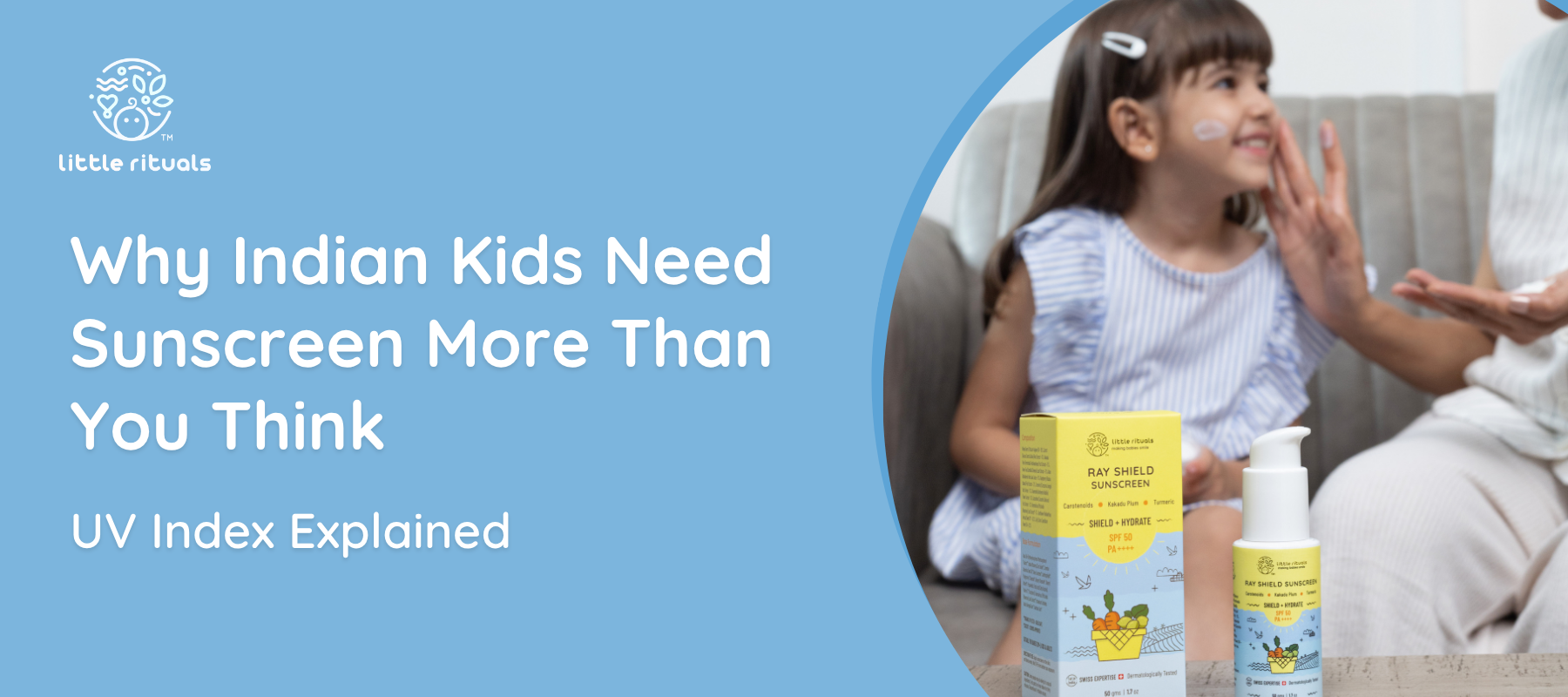
Indian kids need sunscreen every day because UV levels in India are consistently high, often reaching levels that can damage delicate skin within minutes. Children have thinner, more sensitive skin that absorbs UV radiation more easily. Daily sun protection helps prevent tanning, irritation, and long term skin concerns.
Indian kids need sunscreen more than most parents assume because sun exposure in India is intense throughout the year. Whether it is school hours, outdoor play, or even time spent near windows, children are constantly exposed to UV radiation. Brands focused on gentle baby skincare like Little Rituals are helping parents move towards safer daily protection habits, but awareness is still catching up.
Many people believe that Indian skin is naturally protected due to melanin. While melanin offers limited defense, it does not stop sun damage. Understanding how the UV index India children sunscreen relationship works can help parents make informed choices and protect their child’s skin early.
Why Indian Kids Are More Vulnerable to Sun Damage Than You Think
Thinner and More Sensitive Skin
Children’s skin is still developing and has a weaker barrier compared to adults. This means it is more prone to environmental damage. UV rays can penetrate deeper into young skin, increasing the risk of irritation, dryness, and long term sensitivity. Even short exposure without protection can lead to visible and invisible damage.
Indian Climate and Constant UV Exposure
India’s location close to the equator results in strong sunlight across most seasons. Unlike countries with long winters, Indian cities experience high UV radiation almost daily. Children spend several hours outdoors for school, sports, and play, which increases cumulative exposure. This is why kids sun protection India is not just a seasonal concern but a daily requirement.
The Melanin Misconception
A widely accepted myth is that darker skin tones do not need sunscreen. The truth is that melanin may delay visible sunburn but does not prevent UV damage. Tanning is actually a response to injury caused by UV exposure. Over time, this can lead to uneven skin tone, pigmentation, and weakened skin health.
What is UV Index and Why Every Parent Should Understand It
Understanding the UV Index
The UV index is a measure of how strong ultraviolet radiation is at a particular time and place. It ranges from 0 to 11 or higher. The higher the number, the greater the risk of skin damage.
- 0 to 2 indicates low risk
- 3 to 5 indicates moderate exposure where protection is advised
- 6 to 7 indicates high exposure where protection becomes essential
- 8 to 10 indicates very high exposure requiring strong precautions
- 11 and above indicates extreme conditions where direct exposure should be avoided
In India, UV levels frequently fall in the high to extreme categories, especially between late morning and mid afternoon.
Why This Matters for Children
Children’s skin reacts more quickly to UV exposure. Damage caused during early years can accumulate and show later in life. Since kids spend more time outdoors, their exposure is often higher than adults.
Indoor Exposure is Often Overlooked
Many parents assume sunscreen is only needed outdoors. However, UV rays can pass through windows, especially UVA rays. Indoor lighting and screen exposure also contribute to skin stress. This makes daily application important even when children are mostly indoors.
What Happens When Kids Do Not Use Sunscreen
Immediate Effects on Skin
Without protection, children can experience redness, irritation, and tanning after short periods in the sun. These effects may seem temporary but indicate underlying damage.
Long Term Skin Impact
Repeated exposure without protection can lead to uneven skin tone and increased sensitivity. Over time, this may result in persistent pigmentation and a compromised skin barrier.
Invisible Damage Beneath the Surface
UV radiation can cause cellular damage that is not immediately visible. This includes oxidative stress and weakening of the skin’s natural defense system. These changes accumulate gradually, making early prevention essential.
Why Mineral Sunscreen is a Better Choice for Kids
How Mineral Sunscreen Works
Mineral sunscreen forms a protective layer on the skin that reflects UV rays. This makes it suitable for sensitive skin because it does not rely on chemical reactions.
Benefits for Children
Mineral formulations are generally gentle and less likely to cause irritation, highlighting the benefits of mineral sunscreen. They begin working immediately after application and provide reliable protection during outdoor activities.
Ingredients That Support Skin Health
Parents should look for ingredients that protect while also caring for the skin. Zinc oxide offers effective UV protection. Soothing elements like aloe help calm the skin, while antioxidants help reduce environmental stress.
What Makes Little Rituals Sunscreens Stand Out
Baby Care Products developed by Little Rituals are specifically designed for delicate skin and daily use.
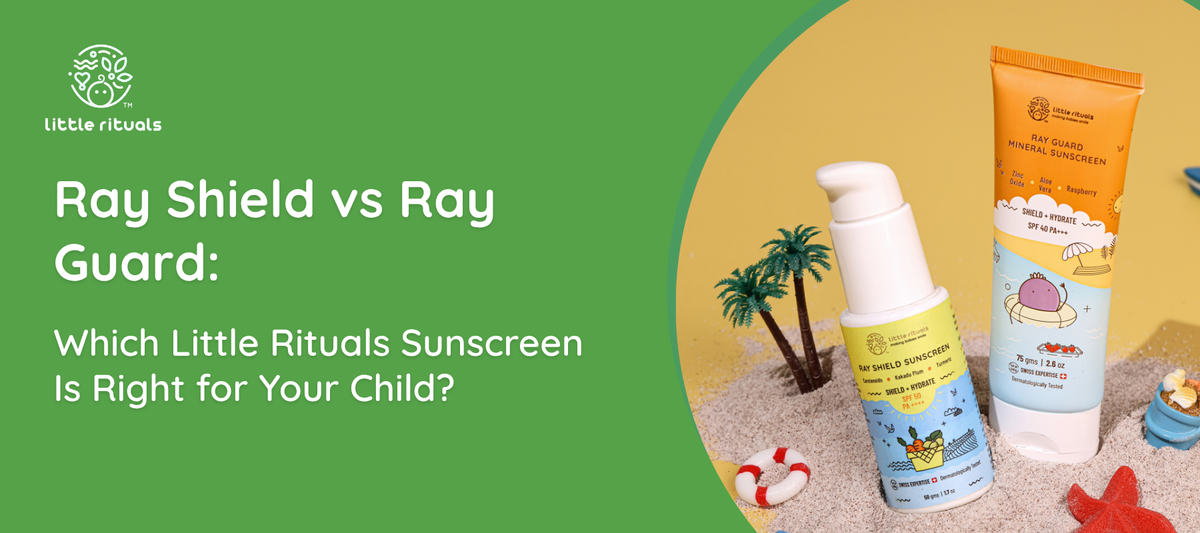
Ray Shield Baby Sunscreen
The Ray Shield Baby Sunscreen is formulated for younger and sensitive skin. It offers:
- Gentle mineral based protection with zinc oxide
- Lightweight texture that spreads easily
- No harsh chemicals, making it suitable for babies
- Added soothing ingredients that help keep skin calm
This makes it ideal for everyday indoor and outdoor use where comfort and safety are equally important.
Ray Guard Mineral Sunscreen
The Ray Guard Sunscreen is designed for slightly older kids who spend more time outdoors. It provides:
- Broad spectrum protection against UVA and UVB rays
- Protection from environmental stress and blue light exposure
- Water resistant formula suitable for playtime
- Enriched with plant based ingredients that support skin health
Both products focus on safety, effectiveness, and comfort, ensuring that sunscreen becomes an easy daily habit rather than a struggle.
Choosing the Right Sunscreen for Your Child
When to Start Using Sunscreen
A safe baby sunscreen can be introduced after 3 months of age. Before that, infants should be kept away from direct sunlight as much as possible.
What Parents Should Look For
Parents should choose baby products that are gentle, non irritating, and suitable for everyday use. The formulation should feel comfortable on the skin so that children do not resist application.
How to Use Sunscreen Correctly for Kids
Application Amount
A generous layer should be applied to all exposed areas. Commonly missed spots include ears, neck, and the back of the hands.
Timing of Application
Sunscreen should be applied 15 to 20 minutes before stepping outdoors to ensure proper protection.
Reapplication Guidelines
It should be reapplied every 2 hours during outdoor activity. Reapplication is also necessary after sweating or washing the face.
Consistency is key. Occasional use does not provide the same level of protection as a daily routine.
The Real Truth About Sunscreen for Indian Kids
Sunscreen is no longer optional for children growing up in India. With rising UV levels and increased environmental exposure, protecting young skin has become a basic necessity. Developing this habit early helps prevent long term skin concerns and supports healthier skin as children grow.
Protect Their Childhood with the Right Daily Ritual
Children should be able to play outdoors freely without the hidden risks of sun damage. Building a simple daily routine that includes sunscreen can make a lasting difference. Choosing a gentle and reliable option from a trusted brand like Little Rituals ensures that protection becomes a natural part of everyday care rather than an afterthought.
Frequently Asked Questions
Q1. How does the UV index affect children’s skin?
A higher UV index means stronger radiation, which increases the risk of skin damage in children. Since their skin is more sensitive, they are affected more quickly than adults.
Q2. How often should kids apply sunscreen in India?
Children should apply sunscreen every 2 hours when outdoors and before stepping out each day.
Q3. Can kids skip sunscreen on cloudy days?
No, UV rays can penetrate clouds and still cause damage, so sunscreen is necessary even on cloudy days.
Q4. Is sunscreen necessary for Indian children daily?
Yes, daily use is important because UV exposure occurs throughout the year in India.
Q5. Will sunscreen stop tanning completely?
Sunscreen reduces tanning significantly but may not eliminate it entirely, especially with prolonged exposure.
Q6. What SPF is suitable for children in India?
SPF 40 or higher is recommended due to strong sunlight conditions.
Q7. What type of sunscreen is best for kids?
Mineral based sunscreens are generally considered safer and more suitable for sensitive skin.
Q8. Why do children need more sun protection than adults?
Children have thinner and more delicate skin, which makes them more vulnerable to UV damage and long term effects.